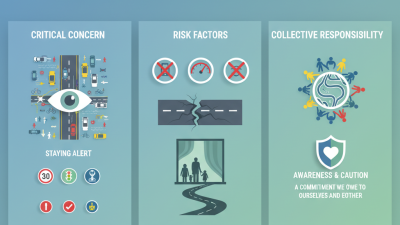
As the number of road traffic deaths worldwide keeps climbing, it’s more urgent than ever to focus on new ways to make roads safer. According to the latest Global Status Report on Road Safety, over 1.35 million people lose their lives in crashes every year—that’s a staggering reminder of just how much we need better safety measures. Companies like 3M and Vermillion are really stepping up, bringing innovative ideas to the table that aim to boost driver awareness and help cut down on accidents.
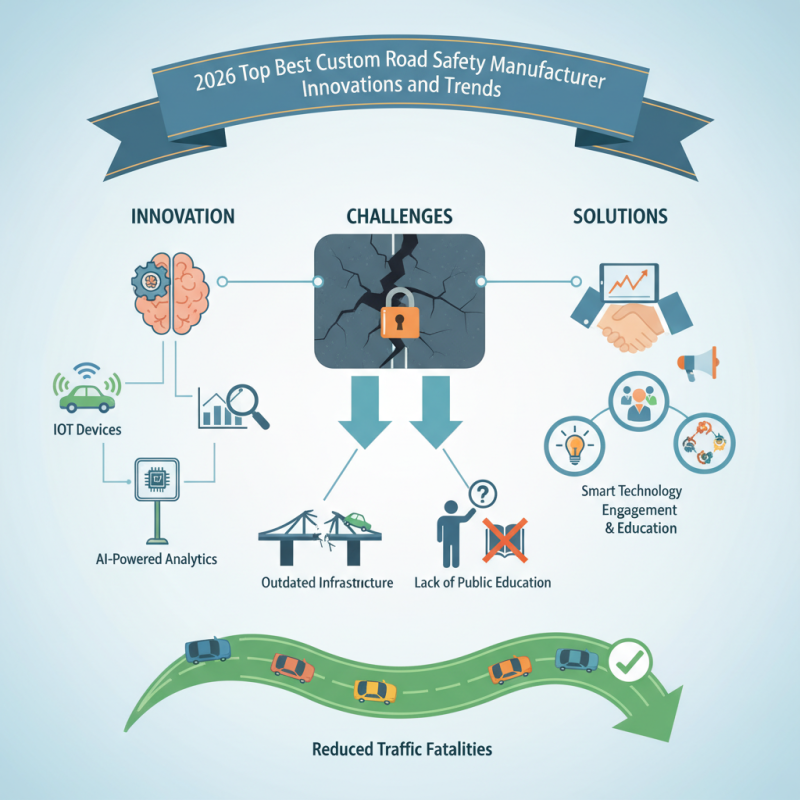
Looking ahead to 2026, we’re starting to see a shift toward smarter tech in road safety systems. IoT devices and AI-driven analytics are quickly becoming standard for manufacturers. But even though these advancements sound promising and could make a real difference, there’s still a lot of concern about whether everyone will actually have access to these new tools, especially since many cities are stuck with outdated infrastructure that makes it tough to fully benefit from them.
And there's another big piece of the puzzle—public education. A lot of drivers still don’t know the latest safety protocols, which means all these high-tech solutions might not be as effective if people aren’t aware of how to use or benefit from them. So, industry leaders need to do more than just develop new tech; they’ve also got to engage communities, spread awareness, and advocate for safer roads. Combining innovative tech with effective education is really going to shape how road safety evolves and, hopefully, lead to fewer traffic accidents.
Emerging technologies are transforming the landscape of custom road safety manufacturing. Innovative materials and smart infrastructure are key players in this evolution.
For instance, dynamic signage systems adapt to traffic conditions in real-time. These systems use sensors to analyze vehicle flow and adjust messages accordingly. This ensures that drivers receive timely warnings, enhancing safety on roads.
Moreover, advancements in drone technology are also noteworthy. Drones can inspect road conditions and identify hazards quickly. These inspections are often more thorough than traditional methods.
However, challenges remain. Integration of these technologies into existing systems is complex. Not every municipality has the budget to adopt these innovations. Striking a balance between safety and cost is crucial.
Another area of growth is in the development of smart road barriers. These barriers use embedded sensors to detect impacts and monitor traffic patterns. As helpful as they are, they are not infallible. Technical glitches can lead to miscommunication in emergency situations.
The focus should be on refining these technologies to ensure they are reliable and effective. Engaging with communities can drive these improvements and create a safer driving environment for all.
Sustainable materials are transforming road safety innovations in exciting ways. They offer new solutions to enhance safety while promoting environmental responsibility. For example, recycled plastics are now used in road barriers and signage. This not only reduces waste but also creates durable products. These materials can absorb impact better and last longer than traditional options.
Recent developments show a shift toward biomaterials as well. These materials can decompose naturally, minimizing their long-term environmental impact. However, their performance under extreme conditions needs more research. It’s essential to ensure they meet CE Certification Safety Road Safety standards. Many manufacturers are experimenting, but not all innovations are equally effective.
It’s clear that the road ahead is filled with potential. Yet, not every sustainable innovation addresses safety adequately. Companies must prioritize research and real-world testing. The integration of sustainable materials in road safety requires careful attention to detail and constant evaluation. Only then can we ensure safer roads for everyone while protecting the planet.
Integrating smart technologies into road safety solutions is transforming how we think about safety on our roads. Advanced sensors and artificial intelligence are playing significant roles. These innovations allow for real-time monitoring of road conditions. They can detect hazards and send alerts to drivers instantly. This not only enhances driver awareness, but it can also mitigate the impact of dangerous situations.
However, challenges still exist. Not all areas have equal access to this technology. Rural regions often lack the infrastructure necessary for smart solutions. Additionally, relying on technology can create complacency among drivers. They might think they are invincible due to these innovations. Balancing technology with human responsibility is crucial. Smart technologies are tools, not replacements for good judgment.
Furthermore, data privacy concerns are rising. Collecting information is necessary for these systems, but how it is used matters. Ensuring that personal data remains secure is essential. Without addressing these issues, public trust could diminish. Innovations are exciting, but they must come with a cautious approach. Road safety is about people, and technology should enhance, not overshadow, human decision-making.
Recent developments in regulatory standards for custom road safety products reflect escalating concerns about public safety. According to the Global Road Safety Partnership, nearly 1.35 million people die in road traffic accidents each year. This alarming statistic motivates manufacturers to innovate. The increasing demand for higher safety standards pressures regulators to rethink existing guidelines continuously.
In 2025, new regulations may necessitate enhanced visibility for road safety equipment. Safety products, such as cones and barriers, will need retroreflective material that meets rigorous visibility standards in various weather conditions. Reports indicate that products with higher reflectivity can improve visibility by up to 200% compared to previous standards. This is a significant improvement, yet many manufacturers struggle to meet these criteria. Compliance challenges can lead to setbacks, prompting some to re-evaluate their production processes.
While the push for innovation is clear, the journey is complex. Some manufacturers find it hard to keep costs low while ensuring safety and durability. The balance between affordability and compliance is fragile. If a product fails to meet the latest standards, consequences can be severe, leading to accidents or injuries. Thus, the road ahead requires not only innovation but also a commitment to reflection and improvement.
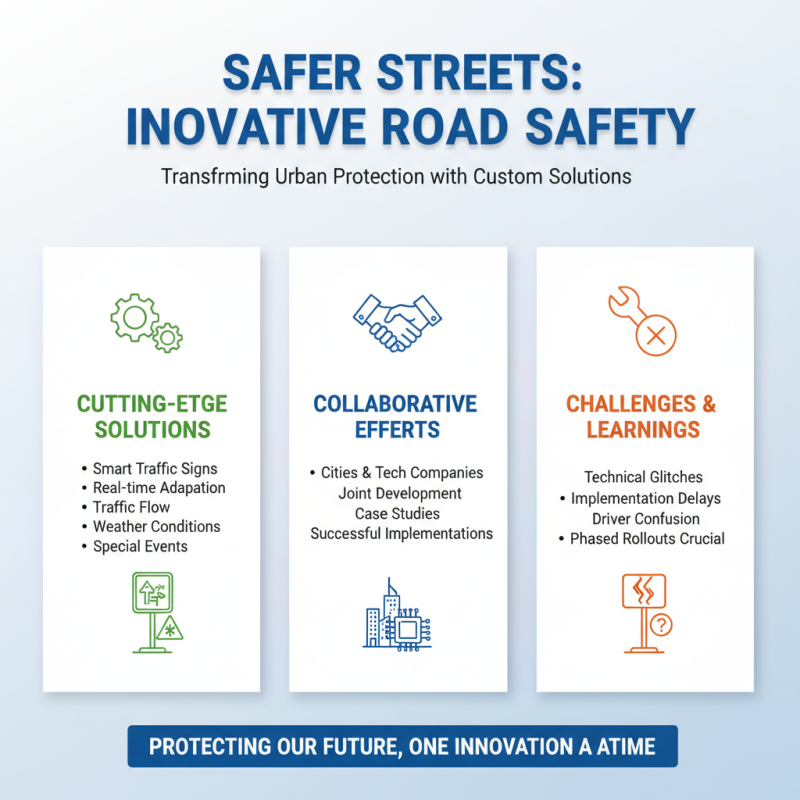
Innovative custom road safety products are transforming how we protect our streets. Recent case studies highlight cutting-edge solutions arising from collaborative efforts. Cities are experimenting with smart traffic signs that adapt to real-time conditions. These signs can change based on traffic flow, weather, or even special events. However, not every city has successfully implemented these technologies. Some have faced technical glitches that delayed progress or even caused confusion for drivers.
Some Safety Road Safety Manufacturers are placing a strong emphasis on user feedback. This means designs may evolve from complaints and suggestions. One city worked closely with local schools to improve pedestrian safety near heavy traffic zones. The result was a series of bright, interactive crosswalks that engage both kids and drivers. Yet, a few residents expressed concerns over the effectiveness of these installations. This highlights the ongoing need for assessment and adaptation in road safety designs.
Another trend is community involvement in road safety initiatives. Engaging local citizens to identify hazards offers valuable insights. For instance, a neighborhood campaign led to the installation of speed bumps in high-risk areas. Local governments may not always see the immediate need for such changes. Yet, when communities advocate for their safety, results can be tangible. Even so, some projects may fail due to lack of funding or inconsistent participation. Collaboration remains key, but it is not without challenges.
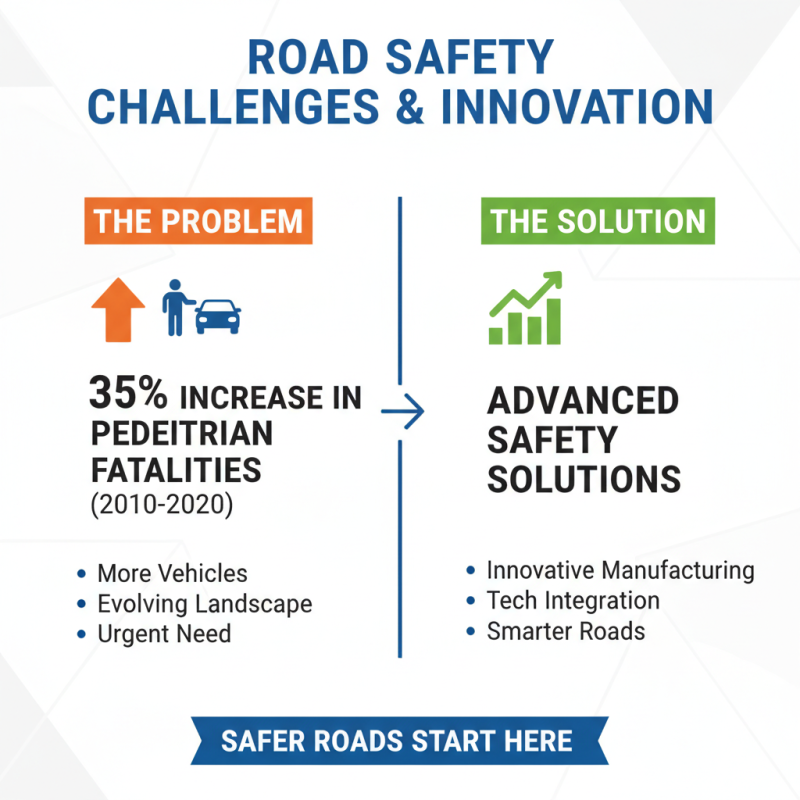
In the rapidly evolving landscape of road safety manufacturing, challenges abound. As the number of vehicles on the road grows, so does the need for advanced safety solutions. Reports indicate that pedestrian fatalities have increased by 35% between 2010 and 2020. This alarming trend highlights the urgency for innovative approaches to safety manufacturing.
Technological integration within safety systems is a double-edged sword. While advancements like smart traffic lights show promise, implementation gaps exist. Many manufacturers struggle with adapting these technologies effectively. Additionally, the cost of cutting-edge materials can be prohibitive for small to mid-sized Safety Road Safety Manufacturer firms. Finding a balance between innovation and accessibility remains a significant hurdle.
Another notable challenge is sustainability. The road safety sector constantly grapples with environmental impacts. As regulations tighten, manufacturers must pivot towards eco-friendly materials. According to industry research, nearly 60% of manufacturers are exploring biodegradable options. However, practical applications still lag behind expectations. Opportunities exist for companies willing to invest in green technology, though the path is fraught with obstacles. The future of road safety manufacturing hinges on addressing these issues head-on.
As Road Safety continues to gain attention, consumer awareness plays a pivotal role. People need to understand the importance of safety products on the road. Recent studies show that many individuals still lack knowledge of essential safety measures. Awareness campaigns can bridge this gap. They should highlight products like reflective gear, safety cones, and emergency kits.
Educational initiatives often involve community events. Workshops can demonstrate the proper use of road safety tools. Interactive sessions engage the audience, making the information memorable. Despite advancements, people still overlook personal responsibility. Education should empower consumers to take proactive steps.
Feedback from the community is vital. Understanding what consumers want can lead to better product development. Yet, there remains a lack of clarity on what forms of education are most effective. Simple brochures may not suffice. Engaging videos could resonate more with diverse audiences. Striving for innovation means continuously refining approaches in road safety education.
: The product is designed to improve daily life tasks and increase efficiency.
Follow the guidelines carefully. Regular practice enhances familiarity and skill.
Yes, handle it with care. Misuse can lead to malfunctions or safety issues.
It comprises durable materials. Consider environmental factors when evaluating longevity.
Yes, there is a return policy. Ensure it meets the return conditions before proceeding.
Use soft, damp cloths for cleaning. Avoid harsh chemicals that could damage surfaces.
Check the guide for troubleshooting tips. If issues persist, contact support for help.
Yes, it is not suitable for very young children. Always supervise younger users.
The warranty typically lasts for a specified duration. Review the documentation for details.
Yes, feedback is welcome. Sharing experiences can help improve future products.
The article discusses the latest innovations and trends in custom road safety manufacturing as we approach 2026. It highlights the emergence of cutting-edge technologies that enhance road safety, including the use of sustainable materials that not only improve product durability but also reduce environmental impact. The integration of smart technologies, such as IoT devices and advanced traffic management systems, is transforming road safety solutions, making them more effective and responsive.
Furthermore, the article examines evolving regulatory standards that shape the development of custom road safety products, alongside case studies showcasing successful innovations in the field. It outlines the future directions for road safety manufacturing, identifying both challenges and opportunities, while emphasizing the critical role of consumer awareness and education regarding road safety products. This comprehensive overview underscores the dynamic landscape of road safety innovations that prioritize both effectiveness and sustainability.