Leave Your Message
0%

As the world shifts more and more towards sustainability, it's pretty clear that the LED lightingindustry is really standing out with its innovation and rapid growth. I came across a report from MarketsandMarkets that says the global LED lighting market could hit around $105.45 billion by 2026 — crazy, right? That kind of surge shows just how much people are leaning into Energy-efficient lighting options these days.

I chatted with Dr. Emily Parker, a senior researcher over at the Lighting Research Center, and she summed it up perfectly: “The future of LED lighting isn’t just brighter— it’s smarter too.” That really nails how tech is evolving in this space. With all these new smart lighting systems out there, consumers can save energy like crazy while making their spaces feel a lot more cozy and functional.

Of course, it’s not all smooth sailing. There are definitely some hurdles to jump over. For one, integrating LED lights into existing setups can be pretty complicated and, honestly, pretty pricey upfront. Some businesses are hesitating because of these initial costs, questioning if it’s worth it long-term. Addressing these kinds of issues is super important if we want to keep growing this market. The potential is huge, but at the same time, we gotta be honest about the bumps along the way.
2026 Top Trends in Led Lighting You Need to Know?

The Rise of Smart LED Lighting: Integrating IoT for Enhanced Efficiency

2026 Top Trends in Led Lighting You Need to Know?

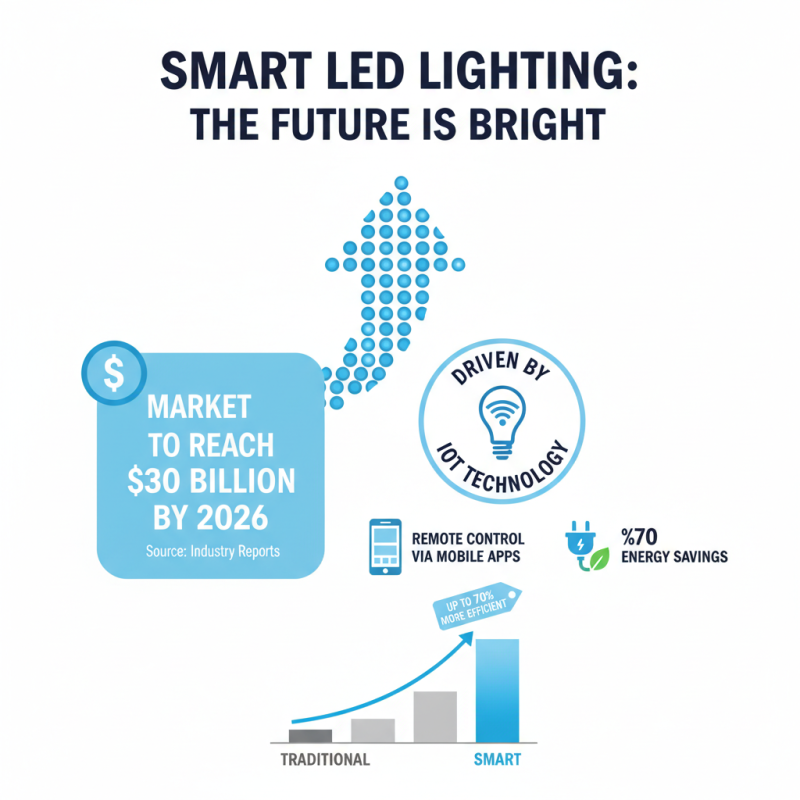
The demand for smart LED lighting is rising rapidly. According to recent industry reports, the smart lighting market is expected to reach $30 billion by 2026. This growth is driven by the integration of IoT technologies, which enhance efficiency and convenience. Smart LED lighting systems can be controlled remotely via mobile apps, leading to significant energy savings—up to 70% compared to traditional options.

In commercial spaces, smart Led Track Lighting is becoming a popular choice. These systems not only provide focused illumination but also adapt to user preferences. Data shows that energy consumption can drop significantly when facilities implement smart lighting systems. However, not all buildings have adopted this technology. Integration challenges persist. Many organizations struggle with outdated infrastructure and employee training on new systems. These barriers can hinder full utilization.

Moreover, while benefits abound, potential privacy concerns exist. As devices become more connected, data security must be prioritized. The idea of having smart devices constantly communicating can be unsettling. Companies need to address these anxieties openly. Transparency about data usage and protection will be crucial in gaining user trust as the smart LED lighting trend continues to evolve.

Innovations in LED Technology: Advancements in Lumens per Watt

Advancements in LED technology have dramatically changed our lighting landscape. The efficiency of LEDs is measured in lumens per watt. Higher lumens indicate brighter light output. New innovations have boosted these numbers significantly in 2026.

Modern LEDs now deliver more lumens for each watt used. Some designs achieve over 200 lumens per watt. This efficiency means less energy consumption. However, the manufacturing process still requires refinement to ensure sustainability. Not all innovations are perfect. Some more efficient bulbs have flickering problems. This is an area needing improvement.

Moreover, as lumens increase, color rendering improves too. Users desire light that accurately reflects colors. Some new LEDs are addressing this. Still, not every new product hits the mark. Balancing efficiency, color quality, and cost remains a challenge. The evolution of LED technology continues, with both promise and complexity.

Sustainability Trends: Energy-Efficient LED Solutions for Eco-Conscious Consumers

As consumers become more eco-conscious, energy-efficient LED solutions are on the rise. Led Recessed Lighting plays a key role in this shift. These fixtures use significantly less energy compared to traditional lighting. They can also last much longer, reducing waste. Homeowners can feel good about their choice with these sustainable options.

When considering Led Recessed Lighting, think about the brightness you need. Choosing the right lumens is important for functionality and atmosphere. Avoid over-illuminating spaces; this can feel harsh and energy-wasting. Layering lighting can create a more inviting environment. Don’t forget to check for dimmable options to adjust according to mood.

Sustainability is not just a trend; it’s a necessity. While LED technology is energy-efficient, there’s room for improvement. Some LEDs still contain materials that can be harmful when disposed of. Researching proper disposal methods is essential. Look for LEDs made from recyclable materials to enhance your eco-friendly efforts. Every little decision counts in creating a greener future.

Color-Tunable LEDs: Customizing Ambiance and Mood in Residential Spaces

Color-tunable LEDs are transforming residential spaces. They allow for personalization of ambiance and mood. Homeowners can choose specific colors that match their feelings. This innovation caters to various scenarios, from cozy evenings to lively gatherings.

A recent report by industry experts indicates that color-tunable LEDs can increase a home's perceived value by up to 15%. This improvement is attributed to the enhanced atmosphere they create. People are more likely to enjoy their living spaces when they can adjust the light to suit their mood.

Tips: Consider the layout of your room. Mount lights in different areas to create layers of light. Experiment with color combinations. Sometimes, trial and error leads to the best results. Remember, the right color can energize a room or induce relaxation. These adjustments can significantly impact how you feel in your home.

2026 Top Trends in LED Lighting: Color-Tunable LEDs

This chart illustrates the percentage of consumer interest in various types of color-tunable LEDs for residential settings as projected for 2026. The data reflects a growing preference for warm white and cool white options, while colorful ambience and mood-adjusting capabilities showcase emerging trends in lighting customization.

Cost Analysis: Comparing LED Lighting vs. Traditional Lighting Over Time

When comparing LED lighting to traditional lighting, cost is a critical factor. Reports indicate that LED lights use up to 75% less energy than incandescent bulbs. This significant energy saving translates into lower electricity bills over time. In a commercial setting, switching to LEDs can result in savings of approximately $3,000 per year for every 1,000 fixtures. This data presents a compelling case for businesses.

However, the upfront costs of LED installations can be a concern. Initial expenses may seem high. While an LED bulb costs about $10, an incandescent bulb might only be $1. Still, LEDs last 25 times longer than incandescents. This discrepancy can shift perceptions around cost-effectiveness. It’s crucial to weigh immediate costs against long-term benefits.

Maintenance costs also come into play. Traditional bulbs often burn out quickly, leading to frequent replacements. Conversely, LEDs require less frequent changes. Despite the initial financial outlay, the longevity of LEDs suggests they are a smarter investment. There may be some hesitation among consumers, but this can be addressed with better awareness of potential savings.

Impact of Government Regulations on LED Lighting Adoption by 2026

Government regulations play a crucial role in the adoption of LED lighting. By 2026, various policies are expected to shape the market significantly. These regulations will likely include energy efficiency standards and environmental impact assessments. As countries strive for sustainability, compliance with these regulations will be essential for manufacturers. Understanding these guidelines can help producers align their products, such as CE Certification Led Recessed Lighting, with market demands.

In some regions, stricter laws will push companies to innovate faster. This drive could lead to a surge in high-quality LED products. However, not all companies will adapt well to these changes. Some may struggle with compliance, leading to a gap in the market. This can create opportunities for others to fill that void. It's crucial for stakeholders to be aware of the evolving landscape. By staying informed, businesses can anticipate shifts and adjust accordingly.

2026 Top Trends in LED Lighting You Need to Know - Impact of Government Regulations on LED Lighting Adoption by 2026

Trend Description Expected Benefits Regulatory Influence
Smart LED Technology Integration with IoT for enhanced control. Improved energy management and usability. Government incentives for smart infrastructure.
Sustainable Practices Focus on recyclability and eco-friendly materials. Reduced environmental impact and waste management. Regulations promoting sustainable manufacturing.
Human-Centric Lighting Lighting that adapts to human needs and circadian rhythms. Enhanced well-being and productivity. Standards for health-oriented lighting applications.
Improved Energy Efficiency Adoption of new energy-efficient LED technologies. Significant cost savings and lower energy consumption. Regulatory mandates on energy consumption levels.
Adaptive Lighting Systems Lighting that reacts to environmental changes. Optimized lighting conditions and reduced energy usage. Supportive legislation for smart city initiatives.

Market Forecast: Predictions for LED Lighting Growth and Industry Trends

2026 Top Trends in Led Lighting You Need to Know?

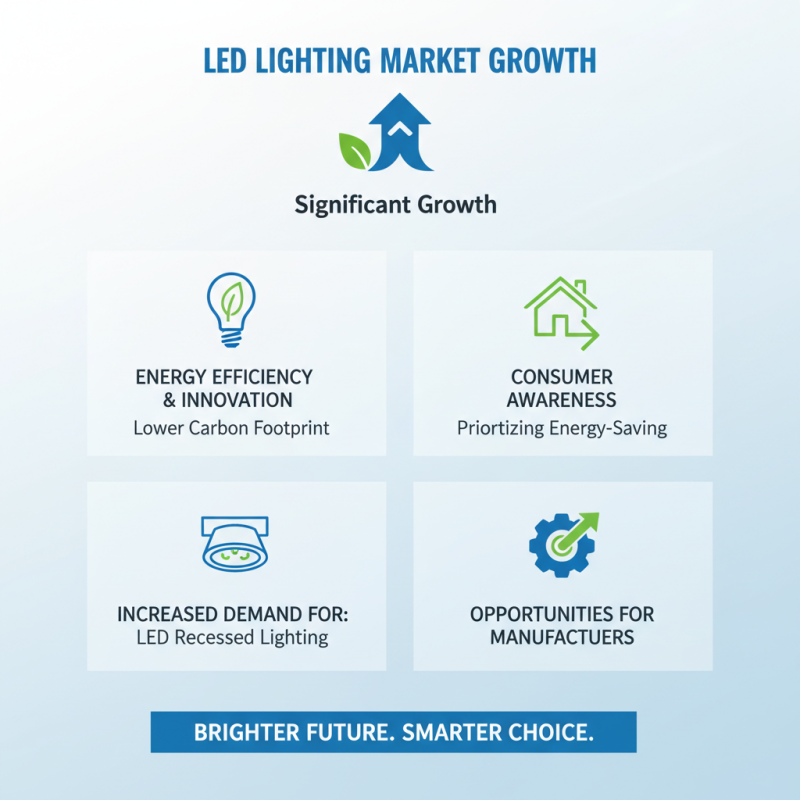
The LED lighting market is set for significant growth in the coming years. A focus on energy efficiency drives innovations. Consumers are more aware of their carbon footprints. As a result, energy-saving solutions become a priority. The demand for LED recessed lighting increases. This shift offers plenty of opportunities for manufacturers.

Predictions show that LED technology will continue to evolve. The integration of smart technologies is likely to grow. Users want more control over their lighting. This trend opens doors for advanced products. Manufacturers must adapt to these changing needs. A challenge exists in balancing quality and innovation. There’s a risk of some companies prioritizing speed over performance.

Sustainable materials are gaining traction. Eco-friendly production methods are essential. However, many manufacturers still struggle with implementing these practices. The challenge is not just about financial investments. It requires a cultural shift within organizations. With Led Recessed Lighting Manufacturers leading the way, the industry can redefine standards. Quality, sustainability, and innovation will shape the future of lighting.

FAQS

: What is the main purpose of the article?

: The article aims to provide insights and real-life examples on a specific topic.

How can I apply the tips mentioned?

You can practice the suggestions in daily routines and reflect on their effectiveness.

Are there any common mistakes to avoid?

Yes, many people overlook details. Focus on specifics to improve your outcomes.

What should I do if I feel overwhelmed?

Take a step back and reassess your approach. Don't rush decisions.

Is there a recommended method to track progress?

Keeping a journal or log can help you see your growth over time.

Can these tips be used in different contexts?

Absolutely! They are versatile and can be adapted to various situations.

How often should I revisit these strategies?

Regularly revisit and adjust your strategies based on what’s working or not.

What if I don't see immediate results?

It's normal. Change takes time. Reflect on your efforts; adjust if necessary.

How important is self-assessment in this process?

Self-assessment helps identify areas for improvement. It fosters growth.

Can I share my progress with others?

Yes, sharing can provide additional support and insights, enhancing your journey.

Conclusion

The article "2026 Top Trends in LED Lighting You Need to Know" explores the transformative landscape of LED lighting by highlighting key advancements and trends set to influence the industry. One of the prominent trends is the rise of smart LED lighting, which integrates IoT technology to enhance energy efficiency and user experience. Innovations in LED technology continue to improve lumens per watt, making these solutions more effective and appealing.

Additionally, the article discusses sustainability trends that reflect the growing demand for energy-efficient options among eco-conscious consumers. Color-tunable LEDs allow homeowners to customize ambiance and mood, while a cost analysis reveals significant savings when comparing LED lighting with traditional lighting over time. Government regulations also play a crucial role in the adoption of LED lighting, paving the way for a forecasted growth in the market by 2026.
Isabella

Isabella

Isabella is a dedicated marketing professional at Zhongshan Sanhui Lighting Technology Co., Ltd., where she has honed her expertise in the lighting industry. With a keen understanding of the company's innovative products and services, Isabella plays a crucial role in promoting the company's core......
Previous Unlocking Smart City Solutions Top Tips for Sourcing Quality Suppliers