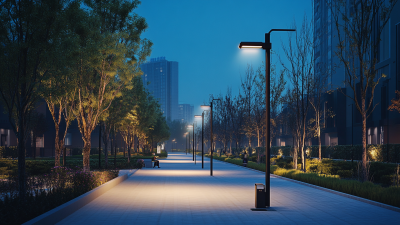
You know, in this fast-changing worldof urban growth, new Street Lighting options are really making a difference. Cities are always looking for ways to cut down on energy use and boost public safety, andmodern lighting tech is pretty much leading the charge. Companies like SUNFREE Lighting Technology Co., Ltd.—they’re big players in coming up with fresh energy solutions—are really pushing things forward.
These new Street Lamps, with theirsmart features and cool designs, don’t just light up the streets better; they also help make neighborhoods look nicer and stay greener. In this blog, I’ll walk you through the many benefits of adding these innovative lights into city planning. Plus, I’ve got a handy checklist for planners and developers who want to make their urban projects the best they can be.
Innovative Street Lamps: A Catalyst for Smart City Development
You know, these new street lamps aren’t just about lighting up the streets—they actually play a big role in shaping how our cities will look and function in the future. With urban areas growing super fast and the need to be more eco-friendly, these smart lighting solutions are pretty much becoming a crucial part of modern urban planning. They come packed with cool tech like sensors, Internet of Things (IoT) connections, and energy-efficient LEDs. What does all that mean? Well, city officials can get real-time updates about air quality, see how many people are around, and even tweak the lighting based on pedestrian traffic. It’s like giving our cities a brain—making them safer and saving energy at the same time.
And it’s not just about practicality. These innovative street lamps also help make neighborhoods more lively and inviting. By adding smart tech, cities can turn streets into interactive spaces—think public art displays, info boards, or even just more engaging environments. All of this encourages people to hang out, socialize, and just enjoy their surroundings more. As city planners start to see the value in these multi-purpose lights, they’re taking big steps toward building smarter, more inclusive, and sustainable places to live. Honestly, this whole shift in street lighting really shows how tech can change urban life for the better, making it more vibrant and connected.
Understanding the Economic Benefits of Energy-Efficient Lighting Solutions
Switching over to energy-efficient lights, like LED street lamps, is becoming more and more important for shaping up our cities. I mean, according to the International Energy Agency (IEA), swapping out old lighting for these new systems can cut down energy use by up to half—seriously, that’s a big deal when it comes to saving money for towns and cities. Plus, it’s not just about cutting costs; this change actually helps fight climate change, and it makes streets look way nicer and more inviting. Better lighting means pedestrians and drivers can see better at night, which is always a plus.
Cities that have already jumped on this bandwagon are also seeing some pretty sweet economic perks. A report from the U.S. Department of Energy, for example, says that local governments can save anywhere from 20,000 to 50,000 dollars every year for every thousand street lamps by switching to LEDs. And here’s some good news—these LED systems don’t break or need fixing as often, so maintenance costs drop too, saving even more money in the long run.
Quick tip: If your city’s thinking of making the switch, it’s a smart idea to do a full check of your current lighting setup first. Also, don’t forget to look into grants or incentives out there that could help cover the initial costs—they’re out there, you just need to find them.
Another tip: Talking to your community about these new lighting techs can really help get everyone on board. When folks understand the benefits, they’re more likely to support these projects. Plus, it’s a way to make sure the upgrades really meet the needs of residents while also boosting the local economy.
Enhancing Urban Safety: The Role of Intelligent Street Lighting in Crime Reduction
As cities keep growing and changing, one thing that’s really been making a difference is smart street lighting. These new systems aren’t just about lighting up the streets—they actually boost safety and help cut down on crime. Take San Diego, for example—recent projects there show just how powerful tech-enabLed Street Lights can be. They don’t just brighten the night; they also have smart features like data gathering that help police respond faster when stuff happens. It’s all about making neighborhoods feel a lot safer for everyone.
A good tip for cities thinking about rolling out smart lighting? Focus on areas that’ve had their fair share of trouble in the past. By looking at crime stats, planners can put these lights where they’ll do the most good—really hitting crime where it hurts.
And when you get the tech side and law enforcement working together, the results can be impressive. Cities like Mexico City are already seeing positive changes, using data to knock down high-impact crimes. It’s all about creating a sense of security and showing residents that their safety matters.
Another thing? Get the community involved. When folks who actually live and work in these areas have a say in where and how the lighting gets installed, it helps make sure the upgrades target what's really needed. Plus, it builds trust—people feel more connected when they see their feedback making a difference, which can really help in the fight against crime.
Discovering the Advantages of Innovative Street Lamps for Urban Development
Enhancing Urban Safety: The Role of Intelligent Street Lighting in Crime Reduction
Integrating IoT Technology: Smart Street Lamps and Their Impact on Urban Infrastructure
You know, the way IoT tech is being woven into street lamps is really changing the game for our cities. These smart street lights, equipped with all sorts of sensors, can keep an eye on things like air quality and noise levels — basically giving city planners real-time info to make our neighborhoods better. What’s pretty cool is that they don’t just turn on and off at simple light levels; they actually talk to each other and adapt to what's happening around them. It’s like they’re part of a living, breathing urban ecosystem.
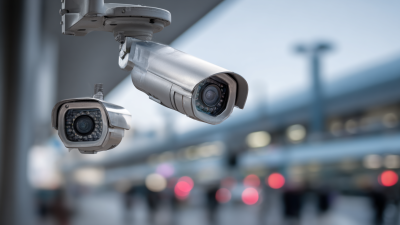
And it doesn’t stop there. These intelligent lamps can also boost safety with built-in cameras and emergency buttons, so folks can feel a bit more secure out and about. When you connect them into the bigger smart city setup, they help with traffic flow too — making sure cars move smoothly and congestion isn’t a nightmare. On top of that, being able to control and maintain them remotely really cuts down on energy and upkeep costs, which is good for the planet. As our cities keep growing, having these kind of high-tech, connected street lights is honestly a key piece of building a more sustainable and efficient future. It’s pretty exciting stuff, don’t you think?

Sustainable Urban Living: How Innovative Lighting Supports Environmental Goals
Have you noticed how new, innovative street lamps are becoming kinda of a big deal when it comes to making our cities more eco-friendly? I came across a 2021 report from the International Energy Agency, and it’s pretty eye-opening: cities are responsible for about 75% of the world's energy use and a huge chunk—around 70%—of greenhouse gas emissions. That’s where smart lighting comes in! 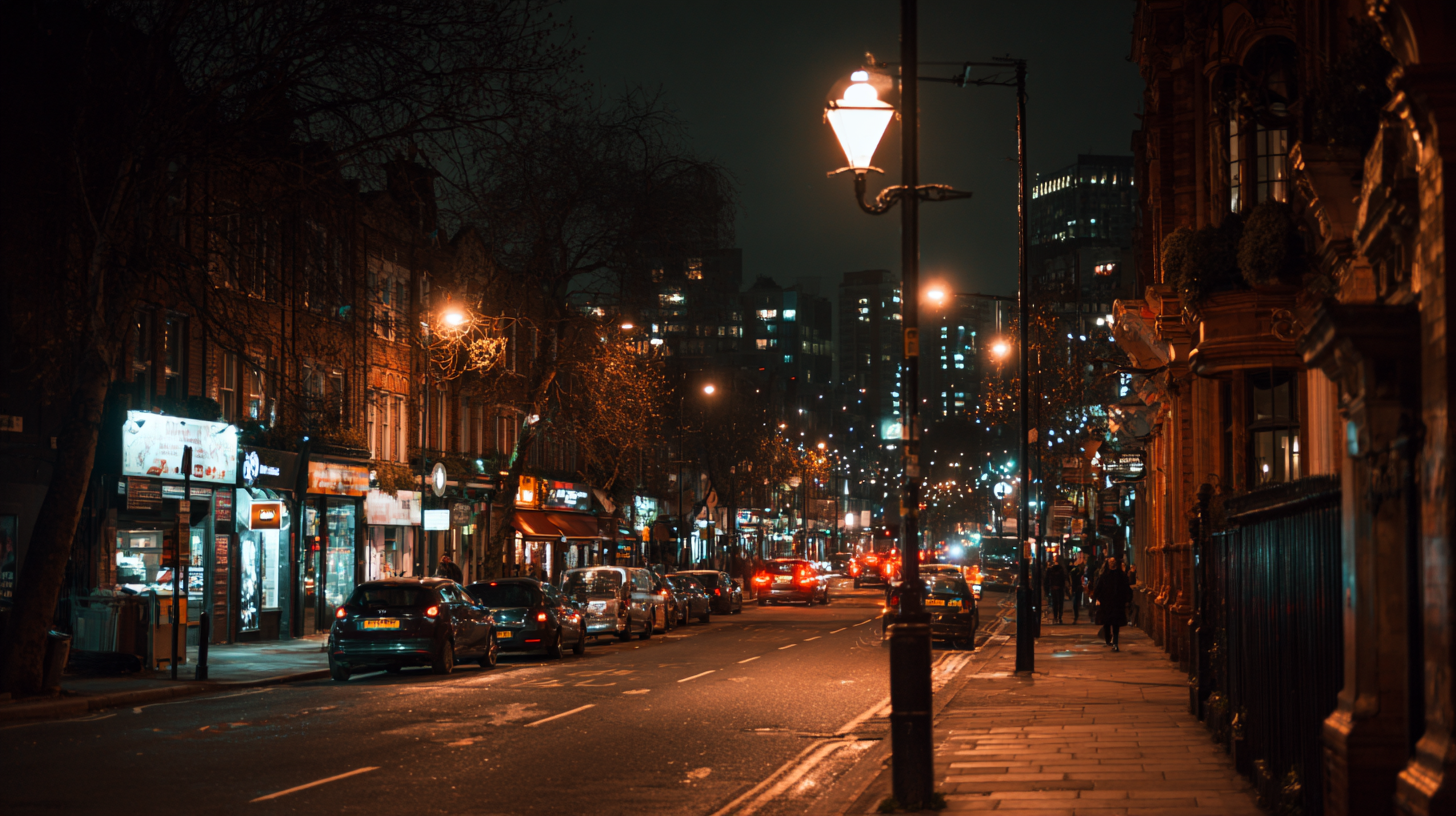 By swapping out old-school lamps for smarter, energy-efficient ones, cities can seriously cut down on energy bills and reduce their carbon footprint. For example, LED street lights use up to 75% less power than those old sodium vapor lamps, and they last like 25 times longer. Crazy, right? Not only does this help save energy, but it also means less maintenance and a safer streetscape because everything’s brighter and clearer at night.
And get this—these new street lamps with sensors are part of the larger smart city revolution. A 2020 study by the Urban Institute pointed out that when cities put in these intelligent lighting systems, crime rates went down by over 20%, thanks to better visibility in public spaces. Plus, many of these lights can be powered by renewable sources like solar panels, making them even greener. It’s pretty clear that as cities chase their environmental goals, embracing these cool lighting techs is gonna be a game-changer for both safety and sustainability—really good news for residents and the planet alike.
User-Centric Design: Improving Public Spaces Through Smart Street Lamp Functionality
In today’s city planning, designing with the people in mind is more important than ever—especially when it comes to public spaces. You’ve probably noticed that smart street lamps are popping up all over the place. They’re not just for lighting anymore; they actually help build a sense of community. With sensors and internet connectivity, these lamps can change their behavior based on what's happening around them. For example, they might dim down at night or brighten when people are nearby, making the streets safer and more welcoming for everyone—locals and visitors alike.
If you’re thinking about upgrading your city’s streets, why not add some extra features? Things like charging stations for electric cars or your mobile devices can turn these lamps into multi-purpose tools—more than just simple lights. Plus, these smart lamps can collect data on how many people are out and about, giving city planners some pretty useful insights on how to make public spaces even better.
Another cool thing is how these lamps can actually help bring people together. Imagine interactive displays or art installations built right into the lamps—they can invite passersby to get involved and make public areas more lively and interesting for all kinds of folks. When you’re planning these upgrades, try to prioritize features that really connect with the community’s needs and preferences. The goal is to create a more vibrant, engaging urban environment that truly feels like home.
FAQS
: Innovative street lamps are advanced lighting solutions equipped with technologies like sensors, IoT connectivity, and energy-efficient LEDs. They play a crucial role in shaping smart cities by enhancing urban infrastructure, improving safety, promoting energy conservation, and providing real-time data for city management.
These street lamps create interactive urban environments by supporting public art installations and information displays, which encourages social interaction and enhances the quality of life for residents.
Transitioning to energy-efficient LED street lamps can reduce energy consumption by up to 50% and save municipalities between $20,000 to $50,000 annually per 1,000 lamps. They also require less maintenance and have longer lifespans, further lowering costs.
Intelligent street lighting improves visibility, deters criminal activity, and collects data that helps law enforcement respond quickly to incidents, contributing to a safer neighborhood environment.
Cities should conduct a comprehensive assessment of their existing lighting infrastructure and explore available grants or incentives to offset initial investment costs to maximize the benefits of energy-efficient lighting.
Municipalities should prioritize areas with high crime rates when implementing smart lighting systems, using crime data to strategically place the lights to maximize their crime deterrent effects.
Engaging community members in the planning process allows city planners to understand local concerns and ensure that the enhancements meet the residents' needs, leading to more effective outcomes in crime reduction and community safety.
The adoption of energy-efficient lighting solutions helps tackle climate change by reducing energy consumption, thereby lowering the carbon footprint associated with municipal energy use.
Conclusion
These days, innovative street lamps are really changing how our cities feel and function. They’re more than just lights—they’re a key part of building smarter, more connected urban spaces. By using energy-efficient tech, these lamps help cities save money, which is always a win. Plus, they come with smart features that actually make public areas safer by helping cut down crime. Thanks to IoT technology, everything connects seamlessly, which totally transforms how cities run and respond to what residents need.
And it’s not just about convenience — these new lighting solutions support greener living too, lining up with environmental goals through advanced energy use. Here at SUNFREE Lighting Technology Co., Ltd., we’re pretty proud of leading the way with cool, user-friendly street lamps. Our goal? To make public spaces better and to help cities become safer and more efficient — it’s all about making urban life smoother for everyone.