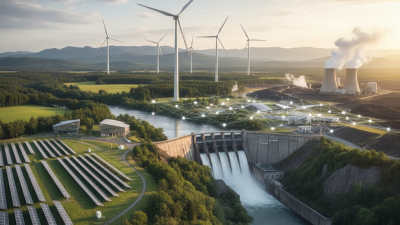
Hey, have you ever looked into Alternative Energy? It’s seriously a growing field these days, and honestly, it’s got so many perks for both us and the planet. As our old-school energy sources start running out, more folks are turning to options like solar, wind, and bioenergy. These renewable alternatives don’t just help cut down our reliance on fossil fuels—they can also save you some cash on energy bills in the long run, which is pretty awesome.
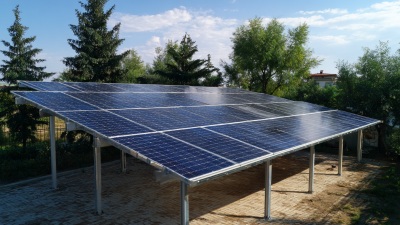
Jumping on the Alternative Energy bandwagon can totally help you live a more sustainable life. If you’re a homeowner, you might consider installing solar panels or even a small wind turbine — I mean, why not make your house more energy-independent? The only catch is, the upfront costs can be a bit intimidating for many, I get it. But, if you look at the long-term savings and benefits for the environment, it’s worth considering. Research definitely shows that homes using alternative energy tend to have lower utility costs over time.
Plus, moving toward this kind of energy can make neighborhoods more resilient too. In emergencies or crises, communities that rely on sustainable energy tend to bounce back faster. As more people become aware of climate change and all that, it’s only natural to think about these solutions. Of course, every option has its own set of challenges—like technical limits or the initial investment. So, it’s pretty important to make informed choices about alternative energy if we wanna build a better future.
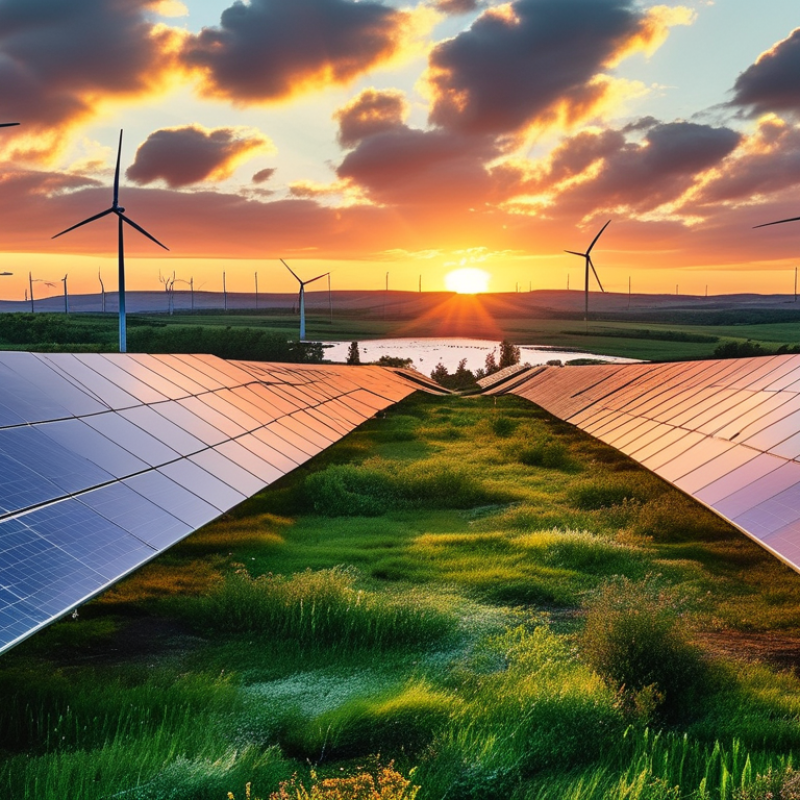
Definition of Alternative Energy and Its Types
Alternative energy refers to energy sources that are alternatives to fossil fuels. These sources are renewable and have a lower environmental impact. Common types include solar, wind, hydro, and geothermal energy. According to the International Energy Agency, Renewable Energy accounted for nearly 30% of global electricity generation in 2021. This number is projected to rise as more countries commit to cleaner energy sources.
Solar energy stands out as one of the most accessible forms. Photovoltaic panels can be installed on homes and businesses. This allows individuals to generate their own electricity. Additionally, wind energy has seen significant advances. In the U.S. alone, wind power capacity has increased by over 25% annually for several years. This rapid growth indicates a shift towards sustainable practices.
However, the uptake of alternative energy isn’t without challenges. Infrastructure requires significant investment. Individuals may also face barriers, such as initial installation costs. Government incentives are essential to alleviate these burdens. Programs emphasizing CE Certification Alternative Energy can enhance the credibility and safety of installations. Industry reports show clear benefits, but stakeholders must navigate these complexities to fully realize potential gains.
Historical Context of Alternative Energy Development
The development of alternative energy has deep historical roots. As early as the 19th century, scientists explored solar and wind power. The industrial revolution heightened the demand for energy. Coal became king, but its environmental costs began to surface. Awareness of pollution propelled interest in cleaner options.
In the mid-20th century, the oil crisis pushed alternative energy into the spotlight. Many nations recognized the volatility of fossil fuels. This period sparked innovative research into biofuels and hydropower. Although initially slow, advancements in technology improved efficiency. Renewable sources began to gain traction, but accessibility remained an issue.
Despite progress, challenges persist. Implementation barriers can stifle growth. Many people still favor traditional energy sources due to habit and comfort. The debate over sustainability and economic feasibility continues. These discussions are vital for fostering a robust energy transition. As global needs evolve, the historical context helps us frame future strategies.
Key Advantages of Using Alternative Energy Sources
Alternative energy sources, like solar or wind, offer several key advantages. They provide a cleaner, sustainable alternative to fossil fuels. According to the International Renewable Energy Agency (IRENA), renewables accounted for 26.6% of global electricity generation in 2018. This figure is expected to rise to over 50% by 2030. This shift improves air quality and reduces greenhouse gas emissions. Transitioning to cleaner energy directly impacts public health and lowers healthcare costs associated with pollution-related illnesses.
Moreover, alternative energy can enhance energy security. Countries relying on imported fossil fuels face vulnerability to price fluctuations and geopolitical tensions. By investing in wind or solar power, nations can reduce dependency on external sources. A report from the U.S. Energy Information Administration highlights that solar power capacity has more than doubled since 2016. Yet, challenges remain, such as intermittency and the need for advancements in storage technologies. As the energy landscape evolves, stakeholders must address these issues to fully harness the benefits of alternative energy.
Benefits of Alternative Energy Sources
This chart illustrates the CO2 emissions reduction potential of various alternative energy sources, highlighting the environmental benefits of adopting renewable energy solutions.
How Alternative Energy Can Reduce Environmental Impact
Alternative energy sources, like solar and wind power, are increasingly crucial in reducing environmental impact. In 2021, renewable energy accounted for 29% of global electricity generation, according to the International Energy Agency (IEA). This trend reflects a significant shift towards cleaner methods of energy production. By relying on resources that replenish naturally, we can decrease greenhouse gas emissions effectively.
The reduction of carbon footprints is vital for tackling climate change. A study by the National Renewable Energy Laboratory indicates that wind and solar energy can cut emissions by up to 80% compared to fossil fuels. This transformation is not just an environmental necessity; it presents an opportunity for Alternative Energy Manufacturers to innovate and respond to the growing demand for sustainable solutions. While this shift is promising, it also exposes challenges, such as the need for extensive infrastructure updates and energy storage solutions.
Transitioning to alternative energy isn’t without its flaws. Some regions still depend heavily on traditional energy sources. This inconsistency can hinder progress. Nevertheless, the commitment to alternative energy not only benefits the planet but also fosters economic growth through job creation in emerging green technologies. The focus remains on creating a balanced approach that meets both environmental and energy needs.
Economic Benefits of Alternative Energy for Consumers
Alternative energy is becoming increasingly vital for consumers seeking cost-effective solutions. Harnessing sources like solar, wind, and hydro can lead to significant savings. Many households are now installing systems to reduce reliance on traditional energy grids. These changes lower monthly bills and create sustainable living environments.
For instance, using a Solar Energy Street Light can illuminate neighborhoods while minimizing energy costs. These lights operate independently, relying solely on solar power. Their low maintenance and durability make them an attractive option for communities. Not only do they contribute to energy savings, but they also enhance safety and improve property values.
While the benefits are clear, the transition can pose challenges. Initial installation costs may deter some homeowners. Additionally, not all regions harness solar energy equally. Consumers need to research and understand their local conditions. This ensures they make informed decisions that match their needs and resources. Engaging with local energy experts can provide tailored solutions. With careful planning, embracing alternative energy can be a rewarding journey.
Challenges and Limitations of Alternative Energy Adoption
Adopting alternative energy offers many benefits, but challenges are significant. One major hurdle is the initial cost. Installing solar panels or wind turbines requires a substantial investment. Many people are unable to afford this upfront expense. Additionally, some regions lack adequate incentives, making Renewable Energy seem less viable.
Infrastructure is another challenge. In many places, existing grids are not equipped to handle renewable energy sources. This often leads to inefficiencies and wasted energy. Public opinion can also be a barrier. Misunderstanding about renewable energy benefits may cause resistance. Some communities are hesitant to change their traditional practices.
Furthermore, there are technical limitations. Renewable energy sources depend heavily on environmental conditions. For instance, solar energy is less effective on cloudy days. Wind energy can be unpredictable. These factors can lead to inconsistent energy supply. Addressing these issues requires collaboration among governments, businesses, and communities. Solutions must be innovative and rooted in reliable research.
Future Trends in Alternative Energy Technology and Usage
The future of alternative energy technology is both promising and complex. According to the International Energy Agency (IEA), renewable energy sources are set to supply nearly 30% of global electricity by 2025. This shift is driven by advancements in solar, wind, and energy storage technologies. The cost of solar power has fallen by over 80% since 2010, making it more accessible to consumers. However, there are challenges to ensure consistent energy supply, particularly with intermittent resources like solar and wind.
Innovations are emerging to address these obstacles. Energy storage solutions, such as advanced batteries, are gaining ground. These systems allow excess energy produced during peak generation times to be stored for later use. Studies by the National Renewable Energy Laboratory (NREL) indicate that improving battery technology could reduce energy costs by 30% by 2030. Yet, skepticism remains about the scalability of these innovations.
Smart grids are also on the rise. They enable efficient energy distribution and help integrate renewable sources into existing systems. A report from the World Economic Forum suggests that smart grid technologies could cut energy consumption by 20% in urban areas. This potential is exciting, but hurdles like infrastructure investment need attention. While the future of alternative energy holds immense possibilities, ongoing dialogue and strategic planning are essential to navigate its complexities.
What is Alternative Energy and How Can It Benefit You? - Future Trends in Alternative Energy Technology and Usage
| Energy Source | Advantages | Disadvantages | Current Trends |
| Solar Energy | Renewable, reduces electricity bills, low maintenance costs | High initial costs, weather-dependent | Increase in solar farms, advancements in photovoltaic technology |
| Wind Energy | Sustainable, reduces greenhouse gas emissions, job creation | Intermittent power, impact on wildlife | Growth in offshore wind farms, technological innovation in turbine design |
| Hydropower | Consistent energy supply, low operational costs | Ecological impact, high initial construction costs | Investment in small-scale hydro projects, modernization of aged facilities |
| Geothermal Energy | Reliable, low emissions, small land footprint | Location-specific, high upfront costs | Expansion in geothermal heat pumps, exploration of enhanced geothermal systems |
| Biomass Energy | Reduces waste, versatile, can be used for heating and electricity | Emissions when burned, requires land | Development of advanced biofuels, integration with waste management |
FAQS
: Alternative energy includes energy sources that replace fossil fuels. These sources are renewable and environmentally friendly.
Common types include solar, wind, hydro, and geothermal energy. Each offers various benefits for sustainability.
In 2021, renewable energy accounted for nearly 30% of global electricity generation. This percentage is expected to rise.
Alternative energy offers cleaner air, lower emissions, and improved public health. It also enhances energy security for countries.
Major challenges include high initial costs and the need for better storage technologies. Infrastructure updates are also critical.
It helps reduce greenhouse gas emissions significantly. For instance, wind and solar can cut emissions by up to 80% compared to fossil fuels.
Government incentives can help reduce upfront costs and encourage the adoption of alternative energy solutions among consumers.
Yes, regions that depend on traditional energy sources can hinder progress. This inconsistency poses a challenge to sustainable goals.
The shift toward green technologies can lead to job creation in new industries focusing on renewable energy development.
Stakeholders need to balance environmental needs with energy security. Addressing infrastructure and technology challenges is essential.
Conclusion
Alternative energy refers to energy sources that are alternatives to traditional fossil fuels, including solar, wind, hydro, and geothermal power. The historical development of alternative energy solutions has evolved from early innovations to modern technologies that significantly contribute to energy independence and sustainability. Utilizing alternative energy offers numerous advantages, such as reducing greenhouse gas emissions and decreasing reliance on finite resources, which is crucial for mitigating climate change.
Additionally, consumers can benefit economically from alternative energy through lower energy bills and job creation in renewable sectors. However, challenges remain, including the initial cost of technology and the need for infrastructure development. Looking ahead, future trends indicate a growing emphasis on advancements in alternative energy technology and expanded usage, reinforcing its role in creating a more sustainable and economically viable energy landscape.