You know, the push for sustainable solutions is really picking up steam as climate change keeps getting worse. I was talking to Dr. Henry Thompson from GreenTech Innovations recently—he’s a Renewable Energy expert—and he emphasized how crucial it is for us to embracealternative energy. Basically, he's saying that switching to cleaner energy sources isn’t just a good idea anymore; it’s urgent if we want to secure our planet’s future.
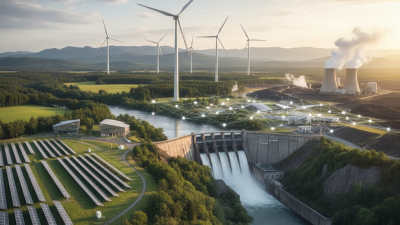
When we talk about Alternative Energy, we're looking at stuff like wind, solar, hydro, and a few other methods. These options can really help cut down our reliance on fossil fuels. Each one has its own pros and cons, though — like, some are easier to implement than others, and issues like storage, costs, and updating infrastructure can be tricky. And let's be honest, not every region has the same resources or can tap into them easily.
The good news? Innovations in alternative energy are actually looking pretty promising. But here’s the thing: lots of projects hit snags when it comes to funding and navigating all the red tape with regulations. Moving forward, it’s gonna take teamwork—governments, businesses, and local communities all need to pitch in. Building a sustainable future isn’t gonna happen overnight, and we’ve got to face these challenges head-on while keeping a close eye on what’s working (and what’s not) in our energy strategies.
Overview of Alternative Energy Sources
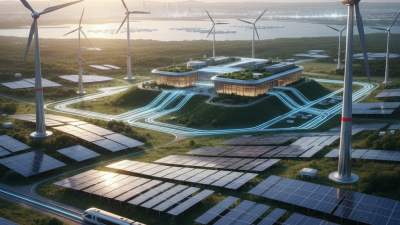
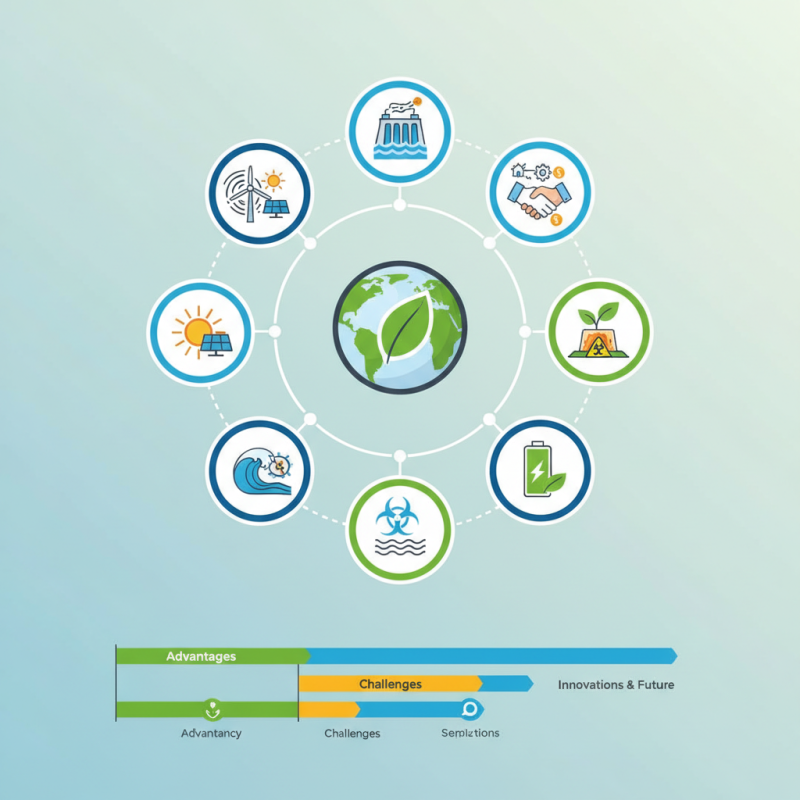
Alternative energy sources are crucial for a sustainable future. These sources include solar, wind, hydroelectric, biomass, and geothermal energy. Each presents unique benefits and challenges. Solar Power harnesses sunlight, which is abundant in many regions. However, solar panels require significant space and can be expensive to install.
Wind energy relies on turbines to convert wind into electricity. It's clean and effective but can disrupt local wildlife and landscapes.
Hydroelectric power generates energy from water flow. While it's sustainable, droughts can hinder its reliability. Biomass utilizes organic materials for energy production. Though it reduces waste, concerns arise regarding land use and emissions.
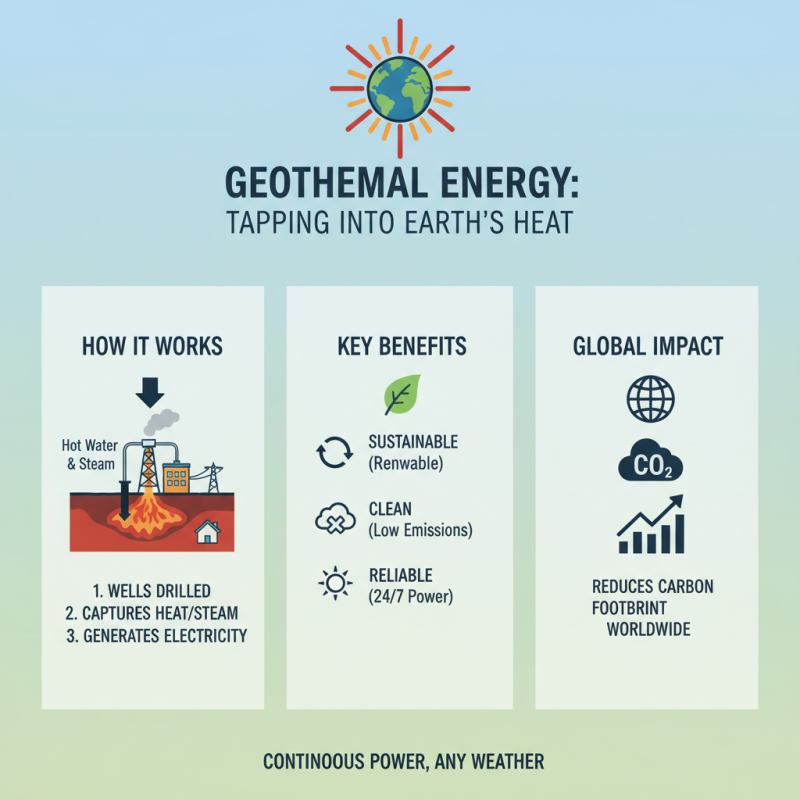
Geothermal energy taps into the Earth's heat. It's a consistent energy source, yet location-dependent. Variability in resource availability poses challenges for all alternative energy sources. These complexities require ongoing research and investment.
Future improvements in technology and policy can enhance the effectiveness of these alternatives. Sustainability is a journey, not a destination. Balancing benefits and drawbacks is essential for long-term solutions. Exploring diverse energy options can lead to a greener planet, but careful consideration is needed.
Solar Energy: Harnessing the Power of the Sun
Solar energy stands out as a leading alternative energy source for sustainable solutions. The sun provides an enormous amount of energy, enough to power the world many times over. According to the International Energy Agency, solar energy could supply nearly 25% of global electricity by 2030, showcasing its incredible potential.
The technology behind solar energy is constantly evolving. Photovoltaic cells convert sunlight directly into electricity, while solar thermal systems capture heat. Data from the U.S. Department of Energy highlights a significant decrease in solar panel costs, which fell by 89% between 2009 and 2020. This affordability makes solar power more accessible for households and businesses alike.
Tips: Consider investing in solar panels for your home. They can lower your utility bills. Research local regulations to ensure compliance, especially regarding CE Certification Alternative Energy standards. While solar power is effective, it is not entirely without challenges. Variability in sunlight can affect energy production, meaning backup systems may be needed. Understanding these factors is crucial for anyone looking to adopt this renewable energy source effectively.
Wind Energy: Capturing Wind for Sustainable Power
Wind energy has emerged as a leading sustainable power source. It harnesses the natural movement of air to generate electricity. Wind turbines convert kinetic energy into mechanical energy, producing clean power. These towering structures can be seen in various landscapes, often grouped in large wind farms. They offer a striking visual reminder of our shift towards greener energy solutions.
While wind energy holds great promise, there are challenges to consider. The efficiency of wind turbines depends on consistent wind patterns. In some areas, wind speeds may fluctuate drastically, impacting energy production. Additionally, the construction of wind farms can disrupt local ecosystems. Environmental assessments are crucial before installation.
Alternative Energy Manufacturers play a vital role in advancing wind technology. They continuously develop innovative solutions to enhance turbine efficiency. However, there’s still room for improvement. Ensuring minimal ecological impact while maximizing energy output is a key challenge. Ongoing research aims to address these issues, focusing on smarter designs and better materials. This evolving field holds substantial potential for a sustainable future.
Hydropower: Utilizing Water Flow for Electricity Generation
Hydropower harnesses the energy of flowing water. It transforms the kinetic energy of rivers and streams into electricity. This form of renewable energy is not only efficient but also sustainable. Water flow creates a constant source of power. Dams, rivers, and ocean tides become essential in energy generation.
However, hydropower is not without challenges. Building dams can disrupt local ecosystems. Fish migration paths may be blocked. These impacts can lead to biodiversity loss. Furthermore, the dependence on water levels introduces variability. Droughts or changes in rainfall can jeopardize energy production.
Despite these issues, hydropower remains a key player in the renewable sector. Many countries invest heavily in this technology. Educating communities about the pros and cons is essential. Public perception can influence future projects. An informed society can better balance energy needs with environmental protection.
Biomass Energy: Organic Materials as Renewable Resources
Biomass energy is an exciting form of Renewable Energy. It comes from organic materials like plants, wood, and agricultural waste. This method uses materials that would otherwise go to waste. It transforms these resources into usable energy. For many communities, it offers a local solution to energy needs.
However, biomass energy has its challenges. Not all biomass is created equally. The source matters. If forests are cut down unsustainably, it harms biodiversity. Competition for land between food crops and energy crops can also arise. These complexities highlight the need for careful planning and policy.
Using biomass effectively requires innovation and research. We need to develop better technologies for conversion. There are still improvements to be made. Our approach should balance energy production and environmental impact. This will ensure biomass can play a vital role in our renewable energy future.
Tidal and Wave Energy: Marine Sources for Power Generation
Tidal and wave energy are promising marine sources for sustainable power generation. They harness the ocean's natural rhythms, converting kinetic and potential energy into electricity. According to the International Energy Agency (IEA), tidal energy has the potential to generate up to 3,000 terawatt-hours worldwide annually. This figure illustrates the vast possibilities within marine energy.
In coastal regions, tidal energy installations can offer reliable and predictable energy. For instance, the flow of tides can produce electricity consistently, unlike other renewable sources that depend on weather patterns. Wave energy, on the other hand, is abundant, especially in areas with high wave activity. It holds the potential to power millions of homes.
**Tip:** Explore local projects in your area. Community engagement can spark interest in marine energy initiatives.
However, the deployment of tidal and wave technology faces challenges. The high costs of initial investment and technology development remain significant hurdles. Moreover, potential environmental impacts on marine ecosystems necessitate careful consideration. Regulatory frameworks often lag behind technological advancements, limiting growth.
**Tip:** Stay informed about marine energy updates. Knowledge about permitting processes can lead to better project proposals.
Incorporating tidal and wave energy into the energy mix offers exciting opportunities. But stakeholders must weigh the benefits against environmental concerns. Emphasizing research and development is crucial to overcoming obstacles in this emerging field.
Top 10 Alternative Energy Sources for Sustainable Solutions
Conclusion
Alternative energy sources are critical in the quest for sustainable solutions to meet our growing energy demands while minimizing environmental impact. This article explores various alternative energy options, starting with solar energy, which harnesses sunlight for electricity. Wind energy captures the natural movement of air, converting it into a reliable power source. Hydropower relies on flowing water to generate electricity, while geothermal energy taps into the Earth's internal heat. Biomass energy makes use of organic materials as renewable resources. Lastly, tidal and wave energy presents innovative ways to harness marine forces for power generation. Emphasizing the importance of alternative energy, these sources collectively pave the way for a cleaner, more sustainable future.