Lately, people have been talking a lot more about Alternative Energy and all the possibilities it offers. You know, as traditional fossil fuels keep running out and take a toll on our environment, exploring sustainable energy sources has never been more important. When we say 'alternative energy,' we're talking about a bunch of different options—like solar, wind, hydro, geothermal, and biomass—that are renewable and better for our planet. Not only do these options help solve energy shortages, but they also give us a way to cut down on our carbon footprint.
There's a lot to gain from switching over to alternative energy. For example, Solar Panels, wind turbines, hydroelectric dams—they all provide cleaner ways to produce power and can really help slow down climate change. Plus, jumping on this bandwagon lines up perfectly with global goals for a greener future. It supports economic growth too, while keeping our environment safe. As communities everywhere aim to meet their energy needs without wrecking the planet, understanding the different kinds of alternative energy and how they help us is super important. If we take the time to learn about and invest in these solutions, we’re paving the way for a future that's not just sustainable but also more innovative and responsible when it comes to the environment.
Definition of Alternative Energy and Its Importance
Alternative energy refers to any energy source that is different from conventional fossil fuels like coal, oil, and natural gas. Its significance lies in its capacity to provide cleaner, renewable options that can help mitigate environmental issues such as climate change and air pollution. According to the International Energy Agency (IEA), Renewable Energy accounts for nearly30% of the world's total electricity generation as of 2021, highlighting a paradigm shift towards a more sustainable energy landscape.
The primary types of alternative energy include solar, wind, hydroelectric, geothermal, and biomass energy. Each of these sources presents unique benefits: for instance, solar energy has seen a reduction in costs by over 80% since 2010, making it one of the most accessible forms of energy available today. Moreover, wind energy's growth has contributed to a significant drop in greenhouse gas emissions, estimated at 800 million tons annually, according to the Global Wind Energy Council. This transition to alternative energy not only supports environmental sustainability but also fosters energy independence and economic stability, promising a resilient future.
Types of Alternative Energy Sources: An Overview
Alternative energy refers to sources of energy that are more sustainable and environmentally friendly compared to traditional fossil fuels. Key types of alternative energy include solar, wind, hydroelectric, geothermal, and biomass energy. According to the International Renewable Energy Agency (IRENA), as of 2022, renewable energy made up about 29% of global electricity production, reflecting a dedicated shift towards cleaner energy modalities.
Solar energy harnesses the power of the sun, with photovoltaic and thermal technologies converting sunlight into electricity and heat. The National Renewable Energy Laboratory (NREL) reports that the capacity of solar energy installations in the United States alone reached over 100 gigawatts in 2023, underscoring its growing importance as a mainstream energy source. Wind energy, another pillar of alternative energy, has seen significant advancements, with onshore and offshore wind farms now generating substantial amounts of electricity. In 2021, wind power contributed over 8% of the total electricity generation in the U.S., according to the U.S. Energy Information Administration (EIA).
Hydroelectric energy utilizes the flow of water to generate electricity, often providing a reliable and consistent source of power. It accounted for roughly 16% of global electricity production in 2022, as stated by the World Energy Council. Geothermal energy, derived from the Earth's internal heat, represents a reliable energy source and is particularly effective in regions with volcanic activity. Biomass energy, sourced from organic materials, also offers a way to utilize waste materials for energy generation. Together, these alternative energy sources play a crucial role in reducing carbon emissions and promoting sustainability, paving the way for a greener future.
Solar Energy: Harnessing Power from the Sun
Solar energy is a powerful and renewable resource that harnesses the energy emitted by the sun, significantly contributing to a sustainable future. With advancements in photovoltaic technology, we can convert sunlight directly into electricity, enabling homes and businesses to reduce their dependence on fossil fuels. Solar panels, typically installed on rooftops or in solar farms, capture sunlight and convert it into usable energy, thereby decreasing greenhouse gas emissions and fostering cleaner air.
Harnessing solar energy not only promotes environmental benefits but also offers economic advantages. The decreasing cost of solar installation, coupled with government incentives, makes solar energy an increasingly viable option for many consumers. Furthermore, by utilizing solar power, individuals and communities can achieve energy independence, shielding themselves from fluctuating energy prices. As more people recognize the value of solar energy, it paves the way for innovations that will drive further developments in clean energy solutions, ultimately aiming for a sustainable and resilient energy future.
This bar chart illustrates the growth of solar energy production over the years from 2019 to 2023, highlighting the increasing contributions of solar power to the overall energy landscape for a sustainable future.
Wind Energy: Capturing Wind for Electricity
Wind energy has emerged as one of the most promising sources of alternative energy, harnessing the natural power of the wind to generate electricity. According to the Global Wind Energy Council (GWEC), as of 2022, the installed global wind power capacity exceeded 900 GW, marking a substantial increase from previous years. This growth is not merely a trend but a critical component of a sustainable energy portfolio aimed at reducing reliance on fossil fuels and addressing climate change. Wind energy is touted for its low operating costs and minimal environmental impact. A study by the National Renewable Energy Laboratory (NREL) suggests that transitioning to wind energy could save the U.S. economy over $7 billion annually in environmental and health costs.
Tips for Harnessing Wind Energy:
1. Location Matters: When considering wind energy solutions, look for locations with consistent and strong wind patterns. Wind maps can be helpful tools in identifying the best sites for wind turbines.
2. Invest in Technology: Advancements in turbine technology have made wind energy more efficient than ever. Staying updated on the latest innovations can make a significant impact on energy output and overall project feasibility.
The integration of wind energy into the energy mix not only promotes cleaner air and reduced carbon emissions but also creates job opportunities in manufacturing, installation, and maintenance of wind systems. As the sector continues to grow, it is clear that wind energy will play a crucial role in crafting a sustainable future, paving the way for lower energy costs and enhanced energy independence.
Hydropower: Renewable Energy from Water Flow
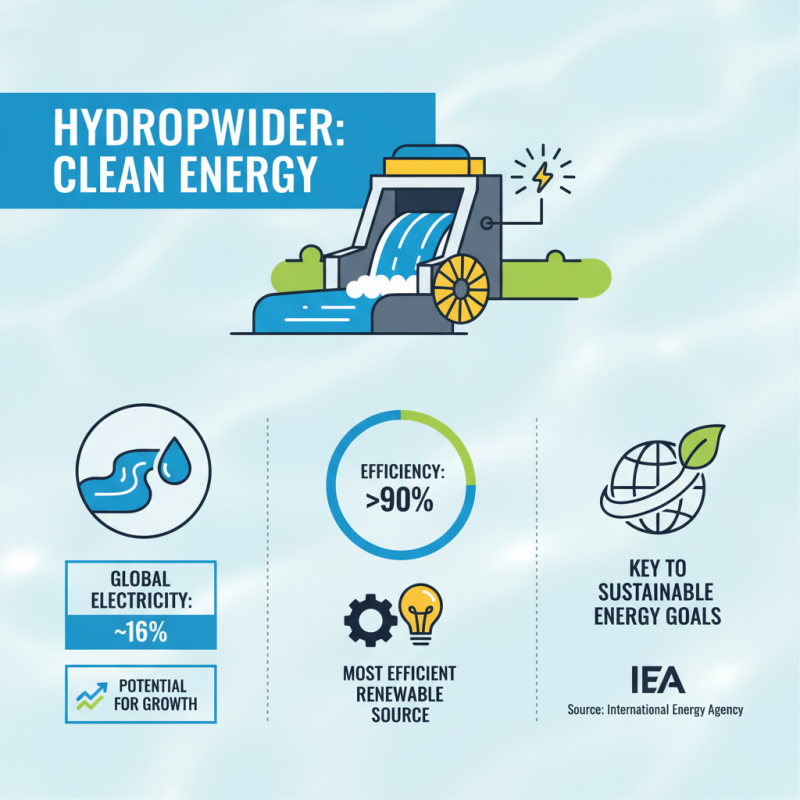
Hydropower, a leading form of renewable energy, harnesses the energy generated by flowing or falling water to produce electricity. According to the International Energy Agency (IEA), hydropower accounts for about 16% of the world’s electricity generation and has the potential to increase significantly as countries pursue sustainable energy goals. The efficiency of modern hydropower plants can exceed 90%, making it one of the most efficient energy sources available.
The benefits of hydropower are numerous, particularly in terms of sustainability. It produces no greenhouse gas emissions during operation, playing a crucial role in reducing carbon footprints globally. A report by the United Nations found that expanding hydropower capacity could lead to a reduction of up to 2.4 gigatons of CO2 emissions each year by 2040 if the right policies and investments are applied. Moreover, hydropower plants can provide essential water storage for irrigation and flood control, thereby supporting agricultural resilience in a changing climate. As nations look to transition to cleaner energy sources, hydropower stands out for its dual ability to generate electricity and bolster water resource management.
Biomass and Biofuels: Organic Materials as Energy Sources
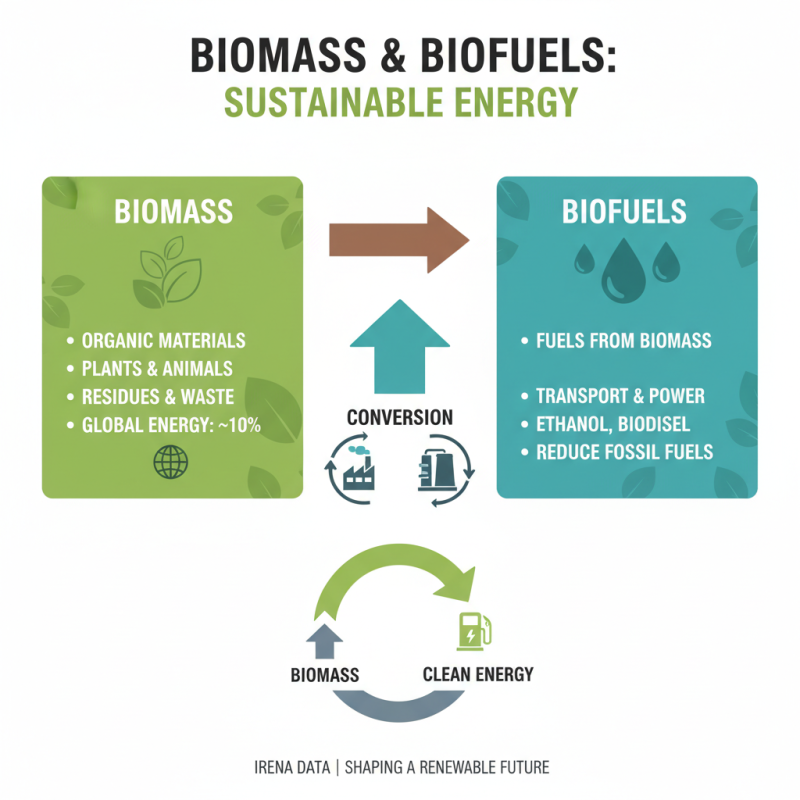
Biomass and biofuels have emerged as vital components of the alternative energy landscape, leveraging organic materials to create sustainable energy sources. Biomass refers to any organic matter derived from plants and animals, while biofuels are fuels produced directly from these organic materials. According to the International Renewable Energy Agency (IRENA), biomass accounts for an estimated 10% of the world’s total primary energy consumption, making it a significant player in the transition to renewable energy systems.
The benefits of utilizing biomass and biofuels are multifaceted. Firstly, they provide a renewable energy source that can help reduce dependency on fossil fuels, contributing to lower greenhouse gas emissions—an essential factor in combating climate change. For instance, a study by the U.S. Department of Energy indicates that replacing fossil fuels with biomass can lead to significant reductions in carbon dioxide emissions, potentially cutting emissions by as much as 80% across various sectors. Additionally, the use of agricultural residues and municipal waste for energy production not only promotes waste management but also supports local economies by creating jobs in bioenergy production and processing.
Moreover, the versatility of biomass allows for various applications, ranging from electricity generation to heating and transportation fuels. In 2021, biofuels alone contributed approximately 3% of the total energy supply in the United States, with projections indicating growth as advancements in technology improve production efficiency and reduce costs. These advancements are crucial in realizing the full potential of biomass and biofuels in achieving a sustainable energy future.
The Environmental Benefits of Alternative Energy Solutions
Alternative energy encompasses a range of renewable energy sources that provide an eco-friendly alternative to traditional fossil fuels. The transition to these sources, such as solar, wind, and hydroelectric power, brings about significant environmental benefits. By reducing reliance on fossil fuels, alternative energy solutions help minimize greenhouse gas emissions, a leading contributor to climate change. Moreover, harnessing renewable resources helps conserve natural ecosystems that are often disrupted by fossil fuel extraction and usage.
Tip: Consider implementing small-scale alternative energy solutions in your home, such as solar panels or energy-efficient appliances, to contribute to a more sustainable future. Even minor changes can significantly reduce your carbon footprint.
Additionally, alternative energy reduces air and water pollution, providing cleaner air for communities and healthier habitats for wildlife. This creates a ripple effect of benefits, enhancing biodiversity and allowing ecosystems to thrive. With innovation driving improvements in renewable technologies, the long-term economic benefits become increasingly evident, as they can lead to job creation in the green sector and foster energy independence.
Tip: Get involved in local sustainability initiatives or community solar projects that promote the use of alternative energy. Community efforts not only amplify the impact of individual contributions but also foster awareness and education around sustainable practices.
What is Alternative Energy? Understanding Its Types and Benefits for a Sustainable Future
| Type of Alternative Energy | Sources | Environmental Benefits | Potential Impact |
| Solar Energy | Sunlight | Reduces greenhouse gas emissions, decreases reliance on fossil fuels. | Potentially powers millions of homes globally. |
| Wind Energy | Wind | Minimizes air pollutants, sustainable over long periods. | Can significantly reduce carbon footprint in energy generation. |
| Hydropower | Water flow | Conserves biodiversity, prevents land degradation. | Offers a stable energy source with low emissions. |
| Geothermal Energy | Earth's heat | Reduces carbon emissions and environmental disruption. | Can provide continuous energy supply, unlike solar and wind. |
| Biomass Energy | Organic materials | Helps reduce waste, lowers greenhouse gas emissions when managed sustainably. | Balances carbon cycle by using waste products for energy. |
FAQS
: Wind energy is a renewable energy source that harnesses the natural power of the wind to generate electricity. It is considered promising due to its potential to reduce reliance on fossil fuels, address climate change, and provide low operating costs and minimal environmental impact.
By 2022, the installed global wind power capacity exceeded 900 GW, marking a significant increase in its adoption as a sustainable energy solution.
The effectiveness of wind energy solutions highly depends on location, particularly in areas with consistent and strong wind patterns. Wind maps can help identify optimal sites for installing wind turbines.
Hydropower is a leading renewable energy source with benefits including high efficiency (over 90%), no greenhouse gas emissions during operation, and the capability to support water storage for irrigation and flood control, thereby aiding in agricultural resilience.
Expanding hydropower capacity can significantly reduce global CO2 emissions, with a potential decrease of up to 2.4 gigatons per year by 2040 through proper policies and investments.
Biomass and biofuels are crucial for the transition to renewable energy, leveraging organic materials for energy production, which helps reduce dependence on fossil fuels and lower greenhouse gas emissions.
Biomass accounts for approximately 10% of the world’s total primary energy consumption, making it a key player in the renewable energy transition.
Utilizing biomass can lead to significant reductions in carbon dioxide emissions, potentially up to 80%, while also promoting waste management and supporting local economies through job creation in bioenergy production.
Biomass can be applied in various sectors including electricity generation, heating, and transportation fuels, showcasing its versatility as a renewable energy source.
In 2021, biofuels contributed approximately 3% of the total energy supply in the United States, with expectations of growth as technology advances improve production efficiency and lower costs.
Conclusion
Alternative energy refers to energy sources that are alternatives to fossil fuels, playing a crucial role in promoting sustainability and reducing environmental impacts. The article outlines the significance of alternative energy, highlighting various types such as solar, wind, hydropower, and biomass. Each source harnesses natural processes to generate electricity or fuel, contributing to a cleaner energy landscape.
Solar energy captures sunlight, converting it into usable power, while wind energy utilizes air movement to produce electricity. Hydropower harnesses the flow of water, and biomass offers organic materials as energy sources. These alternatives not only provide renewable energy but also deliver substantial environmental benefits by reducing greenhouse gas emissions and decreasing reliance on finite resources, ultimately aiding in the transition towards a more sustainable future.