In the fast-changing world of manufacturing these days, keeping Road Safety front and center is more important than ever. I was reading what Dr. John Smith, a well-known expert in the field, mentioned—he said, 'Getting the right certification can really boost safety and help cut down on accidents.' His words highlight just how crucial it is for factories to go after those strict CE certifications.
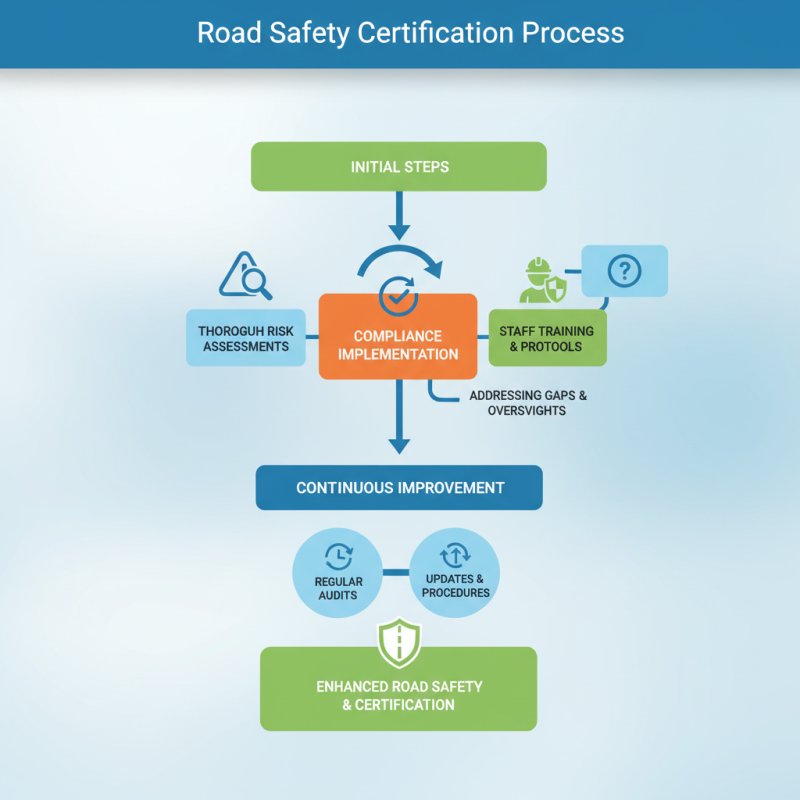
Getting the best CE certification isn’t just a matter of ticking boxes. It’s about really understanding what standards you need to meet. Factories should put solid measures in place—things like detailed risk assessments and making sure all staff are trained on proper Road Safety protocols. But honestly, a lot of companies miss some gaps in their safety practices, which can be pretty risky.
And don’t forget, safety isn’t a one-and-done deal. It’s an ongoing process. You can’t just get certified once and then forget about it. Regular check-ups, audits, and updates to safety procedures are key — that’s the only way to genuinely step up Road Safety and keep everyone protected.
CE certification plays a crucial role in ensuring road safety in factories. This certification indicates compliance with European safety standards. It instills confidence in customers about product safety. Factories must follow specific guidelines to obtain it. The process can be complex and challenging.
Understanding the requirements for CE certification is essential. It involves rigorous testing and documentation. Factories must conduct risk assessments and quality checks. An experienced team can help streamline this process. However, it’s not always perfect. Many factories face difficulties in meeting standards consistently. Regular audits can reveal weaknesses.
Achieving CE certification is not just about compliance. It reflects a commitment to safety. The certification can improve a factory's reputation. However, complacency can lead to oversights. Continuous learning and adaptation are key. Factories must remain vigilant and proactive in their safety practices.
Identifying the right standards for obtaining CE certification in road safety is crucial for factories. CE certification ensures that products meet European safety standards. According to the European Commission, compliance with these standards can reduce workplace accidents by up to 30%. This statistic underlines the importance of proper certification.
To achieve the best certification, factories must first understand the applicable standards. EN 1317 is a key standard for road restraint systems. It covers design and testing for safety barriers. Additionally, EN 12675 focuses on Roadside Safety features. These standards guide factories in developing safe products.
**Tips:** Perform a thorough analysis of your operations. Identify safety risks in your factory. Regular audits can help spot potential issues early on. Industrial safety experts can also provide valuable insights.
Investing in CE certification is not just about compliance. It builds trust with customers and stakeholders. However, many factories still struggle with adapting to these standards. Continuous education and training for employees are vital. Workshops and seminars can enhance their understanding of road safety standards.
| Standard | Description | Region | Certification Body | Validity Period |
|---|---|---|---|---|
| EN 1317 | Road restraint systems, impact performance testing | Europe | European Committee for Standardization | 5 years |
| ISO 39001 | Road traffic safety management systems | Global | International Organization for Standardization | 3 years |
| EN 14067 | Performance of road traffic signs | Europe | European Committee for Standardization | 5 years |
| IEC 61508 | Functional safety of electrical/electronic systems | Global | International Electrotechnical Commission | 5 years |
| BS EN ISO 9001 | Quality management systems – Requirements | Global | British Standards Institution | 3 years |
Preparing for CE certification assessment requires careful planning. Start by reviewing the specific safety standards applicable to your factory. Gather all relevant documentation. This includes safety manuals, compliance records, and employee training logs. Make sure your processes align with CE Certification Safety Road Safety guidelines.
Next, conduct a comprehensive risk assessment. Identify potential hazards within your facility. Assess the equipment used, worker safety protocols, and emergency response procedures. Document any areas needing improvement. Engage staff in discussions about safety practices. Encourage them to share concerns and suggestions.
Regular mock assessments can help identify gaps. Share findings with the team. Open dialogue fosters a culture of safety. Reflect on the lessons learned from each assessment. Improvement is continuous; strive for compliance while being realistic about current practices. Ensure everyone understands their roles in maintaining road safety within the factory.
Conducting a self-assessment for CE compliance is essential for factories focusing on road safety. A comprehensive self-assessment helps identify gaps between current practices and CE standards. According to a report from the European Commission, around 35% of factories fail to meet these standards initially. Identifying these shortcomings early can save significant costs later.
To conduct an effective self-assessment, begin by reviewing internal processes. Evaluate documentation related to safety measures and employee training. Check if safety equipment meets CE regulations. This process reveals that many factories overlook minor but critical details. For instance, proper labeling is often neglected. This oversight can lead to compliance issues.
Utilizing software tools can streamline the assessment process. These tools often highlight non-compliance areas. However, relying solely on technology might not capture every nuance. Human insight is essential. Staff should be involved in discussions. Engaging them could uncover unique perspectives and potential blind spots. Regular feedback loops are vital to continuously improve the safety culture in your factory.
When choosing a Notified Body for CE certification, consider their expertise in your industry. Road safety manufacturers must ensure that their chosen body understands the specific requirements of safety regulations. Finding a partner with relevant experience can significantly impact your certification process.
Tips: Look for a Notified Body that has a proven track record. Check their past projects and reviews. This helps in understanding their reliability. Communication is essential. Ensure they provide clear guidelines and respond promptly to your inquiries. This can save time and prevent confusion later.
Also, think about the location of the Notified Body. Proximity can facilitate easier communication and faster inspections. However, do not overlook their qualifications. Sometimes, a remote body might offer better expertise. Ensure they can adapt to your unique production processes. This can make a difference when addressing specific challenges in safety standards.
Taking time to analyze these factors is crucial. Rushing into a decision can lead to difficulties down the line. In the realm of Safety Road Safety Manufacturers, making an informed choice pays off.
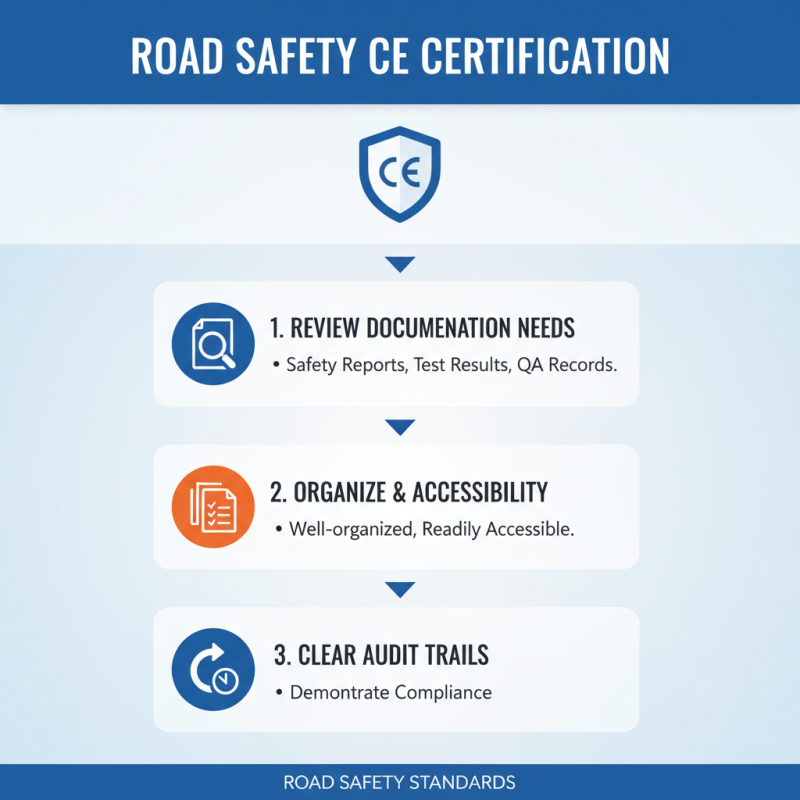
When pursuing CE certification for road safety, gathering required documentation is crucial. Start by reviewing what specific documents you need. This might include safety reports, test results, and quality assurance records. Ensure all documentation is well-organized and readily accessible. Audit trails should be clear, demonstrating compliance with safety standards.
Consider conducting a thorough assessment of your existing documentation. You might discover gaps in required evidence. For instance, you may lack recent test reports or proof of staff training. Identifying these issues early can save you time. Engage your team in this process. Their insights could highlight additional needs.
Bear in mind that different Safety Road Safety Manufacturers may have varying documentation requirements. So, staying informed about current standards is essential. Regularly update your records to reflect ongoing compliance efforts. This proactive approach can strengthen your application. Ultimately, thorough documentation is key for successful certification.
Achieving CE certification is just the first step. Maintaining compliance is a continuous journey for factories focused on Road Safety. Regular internal audits are crucial. Many companies overlook them. According to a recent industry report, about 30% of factories fail compliance audits due to inconsistent processes. Consistency is key in adhering to regulations.
Continuous Improvement should be part of the factory culture. For instance, training staff regularly can significantly enhance workplace safety. One study found that enhanced training reduced workplace accidents by 40%. It's not just about meeting standards; it's about exceeding them. Engaging employees in safety discussions helps identify potential risks. Many workers have insights that can be overlooked.
Practical changes can lead to substantial benefits. For instance, updating machinery or investing in better safety gear can mitigate risks. However, many factories lag in adopting new technologies. This resistance can prevent growth. Regularly reviewing safety protocols helps identify areas needing improvement. Constant vigilance is essential to ensure a strong Road Safety culture.
: The service aims to assist individuals in personal development. It focuses on enhancing skills and achieving goals.
You can sign up easily through the website. Registration requires basic information, like name and email.
Some features are free, but others may require a fee. It’s best to check the specific details on the website.
Customer support is accessible via email or phone. Responses may take time; patience is encouraged.
Yes, the service is mobile-friendly. You can access it on most smartphones or tablets.
Outcomes can vary based on individual effort. There are no guarantees, but many find value in their experiences.
The service prioritizes user privacy. Personal information is kept secure and not shared without consent.
Yes, subscription cancellation is straightforward. Follow the provided instructions, but consider the timing for effective service use.
Technical issues can occur. Contact support for help, but responses may not be instantaneous.
Some options for community interaction exist. Engaging with others can enhance learning, but it’s not required.
Obtaining CE certification for Road Safety in your factory is essential to ensure compliance with European regulations and to enhance the safety of products used on roads. This process begins with understanding the significance of CE certification and identifying the relevant standards that specifically target road safety. Preparing your factory for an assessment involves conducting a thorough self-assessment to ensure adherence to these standards.
Choosing the right notified body for the certification process is crucial, as they will guide you through the evaluation and certification stages. Collecting the necessary documentation and evidence is vital for proving compliance. Once certified, maintaining compliance and focusing on continuous improvement practices will not only aid in adhering to safety regulations but also bolster your factory's reputation in the market, ultimately contributing to enhanced Road Safety.