With wildfires happening more often and getting more intense, having good Forest Fire Detection methods is more important than ever. Did you know that in 2020 alone, over 58,000 wildfires swept across the U.S., scorching almost 10.3 million acres? That’s pretty alarming and really highlights just how much we need new tech to combat these fires. Companies like FLIR Systems and DroneDeploy are doing some cool stuff—using thermal imaging and drones to spot fires faster and more accurately.
Still, we're not quite there yet. Traditional ways of detecting fires often mean delays in response, and they just can’t cover everything, especially in remote spots. Sadly, some fires go totally unnoticed until they’ve gotten out of control, which can lead to real disasters. That’s where AI and machine learning come into play—they could totally change the game. But, not all these new systems are perfect; some still give false alarms or get thrown off by the environment.
Investing in better solutions is definitely the way to go. Experts say the market for fire detection tech might hit around $7 billion by 2026. But, there’s still a big concern about whether everyone has access to these innovations, especially in less developed areas. So yeah, while we’ve made some progress, there’s a lot more work to do to make sure Forest Fire Detection is quick, reliable, and accessible everywhere.
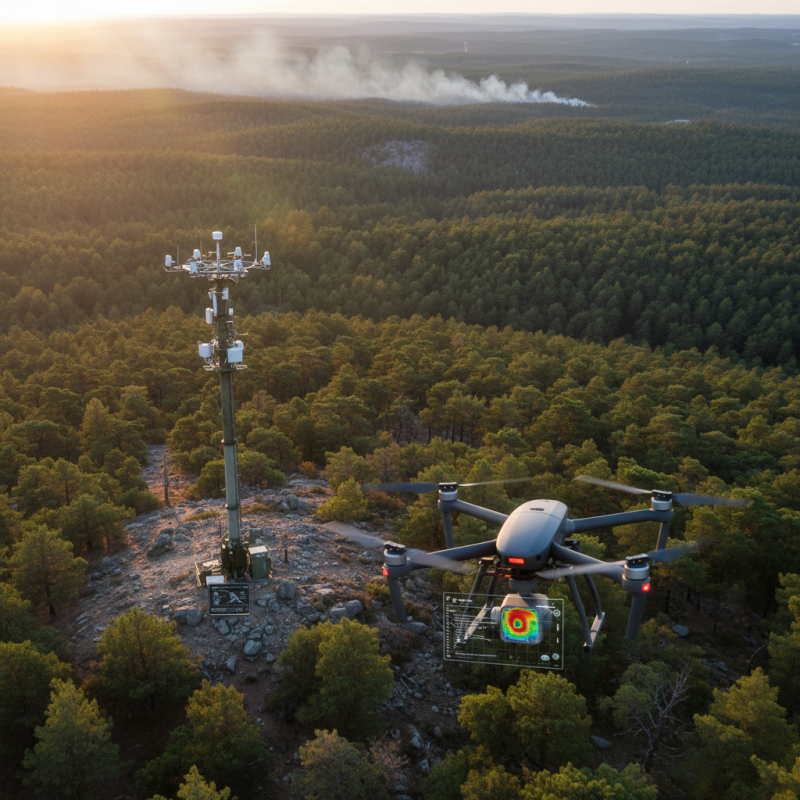
Forest fires pose a significant risk to ecosystems and communities. Timely detection is crucial to preventing extensive damage. Various technologies and methods are emerging to enhance forest fire detection. These innovations show promise, but they also come with limitations.
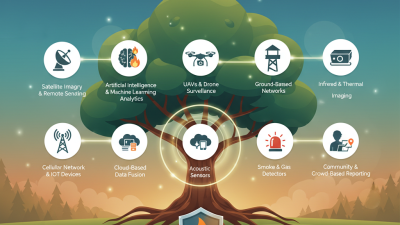
Remote sensing through satellites and drones provides broad surveillance. These systems can spot heat anomalies from afar. However, they require clear weather conditions. Ground-based systems often use cameras and sensors to monitor specific areas. These can quickly identify flames or smoke, but they might miss smaller fires. Regular maintenance is essential for ensuring effectiveness.
Integration of artificial intelligence improves response times. Algorithms can analyze data and predict fire behavior. Yet, reliance on technology can lead to complacency. Training personnel to interpret data accurately remains vital. The adoption of CE Certification Forest Fire Detection ensures these technologies meet safety standards. Ultimately, a multi-faceted approach is necessary to enhance fire detection and response strategies in forestry.
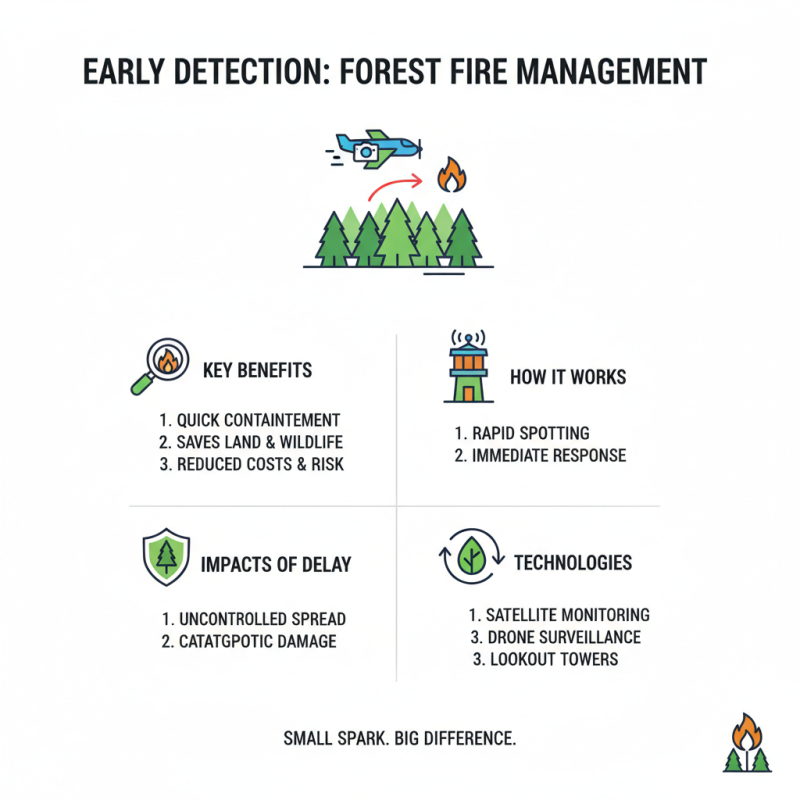
Early detection plays a vital role in managing forest fires. When fires are spotted quickly, they can be contained before spreading. This can save vast amounts of land and wildlife. Accurate detection reduces the costs of firefighting and enhances safety for nearby communities. Without proper methods, a small spark can grow into a massive inferno.
Technologies for detecting forest fires have advanced significantly. Remote sensing and aerial surveillance are key methods. These technologies can spot heat signatures and smoke quickly. However, not all areas are covered equally. Some remote regions may still lack adequate detection. Forest Fire Detection Manufacturers must address these gaps. Investing in new technologies can enhance coverage and effectiveness.
Human monitoring remains crucial. Community involvement in spotting fires can act as an additional layer of safety. Educating locals on signs of fires is essential. Sometimes, official detection systems fail to notice emerging fires. This is where local awareness can make a big difference. Improvements in training for volunteers could bolster this effort. Despite advancements, the challenge of timely detection persists. It remains an area for reflection and growth in forest fire management.
Detecting forest fires early is critical. Traditional methods have been used for decades, but they have limitations. Ground patrols and lookout towers are common. However, both require significant manpower and may miss fires in remote areas. According to a report by the National Fire Protection Association, human observation can lead to delayed responses.
Thermal imaging is another method. It detects heat changes in the environment. Yet, it can be costly and dependent on weather conditions. In a study by the U.S. Forest Service, about 30% of fires go undetected in densely forested regions. This highlights a major flaw in relying solely on traditional strategies.
Education and community involvement are essential. Local residents can act as the first line of defense. However, not everyone is trained to identify smoke or flames accurately. Misjudged signs can lead to false alarms, wasting resources. Emphasizing training and awareness in communities should be a priority. Improved traditional methods are necessary, but they alone cannot prevent forest fires effectively.
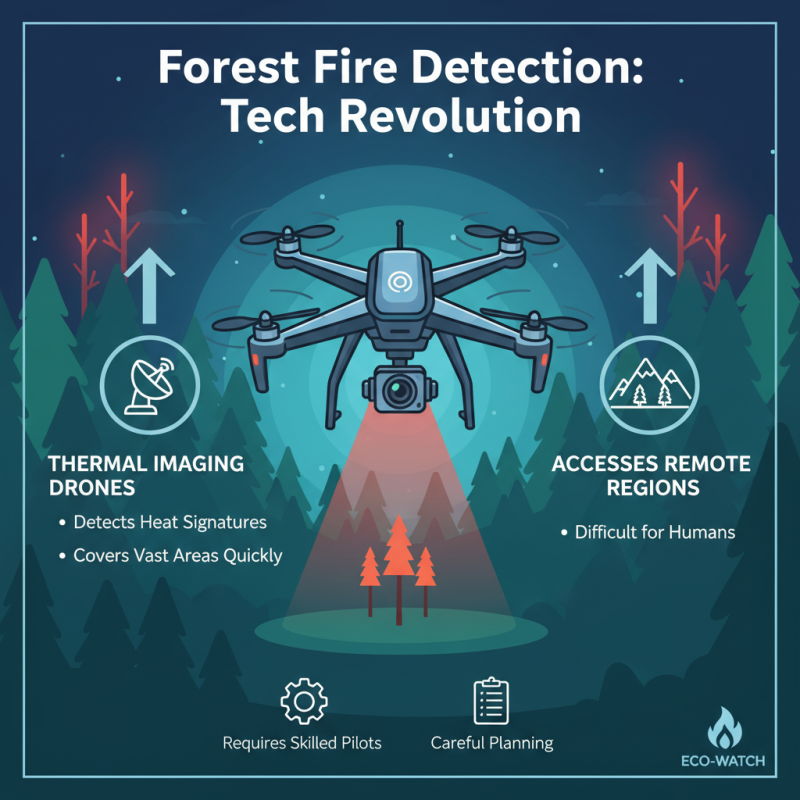
Emerging technologies in forest fire detection are reshaping how we protect our ecosystems. Drones equipped with thermal imaging are becoming essential tools. These devices can cover vast areas quickly. They detect heat signatures that indicate potential fires. Drones can access remote regions that are hard for humans to reach. However, their operation requires skilled pilots and careful planning.
Satellite monitoring offers another futuristic approach. Satellites can scan large swathes of forested land. They rely on artificial intelligence to analyze data. High-Quality Forest Fire Detection can thus be enhanced through satellite imagery. Nevertheless, data interpretation can be tricky. False alarms may occur, leading to wasted resources and skepticism among forest managers.
In addition, IoT sensors are being integrated into forest management systems. These sensors collect real-time data on humidity, temperature, and environmental conditions. They can trigger alerts before a fire starts. Yet, these systems can be vulnerable to connectivity issues. Their effectiveness relies on stable networks. Continuous improvement in these technologies is vital, addressing current limitations and enhancing response times.
Remote sensing and satellite monitoring have become essential for detecting forest fires. These technologies give us a bird’s-eye view of vast landscapes. They provide real-time data to identify hotspots. High-resolution images can show smoke plumes and heat signatures. This helps us understand fire behavior quickly. Yet, tracking down all fires remains a challenge.
Data from satellites can often miss smaller fires. They may blend into larger heat areas. The accuracy of detection can vary greatly. These limitations highlight the need for improvement. Forest Fire Detection Manufacturers are continuously working to enhance these technologies. Combining satellite data with ground-based sensors might be a solution. Ground teams can verify findings, giving a clearer picture of the situation.
Moreover, weather conditions can affect satellite monitoring. Clouds can obstruct views. Smoke can also distort infrared sensors. This shows that while technology advances, it’s not foolproof. We should embrace these innovations while recognizing their shortcomings. Understanding the balance between technology and real-world challenges is crucial. It’s a partnership between advanced tools and human oversight to truly manage fire risks in forests.
| Technology/Method | Description | Advantages | Disadvantages | Detection Range |
|---|---|---|---|---|
| Satellite Monitoring | Using satellites equipped with thermal imaging to spot fires from space. | Wide area coverage, real-time data. | High cost, dependency on weather conditions. | Up to 100 km. |
| Aerial Surveillance | Using drones and planes for real-time aerial monitoring. | Flexibility, can provide immediate feedback. | Limited flight time, affected by air traffic regulations. | Up to 50 km. |
| Ground Sensors | Using sensors placed on the ground to detect heat and smoke. | Low operational cost, high sensitivity. | Limited coverage area, maintenance required. | Up to 5 km. |
| Remote Sensing from Ground | Using remote sensing technology on the ground for real-time data analysis. | High precision, good for localized fires. | Requires significant technical knowledge. | Up to 20 km. |
| Thermal Imaging Cameras | Using infrared cameras to detect heat patterns associated with fire. | High accuracy, can function in complete darkness. | Costly equipment, requires trained personnel. | Up to 10 km. |
The integration of artificial intelligence (AI) in fire detection systems is transforming wildfire management. A recent report indicates that AI can improve detection accuracy by up to 90%. Traditional methods often struggle with false alarms. AI reduces these errors significantly. This technology uses algorithms to analyze vast data sets. Data from satellites and drones add value, making detection faster and predictive.
AI-driven systems can identify early signs of wildfires through thermal imaging and smoke patterns. In regions prone to wildfires, this is critical. The Lake Tahoe Basin experienced a 30% decrease in response times using such technology. Moreover, AI can learn from historical fire data. It can adapt to patterns, ensuring more reliable predictions in diverse climates.
However, challenges remain. Not all regions have access to the necessary infrastructure. In remote areas, internet connectivity can limit data collection. Also, reliance on technology brings risks. System failures during critical moments could have devastating consequences. A balanced approach is essential. Combining AI with human expertise might yield the best results in fire detection.
The future of forest fire detection relies on advancing technologies and methods. Recent studies highlight a shift towards using drones and satellite imaging. Drones equipped with thermal imaging can spot hot spots from a height. Satellites provide a broader view, monitoring changes over large forests. Reports indicate that these methods can improve detection speed by 30%.
Data from the National Interagency Fire Center shows that wildfires in the U.S. have increased in frequency. In 2020, there were over 58,000 wildfires reported. The need for real-time monitoring is paramount. Machine learning algorithms analyze weather patterns and vegetation data. These systems help predict potential fire outbreaks. However, the technology is not foolproof.
While technology evolves, human factors still pose risks. Incomplete data or false alarms remain challenges. Moreover, relying solely on tech may lead to complacency. Awareness and community involvement are essential. Each year, preventive measures must adapt to changing climates and conditions. Technology can enhance prevention, but it cannot replace vigilance.
: Common categories include electronics, clothing, and home goods. Products vary widely by market.
Use trusted payment methods. Look for SSL certificates on websites. Avoid sharing personal passwords.
Most retailers have return policies. Check the specific return rules before purchasing. Some items might be final sale.
Contact the seller for tracking information. Check local delivery services. Sometimes, delays occur due to unforeseen circumstances.
Yes, many platforms require users to be at least 18 years old. Some products may have age-specific rules.
Look for verified buyer feedback. Use multiple sources for better perspectives. Be cautious of overly positive or negative reviews.
Evaluate your needs and budget. Read product specifications carefully. Reflect on whether the purchase is essential.
Some sellers allow cancellations within a time frame. Review their policy carefully. It's important to act quickly.
Yes, data breaches and scams exist. Always verify website authenticity. Stay informed about the latest online safety tips.
Document all communications with sellers. If unresolved, consider requesting mediation or contacting consumer protection agencies.
Forest fire detection is a crucial aspect of effective forest fire management, emphasizing the importance of early detection to mitigate damages and protect ecosystems. This article provides an overview of both traditional methods and emerging technologies, highlighting how advancements such as remote sensing and satellite monitoring have significantly enhanced real-time fire detection capabilities. Additionally, the integration of artificial intelligence in fire detection systems is revolutionizing the accuracy and speed of identifying potential forest fires.
Looking ahead, the future trends in forest fire detection and prevention suggest a growing reliance on innovative technologies that improve monitoring efficiency and response times. By harnessing these advancements, forest management can better safeguard natural resources and communities from the devastating effects of wildfires. The evolution of forest fire detection technologies is key to promoting sustainable practices and enhancing resilience against fire outbreaks.