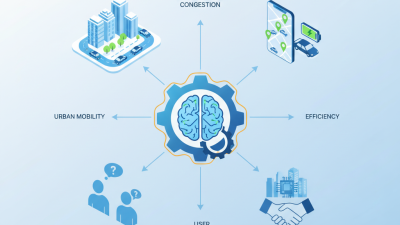
These days, with cities getting more crowded than ever, finding smart ways to park kind of feels like a necessity, right? That’s where Smart Parkingcomes into play. Experts like Dr. Emily Carter from ParkTech Innovations are really optimistic about how tech can fix our parking headaches. I remember her once saying, "Smart Parking systems could totally change the way we get around in city environments." That really hits home with a lot of folks looking to make their operations smoother.
Smart Parking’s really become a bright spot for cities stuck battling congestion and tiny spaces. Companies like ParkMobile and SpotHero are stepping up with some pretty cool solutions—think real-time data, reserving spots in advance, and paying through your phone easily. But, let’s be honest, it’s not perfect. Sometimes, the info on availability isn’t spot-on, or the app behaves a bit wonky. Recognizing these hiccups is key, though—it helps us figure out how to make things better down the line.
Diving into Smart Parking can definitely pay off. It makes getting around easier, cuts down on emissions from cars constantly circling for a spot, and overall, it’s good for urban life. As cities keep evolving, the chat around these tech solutions gets more and more important. So, it’s crucial for everyone involved to stay in the know and make smart choices. The journey to perfecting these systems isn’t over yet, but keeping aware and open to change will help us shape a smarter, more efficient city experience for everyone.
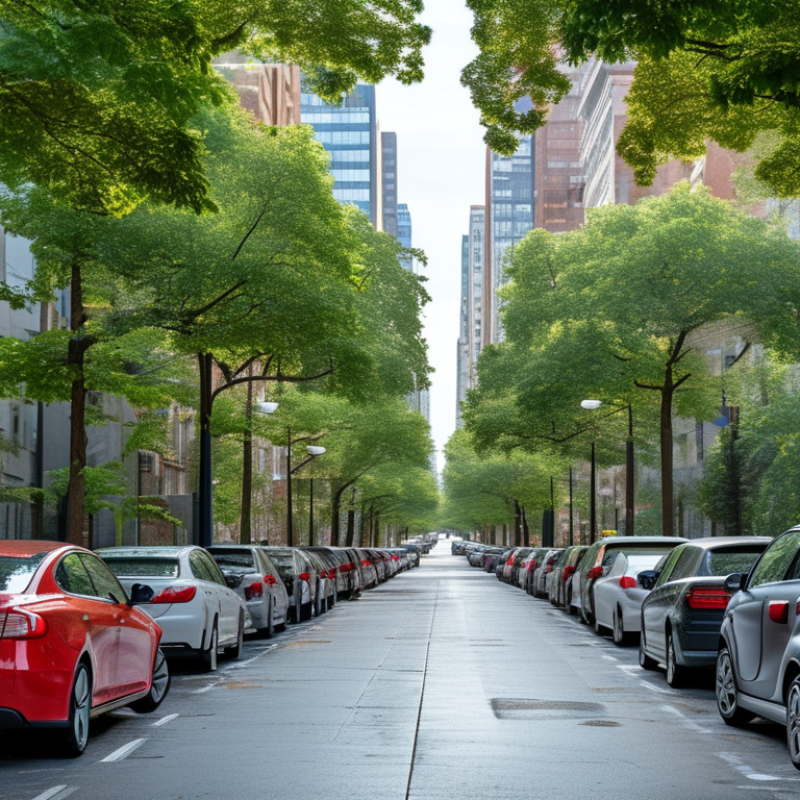
Overview of Smart Parking Solutions in the Global Market
The global market for smart parking solutions has seen dynamic growth. According to a report by Research and Markets, the smart parking market is projected to reach USD 8.5 billion by 2026, expanding at a compound annual growth rate (CAGR) of 18.1%. This surge reflects urbanization trends and the increasing need for efficient space utilization.
Cities are increasingly adopting innovative technologies to enhance parking efficiency. Smart Solar Parking systems, which utilize solar energy, significantly reduce operational costs and environmental footprint. A study found that deploying such systems can lower energy consumption by up to 60%. However, these technologies still face challenges, including integration with existing infrastructure and varying governmental regulations.
User behavior plays a crucial role in the success of smart parking initiatives. A survey indicated that 75% of drivers prefer real-time parking availability updates. Despite this, many cities lack adequate data analytics to support informed decision-making. This gap presents an opportunity for enhancements. Incorporating user feedback can lead to improvements, ultimately driving the adoption of smart parking solutions across diverse locations.
Key Features of Effective Smart Parking Technologies
Smart parking solutions are reshaping urban mobility. Cities face challenges like overcrowding and limited parking. Effective smart parking technologies address these issues. Key features include real-time monitoring, automated payment systems, and user-friendly interfaces. Research shows that smart parking can reduce parking search time by up to 30%. This not only decreases traffic congestion but also lowers emissions.
Integrating Solar Smart Parking systems can enhance sustainability. These systems harness solar energy, providing eco-friendly alternatives for urban areas. Currently, about 20% of cities are investing in solar technology to power their smart parking infrastructures. This enhances reliability and reduces operational costs. However, the initial investment can be daunting for many municipalities.
Effective smart parking solutions must also feature data analytics. Understanding parking patterns can optimize resource allocation. Many parking operators still overlook this vital aspect. Engaging users through mobile apps can further streamline the parking experience. It is essential to balance technology with user needs. These changes pave the way for smarter cities and improved urban living.
Benefits of Smart Parking Solutions for Urban Areas
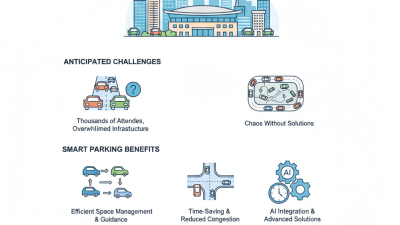
Smart parking solutions are transforming urban mobility. They enhance convenience for drivers while reducing traffic congestion. By utilizing sensors and cameras, these systems provide real-time data about available parking spots. This reduces the time spent searching for parking, which typically contributes to increased emissions in city environments.
Cities adopting smart parking face challenges. The initial investment can be high, and integration with existing infrastructures may require significant adjustments. Additionally, data privacy concerns arise when tracking vehicles. However, the efficiency gained often outweighs these drawbacks. Communities can experience reduced congestion and improved air quality as a result.
Urban planners should consider these nuances. While smart parking solutions offer benefits, they also demand continuous evaluation. A well-implemented system can significantly enhance urban infrastructure, but hasty decisions may lead to long-term issues. Balancing innovation with careful planning is essential for sustainable urban growth.
Benefits of Smart Parking Solutions for Urban Areas
Comparative Analysis of Leading Smart Parking Vendors
As cities grow, efficient parking becomes essential. Smart parking solutions are designed to streamline the parking process, reduce congestion, and enhance user experience. Vendors in this space offer various technologies, including sensors, mobile apps, and license plate recognition. However, the effectiveness of these solutions can vary significantly across different platforms.
When analyzing leading smart parking vendors, consider factors like ease of use and integration capabilities. Some platforms excel in different environments, such as commercial areas or residential zones. A significant innovation is the implementation of Drone Solar Parking, which merges Renewable Energy with space efficiency. This solutions showcases how technology can enhance sustainability in urban settings.
Despite advancements, challenges remain. For instance, data privacy issues are a concern for many users. Not all solutions offer robust security measures to protect user information. Additionally, the user experience can often be inconsistent across regions. These are critical areas that demand further reflection and improvement from vendors. Addressing such gaps will ensure better reliability and ultimately a more seamless parking experience.
Discover the Best Smart Parking Solutions for Global Buyers
| Vendor | Solution Type | Integration Capabilities | User Ratings | Pricing |
| Vendor A | Mobile App | API, IoT Devices | 4.5/5 | $99/month |
| Vendor B | Sensor-Based | Cloud, API | 4.0/5 | $85/month |
| Vendor C | License Plate Recognition | Integration with existing systems | 4.7/5 | $120/month |
| Vendor D | Mobile Payment Solution | POS integration | 4.3/5 | $75/month |
| Vendor E | Smart Parking Meters | Networked, API | 4.1/5 | $110/month |
User Experience and Customer Feedback on Smart Parking Systems
User feedback plays a crucial role in understanding the effectiveness of smart parking systems. A recent industry report indicates that 78% of users prefer systems that offer real-time parking availability. This feature enhances the user experience by reducing the time spent searching for parking spots. In densely populated cities, where time is of the essence, this functionality proves invaluable.
Moreover, many customers appreciate user-friendly interfaces. Reports reveal that 65% of users express frustration with apps that are hard to navigate. These insights stress the need for intuitive design to attract and retain users. Regular updates based on feedback can help in refining these systems.
Despite advancements, some challenges remain. Certain users report difficulties with system integration at different parking locations. A notable 30% of surveyed users stated that inconsistent technology across various lots confused them. This feedback highlights an area for improvement. As the smart parking industry grows, addressing such concerns will be key to enhancing overall satisfaction.
Challenges in Implementing Smart Parking Solutions Globally
Implementing smart parking solutions poses significant challenges globally. One major issue is integrating technology with existing infrastructure. Cities often struggle with outdated systems that cannot support advanced features. This compatibility gap can hinder investments in smart technologies. Additionally, the cost of upgrading infrastructure can be prohibitive for many municipalities.
Another challenge is the varying regulations in different regions. Each city or country may have its own rules regarding data privacy and usage. This inconsistency complicates the deployment of a unified smart parking system. Moreover, public acceptance of such technology often lags behind innovation. Some individuals remain skeptical about its effectiveness or trustworthiness.
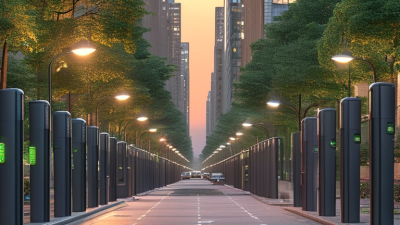
Smart parking systems can potentially enhance efficiency. For example, a Solar Parking Lot can power charging stations for electric vehicles while providing data on parking availability. However, the success of these systems largely depends on continuous public engagement and education. Understanding community needs is vital to fostering trust and ensuring the technology is beneficial for everyone involved.
Future Trends in Smart Parking Technologies and Innovations
Smart parking technologies are rapidly evolving, driven by urbanization and the need for efficient space utilization. Future trends indicate an increasing focus on automation and data integration. As cities become denser, smart parking solutions can significantly alleviate congestion. Real-time data on parking availability will enhance user experience, allowing drivers to locate spots quickly. Innovations like mobile apps and sensor-based systems are paving the way for smarter cities.
Parking management systems are moving towards AI-based algorithms. These systems analyze historical data to predict parking demand. They can adjust pricing dynamically based on availability and city events. However, as beneficial as these technologies are, they can complicate operations for smaller municipalities lacking resources. Thus, the focus should be on scalable solutions.
Ensuring reliable data feeds from sensors and user apps is vital. Discrepancies in data can lead to frustration for drivers and decreased trust in smart systems. It’s essential to address potential glitches and establish protocols to maintain data accuracy. Parking authorities must adapt and innovate, yet they must also remain vigilant about these challenges.
Innovative Trends in Smart Transportation: A Deep Dive into the Impact of Intelligent Solar-Powered Bus Stop Boards on Urban Mobility
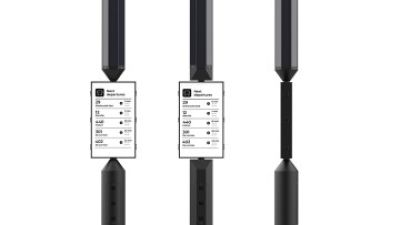
The integration of intelligent solar-powered bus stop boards into urban transport systems represents a pivotal shift towards smarter and more sustainable cities. With public transportation being a major contributor to urban congestion and environmental degradation, the deployment of vertical solar-powered bus stop boards offers innovative solutions that enhance commuter experiences while promoting sustainability. According to a report by the International Energy Agency, cities adopting renewable energy solutions in public transit can see a reduction in carbon emissions by up to 30%, underscoring the importance of eco-friendly infrastructure in combatting climate change.
These advanced bus stop boards are not just about aesthetic improvements; they provide essential amenities such as real-time updates on bus schedules and local weather conditions, ultimately enhancing the overall commuting experience. In a survey conducted by the Urban Mobility Report, 70% of respondents indicated that they would be more likely to use public transportation if they had access to real-time information at bus stops. This indicates a clear demand for technology-driven solutions that cater to the needs of modern urban commuters.
Beyond their functional benefits, solar-powered bus stop boards harness renewable energy, significantly reducing reliance on fossil fuels. As cities continue to grow, investing in sustainable infrastructure will be critical. A study by the World Economic Forum highlights that investments in smart transport solutions can yield economic benefits, including a 25% increase in public transport ridership and a corresponding reduction in urban congestion. By adopting solar-powered bus stop technology, municipalities can lead the way in creating greener, more efficient urban environments.
FAQS
: Real-time availability reduces search time for parking spots, especially in busy cities.
Many users struggle with navigation, with 65% reporting difficulties with complicated interfaces.
Regular updates based on user feedback can refine designs and functionalities, attracting more users.
30% of users feel confused by inconsistent technology across various lots, pointing to a need for standardization.
The focus is shifting toward automation and data integration to better manage parking space and reduce congestion.
AI analyzes historical data to predict demand and adjust prices, enhancing overall efficiency in parking.
Yes, limited resources can hinder the implementation of advanced technologies in smaller areas.
Inaccurate data leads to frustration and mistrust among drivers, impacting the effectiveness of these systems.
They must innovate while addressing challenges like data reliability to improve overall user experience.
They should seek scalable solutions that fit their resources and needs.
Conclusion
Smart parking solutions are revolutionizing the way urban areas manage vehicle parking, offering a range of technologies that enhance efficiency and user experience. The global market for smart parking is expanding rapidly, featuring key innovations that include real-time availability tracking, mobile payment options, and data analytics to optimize parking space usage. These technologies provide substantial benefits, such as reducing congestion and lowering emissions in city centers.
However, the implementation of smart parking systems faces challenges, including infrastructure costs and technological integration. Understanding user feedback is crucial for refining these systems to meet customer needs effectively. As we look to the future, smart parking solutions are expected to incorporate advanced features such as AI-driven analytics and greater connectivity, paving the way for smarter and more sustainable urban environments.