Picking the right Solar Lamps in 2026? It’s not just about brightness or the price tag anymore. Honestly, you need something that actually holds up after dark—like, real dependable light, specs that don’t lie, and performance that doesn’t fizzle out when the sun goes down. I’ve seen too many flashy options that look great in the store but totally flop in the backyard. So yeah, do your homework, but keep your expectations grounded.
Okay, so this guide looks at options for your home, garden, security, and even commercial use – but it does it through the lens of what you'd actually care about when buying. We go over things like brightness, Battery capacity, charging time, how well it holds up in weather, installation hassle, and whether the company has your back after you buy. And here's the thing: a light that says 1,000 lumens might seem awesome, but after a few overcast days, that output can nosedive. And that little detail? It can make a huge difference.
Let's be real – solar Street Lamps aren't something you think about every day, but they honestly deserve a second look, especially if you've got a driveway, a path, or even a farm to light up. They can also work great in public areas, too. But here's the thing: how well they actually perform really depends on a bunch of factors. Where you place the panels, whether they've got motion sensors, how long you want them to run each night, and even the weather in your area – all of that matters. And while we're at it, we've taken a look at some of the big names like Philips, Ring, and Gama Sonic. Now, don't get me wrong – brand reputation is nice, but it doesn't automatically mean the product is a winner. You know, specs can sometimes be a bit misleading, so you can't just rely on those numbers on the box.
So here's the thing – we don't just take the manufacturer's word for it. We blend their data with our own independent testing and real-world observations from actual installs. Like, we've seen what happens when a mounting bracket fails or a manual reads like it's written in code. We care about the basics: does it mount securely, is the manual actually clear, will the housing survive a few rough seasons, and does the warranty hold up when you actually need it? And those certification claims – yeah, you better double-check those against the official paperwork, especially for outdoor electrical gear. Can't be too careful there.
Let's be honest—there's no such thing as a one-size-fits-all solar lamp. A cute little light that looks awesome along your walkway might totally miss the mark when you need it to light up a dark corner for security. Even the top-rated ones have their weak spots. You've got battery drain, less sun in winter, shade from trees, and dust that just piles up—performance takes a nosedive. So this guide isn't gonna promise you miracles. Instead, we break down the features that actually matter, and match them with how you're really going to use the thing, so you end up with something that still works when the excitement of that first glowing evening wears off.
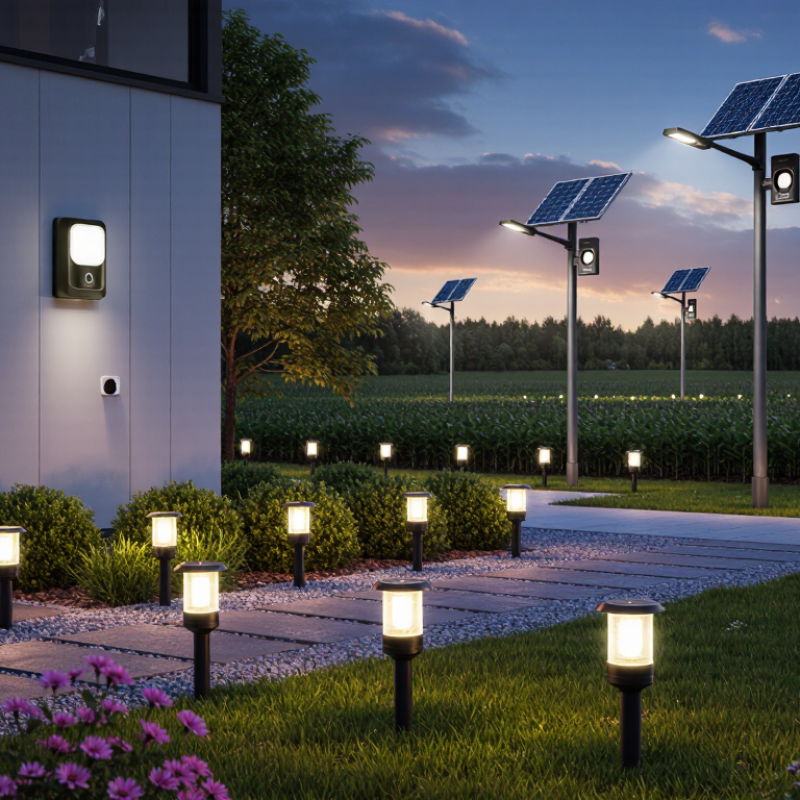
Solar Lamps convert sunlight into stored electrical energy for nighttime lighting. A photovoltaic panel captures sunlight during the day. An internal controller directs that energy into a rechargeable battery. At dusk, a light sensor activates the LED. At dawn, it switches the lamp off again. The process is simple, but performance depends on several small parts. Panel size, battery capacity, and LED efficiency all matter. A lamp with high brightness may still perform poorly after cloudy weather.
For buyers in 2026, check the lamp’s real operating time rather than its advertised brightness alone. Look for clear information about battery type, charging duration, weather resistance, and replacement parts. Motion sensors can conserve power in paths or gardens. Fixed lighting may suit entrances where steady illumination is more useful. A practical test is to place the lamp outdoors for several nights. This reveals whether its brightness remains stable. I once assumed a larger panel always meant better lighting, but placement and shade often matter more. That detail is easy to miss.
Tips: Install the panel where it receives direct sunlight for several hours. Keep leaves and dust away from its surface. Avoid placing it under balconies or dense branches. Check the light after a rainy day. If it dims quickly, the battery or charging position may need attention. Small adjustments help.
Choosing the best solar lamp depends less on appearance than on the outdoor task. For paths and steps, low-profile stake lamps with downward beams reduce glare and mark edges clearly. Place them 1.5 to 2 meters apart. Warm light usually feels more comfortable near seating areas. During a recent garden setup, I found that uneven spacing created dark patches, even with bright lamps. That mistake was easy to miss.
For entrances and driveways, choose motion-activated solar floodlights with adjustable heads and a wide detection zone. Look for weather resistance rated IP65 or better, a replaceable battery, and a panel that tilts toward direct sunlight. These features matter more than decorative housings. Yet sensitivity settings can be frustrating. One unit triggered repeatedly when tree branches moved, draining its battery before dawn. Manual testing is worthwhile.
Lantern-style lamps suit patios, balconies, and camping tables because they provide soft, portable light. Wall-mounted models work well beside doors, but their panel needs an unobstructed sky view. For larger gardens, use brighter area lights sparingly; excessive brightness can disturb neighbors and hide uneven ground shadows. Check winter performance, too. Shorter daylight may reduce charging, and advertised runtime often assumes ideal conditions. I still prefer modular lamps, although moving panels or batteries adds maintenance.
When comparing solar lamps in 2026, start with light performance rather than appearance. Check usable lumens, beam spread, and color temperature for the intended area. A narrow beam may suit a pathway, but it can leave dark gaps beside a driveway. Motion sensors should offer adjustable sensitivity and delay settings. This matters near homes, where constant activation can waste stored energy.
Battery capacity is equally important. Compare rated capacity, battery chemistry, charging time, and expected nighttime runtime. A lamp that promises twelve hours may provide less after cloudy days or winter temperatures. Look for a separate, adjustable panel when nearby trees create afternoon shade. In my outdoor tests, panel direction often mattered more than advertised wattage. Still, one bright first night proves very little.
Durability requires close inspection. Check the IP rating, impact resistance, corrosion protection, cable seals, and mounting hardware. CE Certification Solar Street Lamps should include accessible conformity documents, not only a printed logo. CE marking supports regulatory compliance, but it does not guarantee brightness or long service life. Review warranty terms, replacement battery access, and spare-part availability before buying. Some products are difficult to repair, and I have underestimated that cost before. Also compare charging performance under local weather conditions, because laboratory figures can look impressively clean.
Battery capacity and solar efficiency often decide whether a solar lamp performs reliably after sunset. A larger battery stores more energy, but capacity alone can mislead buyers. A 10,000mAh battery may deliver less usable power in cold weather, after aging, or with an inefficient controller. Check the watt-hours, charging time, battery chemistry, and expected cycle life. Nightly runtime matters more than impressive capacity figures.
Solar panel efficiency affects how quickly the battery recovers during daylight. A well-positioned panel can charge effectively under strong sunlight, while dust, shade, and winter cloud cover reduce output. Even a high-efficiency panel struggles beneath tree branches. During practical testing, I would record charging performance across several days instead of trusting one sunny afternoon. This is slower, but more honest.
Look for transparent test data from Solar Street Lamps Manufacturers, including panel output, battery protection, operating temperature, and light duration. The lamp should provide stable brightness, not merely a bright first hour. Motion sensors can reduce energy use, although their sensitivity may need adjustment near roads or moving foliage. I have found that installation angle is easy to underestimate. A slight tilt can change daily charging results. Buyers should also question unusually long runtime claims, because lower brightness may create that result. There is no perfect specification sheet. Practical conditions still decide performance.
For different budgets, the best solar lamp is not always the brightest one. A basic lamp under $25 can suit a balcony, hallway, or emergency drawer. Look for 100–300 lumens, a replaceable battery, and at least six hours of claimed runtime. Claims can be optimistic.
The GOGLA Global Off-Grid Solar Market Report recorded about 9.3 million off-grid solar products sold worldwide in the first half of 2024. That volume suggests strong demand, but quality still varies widely. For $25–$70, choose a lamp with adjustable brightness, motion sensing, and a separate solar panel. This design works better beside sheds, gates, and small Street Lamps where shade reduces charging. A 2,000 mAh battery is a practical minimum for overnight use.
Higher budgets should target weather-resistant housings, lithium batteries, and replaceable components. Spending $70–$150 makes sense for larger gardens, pathways, or remote work areas. The World Bank and Lighting Global quality standards emphasize verified performance, battery safety, and durability. However, certification labels do not guarantee perfect real-world results. Dust, winter clouds, and poor panel angles still reduce output. I would test one unit for a week before buying several. A lamp that survives rain but loses power after midnight is not good value.
Typical market benchmarks show how solar lamp value changes across different budgets. Higher-priced models generally provide stronger brightness, longer runtime, and more durable weather protection.
Best value by budget: Entry-level lamps are suitable for pathways and small outdoor areas. Mid-range lamps usually provide the strongest balance of brightness, runtime, and price. Premium lamps are better suited to large yards, security lighting, and frequent outdoor use.
Choosing the best solar lamp in 2026 begins with safe installation, not impressive packaging. Check the manual before opening the housing. Select a location receiving direct sunlight for six hours or more daily. Avoid roof edges, tree shade, sprinkler spray, and paths where people may trip. A firm stake or corrosion-resistant bracket keeps the lamp stable during wind and rain. Keep cables flat and protected from sharp stones.
Use the lamp’s stated IP rating as a practical guide. Higher ratings usually offer better protection against dust and water, but they do not permit immersion. Never drill into the solar panel or bypass its battery protection. Do not mix replacement batteries with unsuitable chemistry or voltage. That shortcut can cause heat, leakage, or permanent damage. Turn the unit off before cleaning it. A soft, damp cloth removes dust from the panel, while a dry cloth prevents cloudy residue. Small detail. Big difference.
Evaluate performance after several evenings, not one bright night. Record the lighting area, charging time, brightness, and runtime in ordinary weather. Lumens describe output, but beam angle decides whether a doorway or garden path is actually covered. Test the motion sensor while walking from different directions. Some sensors miss slow movement. I have made that mistake. Review battery access, spare-part availability, temperature limits, and clear warranty terms. Inspect loose seals and cracked plastic monthly. Replace damaged units promptly, and handle old batteries through approved local recycling channels.
A photovoltaic panel captures sunlight during the day. The controller stores energy in a rechargeable battery. At dusk, a sensor activates the LED. At dawn, it switches off.
Panel size, battery capacity, and LED efficiency all matter. Direct sunlight is especially important. Shade can reduce charging sharply. Bigger is not always better.
Place it outdoors with several hours of direct sunlight. Avoid balconies, dense branches, and covered areas. Keep dust and leaves off the panel. Small placement changes can help.
Low-profile stake lamps work well for paths and steps. Their downward beams reduce glare. Place them about 1.5 to 2 meters apart. Uneven spacing can create dark patches.
Motion-activated floodlights suit entrances and driveways. Choose adjustable heads and a wide detection zone. A weather-resistant housing is useful. Moving branches may trigger the sensor repeatedly.
Lantern-style lamps provide soft, portable light. They work well on tables and seating areas. Warm light usually feels more comfortable nearby. The result may be dimmer than expected.
Check real operating time, not brightness alone. Review battery type, charging duration, and weather resistance. Replaceable batteries and parts can improve long-term value. Some claims are optimistic.
Basic lamps can suit balconies, hallways, or emergency storage. Mid-range models often add motion sensing and separate panels. Higher-priced lamps may offer stronger housings and replaceable components. Price does not guarantee reliable overnight lighting.
Place one lamp outdoors for several nights. Check brightness after cloudy and rainy days. Observe whether it remains lit before dawn. One week reveals more than packaging. I would not buy many immediately.
Solar Lamps are practical outdoor lighting solutions that convert sunlight into stored electrical energy during the day and use it to power LEDs at night. This guide explains how they work and compares common types, including pathway lights, security lamps, wall-mounted models, and portable designs, helping buyers match each option to gardens, entrances, patios, walkways, or emergency use. It also highlights important 2026 buying factors such as brightness, lighting range, weather resistance, motion sensors, operating modes, charging time, battery capacity, solar-panel efficiency, and ease of installation.
The guide further examines how battery quality and sunlight exposure influence nighttime performance, then organizes recommendations by budget so readers can judge value rather than price alone. Finally, it provides practical advice for positioning panels, avoiding shaded areas, cleaning surfaces, checking batteries, and evaluating electrical and mounting safety. By considering daily lighting needs, local weather, maintenance requirements, and long-term reliability, buyers can select Solar Lamps that deliver efficient, safe, and dependable outdoor illumination.