As the world shifts toward Renewable Energy, there's an ever-growing need for fresh, innovative solutions. Did you know that, according to the International Energy Agency, solar power could make up about 26% of the world's electricity by 2026? Pretty exciting, right? One of the coolest options gaining attention lately is the Vertical Solar Module (VSM). These are especially handy for city environments where space is tight — since they're designed to be installed vertically, they make the most of limited sunlight and save on land.
Big names like Trina Solar and LONGi Solar are stepping up their game, ramping up production to keep pace with this rising demand. Their VSM designs are not only more efficient but also blend better with building aesthetics. That said, adoption isn’t happening as fast as many hoped — mainly because of costs and the tricky installation process. Some experts are a bit skeptical about whether enough folks will adopt this tech by 2026.
But hey, the industry’s actively working on these issues. As new data and tech come out, it’s a good idea for potential buyers to stay in the loop with the latest updates on vertical solar. If adopted widely, VSMs could really shake things up in sustainable energy — but, of course, there are challenges to consider along the way.

Introduction to Vertical Solar Modules: Benefits and Features
Vertical solar modules are gaining traction in renewable energy discussions. Their design allows installation in tighter spaces, making them ideal for urban environments. Recent data indicates that vertical solar technology can increase energy production by 20% compared to traditional horizontal modules. This is primarily due to their ability to better capture sunlight throughout the day.
The benefits extend beyond energy efficiency. Vertical modules offer a lower aesthetic impact, blending seamlessly into building structures. An industry report highlights that over 50% of architects prioritize design in solar installations, which enhances their appeal for new projects. However, installation costs can be higher, and their performance may suffer in extreme weather conditions. This poses a challenge for widespread adoption.
Adopting vertical solar modules requires careful consideration of site specifics. Their installation can be complex, requiring advanced engineering solutions. Some projects have struggled with maintenance due to their positioning. Understanding these nuances is crucial for global buyers in 2026. The push for sustainability necessitates a balanced approach to harnessing the full potential of this innovative technology.
Current Trends in Solar Technology: A Focus on Vertical Modules
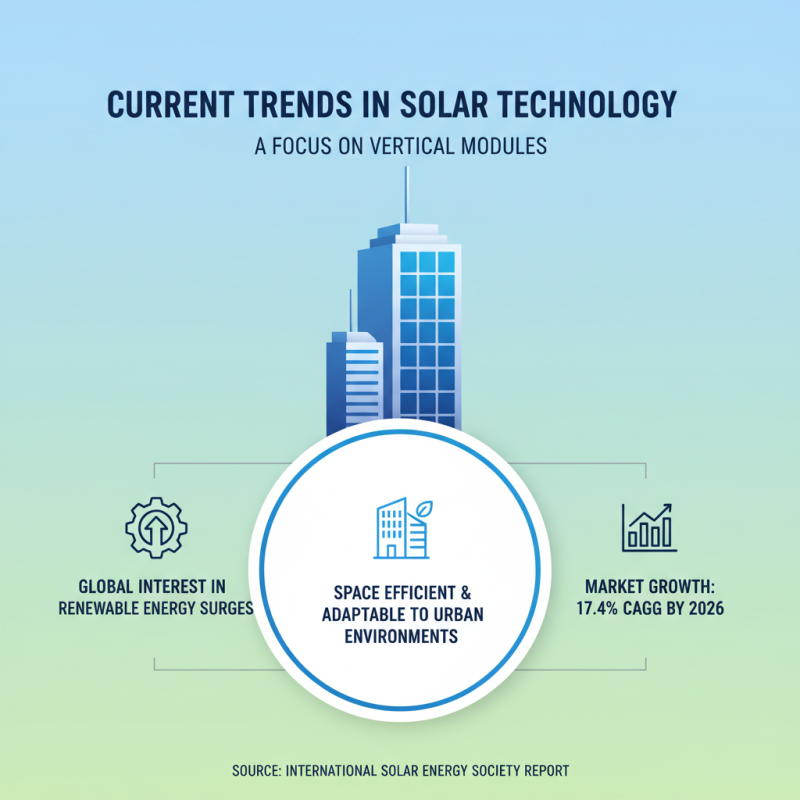
As global interest in renewable energy surges, vertical solar modules are gaining attention. These innovative systems utilize space efficiently and can adapt to urban environments. According to a report by the International Solar Energy Society, the vertical solar module market is expected to grow at a CAGR of 17.4% by 2026, indicating a significant shift in consumer preference.
One standout advantage of vertical solar modules is their ability to capture sunlight throughout the day. Unlike traditional panels that require broad, flat roofs, vertical options can be installed on walls or other structures. This makes them particularly attractive in cities where space is limited. However, the efficiency rates are generally lower than conventional modules. The latest data suggests that vertical installations achieve approximately 10-15% less efficiency in direct comparison.
Tips: When considering installation, evaluate the angle and orientation of the surface. Additionally, look for products with CE Certification, as this ensures safety and reliability.
Another approach to improving efficiency involves integrating smart technology. Smart vertical modules can optimize energy production by tracking sunlight. Yet, this technology comes with a higher cost, and the return on investment may vary. Striking a balance between upfront costs and long-term benefits is essential for buyers.
Leading Manufacturers of Vertical Solar Modules in 2026
The landscape of solar energy is evolving with advancements in vertical solar modules. In 2026, several manufacturers are expected to lead the charge in this innovative sector. They focus on maximizing energy output in limited spaces. Vertical modules are designed not just for efficiency, but also for aesthetic integration into urban environments.
Several leading Vertical Solar Module Manufacturers emphasize sustainability and versatility. Their products cater to various needs, from residential rooftops to urban installations. While many promise high efficiency, some designs still struggle with weather resilience. It's crucial for buyers to evaluate these factors carefully.
As market demands grow, competition will drive improvements. This may lead some manufacturers to decrease quality for expediency. Buyers should be cautious and well-informed. Always consider product reviews and performance metrics before making a decision. The shift towards vertical solar solutions is exciting, yet it requires thorough research and an understanding of each manufacturer's capabilities.
Comparative Analysis: Vertical vs. Traditional Solar Modules
The debate between vertical and traditional solar modules is growing. Vertical solar modules offer distinct advantages. Their design allows for efficient space utilization. This is crucial in urban areas where land is limited. High-Quality Vertical Solar Modules can capture sunlight more effectively at various angles.
Traditional Solar Panels, on the other hand, usually require extensive horizontal space. They are effective, yet their layout may not suit every environment. Consider the impact of weather. Vertical modules might be less affected by snow buildup or rain. However, they could face challenges with dust accumulation. A careful analysis of site conditions is essential for making the right choice.
Innovations in solar technology are underway. These advancements promise to enhance the efficiency of both types of modules. Buyers need to stay informed. Gathering data on performance metrics is vital for making decisions. Seeking expert opinions can clarify the benefits and drawbacks of each option. There’s still much to learn in this evolving field.
Comparative Analysis of Vertical vs. Traditional Solar Modules in 2026
This chart compares the performance metrics of vertical solar modules against traditional solar modules in 2026, showcasing their efficiency, space utilization, cost per watt, and durability.
Key Considerations for Global Buyers When Selecting Vertical Modules
When considering vertical solar modules for 2026, several key factors emerge. Efficiency remains paramount. Recent reports indicate that vertical modules can achieve efficiency levels of up to 25%, surpassing many traditional panels. This makes them a prime choice for limited spaces. However, buyers must also consider installation challenges. Vertical installations often require specialized mounting systems, which may increase upfront costs.
Another critical aspect is durability. Research shows that vertical modules tend to experience less dust accumulation, enhancing their efficiency in urban environments. Yet, the lifespan can vary significantly based on material quality. Reports suggest that some lower-quality panels might degrade faster, affecting long-term investments. Buyers should prioritize modules with proven resilience against weather conditions.
Lastly, the aesthetic factor cannot be overlooked. Vertical solar panels can integrate more seamlessly into urban architecture. This design factor appeals to various buyers who value aesthetic harmony with their surroundings. However, it's essential to ensure that visual appeal does not compromise efficiency. Balancing these elements is crucial for making informed purchasing decisions in this evolving market.
Environmental Impact of Vertical Solar Modules on Energy Efficiency
Vertical solar modules represent an innovative approach to harnessing solar energy. They offer various environmental benefits that can significantly influence energy efficiency. Unlike traditional panels, vertical modules can maximize energy capture in urban areas with limited horizontal space. Their unique design allows them to collect sunlight more effectively during morning and late afternoon hours. This characteristic can boost overall energy production.
The energy efficiency of vertical solar modules can also improve local microclimates. By absorbing sunlight and reducing heat buildup, they can help lower surrounding temperatures. This cooling effect may reduce the energy demand for air conditioning in nearby buildings. However, the installation of vertical modules may lead to certain challenges. They require specific design considerations to ensure optimal sunlight exposure. Users should consult a knowledgeable Vertical Solar Module Manufacturer to navigate these complexities effectively.
Moreover, these modules can help reduce carbon footprints. Their ability to generate energy without consuming significant land resources is crucial in urban environments. However, potential waste management issues arise from end-of-life modules. As the technology advances, it is essential to address these concerns for a sustainable future in solar energy. Continuous innovation and proper guidance will be key to realizing the full benefits of vertical solar technology.
Future Innovations and Developments in Vertical Solar Technology
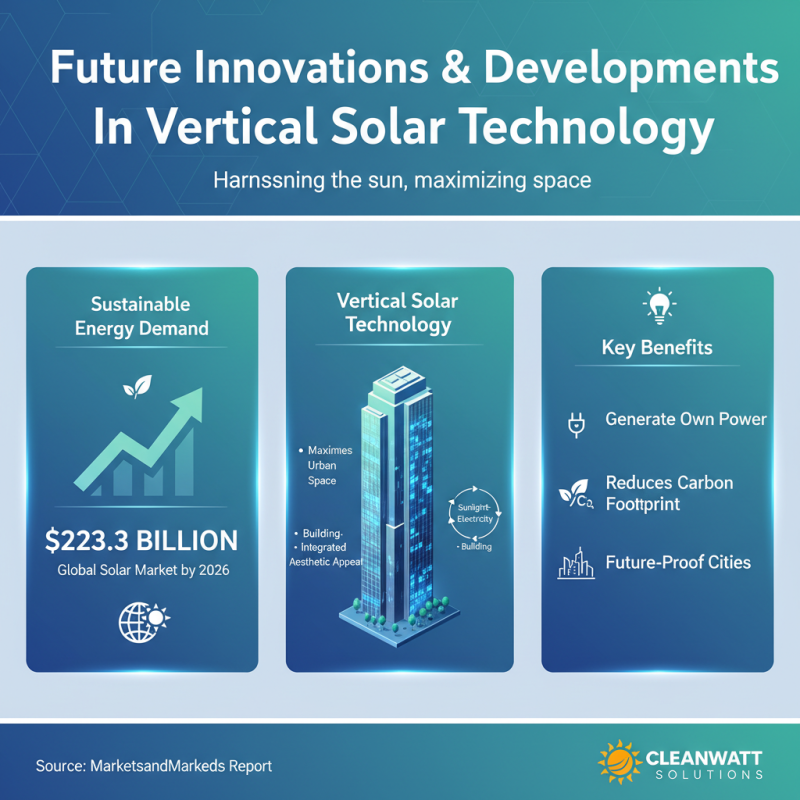
As the demand for sustainable energy solutions grows, vertical solar technology stands out. The Global Solar Energy Market is projected to reach $223.3 billion by 2026, according to a recent report by MarketsandMarkets. This innovative approach maximizes space usage, particularly in urban areas where land is scarce. It allows buildings to generate their own electricity while maintaining aesthetic appeal.
Future innovations in vertical solar modules will focus on enhanced efficiency. Studies show that bifacial solar panels can improve energy output by up to 30%. This technology captures sunlight from both sides, optimizing production even in restricted spaces. Furthermore, ongoing research aims to develop lightweight materials that increase installation versatility, reducing structural constraints on buildings.
However, challenges remain. The integration of vertical systems into existing infrastructure is not straightforward. Upfront costs can be higher than traditional solar setups. Additionally, optimizing maintenance protocols for vertical installations presents unique hurdles. Addressing these issues will be crucial for wider adoption and overall effectiveness in harnessing solar energy.
Conclusion
The article "Best Vertical Solar Modules for Global Buyers in 2026" explores the advantages and features of vertical solar modules, which are gaining traction due to their space-saving design and enhanced energy collection efficiency. It highlights current trends in solar technology, emphasizing the growing prominence of vertical modules as a viable alternative to traditional systems.
The analysis includes a competitive overview of leading manufacturers while providing insights into the essential considerations for global buyers looking to invest in vertical solar modules. Furthermore, the environmental impact is discussed, showcasing how these modules contribute to energy efficiency. Finally, the article anticipates future innovations in vertical solar technology, suggesting a promising horizon for sustainable energy solutions.