Leave Your Message


You know, as the world really starts to embrace renewable energy more wholeheartedly, Vertical Solar Pv tech is really catching people's attention. These systems are kinda game-changers, and it looks like they're going to totally reshape how we think about energy.According to the International Renewable Energy Agency (IRENA), by 2050, Solar Power could make up over 23% of the global energy mix. And what's pretty cool is that vertical installations are becoming super popular because they save space and look pretty sleek.
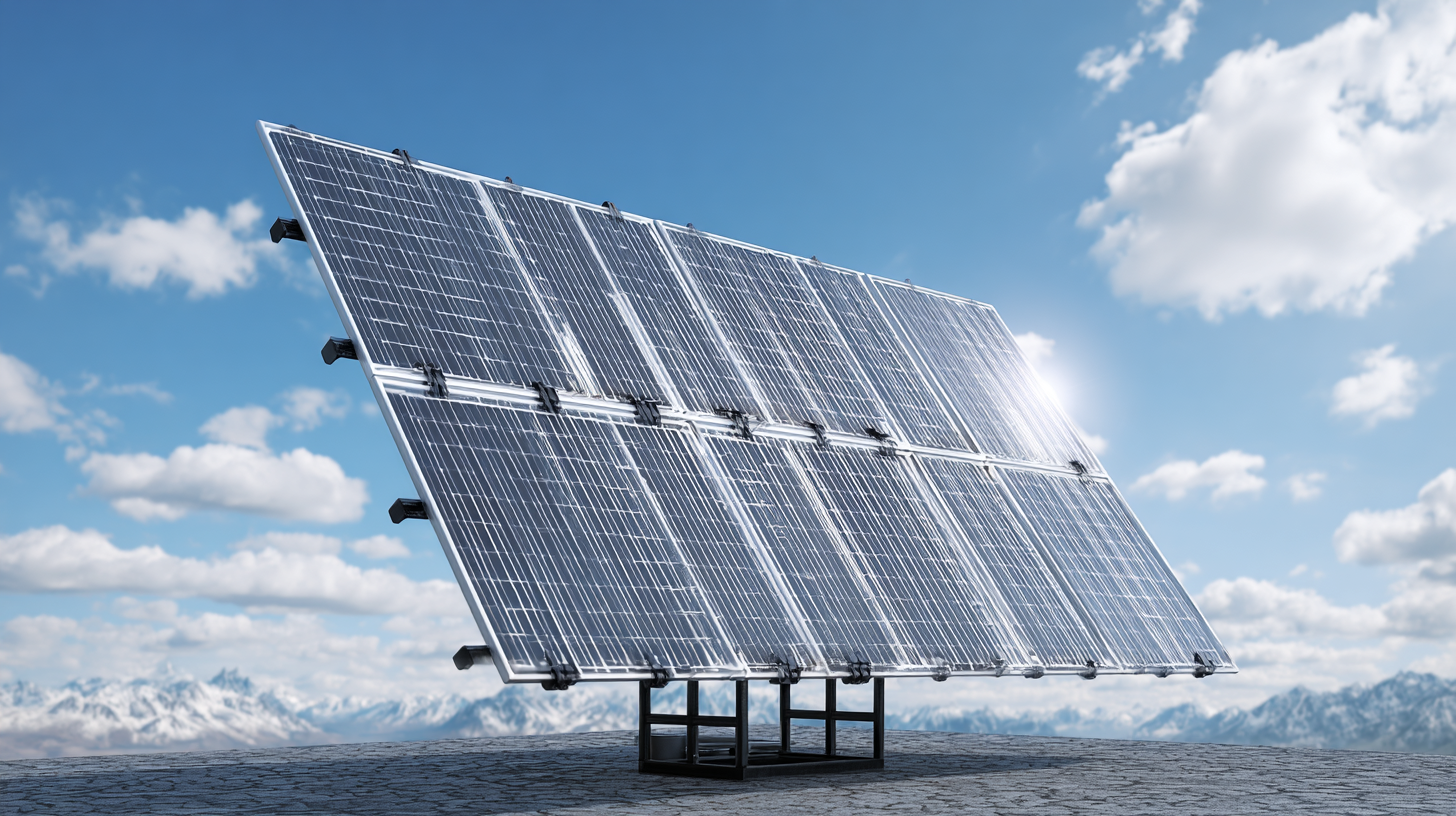
SUNFREE Lighting Technology Co., Ltd., a major player in the new energy scene, is leading the charge. They're really pushing the envelope by blending cutting-edge tech into the design and manufacturing of these innovative solar solutions. The company's all-in on R&D and seems dedicated to making Vertical Solar PV systems more common, especially since they make better use of urban land and boost energy output thanks to their unique architecture. In this blog, I’ll be diving into the five coolest Vertical Solar PV innovations out there right now—these are really changing the game in renewable energy and could have a big impact on making our cities more sustainable.
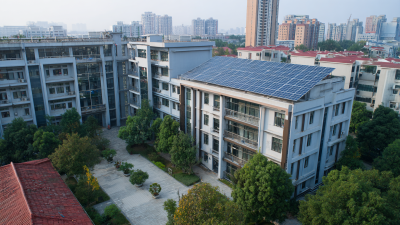
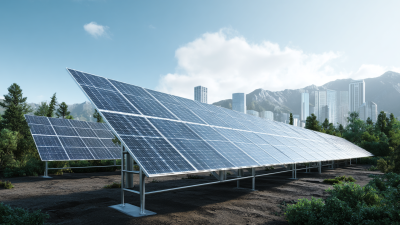
As cities keep growing and changing, we’re seeing some pretty exciting new ideas in how we use solar power. Instead of sticking with the old horizontal panels, more people are turning to vertical solar panels—those that are installed on building faces or balconies. These are a game-changer, especially in tight urban spaces where rooftops just aren’t big enough for big solar arrays. By integrating solar into the sides of buildings and even into windows, these vertical panels don’t just catch sunlight—they also make the buildings look pretty sleek and modern.
One thing that’s really cool is the development of flexible solar panels that can stick onto all sorts of vertical surfaces. They’re lightweight and can bend around curves of buildings or be built right into the glass of windows, essentially transforming entire structures into mini energy factories. Plus, with curved or bifacial panels that catch sunlight from both sides, efficiency just keeps getting better. As cities aim to be more eco-friendly, these vertical solar solutions aren’t just practical—they really show how design and sustainability can go hand in hand, making our urban spaces smarter and greener.
In recent years, square vertical solar powered LED bollard lights have gained attention as a sustainable option for improving outdoor environments. These lights not only provide illumination but also contribute significantly to energy savings. According to the U.S. Department of Energy, outdoor lighting accounts for nearly 30% of a community’s total energy consumption. By utilizing solar energy, square solar bollard lights can reduce this burden, leading to lower electricity costs and a smaller carbon footprint.
The design of these lights offers both aesthetic appeal and practical benefits. Installed in gardens, parks, and public areas, they enhance safety by ensuring well-lit pathways, which reduces the risk of accidents during nighttime. A study from the Institute for Transportation Engineers found that improved lighting can decrease nighttime injuries by up to 50%. The versatility of square vertical solar pole garden lights allows for various mounting options and spacing arrangements, making them adaptable to numerous outdoor settings.
Moreover, these solar lights are not only easy to install but also require minimal maintenance. With advancements in solar technology, many models are equipped with battery storage that ensures consistent lighting, even during cloudy days. A report by the International Energy Agency indicates that the use of solar lighting solutions like these is expected to grow significantly, further highlighting their importance in creating smarter, safer, and more sustainable urban spaces. Embracing such eco-friendly solutions not only enhances outdoor aesthetics but also aligns with global sustainability goals.
: Vertical solar panels are photovoltaic systems that are mounted vertically, maximizing energy capture in urban environments. Unlike traditional horizontal solar panels, vertical designs are more suitable for densely populated cities where horizontal space is limited.
Vertical solar panels maximize energy capture in limited spaces, integrate into building facades and balconies, enhance aesthetic appeal, and help urban environments become more sustainable by utilizing renewable energy.
Flexible solar panels can be attached to various vertical surfaces and can contour to the curves of buildings or be incorporated into windows, effectively turning entire structures into energy-generating entities.
Bifacial solar panels capture sunlight from both sides, increasing their efficiency. This feature is particularly advantageous in urban settings where space for solar energy capture is limited.
Dual-purpose vertical solar PV systems are designed to capture both solar and wind energy, optimizing space and increasing energy output. They are particularly suited for urban areas with high real estate demand.
Vertical PV installations utilize sleek, towering designs that increase their surface area for solar energy capture and integrate wind turbines to harness wind energy, providing a more consistent energy generation profile.
The hybrid approach allows for simultaneous energy capture from both wind and solar sources, ensuring reliable energy generation regardless of weather conditions and enhancing overall sustainability.
These innovative designs promote sustainability by reducing reliance on fossil fuels, facilitating the integration of renewable energy into urban landscapes, and improving the energy efficiency of buildings.
Vertical solar panel designs are crucial in addressing energy demands in growing urban areas, allowing for efficient renewable energy generation while maintaining architectural integrity and aesthetic value.
Future trends may include further advancements in flexible and bifacial solar panel technologies, integration with smart building systems, and the development of more efficient dual-purpose solutions that enhance energy generation in urban environments.
You know, the future of renewable energy is really being shaped by some pretty exciting innovations in Vertical Solar PV tech. These setups are especially great for cities where space is at a premium—think of them as clever ways to blend solar power right into building designs. And since they can harness both wind and sunlight, these dual-purpose vertical systems boost energy efficiency like you wouldn’t believe. Plus, with bifacial panels soaking up sunlight from both sides, you can be sure every little watt counts.
On top of that, smart tech — especially AI — has totally transformed how these solar units perform, making sure they run at their best in real time. And it’s not just about cutting-edge tech; using eco-friendly materials also shows how committed we are to going green. There are plenty of real-world examples out there, proving that vertical solar PV solutions actually work and are a solid part of our clean energy future. All these pieces really put SUNFREE Lighting Tech Co., Ltd. in the spotlight as a real leader when it comes to pushing renewable energy forward.