You know, as our world starts to really embrace sustainable energy solutions, Vertical Solar Pv is popping up as a fantastic option for capturing solar energy right in urban areas. Let’s face it, with rooftops getting a bit crowded and everyone wanting more efficient ways to get their energy, these Vertical Solar PV systems are becoming a go-to choice for maximizing energy output without taking up too much land. SUNFREE Lighting Technology Co., Ltd. is paving the way in this arena, using their awesome design and manufacturing skills to roll out some top-notch vertical solar applications. If we take a closer look at some of the best Vertical Solar PV solutions out there, we’ll find out exactly where they fit in and how they can really help us move towards a greener future. In this blog, we’re going to dive into the unique benefits of Vertical Solar PV, and we’ll see how it not only boosts energy efficiency but also spruces up the look of our modern urban landscapes.
Key Benefits of Vertical Solar PV Solutions for Space Optimization
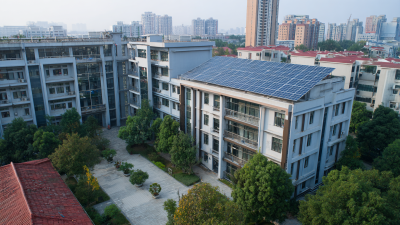
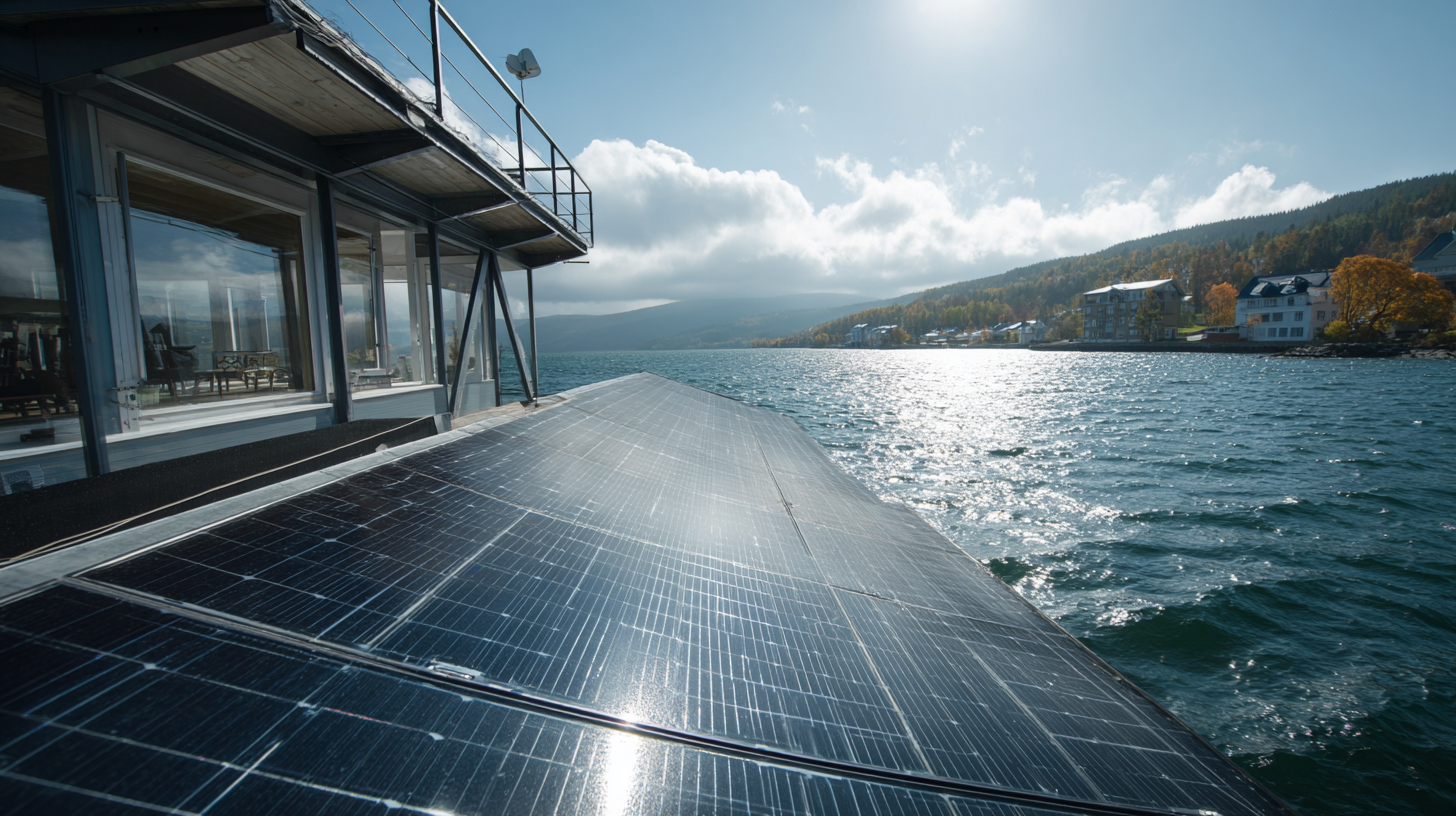
So, you know how we’re always looking for better ways to harness solar energy? Well, vertical solar PV solutions are really shaking things up! Unlike those standard horizontal panels, these vertical installations make great use of the walls and sides of buildings, which is a real game-changer, especially in urban areas where ground space is at a premium. It’s like they were designed to fit right in with city life, maximizing sunlight exposure throughout the day while also looking pretty sleek and stylish in the process.
And it doesn’t stop there! There are some real perks to vertical solar PV systems beyond just saving space. For one, they tend to collect less dust and face fewer shading problems, which can seriously boost their efficiency. Plus, the whole vertical setup can help cut down on material costs and speed up installation times. That’s a win-win for both homeowners and businesses!
In those bustling city centers where every little bit of space counts, vertical solar PV solutions offer a smart way to tap into solar energy without taking away from valuable ground space. It’s definitely paving the way for a more sustainable future in our urban landscapes!
Comparing Vertical Solar PV Systems to Traditional Horizontal Installations
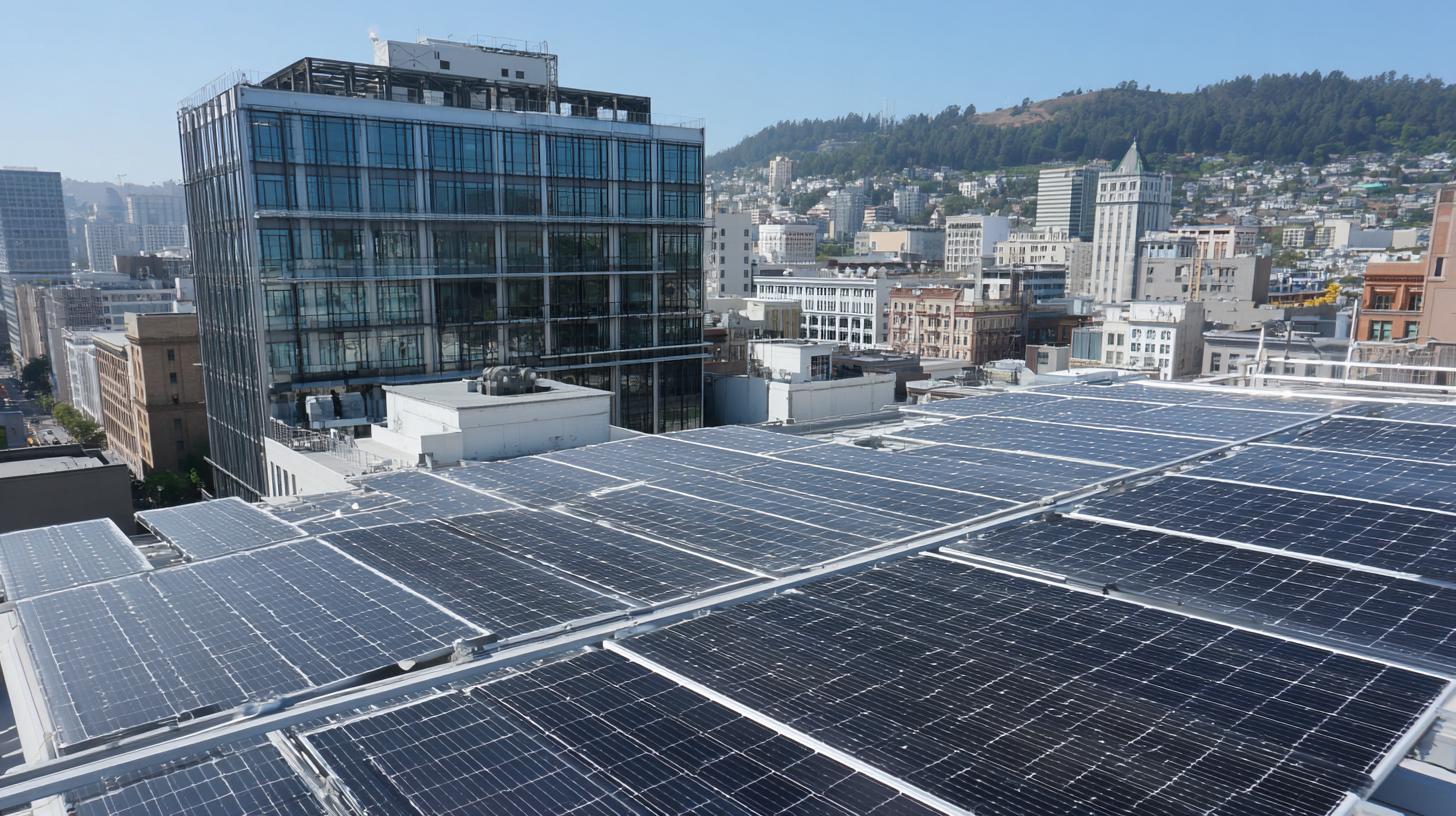
You know, there’s been a pretty interesting debate lately between Vertical Solar Panels and the usual horizontal setups, and it’s really heating up thanks to some new research. Experts are pretty amazed by how vertical solar panels are performing, with some reports indicating they can generate up to 20% more energy than the horizontal ones! Take this study, for example: it showed that a solar installation at Oslo's Ullevaal Stadium, which has a capacity of 248 kWp, was actually making more money in February than a similar horizontal setup did in sunny June. That’s a big deal, especially for places up north where winter sun can be pretty hard to come by.
Vertical solar PV technology is shaping up to be a really promising option, especially in northern regions where the weather can be unpredictable and sunlight isn’t always reliable. Researchers in Germany have found that these vertical installations can actually do a better job capturing sunlight at different angles and throughout the seasons. This makes them a really viable alternative for sustainable energy, especially where daylight hours are shorter. And with companies like SUNFREE Lighting Technology Co., Ltd. pushing innovation in this area, it seems like the future of solar energy is all about maximizing efficiency and making the most out of cutting-edge designs and tech!
Ideal Applications for Vertical Solar PV: Residential, Commercial, and Beyond
Vertical solar PV solutions are really shaking things up when it comes to capturing solar energy in all kinds of settings—think homes, businesses, and beyond. Unlike the usual flat solar panels you might be used to, these vertical setups make the most out of every bit of space. That’s a huge win for urban areas where rooftops can get a bit cramped. Plus, this cool design not only boosts energy capture on building sides but also shrinks the overall footprint, which is perfect for the push towards greener cities.
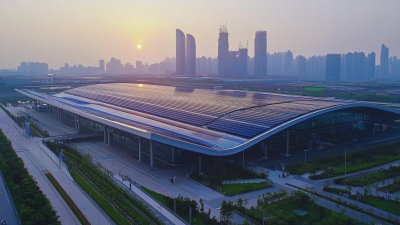
When it comes to homes, vertical solar PV systems blend in nicely with the house's look, giving you power while keeping things stylish. For businesses, they do double duty—act as a source of energy and add some eye-catching flair to the architecture. And with tech advancements like thin-film and multi-junction cells, these vertical systems are getting better and better, which means we’re bound to see them popping up in all sorts of applications. As the solar PV market keeps moving forward, these vertical designs are set to become a key player in meeting the varied energy needs out there.
Technological Innovations in Vertical Solar PV Solutions
You know, vertical solar PV solutions are really shaking things up in the world of renewable energy, thanks to some pretty cool tech advancements. Unlike the usual horizontal panels we've all seen, these vertical systems are specially crafted to grab sunlight even when space is tight. This makes them a fantastic fit for urban areas where installing solar panels on rooftops just isn’t an option. They’re using all sorts of high-tech materials and designs, like those bifacial solar cells that capture energy from both sides. This way, they can boost their output without taking up a ton of land.
One of the standout features of vertical solar technology is how they’ve integrated smart energy management systems. These systems are slick—they not only make the most of power generation based on how sunny it is at any given moment but also improve energy storage. This means folks can use their solar power more effectively! Plus, with advancements like transparent solar panels, aesthetics and functionality can go hand in hand.
Imagine buildings that keep their style while still being solar-savvy! As our cities keep growing, there’s going to be an even bigger need for sustainable energy solutions that fit into these bustling urban spaces. That’s where vertical solar PV really steps into the spotlight for the future of green tech.
Environmental Impact of Adopting Vertical Solar PV Solutions
You know, adopting vertical solar PV solutions could really change the game for our environment. It’s like a win-win in our search for clean energy! A recent study from the International Renewable Energy Agency (IRENA) shows that if we do this right in urban areas, we could cut global carbon emissions by around 70% by 2050. Just imagine how much of a difference that would make! Vertical PV systems, which harness the power of building facades and other vertical surfaces, make great use of space—especially in crowded cities where having solar panels sprawled out horizontally just isn’t feasible.
Plus, these systems don’t just save space; they deliver some serious energy output without taking up too much land. A report from the National Renewable Energy Laboratory (NREL) highlights that vertical setups can actually soak up about 25% more sunlight at certain times compared to traditional ones. That’s because they face less shading and are designed more effectively. This boost in efficiency is a big deal—it means we can lean less on fossil fuels and reduce greenhouse gas emissions, leading to a cleaner world for all of us. Switching to vertical solar PV isn’t just about slashing energy costs; it also fits right in with our global push for sustainable development and tackling climate change.
Cost Analysis and Financial Benefits of Vertical Solar Energy Systems
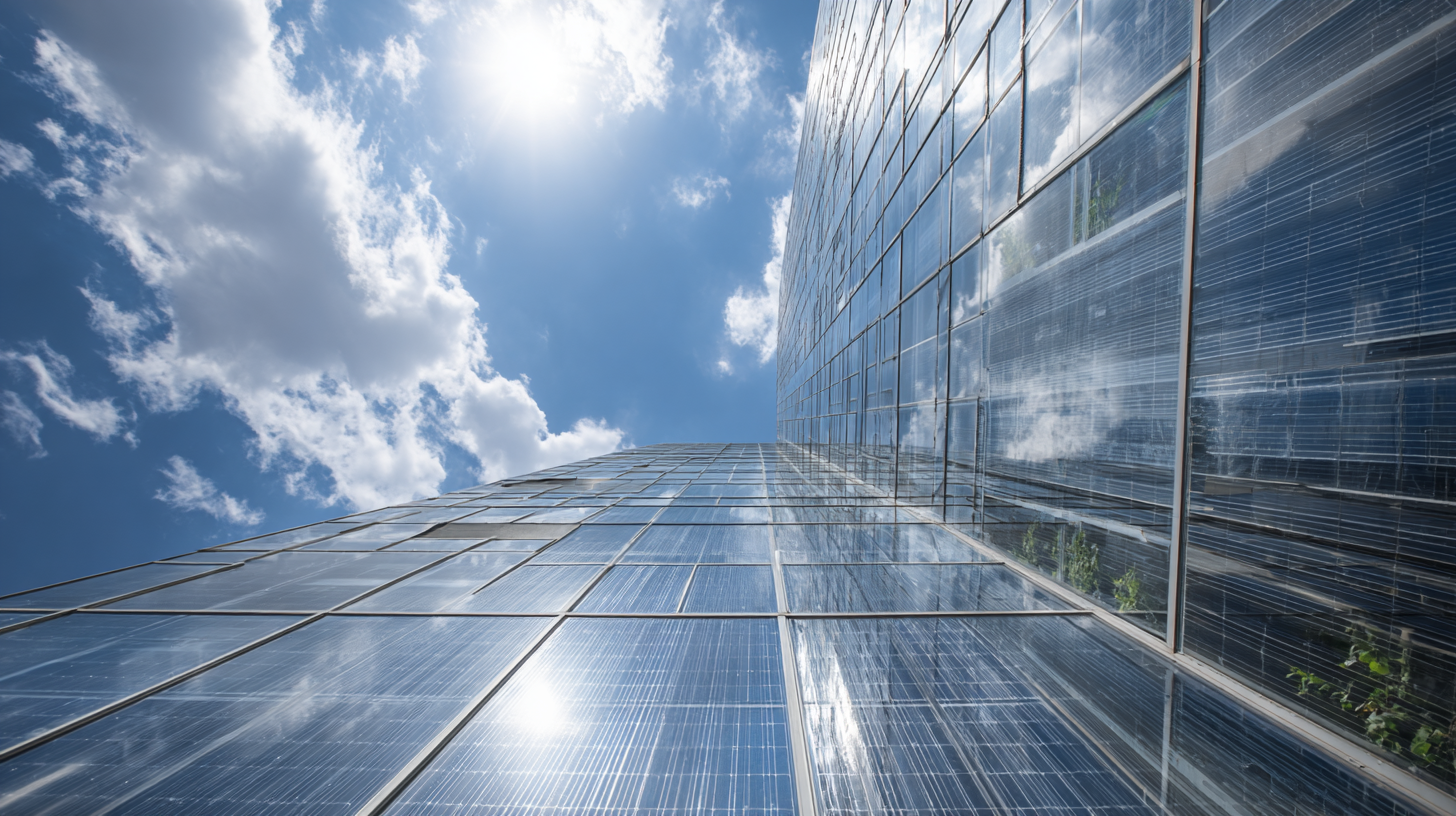
You know, vertical solar photovoltaic (PV) systems are really starting to take off as great alternatives to the old-school solar setups, especially in crowded city areas. They come with some cool perks, like taking up way less land and looking pretty nice too, which makes them perfect for sticking on the sides of buildings. Recently, some studies showed that if you really optimize these vertical solar installations, they can save a ton of money and offer some solid financial gains, especially when you pair them with smart grid tech. For instance, a cost analysis from the National University of Sciences and Technology found that while these systems might cost a bit more upfront to install, they can actually churn out higher energy outputs in the long run.
If you're thinking about jumping into vertical solar PV, it’s also a good idea to look into agrisolar co-location practices. They not only boost energy production but also help with farming productivity, which is a win-win! Plus, if you get a good grasp on the financial aspects—like those sweet incentives for renewable energy—you can really draw in some investment. There’s this report from the Institute for Energy Economics and Financial Analysis that points out how optimizing solar incentives in places like Pakistan could bump up exports and strengthen economic security by connecting the dots between food, water, and energy resources.
A few tips: 1) Always weigh those initial costs against what you’ll save down the road—making a smart investment is key. 2) Dig into local solar integration policies so you can make the most of any incentives available. 3) Don’t forget to think about co-locating agricultural projects. It’s a great way to juggle energy production with food security projects!
Exploring the Features of Best Vertical Solar Pv Solutions and Their Ideal Applications
| Feature | Description | Ideal Application | Estimated Cost (USD) | Financial Benefits (Annual Savings) |
| Space Efficiency | Vertical solar panels can be installed in small spaces and urban environments. | Urban buildings, residential complexes | $10,000 - $20,000 | $1,200 |
| Aesthetic Integration | Vertical systems can enhance the aesthetic appeal of buildings. | Commercial buildings, decorative installations | $15,000 - $30,000 | $1,500 |
| Performance | Vertical panels have higher efficiency rates in cloudy conditions. | Regions with frequent overcast weather | $12,000 - $25,000 | $1,300 |
| Orientation Flexibility | Can be installed facing any direction for optimal sunlight exposure. | Rooftops, facades, and unusual plots | $8,000 - $18,000 | $1,000 |
FAQS
: Vertical solar PV systems can generate up to 20% more energy in certain regions and effectively capture sunlight at varying angles, making them ideal for areas with seasonal variations in sunlight.
Vertical solar PV systems are especially advantageous in urban settings with limited roof space and in higher latitude regions where sunlight is scarce during winter months.
These systems can be seamlessly integrated into home architecture, providing energy while enhancing the aesthetic appeal of the buildings.
Optimized vertical installations can lead to significant cost savings and higher energy outputs, especially when utilized with smart grid technologies.
Although they may have a higher upfront installation cost, the long-term energy savings and financial benefits can justify the investment.
They maximize space utilization, reduce landscape footprint, and support aesthetic urban design while providing renewable energy solutions.
Yes, agrisolar co-location practices can enhance energy yields while supporting food security by integrating energy production with agricultural activities.
Stakeholders should assess upfront costs against long-term savings, research local solar incentives, and explore potential agricultural integration to optimize benefits.
The development of technologies such as thin-film and multi-junction cells is improving the efficiency and output of vertical solar PV systems.
Optimizing solar incentives can help attract investments, improve economic security, and encourage the integration of renewable energy sources in regions like Pakistan.