In today’s world, keeping your home safe has really become a top priority for a lot of folks. With how much technology has advanced, smart CCTV systems are now a go-to option for protecting your place. Security expert John Matthews once mentioned, “The secret to improving your home security is picking the right Intelligent Cctv system that fits your needs.” That really hits home, right? It’s all about making an informed choice when you're choosing a surveillance setup.
These intelligent CCTV systems come packed with cool features like smart motion detection, instant alerts, and the ability to check in remotely. All of these can seriously boost your home’s security. But as more options flood the market, it can get pretty overwhelming. That’s why it’s so important to know what to look for – understanding the different tech and features can help you pick a system that actually works for you.
In this guide, we'll go over the main things you should think about when choosing the best smart CCTV for your home. From camera quality and setup needs to how well it integrates with other tech – knowing these details will help you make smarter decisions and keep your home safer effectively.
Understanding the Role of Intelligent CCTV in Home Security
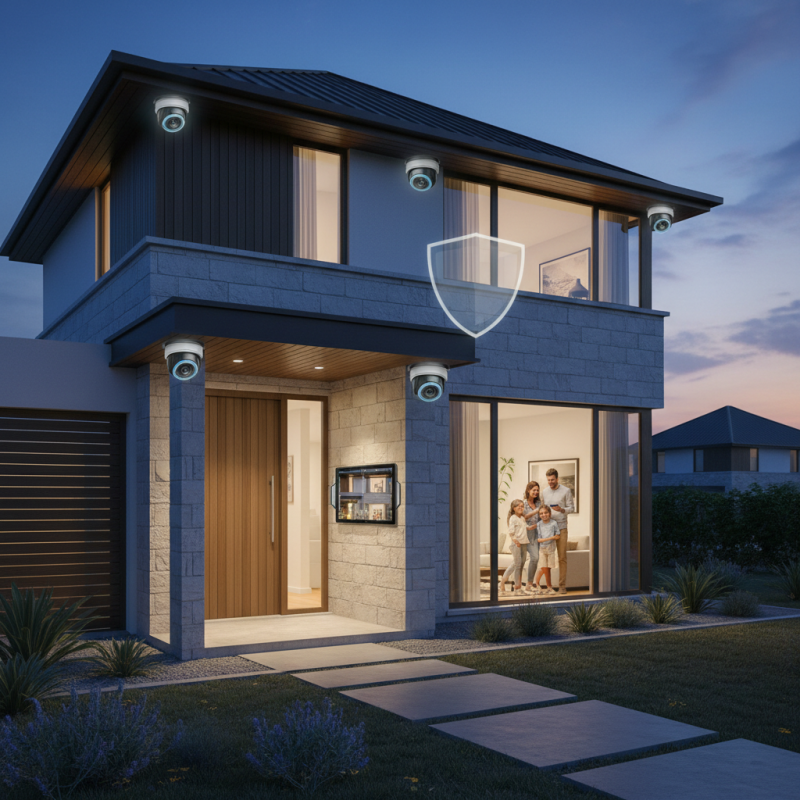
Intelligent CCTV systems have become a crucial component of modern home security, serving a variety of functions that go beyond traditional surveillance. Unlike standard CCTV cameras, intelligent systems utilize advanced technologies such as artificial intelligence and machine learning to enhance their effectiveness. These systems are capable of real-time video analysis, allowing them to identify potential threats, monitor unusual activity, and even send alerts to homeowners, thereby increasing response times in critical situations.
Additionally, the role of intelligent CCTV in home security extends to their ability to integrate with other smart home devices. With features like remote access and control via smartphones or tablets, homeowners can monitor their properties from anywhere in the world. Some intelligent CCTV systems also include facial recognition and motion detection capabilities, enabling personalized security measures. This proactive approach not only deters potential intruders but also provides peace of mind, as homeowners can stay informed and engaged with their home’s security, no matter where they are.
Key Features to Look for in Intelligent CCTV Systems
When selecting an intelligent CCTV system for your home, there are several key features that can greatly enhance your security experience. One of the most crucial aspects is video resolution. Opt for a camera that offers at least 1080p resolution to ensure clear and detailed footage. This is especially important for identifying faces or details in critical areas around your property. Additionally, look for systems equipped with night vision capabilities, which allow for effective monitoring even in low-light conditions, providing peace of mind during nighttime hours.
Another important feature to consider is motion detection. Intelligent CCTV systems with advanced motion sensors can reduce false alerts by differentiating between normal activity and potential threats. Some systems allow you to customize the sensitivity and areas to monitor, which can help minimize unnecessary notifications.
Additionally, features like cloud storage options can ensure that your footage is securely backed up and easily accessible, giving you the flexibility to review recordings whenever necessary. Finally, ease of integration with smart home devices can streamline your security setup, allowing you to monitor and control your CCTV system conveniently through your smartphone or tablet.
Assessing Video Quality: Resolutions and Viewing Angles
When choosing the best intelligent CCTV for your home security, assessing video quality is paramount. The resolution of the camera determines how clear the images will be, which is crucial for identifying intruders or events. According to industry reports, a CCTV camera with a resolution of at least 1080p (Full HD) is recommended for most residential settings. This resolution provides a pixel count of 1920x1080, allowing for sharper and more detailed images. For those looking for even more clarity, 4K resolution options (3840x2160) are becoming increasingly popular, offering four times the detail of 1080p and enabling effective zooming without losing image quality.
Viewing angles are equally important in the assessment of CCTV systems. A camera with a wider field of view can cover more area, reducing the number of cameras needed and ensuring comprehensive coverage of your property. Commonly, cameras offer viewing angles ranging from 70 degrees to 180 degrees. A wider angle allows for better monitoring of large spaces, but keep in mind that excessively wide angles can distort images. According to research, a field of view of around 100-120 degrees is often sufficient for home use.
**Tip:** When selecting your CCTV system, consider where you plan to install the cameras. Areas such as entry points and driveways should have cameras with both high resolution and appropriate viewing angles to capture details effectively.
**Tip:** Don’t forget to check the low-light performance of the cameras. Many modern cameras are equipped with infrared technology, which significantly enhances their ability to record clear images during nighttime or low-light conditions.
How to Choose the Best Intelligent CCTV for Your Home Security Needs - Assessing Video Quality: Resolutions and Viewing Angles
| Resolution | Common Viewing Angles | Best Use Cases | Approximate Cost |
| 720p (1280x720) | 90° - 120° | Basic surveillance, indoor use | $50 - $100 |
| 1080p (1920x1080) | 90° - 110° | Home security, small businesses | $100 - $200 |
| 1440p (2560x1440) | 80° - 105° | Detailed video footage needed | $150 - $300 |
| 4K (3840x2160) | 70° - 90° | High-security areas, large spaces | $300 - $600 |
| 8K (7680x4320) | 60° - 80° | Professional settings, extensive coverage | $800 - $1500 |
Evaluating Connectivity Options: Wired vs. Wireless CCTV
When selecting an intelligent CCTV system for home security, deciding between wired and wireless options is crucial. Wired CCTV systems typically offer more reliability and higher video quality since they are less susceptible to interference. According to studies by market research firms, wired systems are preferred in installations requiring stable connectivity, with a failure rate of less than 2% compared to wireless systems, which can see failure rates upwards of 10% due to interference from other devices or obstacles.
On the other hand, wireless CCTV systems provide flexibility and ease of installation, making them an attractive choice for many homeowners. They can be placed in areas where running cables would be challenging or costly. However, it’s essential to ensure that the wireless cameras are operating at a frequency that avoids interference, such as utilizing dual-band technology. Recent reports indicate that nearly 60% of consumers favor wireless models mainly due to their convenience and adaptability.
**Tips**: When choosing between wired and wireless CCTV systems, consider the layout of your home and the potential interference sources. If you opt for wireless, invest in a mesh Wi-Fi system to enhance connectivity across multiple devices. For wired systems, ensure that your cables are installed properly to avoid damage.
Comparative Analysis of CCTV Connectivity Options
This chart illustrates the preference for wired vs. wireless CCTV systems among users. A significant majority opt for wired CCTV, likely due to its reliability and stability in connectivity. Conversely, wireless options, while convenient, are less favored among users when it comes to security applications.
Analyzing Storage Solutions for Recorded Footage
When selecting an intelligent CCTV system for your home, one of the critical considerations is the storage solution for recorded footage. Effective storage options not only ensure that you can access footage easily but also affect how much data your system can retain. Commonly, users have the option to choose between local storage solutions, such as external hard drives and Network Video Recorders (NVRs), and cloud storage, which provides offsite data management.
Local storage generally offers advantages in terms of speed and immediate access since recordings are saved on a physical device within close proximity. However, it can be limited by the device's capacity, requiring you to regularly manage and delete older footage to make space for new recordings. In contrast, cloud storage allows for greater flexibility and scalability. It can accommodate a larger amount of footage without the need for additional hardware, and many services provide backup options that safeguard against data loss. Nonetheless, users should consider ongoing subscription costs and internet bandwidth, as accessing recordings remotely may consume significant data.
Ultimately, the best storage solution depends on individual needs and preferences. Factors such as budget, the amount of footage that needs to be retained, and reliability of internet connectivity will guide your decision-making process. Thoroughly analyzing these options will lead to a more informed choice that enhances your overall home security setup.
User-Friendliness: Mobile Access and Interface Design
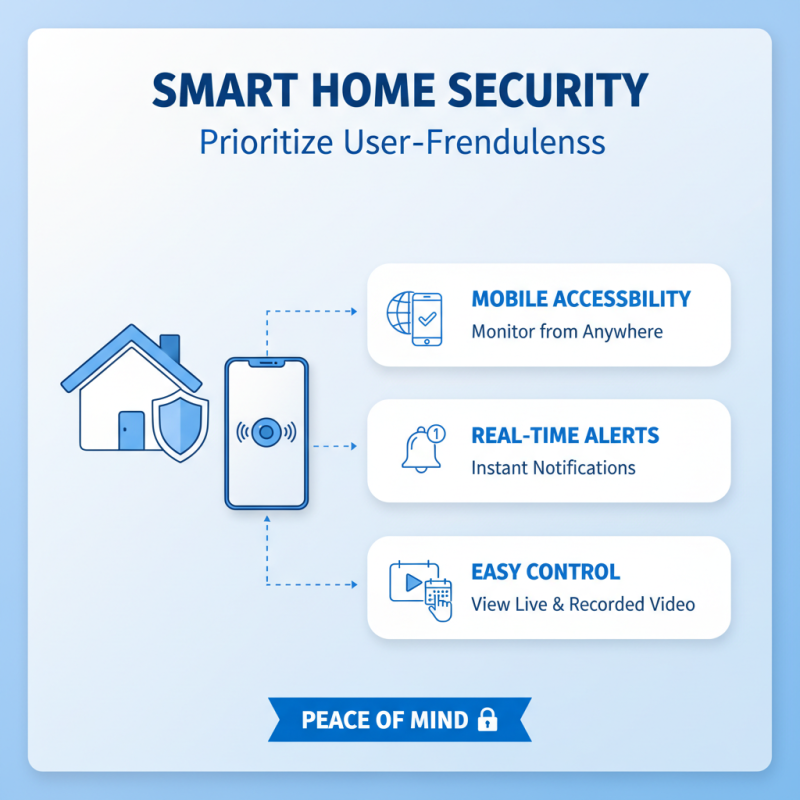
When selecting an intelligent CCTV system for home security, prioritizing user-friendliness is essential. A key aspect of this is mobile access, which allows homeowners to monitor their property from virtually anywhere. With a user-friendly mobile application, users can receive real-time alerts, view live footage, and access recorded video with just a few taps on their smartphones. This convenience empowers homeowners to keep a close eye on their premises, even while away, enhancing peace of mind.
In addition to mobile access, the interface design of the CCTV system plays a significant role in its usability. An intuitive interface can make all the difference when managing surveillance settings and navigating through features. A well-designed dashboard should provide easy access to critical functions, such as adjusting camera angles, configuring motion detection settings, and reviewing past records. With clear icons and simple navigation, users can quickly familiarize themselves with the system, reducing the learning curve and allowing for more efficient use of the technology. By focusing on these aspects, homeowners can choose an intelligent CCTV system that not only meets their security needs but is also easy to operate.
Considering Budget Constraints and Cost-Effectiveness
When selecting the best intelligent CCTV for your home security, it's crucial to evaluate the budget constraints while ensuring cost-effectiveness. According to a report by ResearchAndMarkets, the global smart security camera market is projected to grow at a rate of 30% annually, fueled by the increasing demand for surveillance solutions. This suggests that while the market is expanding, consumers are presented with a variety of options that can fit various budgets.
To determine the right intelligent CCTV system, homeowners should consider the initial costs as well as long-term expenses, including installation, storage, and maintenance. A report by MarketsandMarkets indicates that cloud storage costs can add significantly to the overall expense, sometimes as much as 30% of the initial outlay over time. It’s essential to balance the upfront costs with the potential recurring costs associated with cloud services versus local storage solutions, leading to a more economically sensible choice.
By analyzing these factors, homeowners can invest in a security system that not only meets their needs but also fits their financial plan, ensuring optimal protection without compromising on quality.
FAQS
: Intelligent CCTV systems utilize advanced technologies such as artificial intelligence and machine learning, allowing for real-time video analysis, identification of potential threats, and sending alerts to homeowners, thereby enhancing security effectiveness.
Intelligent CCTV systems can connect with other smart home devices, enabling features like remote access and control via smartphones or tablets, allowing homeowners to monitor their property from anywhere.
A CCTV camera with a resolution of at least 1080p (Full HD) is recommended for residential settings, providing clearer images for identifying events and intruders.
The viewing angle determines how much area a camera can cover. A wider viewing angle can reduce the number of cameras needed, but excessively wide angles may distort images; a range of 100-120 degrees is often sufficient for home use.
Users can choose between local storage solutions, such as external hard drives and Network Video Recorders (NVRs), and cloud storage, which offers offsite data management and scalability without the need for additional hardware.
Local storage provides immediate access and speed but can be limited by device capacity, requiring regular management. Cloud storage offers flexibility and scalability but may involve ongoing subscription costs and high data usage for remote access.
Low-light performance is crucial, as many incidents occur at night. Cameras equipped with infrared technology can capture clear images in low-light conditions, enhancing overall security.
Cameras should be installed at key entry points and driveways, where high resolution and appropriate viewing angles can capture important details effectively.
Key factors include budget, the amount of footage needing retention, reliability of internet connectivity, and personal preferences for access and management of recorded footage.
Video analysis allows intelligent CCTV systems to monitor unusual activities and recognize specific threats, enhancing the security response and providing real-time alerts to homeowners.
Conclusion
When selecting the best Intelligent CCTV for your home security needs, it's essential to understand its critical role in safeguarding your premises. Intelligent CCTV systems contribute significantly by offering advanced features that enhance security, such as motion detection, facial recognition, and smart alerts. Key attributes to consider include video quality, connectivity options (wired vs. wireless), and accessible storage solutions for recorded footage.
Additionally, assess the user-friendliness of the system, focusing on mobile access and interface design, to ensure that you can efficiently monitor your home remotely. Budget constraints are also crucial, as a cost-effective solution must be balanced with the necessary features to ensure comprehensive security. By evaluating these aspects, you can choose an Intelligent CCTV system that effectively meets your specific security requirements.