Leave Your Message
0%

Navigating the world of Outdoor Lighting can be pretty tricky, especially when you're trying to pick the right solar lamps. I mean, with so many options out there, it’s easy to feel overwhelmed. John Smith, an industry pro at BrightGlow Solar, puts it simply: "Choosing the best solar lamps really boils down to understanding what your outdoor space actually needs." That hit home, right? It just reminds us that thoughtful consideration is key when selecting solar lighting solutions.

When you're shopping around, don’t forget to check out stuff like brightness, Battery life, and design. Different outdoor areas call for different kinds of lighting. For example, solar street lamps need to throw out a pretty steady, reliable glow—so you want something that’s consistent. Meanwhile, for your garden or backyard, maybe you’re after something more decorative that still does the job.

Also, go for brands you can trust, ideally ones that offer good warranties. It’s a smart idea to look at customer reviews too—people tend to share honest feedback on how these lamps actually perform in real life. I’ve seen plenty of reviews where folks say the lamps didn’t quite live up to what was advertised. That just goes to show—quality can really vary. So, make sure you weigh your options carefully. Think back to your past buying experiences—did they work out? Remember, the right solar lamp makes a big difference, not just for how your outdoor space looks, but also for safety and vibe. So, take your time and choose wisely—you’ll thank yourself later!"
How to Choose the Best Solar Lamps for Your Outdoor Needs?

Understanding the Different Types of Solar Lamps for Outdoor Use

When selecting solar lamps for outdoor use, understanding the different types available is crucial. There are primarily three categories: pathway lights, spotlights, and wall-mounted lamps. According to a recent industry report, pathway lights account for nearly 40% of solar lighting sales. They provide visibility along walkways and enhance safety. Spotlights, used for accenting specific garden features, have gained popularity, representing about 35% of the market.

Wall-mounted solar lamps are often used for security and can reduce nighttime accidents. They typically capture excess sunlight during the day for efficient nighttime illumination. The report emphasizes that consumers should consider the brightness level, measured in lumens, and the battery capacity. Many models vary significantly in these aspects. Yet, some products may underperform based on geographic location or weather conditions, an aspect often overlooked by buyers.

Understanding how solar lamps suit your environment will enhance their effectiveness. Factors include sunlight exposure and seasonal changes. For instance, areas with prolonged cloudy days might require higher-capacity batteries. This knowledge can prevent disappointment. Aim for lamps that fit your specific needs. Evaluating each type critically will lead to a more satisfying purchase experience.

Evaluating Solar Lamp Brightness: Lumens and Their Impact on Lighting

When selecting Solar Lamps, brightness is a crucial factor. Measured in lumens, this rating indicates how much visible light is emitted. According to the U.S. Department of Energy, a standard path light should emit at least 100 lumens for adequate visibility. For large areas, such as gardens, consider fixtures that deliver over 800 lumens. This helps ensure safety and security during nighttime.

Understanding your outdoor space is vital. A dimly lit area may benefit from higher lumens, while some settings require subtler lighting. However, brighter isn’t always better; excessive light can create glare or detract from ambiance. A balance is necessary. For instance, a cozy seating area may thrive with 200 to 400 lumens, promoting relaxation without overwhelming brightness.

Remember, efficiency matters as well. Look for models claiming at least 50 lumens per watt. This can guide you toward environmentally friendly options. Additionally, consider placement. Lights that receive full sunlight will perform better. Ultimately, the right lumen level enhances both functionality and aesthetic appeal, making your choice of solar lamps more effective and satisfying.

Assessing Solar Panel Efficiency: How it Affects Performance and Longevity

When choosing solar lamps for your outdoor needs, the efficiency of the solar panel is crucial. Solar panel efficiency directly affects how much sunlight is converted into usable energy. A higher efficiency rating means better performance and longer-lasting light. For instance, efficient panels can absorb more sunlight in less time. This is particularly beneficial in areas with variable sunlight conditions.

Consider the materials used in the solar panels. Durable materials can enhance longevity. Some panels might not withstand harsh weather conditions. It's essential to assess the warranty and lifespan provided by manufacturers. A reliable warranty can be a good indicator of quality. Additionally, not all solar lamps are created equal. Some might last only a season or two, while others shine for years.

Pay attention to the location of your installation as well. A well-placed lamp can perform better than a poorly positioned one. Factors like surrounding trees and buildings can impact sunlight exposure. Reflecting on these aspects can help optimize performance. Don't hesitate to test different positions for the best results.

Battery Capacity and Type: Choosing the Right Power Source for Solar Lamps

When selecting solar lamps for outdoor use, battery capacity and type are crucial choices. Lithium-ion batteries are popular for their efficiency and longevity. They often provide better performance in varying temperatures. However, they can be pricier compared to other options.

Lead-acid batteries are another option, but they are heavier and have a shorter lifespan. If you select this type, consider the weight and maintenance involved. For projects requiring consistent light, a higher capacity battery may be necessary. It ensures your lamps will last through the night. Many users overlook the importance of solar panel quality, which also affects performance.

Reviewing CE Certification Solar Street Lamps can offer guidance. These products meet specific safety and performance standards. However, ensure that your chosen lamp's specifications align with your outdoor needs. It can be disheartening when lights fail to illuminate adequately. Consider your local climate and usage frequency before making a decision. Each factor plays a significant role in the overall effectiveness of your solar lamps.

Weather Resistance Ratings: Ensuring Durability in Outdoor Conditions

How to Choose the Best Solar Lamps for Your Outdoor Needs?

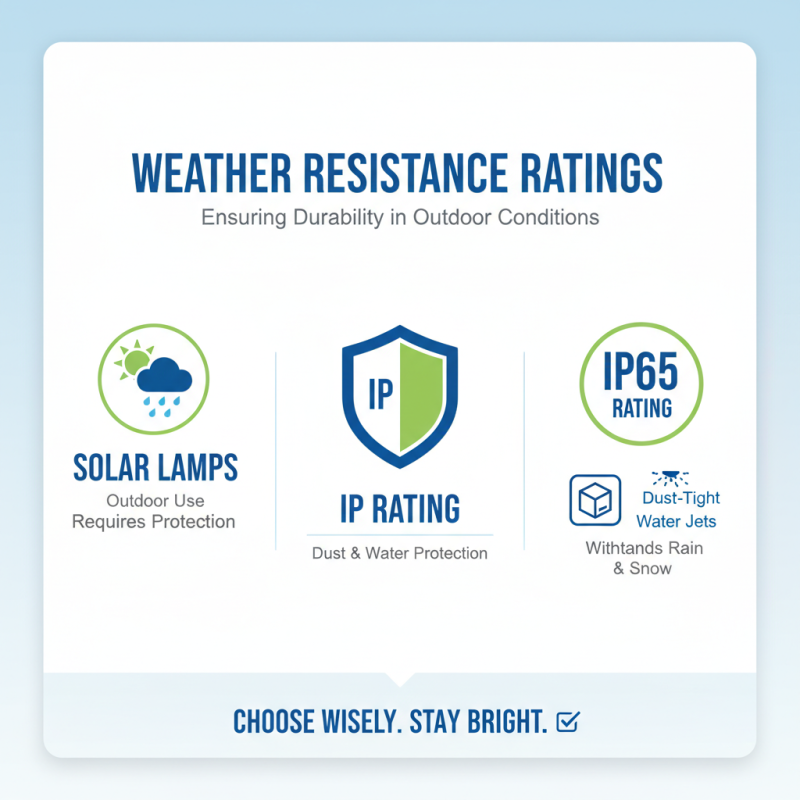
When selecting solar lamps for outdoor use, weather resistance is critical. Understanding the ratings can help you make informed decisions. Look for IP ratings, which indicate protection against dust and water. An IP65 rating signifies that the lamp is dust-tight and can withstand streams of water from any direction. This is essential for areas prone to rain or snow.

It's wise to consider materials as well. High-quality materials enhance durability. Aluminum and tempered glass withstand harsh conditions. Cheap plastics may degrade over time, losing their effectiveness. Solar lamps with sturdy construction hold up better against winds and storms. Always check reviews that discuss long-term performance.

Tips: Assess the supplier's reputation. Solar Street Lamps Manufacturers should have a history of reliability. Research online and ask for recommendations. Ensure they provide warranties for peace of mind. Don't settle for the first option. A little patience can lead to better choices. Evaluate your environment. If conditions are extreme, invest in top-tier products. Your outdoor illumination deserves the best protection.

Installation Considerations: Placement and Orientation for Maximum Sunlight

How to Choose the Best Solar Lamps for Your Outdoor Needs?

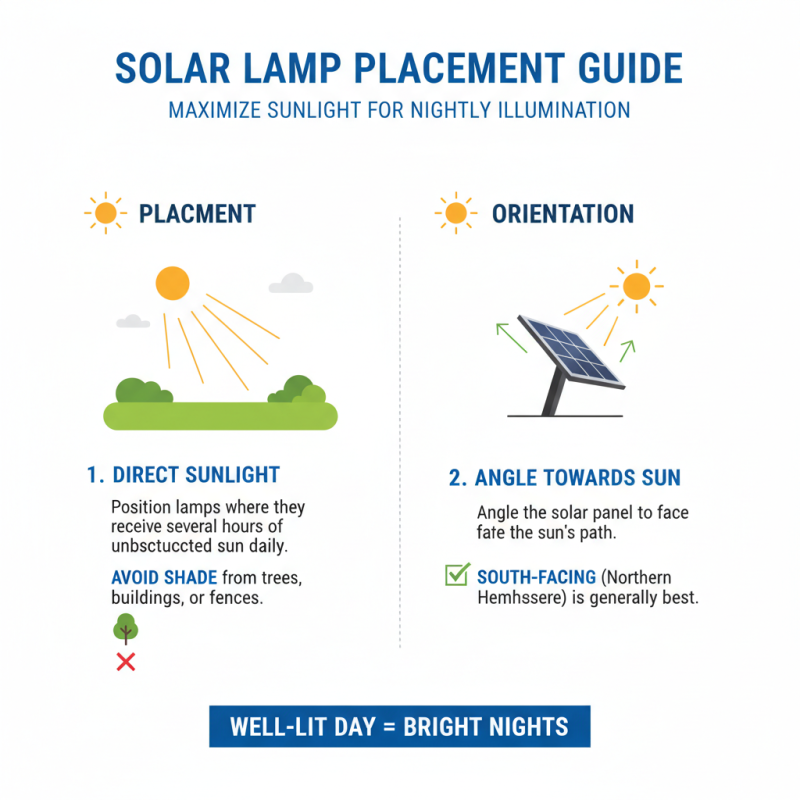
When selecting solar lamps for outdoor spaces, placement and orientation play crucial roles. Ideally, you should position the lamps where they receive direct sunlight for several hours each day. This maximizes their charging potential. A well-lit area ensures the lamps can provide sufficient illumination at night.

Consider objects that can block sunlight, like trees or buildings. These can significantly reduce the efficiency of solar lamps. To optimize performance, observe how the sunlight moves across your yard throughout the day. This will help you find ideal spots for installation.

Don’t overlook the angle of the solar panels. They should face south (in the Northern Hemisphere) for optimal sun exposure. Experimenting with placement may feel tedious but is necessary for achieving the best results. You might need to adjust the position after initial installation to see what works best in different seasons.

Reviewing Consumer Ratings and Expert Recommendations for Solar Lamps

When selecting solar lamps for outdoor spaces, it's vital to consider consumer ratings and expert recommendations. According to the 2022 Solar Lighting Market Report, over 70% of buyers prioritize efficiency and durability in their purchases. This statistic reflects the importance of reliability, especially for Street Lamps that must withstand varied weather conditions.

User reviews often highlight notable features. Many consumers appreciate adjustable brightness settings and extended battery life. Some ratings indicate that users prefer models with at least 8 hours of illumination. However, some products still fall short on performance. It's essential to investigate reported issues, like varying brightness levels and short battery lifespan.

Experts recommend looking for solar lamps with high-quality solar panels. They emphasize choosing models with at least 3.7 volts for optimal performance. Certain models may be more aesthetically pleasing but may not perform as well. Balancing design and functionality is crucial. Failing to do so can lead to dissatisfaction, especially in high-traffic areas where effective lighting is most needed.

How to Choose the Best Solar Lamps for Your Outdoor Needs?

Lumens Battery Type Weather Resistance Charging Time (hours) Runtime (hours) Consumer Rating (out of 5)
200 Lithium-ion IP65 4 12 4.5
150 NiMH IP67 5 10 4.0
300 Lithium-ion IP68 6 14 4.8
100 NiMH IP54 3 8 3.5

FAQS

: What are the main types of solar lamps for outdoor use?

: The primary types are pathway lights, spotlights, and wall-mounted lamps. Each serves a unique purpose.

How can brightness affect my solar lamp choice?

Brightness is measured in lumens. Higher lumens mean more light, which can enhance safety in dark areas.

What brightness is adequate for pathway lights?

A standard pathway light should emit at least 100 lumens for proper visibility during nighttime.

How does solar panel efficiency impact performance?

Higher efficiency panels convert more sunlight into energy. This leads to better performance and longer-lasting light.

What factors should I consider for optimal lamp placement?

Consider surrounding trees, buildings, and sun exposure. A well-placed lamp can perform significantly better.

Can solar lamps underperform in certain conditions?

Yes, geographic location and weather can affect performance. Some products may not work well in cloudy areas.

What lumen level is best for a cozy seating area?

For relaxation, aim for 200 to 400 lumens. This provides a comfortable atmosphere without overwhelming brightness.

Why is it important to check the warranty of solar lamps?

A good warranty often indicates quality and can guide you toward more durable products that last longer.

Conclusion

When selecting the best solar lamps for outdoor use, it's essential to understand the various types available, each suited for different needs and settings. Evaluating brightness through lumens helps determine how effectively a solar lamp will illuminate your space. The efficiency of the solar panel plays a critical role in the lamp's performance and longevity, while battery capacity and type directly influence how long the lamp will operate during the night.

Additionally, assessing weather resistance ratings ensures that your chosen solar lamps can withstand outdoor conditions. Proper installation, including placement and orientation, is vital for maximizing sunlight exposure to the lamps. Finally, reviewing consumer ratings and expert recommendations can provide valuable insights, helping you make an informed decision on the best solar lamps for your specific outdoor requirements.
Liam

Liam

Liam is a dedicated marketing professional at Zhongshan Sanhui Lighting Technology Co., Ltd., where he leverages his expertise to enhance the company's online presence. With a profound understanding of the lighting industry, Liam regularly updates the company's professional blog, sharing insights......
Previous Best Wholesale China Outdoor Light Service Options Available?