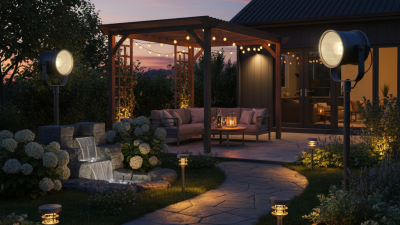
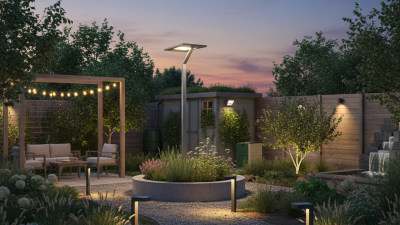
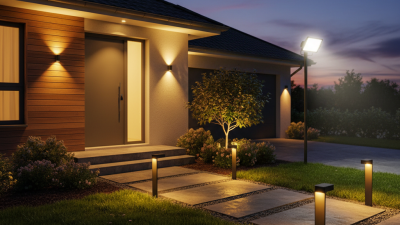
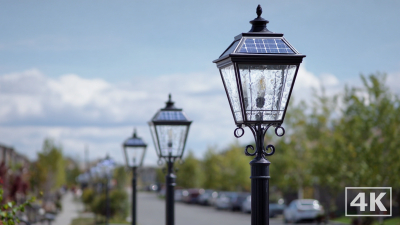
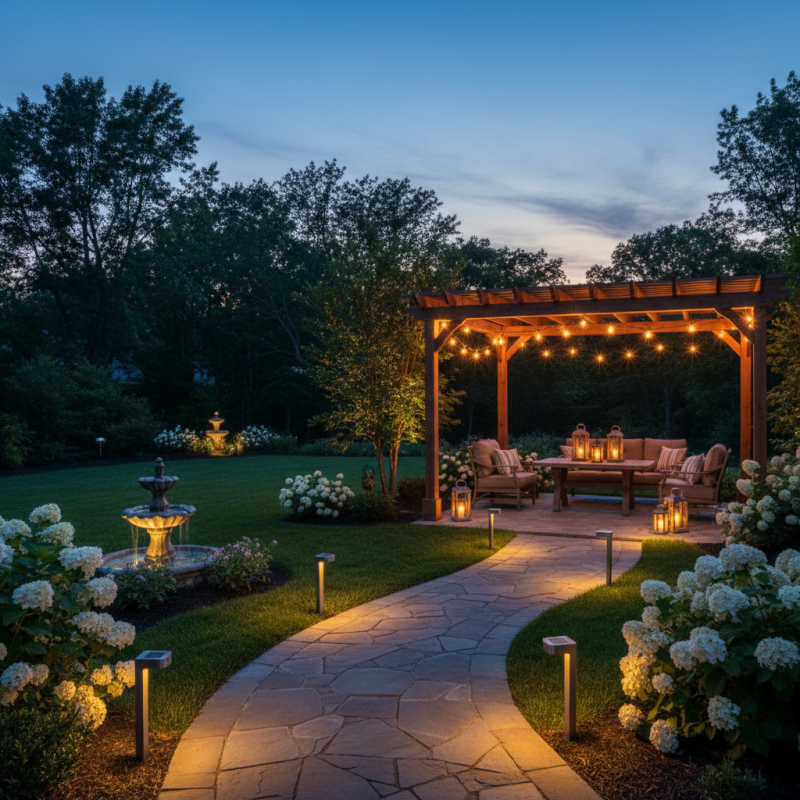
Picking out the right solar outdoor lighting can really make a big difference in how your outdoor space feels. You’ve probably noticed, solar lights are super popular these days—and for good reason! They’re a green, eco-friendly way to light up your garden, patio, or walkway without much hassle. But here’s the thing: the market's kind of packed with so many options that it can feel overwhelming trying to find the perfect one for you.
When you're shopping for solar Outdoor Lights, it pays to think about a few things. Like, how bright do you want them? What style suits your yard or home? And don’t forget about battery life—some last longer than others. All these little details add up when it comes to both how they look and how well they work. It’s also a smart idea to check out reviews from other folks who’ve tried them—trust me, it can save you a lot of headache in the long run.
Honestly, there’s no one-size-fits-all answer here. Every outdoor space is a bit different, so your lighting setup should match what you’re aiming for. Do you want a warm, cozy vibe? Or maybe something super bright and functional? Once you really figure out what feels right for your place, making a choice becomes a lot easier. Just remember—Solar Outdoor Lighting isn’t just about illuminating; it’s about making your outdoor experience more enjoyable and inviting.
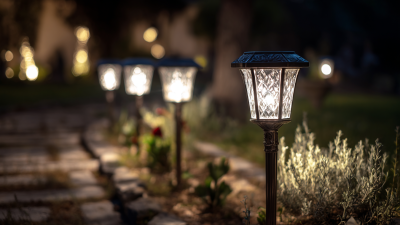
Solar outdoor lighting offers many benefits for homeowners. It provides a sustainable solution to illuminate gardens, pathways, and patios. According to a report by the U.S. Department of Energy, using solar lighting can reduce energy bills by up to 60%. This reduction can significantly impact long-term savings, especially in areas with high electricity rates.
Additionally, solar outdoor lights often come with CE Certification, ensuring a level of safety and quality. Homeowners can trust that these products meet rigorous standards. The ease of installation is another advantage. Since solar lights don't require complex wiring, they can be set up quickly without professional help. This accessibility can motivate homeowners to enhance their outdoor spaces, thereby increasing property value.
However, it's essential to consider the limitations of solar lighting systems. Efficiency can vary based on geographical location and seasonal changes. During cloudy seasons or winter months, light output may decrease. Homeowners should reflect on these factors when planning installations. Investing in solar outdoor lighting can be rewarding, but it requires careful consideration of specific needs and local conditions.
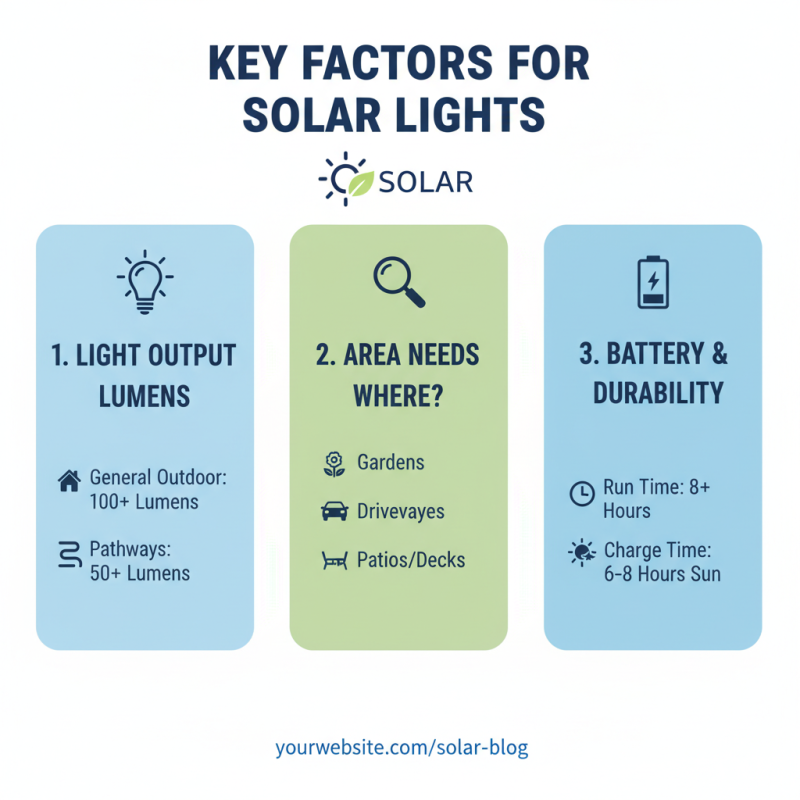
When selecting solar outdoor lighting, several key factors significantly influence your decision. Light output is crucial. The ideal brightness is measured in lumens. For general outdoor space, choose lights with at least 100 lumens. For pathways, 50 lumens can suffice. Understanding the needs of your area is vital.
Battery capacity matters too. Solar lights rely on their batteries to store energy. Look for options with high-capacity batteries. These can last longer through the night. A recent study showed that over 70% of solar lights underperform due to inadequate battery quality. This affects their usability, especially in cloudy weather.
Tip: Consider the installation location. Position the lights where they receive ample sunlight during the day. This enhances performance and longevity.
Also, evaluate the materials used in the product. Durable materials, like tempered glass and weather-resistant plastics, ensure longevity. A report from the Solar Energy Industries Association highlights that quality materials significantly improve the lifespan of solar lights.
Ultimately, spending time researching various options is essential. It’s common to feel overwhelmed. Taking a moment to reflect on your specific needs can save you from regrettable purchases.
When selecting solar outdoor lighting, understanding solar panel efficiency ratings is crucial. Efficiency ratings indicate how well a panel converts sunlight into energy. Higher ratings mean more energy production in smaller spaces. Popular technologies like monocrystalline and polycrystalline panels vary in efficiency and cost. Monocrystalline panels often have better efficiency, making them ideal for areas with limited sunlight.
Many Solar Outdoor Lighting Manufacturers offer a range of efficiency ratings. It’s important to compare these ratings according to your needs. Some products might boast high numbers but can perform poorly in real conditions. Consider your geographic location and average sunlight hours. If you live in a shaded area, a panel with a slightly lower efficiency might suffice.
Another factor to ponder is battery storage. A high-efficiency solar panel can charge a battery quickly, but if the battery’s quality is low, it won't store energy effectively. This mismatch can lead to disappointment. Reflect on your requirements, local climate, and how you plan to use the lights. Being informed helps in making better choices. Your solar lighting system should align with your lifestyle and outdoor needs.
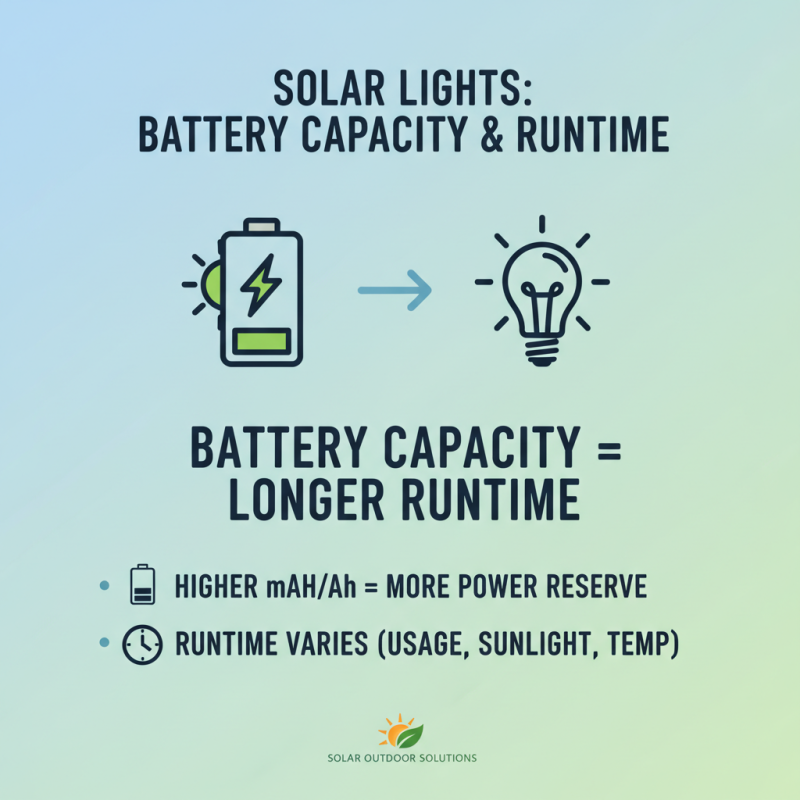
When choosing solar outdoor lighting, understanding battery capacity and runtime is crucial. Battery capacity determines how long your lights will function once charged. A higher capacity typically means longer runtime. However, this can vary based on usage and environmental factors.
Assess your needs carefully. If you want lights that shine all night, look for models with larger batteries. However, larger batteries can take longer to charge. In contrast, smaller batteries charge quickly but may not last through the night. Think about where you will place your lights. A heavily shaded area may not provide enough sunlight for full charging, affecting runtime.
Runtime is equally important. Some lights have a runtime of 6 hours while others can last up to 12 hours. Verify these numbers from reliable sources to ensure accuracy. It’s also wise to consider the seasonal changes in sunlight. The shorter days of winter can reduce battery life. Keep these details in mind when selecting solar lights for your home. Evaluate the trade-offs, and don’t hesitate to adjust your preferences based on real-world observations.
When selecting solar outdoor lighting, evaluating lumens output is essential. Lumens measure brightness, and understanding your space helps you choose wisely. If your yard is large, you might need higher lumens. For small pathways, lower output may suffice. Too much brightness can create glare, unsettling those passing by.
Consider the specific areas you want to illuminate. For example, seating areas require softer light for comfort. In contrast, security lights need higher lumens for effective coverage. Sometimes, it's tempting to choose the brightest option available. That's not always the best choice, as over-lighting can feel artificial. The key is balancing brightness and ambiance.
Evaluate the layout of your outdoor space. If shadows are prevalent, extra lumens could help. However, uneven lighting can make areas feel eerie. Reflect on how you plan to use the space. Will it host gatherings or provide a peaceful retreat? The right lumens can enhance or detract from that experience. Lighting is about creating an inviting atmosphere, not just visibility.
| Type of Lighting | Lumens Output | Coverage Area (sq ft) | Average Runtime (hours) | Best Use Case |
|---|---|---|---|---|
| Solar Path Lights | 10-100 | 10-20 | 8-12 | Pathways, Gardens |
| Solar Flood Lights | 100-800 | 200-1,000 | 10-15 | Patios, Driveways |
| Solar String Lights | 20-200 | 20-50 | 8-10 | Decorative Lighting |
| Solar Spot Lights | 50-300 | 15-100 | 10-12 | Highlighting Features |
| Solar Wall Lights | 50-200 | 10-30 | 6-10 | Security, Entryways |
When selecting solar outdoor lighting, consider whether to use motion sensors or dusk-to-dawn features. Motion sensors activate lights when movement is detected. They're perfect for security, illuminating spaces only when needed. This saves energy and prolongs the lifespan of the lights. However, they may also cause frustration if overly sensitive or poorly positioned.
Dusk-to-dawn lights, on the other hand, automatically turn on at sunset and off at sunrise. They're ideal for continuous lighting, providing a warm glow throughout the night. This option requires no manual adjustment but may consume more energy. The right choice depends on your specific needs and how you plan to use the area.
Tips: Assess your outdoor space before making a decision. Think about where you need light and the purpose behind it. Install lights in high-traffic areas for better visibility. Consider combining both features for maximum performance. By investing in High-Quality Solar Outdoor Lighting, you're ensuring durability and efficiency. Remember to review your setup periodically to adapt to changing needs.
When considering solar outdoor lighting, budgeting is key. The initial costs of solar lights may appear high. However, they often provide long-term savings. Traditional lighting depends on electricity. This adds significant utility bills over time. Solar lights, on the other hand, harness the sun's energy. This free resource drastically reduces ongoing expenses.
It's essential to analyze the total cost of ownership. Evaluate not just the purchase price, but also maintenance and energy costs. Solar lights typically have lower maintenance needs. They use LED technology which has a longer lifespan. You can often calculate savings over five years. This can help in making a clearer choice between solar and traditional options.
It’s also vital to assess quality. While cheaper options might save money upfront, they often lack durability. Researching reputable Solar Outdoor Lighting Manufacturers can guide you. Not all products are created equal. Some may not withstand harsh weather conditions. Investing in quality might mean a higher initial expense. But it can lead to more substantial savings and better performance long-term.
This chart illustrates the average costs of solar outdoor lighting compared to traditional lighting options. As seen, solar lights are typically more affordable, offering a cost-effective solution for outdoor illumination.
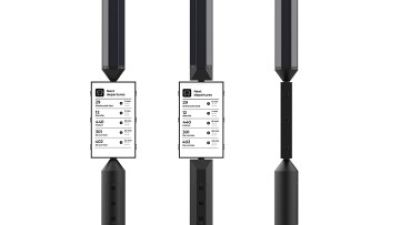
The concept of vertical solar-powered bus stop boards represents a significant advancement in public transit infrastructure, intertwining functionality with sustainability. These innovative structures not only provide essential amenities for commuters, such as seating, shelter, and real-time information displays, but they also utilize solar energy to power their features. By harnessing sunlight, these bus stop boards reduce the need for grid electricity, thus decreasing the overall carbon footprint of public transportation systems.
Moreover, the installation of these eco-friendly units can enhance the commuter experience by providing safer and more comfortable waiting areas. Commuters can enjoy features such as illuminated schedules and updates about bus arrivals, all powered by renewable energy. This integration of technology and sustainable energy solutions can increase public transit usage by making it more accessible and appealing, ultimately contributing to reduced traffic congestion and lower emissions in urban areas. As cities continue to invest in green technologies, vertical solar-powered bus stop boards stand out as a promising solution for the future of public transit.
: They show how effectively a panel converts sunlight into usable energy. Higher efficiency means more energy in a smaller area.
Monocrystalline panels usually have better efficiency, making them suitable for low sunlight areas. Polycrystalline panels can be less expensive.
Some panels may have high ratings but perform poorly in actual conditions. Assess them according to your specific needs.
A high-efficiency panel may not perform well with a poor-quality battery. This can lead to frustration and reduced energy availability.
Battery capacity determines how long lights function. Larger batteries give longer runtime but may take longer to charge.
Yes, usage and environment affect runtime. Shaded areas may not charge batteries fully, reducing their effectiveness.
Think about sunlight access. Placing lights in shade can limit charging, affecting runtime and performance.
Shorter winter days can reduce battery life and runtime. Adjust your expectations based on seasonal sunlight availability.
Verify runtime numbers from reliable sources. Understand the factors that can affect real-world performance.
Yes, real-world experience can inform better choices. Reflect on performance to find the best fit for your outdoor needs.
Solar Outdoor Lighting offers a sustainable and cost-effective solution for homeowners looking to enhance their outdoor spaces. The benefits of using solar lights include reduced energy costs and minimal maintenance, making them an attractive option compared to traditional lighting. When selecting the right solar lights, it's crucial to consider various factors such as solar panel efficiency, battery capacity, and the brightness levels provided by the lumens output.
Additionally, homeowners should evaluate features like motion sensors versus dusk-to-dawn operation to suit their specific needs. Budgeting is another key aspect, as a thorough cost analysis will help determine the long-term savings of solar lights against conventional options. By taking these factors into account, homeowners can confidently choose the best solar outdoor lighting to meet their requirements and enhance the functionality and appeal of their outdoor areas.