Hey there! If you're on the lookout for sustainable energy options, picking the right solar panel for your home is a big deal. It can really make a difference in how efficient your energy use is and even help you save some cash. You know, with more and more folks getting the hang of how good Renewable Energy is for the planet, the need for top-notch solar panels has really taken off. At SUNFREE Lighting Technology Co., Ltd., we’re all about that innovation life! We’re a tech-driven company committed to researching and making awesome new energy products. Our dedication to quality comes straight from our roots in some of the best Chinese factories around, which have earned global trust through their amazing technology and design. So, in this guide, we're going to go over the key things you should think about when choosing the perfect solar panel for your home. We want to help you make a smart choice that not only meets your energy needs but also aligns with your eco-friendly goals!
Alright, so if you're thinking about installing solar panels, the first thing you gotta do is figure out your energy needs. Basically, that means taking a look at how much electricity you usually use in a day. A good starting point is to dig through your utility bills from the past year and get a monthly average of your kilowatt-hour (kWh) usage. This number is super important because it’ll help you determine the size of the Solar Power system that’ll actually meet your energy needs.
Once you’ve got a ballpark figure for your daily energy consumption, don’t forget to think about where you live, like how much sunlight you typically get, and the potential efficiency of the solar panels you’re considering. Different areas get different amounts of sunshine, which can really affect how much energy your solar system ends up producing. Plus, the efficiency ratings of the panels can seriously mess with the overall output. With all of this info, you’ll be in a much better position to figure out how many solar panels you'll need and customize your installation to fit your specific energy needs. That way, you'll be getting the most bang for your buck with your solar investment!
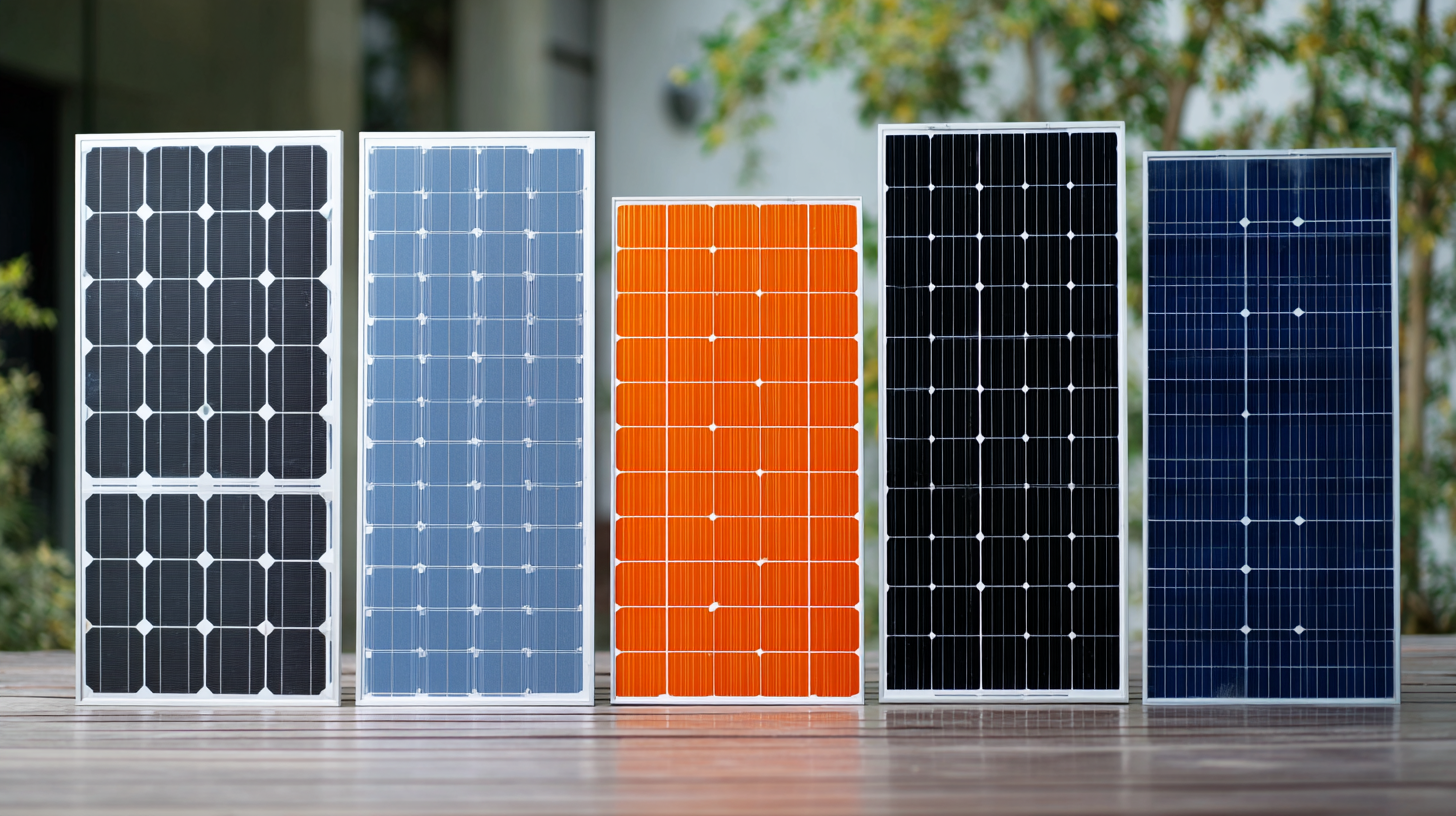
So, you’re thinking about installing solar panels at home? That’s pretty exciting! But before you dive in, it’s super important to get a grip on the different types of solar panels out there. You've basically got three main options: monocrystalline, polycrystalline, and thin-film panels. Each one has its own perks and downsides you should keep in mind.
Let’s start with monocrystalline panels. These guys are all about high efficiency and have that sleek look, which makes them a favorite among homeowners. They produce more power per square foot, which is awesome if your roof isn’t huge. But heads up—they usually come with a heftier price tag compared to the others. Now, if you're on a tighter budget, polycrystalline panels might catch your eye. They’re generally more wallet-friendly, but you’ll need more roof space to get the same energy output as those shiny monocrystalline ones. And then there's thin-film solar panels. They’re the underdogs here—while they're the least efficient option, they’re super flexible and lightweight. This makes them ideal for some really unique setups or even unconventional surfaces.
In the end, choosing the right solar panel really boils down to what works for you. Think about your needs, your budget, and how much space you’ve got for installation. By weighing the pros and cons of each type, you’ll be set to find the best solar system that fits both your energy goals and your style preferences. Happy solar hunting!
So, when you're looking to pick out solar panels for your home, it's super important to get a grasp on what makes them efficient. One of the big things to keep an eye on is the panel's conversion efficiency, which basically tells you how much sunlight gets turned into electricity you can actually use. Generally speaking, if you go for higher efficiency panels, they’ll crank out more energy even if you don’t have a ton of roof space. Aim for panels with conversion efficiency of at least 18% — those usually give you better energy returns in the long run.
Another thing you should think about is the temperature coefficient. This is key because it shows how well a panel holds up when things get really hot outside. When temperatures rise, solar panels can lose efficiency, so try to find one with a lower temperature coefficient — that’s a win. And let’s not forget about the warranty and how long the panels last. A solid warranty is often a good sign that the manufacturer believes in their product’s durability and performance. By keeping these points in mind, you’ll be making a much smarter choice when investing in solar tech that’s gonna benefit both your home and the planet.
| Key Factors | Description | Value/Importance |
|---|---|---|
| Efficiency | The percentage of sunlight converted into usable electricity. | Higher efficiency usually means more energy production. |
| Durability | Ability to withstand environmental conditions such as hail, wind, and snow. | Higher durability leads to a longer lifespan and fewer maintenance costs. |
| Temperature Coefficient | Performance drop per degree Celsius increase in temperature. | Lower values indicate better performance in hot climates. |
| Warranty | The length of time the manufacturer guarantees performance and product integrity. | Longer warranties typically indicate higher quality products. |
| Cost | The total upfront price you will pay to purchase and install solar panels. | It's important to balance cost with efficiency and warranty. |
So, you're thinking about solar panels for your home? That's awesome! But before you dive in, it’s super important to check out their durability and warranty options. Durability basically depends on the materials used to make the panels. Look for things like tempered glass and strong frames that can take a beating from bad weather. You definitely want panels that have been tested against things like hail, wind, and other environmental craziness. Remember, these panels are typically going to last about 25 to 30 years, so you really need to pick ones that can last without losing performance over time.
Now, let’s talk warranties because they’re a big deal too. Most trustworthy manufacturers will give you a product warranty that spans anywhere from 10 to 25 years, covering issues with materials or workmanship. And don’t forget about performance warranties; these guarantees ensure that your panels will keep generating a certain level of energy efficiency down the road—usually around 80% of their original output after those 25 years. Taking a close look at these warranties can really pay off, giving you that peace of mind and helping you make a smart call. After all, you want to make sure your investment in solar energy is sorted for years to come!
So, you're thinking about getting solar panels for your home? That's awesome! But first things first, let's talk budget. On average, a home solar panel system can set you back anywhere from $15,000 to $30,000. Yeah, I know – it's a pretty big range! The final cost really depends on a few factors like how big the system is, how efficient the panels are, and of course, the installation expenses. One key tip? Definitely reach out for custom quotes from local installers. It’ll help you find the best bang for your buck! And don't forget about those sweet tax credits and incentives that can help slash your overall costs. This could make going solar a lot more manageable in the long run.
Now, let’s chat about how to actually bring solar energy into your home. Sure, the classic way is to go for a full solar panel installation, but have you thought about community solar programs? They’re pretty cool! These programs let homeowners join forces and invest in solar energy together. This way, you can enjoy the benefits of renewable energy without that hefty upfront investment. It's not just a smart move financially; it’s a chance to do your part for the environment too. Pretty neat, right?
Choosing a good solar panel installer for your home can feel a bit overwhelming, but don’t worry! It helps to start with some key questions. First off, ask about their credentials and how long they've been in the solar game. You definitely want to make sure they've got the right licenses and insurance—you wouldn’t want to be on the hook for any mishaps during installation. A trustworthy installer will probably have a portfolio showcasing their past work, which can give you a better idea of what they’re capable of and how reliable they are.
Now, let’s talk about warranties and maintenance services—this part is super important! A solid installer should be offering good warranties on both the panels and their work. It’s also worth asking about any support they provide after your system is installed. This shows how committed they are to keeping their customers happy. And hey, don’t be shy about asking for references! Chatting with past clients can give you some valuable insights into how the installer operates, how professional they are, and the quality of their work. This way, you can feel more confident in making the right choice for your solar panel installation.
: The durability of solar panels is primarily influenced by the materials used in their construction, such as tempered glass and sturdy frames designed to withstand harsh weather conditions.
Solar panels typically have a lifespan of around 25 to 30 years, making it essential to choose panels that can endure without significant performance degradation.
Most reputable manufacturers offer a product warranty ranging from 10 to 25 years, covering defects in materials or workmanship.
A performance warranty guarantees that the solar panels will maintain a certain level of efficiency over time, often around 80% of their original output after 25 years.
The average cost of a home solar panel system ranges between $15,000 and $30,000, depending on factors such as system size, panel efficiency, and installation costs.
Homeowners can reduce net costs through potential tax credits and incentives that can significantly lessen the financial burden of solar panel installation.
Community solar programs allow homeowners to invest in solar energy collectively, providing access to renewable energy without the high upfront costs usually associated with solar panel installation.
Carefully reviewing warranties can provide peace of mind and help ensure that your investment in solar energy is protected over time.
Homeowners should obtain custom quotes from local installers to ensure they receive competitive pricing and the best value for their solar panel investment.