In today’s world, where sustainable energy options are more important than ever, choosing the right Solar Panels for your home can really make a difference—both in how much you save on energy bills and in your overall impact on the environment. Solar panelsaren’t just a cool trend anymore; they’re a way to show you’re serious about cutting down on fossil fuels and embracing Renewable Energy sources. With so many options out there, picking the best solar panels can feel a bit overwhelming—stuff like efficiency, durability, and the latest tech all play a part in making the right choice.

At SUNFREE Lighting Technology Co., Ltd., we actually take pride in being leaders in this new energy scene. As a tech-focused company, we're all about researching, developing, producing, selling, and supporting innovative solar products. Thanks to our advanced design and manufacturing skills, we’re able to bring you top-of-the-line solar panels that help maximize your savings at home. In this article, I’ll walk you through some key points to keep in mind when choosing solar panels. Hopefully, this helps you make smarter choices—both for your household and for helping out the planet.

When selecting solar panelsfor your home, understanding the various types and their efficiency ratings is critical. There are primarily three Types Of Solar Panels:monocrystalline, polycrystalline, and thin-film. Monocrystalline panels are known for their high efficiency and longevity, making them an excellent choice for homeowners with limited roof space. They are made from single-crystal silicon and can convert a higher percentage of sunlight into energy, typically ranging from 15% to 22% efficiency.
Polycrystalline panels, while slightly less efficient than their monocrystalline counterparts, offer a more budget-friendly option. These panels are made from multiple silicon crystals, which means they require more space to produce the same energy as monocrystalline. With efficiencies ranging from 13% to 16%, they can be a great choice for larger roofs where space is not an issue. On the other hand, thin-film solar panels are lightweight and flexible, making them suitable for unique installations. However, they generally have lower efficiency ratings, usually around 10% to 12%, which can lead to requiring more panels to generate the same amount of electricity. Understanding these differences is essential to maximize your energy savings and choose the right panels for your home.
When selecting solar panels for home use, there are several key factors to consider that can significantly impact both performance and energy savings. One of the most critical aspects is the efficiency of the solar panels. Higher efficiency panels convert more sunlight into electricity, which can be particularly beneficial if you have limited roof space. Look for panels that maximize output per square foot and check for performance ratings to ensure you’re making an informed choice.
Another important consideration is the durability and warranty of the solar panels. Investing in panels with a robust manufacturer warranty can provide peace of mind that you won't have to replace them prematurely. Opt for panels that come with at least a 25-year warranty, as this is often a good indicator of quality and reliability. Additionally, consider the brand's reputation and customer reviews to assess their history of performance and service.
**Tips:** When researching solar panels, always compare the specifications from different brands. Pay attention to the temperature coefficient rating, which indicates how well the panels perform in high temperatures. Also, inquire about the installation process and any maintenance requirements to ensure that you can keep your system operating efficiently over time.
When it comes to selecting the best solar panels for your home in 2025, understanding the features of leading brands can greatly enhance your energy savings. In recent industry reports, such as those from the Solar Energy Industries Association (SEIA), brands like SunPower, LG, and Canadian Solar consistently top performance metrics. For instance, SunPower panels boast an impressive efficiency rating of up to 22.8%, making them ideal for homeowners looking to maximize energy production in limited space.
Tip: When comparing different solar panel brands, consider their warranties. Many top brands offer 25-year warranties, indicating both the durability of the product and their commitment to customer satisfaction. This is particularly important for long-term investments like solar panels.
Furthermore, the cost-to-efficiency ratio is crucial. According to the National Renewable Energy Laboratory (NREL), the average cost of solar panels in 2025 is projected to decline by 5%, making solar energy more accessible. Brands like LG, which offer high-efficiency panels at competitive prices, are great choices for homeowners aiming to balance affordability with performance.
Tip: Always look for panels that have been certified by the International Electrotechnical Commission (IEC) to ensure that they meet stringent safety and performance standards, providing peace of mind alongside energy savings.
When selecting solar panels for your home, it's crucial to evaluate not just the initial costs but also the long-term savings and warranty options available. A comprehensive warranty can safeguard your investment, providing peace of mind against potential defects or performance issues over the years. Look for warranties that cover both product defects and energy production guarantees. This dual coverage can enhance cost-effectiveness by potentially reducing the need for costly repairs or replacements.
Tips: Always inquire about the length of the warranty, as well as the terms regarding how claims can be made. Researching company reputation holds equal importance; reliable manufacturers are more likely to honor their warranties and support you throughout the lifespan of your solar panels.
In addition to the warranty, consider the financing options available for solar panel installations. Some providers offer payment plans that align with your financial capabilities, making it easier to manage upfront costs while maximizing energy savings. Comparing different cost structures and benefits can help you make a more informed decision that leads to significant savings on your utility bills over time.
Innovative technologies in solar panels are rapidly advancing, leading to significant enhancements in energy savings for homeowners. Recent breakthroughs have seen solar panel efficiency soar to nearly 27%, setting new standards in the industry. This remarkable achievement is a result of intensive research and development aimed at maximizing the energy conversion rates of solar cells. As these technologies continue to evolve, homeowners can expect even greater returns on their investments in solar energy.
Another promising innovation comes from the exploration of materials. Researchers have identified that black metal can increase solar power generation efficiency, potentially transforming the landscape of solar technology. Additionally, scientists at prominent universities have developed solar thermoelectric generators that outperform traditional models by 15 times. These advancements not only contribute to higher energy savings but also play a crucial role in making renewable energy more accessible and viable for a larger audience. As the solar panel market grows, embracing these innovative solutions will be key for maximizing energy efficiency at home.
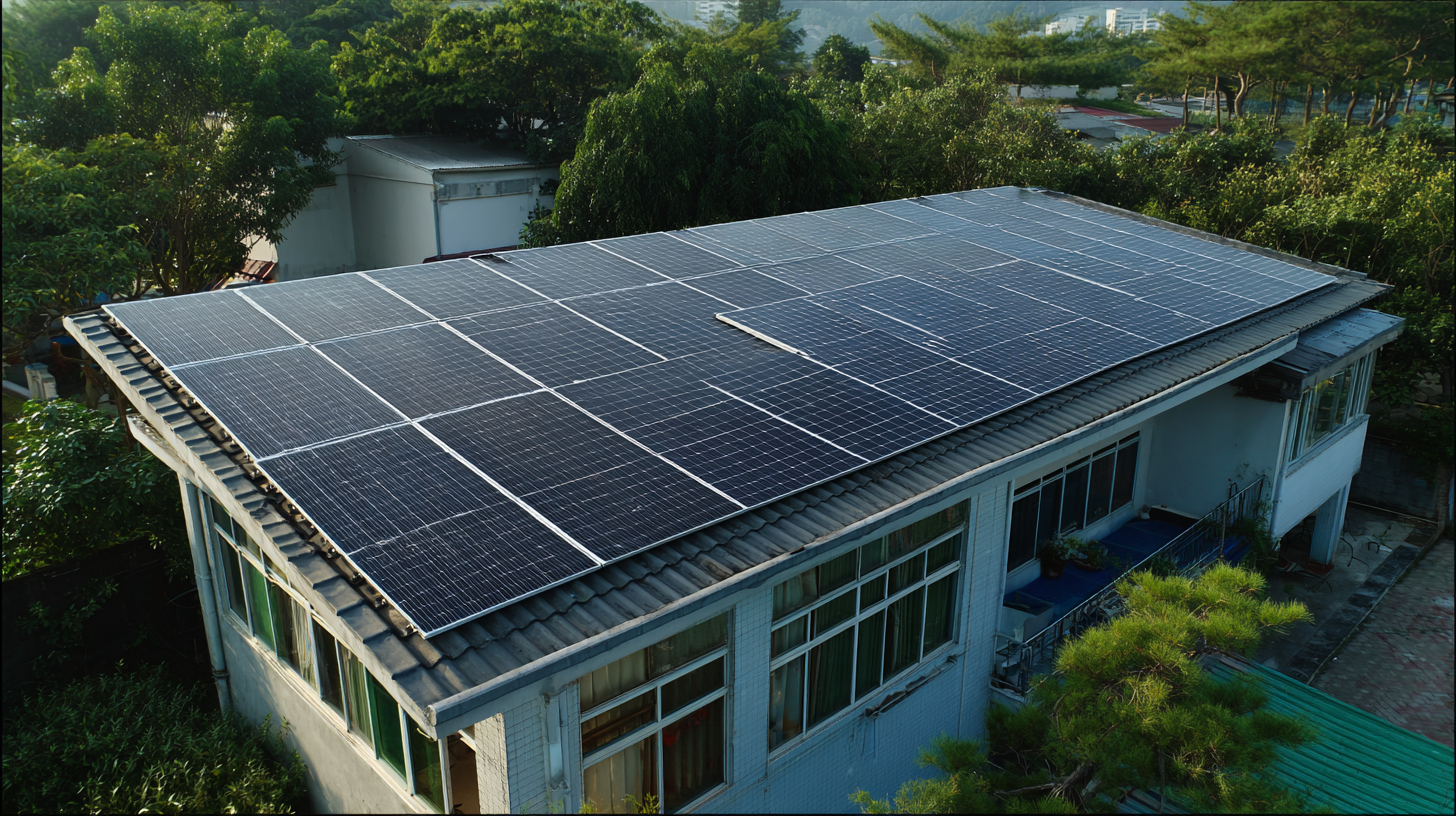
When selecting solar panels for your home, installation considerations play a crucial role in maximizing energy savings and ensuring the system’s longevity. First, it’s essential to assess your roof’s orientation and angle, as solar panels perform best when positioned towards the sun. Engaging a professional for the installation can help ensure that the panels are mounted securely and optimally. Additionally, considering local weather conditions and regulations is vital; for instance, areas with heavy snowfall may require specially designed panels to prevent damage.
Maintenance is equally important for the longevity of your solar energy system. Regularly cleaning the panels and inspecting for any debris or shading issues can significantly enhance their efficiency. Similar to maintaining appliances to extend their lifespan, actively monitoring the solar installation helps identify potential issues early. Implementing these strategies not only optimizes energy generation but also contributes to the overall durability of your investment. With a company like SUNFREE Lighting Technology leading the way in new energy solutions, homeowners can rest assured that they are using advanced technology that supports both efficiency and longevity.
: The efficiency of the solar panels is the most critical factor, as higher efficiency panels convert more sunlight into electricity, especially important for homes with limited roof space.
Look for panels that come with a robust manufacturer warranty, ideally at least 25 years, as this often indicates quality and reliability.
Comparing specifications helps ensure you choose the best panels for your needs, taking into account factors such as performance ratings and efficiency.
The temperature coefficient rating indicates how well the panels perform in high temperatures, which is important for maintaining efficiency in different climatic conditions.
Recent advancements have led to solar panel efficiency reaching nearly 27%, largely due to research aimed at maximizing energy conversion rates.
The use of materials like black metal has been shown to potentially increase solar power generation efficiency, which could enhance overall performance.
Solar thermoelectric generators have been developed to outperform traditional models by 15 times, contributing to higher energy savings.
Assessing a brand's reputation and customer reviews can provide insights into their history of performance and service quality, guiding your decision.
Homeowners should ask about the installation process and maintenance requirements to ensure the solar system operates efficiently over time.
Innovations in solar technology enhance energy efficiency and savings, which can make solar energy systems more appealing and viable for a larger audience.
Choosing the best solar panels for your home is crucial for maximizing energy savings. Understanding the different types of solar panels and their efficiency ratings is the first step in making an informed decision. Key factors to consider include the installation space, budget, and desired energy output. As we approach 2025, comparing leading solar panel brands will reveal advancements in technology that enhance performance and durability.
Cost-effectiveness and warranty options are also critical, ensuring that your investment is protected while delivering long-term savings. Innovative technologies are making solar panels more efficient than ever, and proper installation and maintenance will further extend their longevity. Companies like SUNFREE Lighting Technology Co., Ltd. are at the forefront of this industry, providing cutting-edge new energy application products that support homeowners in their quest for sustainable energy solutions.