Hey, have you noticed how quickly the demand for Renewable Energy is growing? It’s pretty impressive! According to the International Renewable Energy Agency (IRENA), by 2040, solar power could actually be providing over 20% of the world's energy. As more folks—whether homeowners or businesses—start to turn to solar, Vertical Solar Poles are really catching on. They’re this pretty slick and space-saving way to tap into solar energy efficiently.
Basically, these Vertical Solar Poles are designed to catch the maximum sun exposure, which can really cut down on energy bills. There’s even a report from the National Renewable Energy Laboratory (NREL) that says vertical setups can boost energy production by up to 30%. That’s a pretty big deal, especially for city areas where space is tight. As urban areas keep growing, having compact and effective solar options becomes more and more important.
But, here’s the thing—while Vertical Solar Poles seem super promising, you gotta do your homework. Not all products out there are created equal, and quality is key. The Solar Energy Industries Association (SEIA) stresses how important it is to look for proper testing and certifications. Picking the right pole isn’t just about price or looks; you’ve gotta think about your specific energy needs and the environmental conditions where you’ll install it. So, take your time, weigh the pros and cons, and make sure you’re making an informed choice—that’s the way to go.
Understanding Vertical Solar Poles and Their Benefits
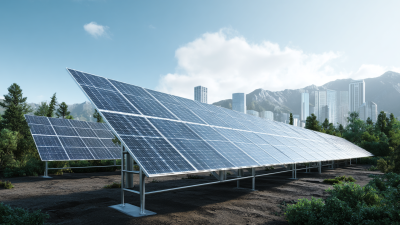
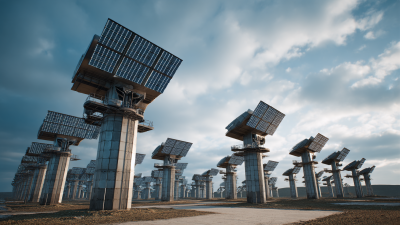
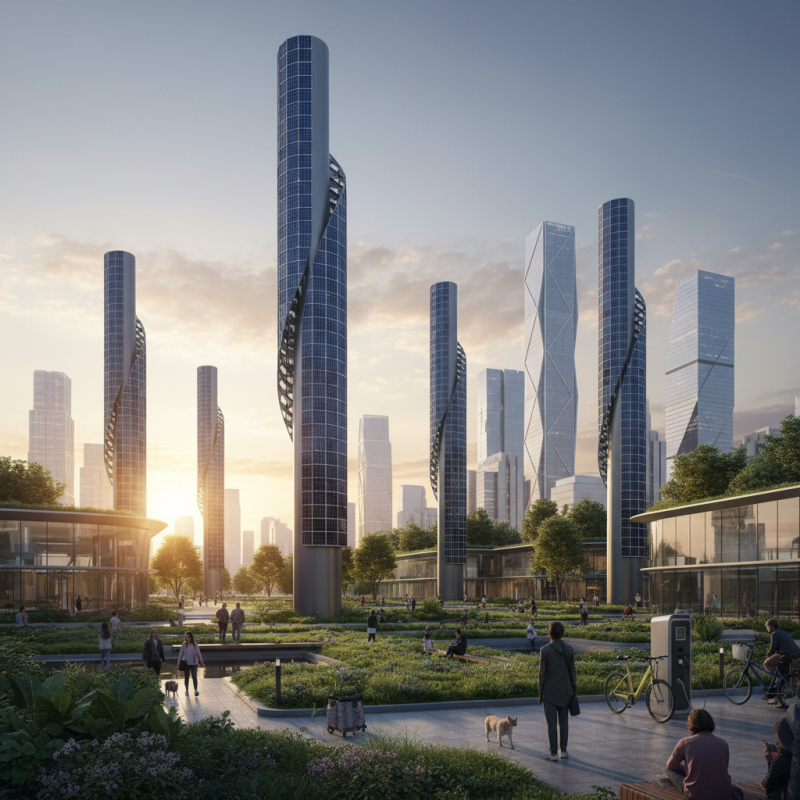
Vertical solar polesare gaining popularity for their unique approach to harnessing solar energy. These installations stand tall, capturing sunlight efficiently in a smaller footprint. Their design allows for optimal light exposure throughout the day, even in shaded locations. This makes them suitable for urban areas where space is limited. Unlike traditional Solar Panels that require large, flat surfaces, vertical solar poles can be integrated into various landscapes.
The benefits of vertical solar poles extend beyond space-saving. They often feature innovative technology that maximizes energy production. Their compact size makes maintenance easier, reducing the time and costs associated with upkeep. Many designs include aesthetic elements, blending well with the environment. However, not every vertical solar pole is created equal. Factors such as energy output, material quality, and local weather conditions play a crucial role in their effectiveness. It’s essential to evaluate your specific needs and conditions before making a choice. Small mistakes in selection can lead to inefficiencies later on.
In summary, understanding vertical solar poles involves recognizing their advantages and limitations. Whether for residential or commercial use, they present a modern solution for sustainable energy. Being informed helps you navigate potential challenges and invest wisely.
Key Factors to Consider When Choosing a Vertical Solar Pole
When selecting a vertical solar pole, several crucial factors come into play. The efficiency of solar panels is paramount. According to a 2022 industry report, monocrystalline panels can reach efficiencies of up to 22%. This means they generate more power in a smaller space. Understanding which type of solar panel fits your needs is essential to maximize energy output.
The height and orientation of the pole also significantly impact solar performance. A taller pole can reduce shading from nearby structures. The ideal angle for panels varies by geographical location. Research from the National Renewable Energy Laboratory suggests optimizing tilt can increase energy capture by 10-25%. Weight capacity is another vital aspect; ensure the pole supports the system's weight without compromising stability.
Durability is critical, too. Vertical solar poles are exposed to various weather conditions. Materials like galvanized steel or aluminum resist rust and corrosion over time. However, not all materials perform the same. Regular maintenance checks can identify potential weaknesses, but this process can be overlooked. Understanding these factors helps in selecting a pole that meets long-term needs without constant replacements.
Types of Vertical Solar Poles: Materials and Designs Explained
Vertical Solar Pole come in various materials and designs, impacting efficiency and durability. Typically, aluminum and steel are popular choices. Aluminum is lightweight and corrosion-resistant, making it ideal for urban installations. In contrast, steel poles offer robust durability but require proper treatment to prevent rusting. According to a recent industry report, up to 40% of installations fail due to poor material choice. This highlights the importance of selecting the right material for lasting performance.
When considering design, vertical solar poles can be fixed or adjustable. Fixed poles provide stability, while adjustable options allow for angle changes, optimizing solar exposure. Reports suggest that adjustable systems can enhance energy capture by 25%. However, these designs often demand more maintenance. Some users overlook this aspect, leading to reduced efficiency over time. Balancing design and maintenance requirements can be challenging.
Lastly, the height and placement of vertical solar poles matter significantly. A study showed that poles taller than 10 feet improve sunlight exposure by limiting shade from buildings and trees. Failing to elevate solar panels can limit energy generation. Therefore, a thoughtful approach is needed in planning placement and height to maximize output and efficiency.
Assessing Power Needs: How to Calculate Solar Requirements
When assessing power needs for solar installations, understanding your requirements is crucial. Start by estimating your daily energy consumption in watt-hours. For example, a typical LED light might use around 20 watts. If you plan to run it for eight hours, that’s 160 watt-hours daily. Multiply this by the number of lights to gauge total energy needs. Industry reports suggest that even a modest solar pole light setup requires significant consideration for peak sunlight hours.
Next, calculate your solar panel needs. Most panels produce around 300 watts. If you effectively receive five hours of sunlight daily, each panel yields about 1500 watt-hours. Thus, when you divide your total watt-hours by this number, it guides you in choosing the right size for your solar system. Various studies indicate that areas with less sunlight may require larger or additional panels to meet the same power requirements.
Additionally, consider the battery system to store energy. Deep-cycle batteries are common for solar systems. Proper battery sizing is essential for nighttime lighting and cloudy days. Ideally, ensure your battery capacity covers at least two days of consumption. As with any installation, consider the CE Certification Vertical Solar Pole Street Light's specifications. This certification ensures that the components meet European safety and environmental standards. Investing time in these calculations now can save future complications.
Power Needs Assessment for Vertical Solar Poles
Installation Requirements: Space, Location, and Setup Tips
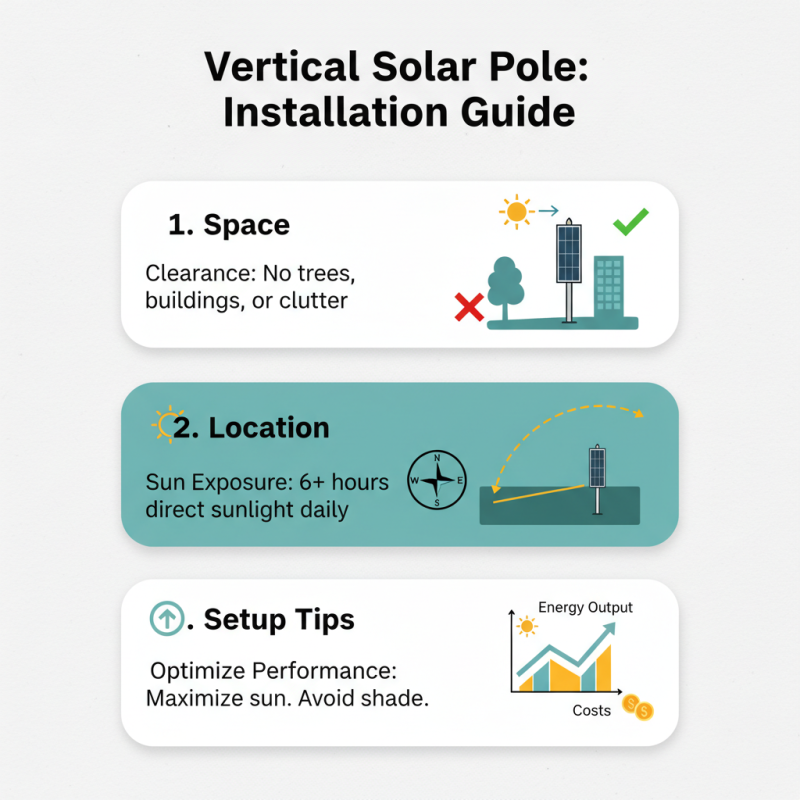
When installing a vertical solar pole, consider the space around it. The area must be free from obstructions, like trees or buildings. Generally, solar panels require at least six hours of direct sunlight daily. Confirm that your chosen location allows for maximum sun exposure. Cluttered areas may hinder performance and increase energy costs.
Tips: Measure the space before purchase. A good fit ensures optimal sunlight capture. Consider local weather patterns too. Heavy snowfall or strong winds can affect pole stability. Users must weigh these factors to avoid costly mistakes.
Installation needs careful planning. Site preparation is crucial. Ensure the ground is level and sturdy. Use durable materials for long-lasting results. Be mindful of placing the pole too close to power lines. This can pose safety hazards. The right position strengthens your solar setup while increasing efficiency. Engaging with reputable Vertical Solar Pole Street Light Manufacturers can also provide insights into best practices and durability options.
Maintenance Tips for Longevity of Your Vertical Solar Pole
Maintaining a vertical solar pole is crucial for its longevity and efficiency. Regular inspections, at least twice a year, can help identify issues early. A report from the Solar Energy Industries Association (SEIA) highlights that regular maintenance can enhance performance by up to 20%. Cleaning the solar panels regularly allows them to capture more sunlight. Dust and debris can reduce efficiency significantly.
Pay attention to the wiring and connections. A loose connection can lead to energy loss. Regularly tighten any loose wires you find. The National Renewable Energy Laboratory (NREL) indicates that proper electrical connections are vital for optimal function. Over time, wear and tear can occur, so periodic checks are necessary.
Lastly, consider the environment your vertical solar pole is in. Areas with heavy snowfall or strong winds may require additional support or care to avoid damage. Using a High-Quality Vertical Solar Pole Street Light designed for adverse conditions can mitigate these risks. The investment in maintenance can save costs in the long run. Always remember that neglecting maintenance may lead to significant repairs or replacements.
Cost Considerations: Budgeting for Your Vertical Solar Pole选择
When budgeting for a vertical solar pole, multiple factors come into play. The initial investment often ranges from $1,500 to over $5,000, depending on specifications. Data from industry reports indicate that solar pole installations can yield savings of up to 75% in energy costs over their lifespan. However, it’s crucial to consider ongoing maintenance expenses and potential repair costs, which typically account for 10-15% of the total installation cost annually.
Another aspect to evaluate is solar panel efficiency. High-efficiency panels may have a higher upfront cost, but they produce more energy in less space. Choosing a lower efficiency option could lead to insufficient energy output, ultimately driving up costs over time. According to a 2023 study, investing in high-efficiency models can increase energy generation by 20% compared to budget alternatives. Evaluating your energy needs against these efficiency metrics is essential for cost-effective decision-making.
Potential hidden costs cannot be overlooked either. Installation requirements may differ, leading to additional expenses such as permits or site preparation. Ignoring these could disrupt your budget significantly. Additionally, assessing the return on investment (ROI) requires a comprehensive approach that looks at both the apparent and less visible expenses associated with vertical solar poles.
Enhancing Outdoor Aesthetics: The Rise of Vertical Solar Tube Garden Lights in Modern Park Design
As urban green spaces continue to evolve, so does the technology enhancing their beauty and functionality. Vertical solar tube garden lights are emerging as a modern solution that bridges aesthetics with sustainability. These innovative lighting fixtures have been designed to offer a sleek appearance while minimizing their environmental impact. With their lower wind resistance, vertical solar tubes resist harsh weather conditions and easily blend into park landscapes, maintaining an inviting atmosphere for visitors.
One of the standout features of vertical solar tube lights is their 360° sunlight reception capability. This design maximizes energy generation by allowing solar panels to harness sunlight from multiple angles throughout the day. As the sun moves across the sky, these lights work efficiently to ensure pathways, gardens, and recreational areas remain illuminated at night, enhancing safety and usability. The combination of effective lighting and attractive design positions vertical solar tube garden lights as a key development in modern park design, contributing to environments that are both functional and aesthetically pleasing.
FAQS
: Start by calculating the wattage of devices. For example, a 20-watt LED light running for eight hours uses 160 watt-hours daily.
Most solar panels produce around 300 watts. If you get five hours of sunlight daily, each panel yields about 1500 watt-hours.
Areas with fewer sunlight hours may require larger or additional panels to meet energy needs effectively and efficiently.
Deep-cycle batteries are common for solar setups. They store energy for nighttime use and cloudy days effectively.
Ensure battery capacity covers at least two days of consumption. This avoids energy shortages during extended cloudy periods.
Ensure the site is free from obstructions. It should allow for at least six hours of direct sunlight daily.
Heavy snowfall or strong winds can impact pole stability. It's crucial to consider weather patterns before installation.
A level and sturdy ground is essential for stability. It prevents future issues and ensures a long-lasting solar system.
Closer proximity to power lines poses safety hazards. It's important to maintain a safe distance during installation.
Failing to measure the installation space appropriately can lead to insufficient sunlight capture and increased energy costs.
Conclusion
Choosing the right Vertical Solar Pole involves understanding its benefits and key factors that align with your specific needs. Vertical Solar Poles are designed to harness solar energy efficiently, making them an eco-friendly option for powering various applications. When selecting a pole, consider the materials and designs available, as they impact durability and aesthetics. Additionally, accurately assessing your power needs will ensure that you select a pole with sufficient capacity for your energy requirements.
Installation also plays a crucial role, as factors like space, location, and setup must be considered to optimize solar exposure. To maintain your Vertical Solar Pole effectively, following maintenance tips will help prolong its lifespan. Finally, budgeting is essential to ensure you choose a pole that fits your financial plan without compromising quality or functionality. By carefully evaluating these aspects, you can make an informed decision that best serves your energy needs.