As cities grow and urban areas become more crowded, we're seeing a real surge in how much people need Smart Parking options. According to a report by Allied Market Research, the globalSmart Parking market is projected to hit around $5 billion by 2025. That hefty number really shows just how urgent it is to develop smarter parking systems that can ease traffic jams and make life easier for drivers.
Now, picking the right Smart Parking system can feel somewhat overwhelming, right? There are so many tech options out there—sensors, mobile apps, data analytics—and each promises to make parking smoother. Still, a lot of folks overlook how important it is for these systems to work well together and to scale as needed. In fact, a study from Grand View Research points out that over 30% of parking spots are actually going unused. That’s kind of a red flag—definitely a sign that there's room for smarter solutions.
If you're considering your options, it’s a good idea to think about what you really need first. Things like where you’re parking, your budget, and whether the tech fits with what you already have in place are super important. And honestly, it's worth taking a close look at what current systems are missing—because not every solution is suitable for every situation, and missing out on better options can mean missed opportunities to improve parking management all around.
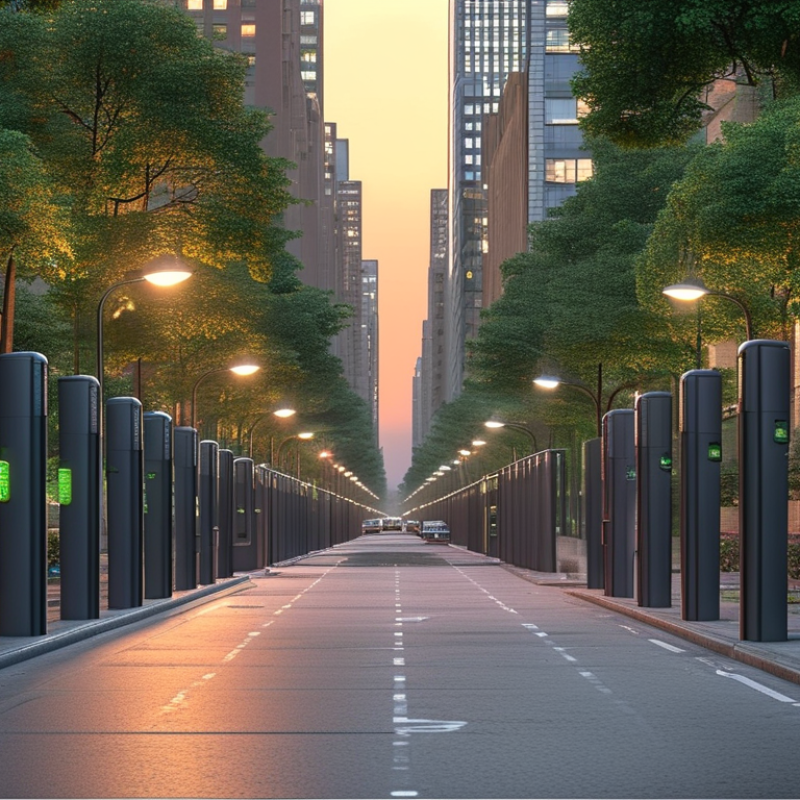
Factors to Consider When Selecting Smart Parking Solutions
When selecting smart parking solutions, several factors come into play that can significantly impact your decision. The technology behind these systems varies widely. Some employ real-time data analytics to predict parking availability, while others focus on payment processing efficiency. According to a recent report by IBISWorld, the smart parking industry is projected to grow by 15% annually, highlighting the increasing reliance on technology for urban mobility.
User experience is another critical element. A system that doesn't integrate well with existing infrastructures can lead to frustration. Studies indicate that 30% of users abandon transactions due to a complicated interface. Maintaining simplicity while offering robust features is vital. Understand the end-user’s journey from finding a space to making a payment. Clear signage and seamless app navigation can enhance satisfaction and reduce congestion.
Cost is often a decisive factor. Initial investment may seem high, but operational savings can offset this over time. The National Parking Association notes that automated systems can reduce labor costs by up to 40%. However, not every solution suits every environment. Challenge assumptions about what works best. It's essential to evaluate long-term benefits versus short-term gains to ensure sustainable solutions.
Understanding Different Types of Smart Parking Technologies
When exploring smart parking technologies, understanding the different types is essential. Various solutions cater to diverse needs. Traditional sensors detect vehicle presence, providing real-time space availability. They are effective for busy urban areas, yet they sometimes lack advanced analytics.
Smart Solar Parkingis gaining popularity. This technology integrates Solar Panels, converting sunlight into energy. It offers a sustainable solution while reducing operational costs. However, it might require significant upfront investment. Consider your area's sunlight exposure before opting for such systems.
Tips: Evaluate the parking demand in your region. Some technologies work better in high-traffic areas than others. Also, think about future scalability. Will your chosen solution adapt as your needs change? Opt for a system that allows flexibility and growth over time.
Evaluating User Experience in Smart Parking Systems
When evaluating user experience in smart parking systems, it's crucial to understand what users really need. People often seek convenience and efficiency. A system that provides real-time availability updates can significantly enhance the experience. Users appreciate clear and accurate information about open parking spots. This ease of access reduces the frustration often felt in urban environments. Solar Smart Parking
Solar Smart Parking solutions offer a sustainable edge. They utilize solar energy to power their operations. This not only promotes eco-friendliness but also reduces operational costs. However, some users may still feel uncertain about their reliability. Effective maintenance and consistent updates are essential. An efficient smart parking system should also allow easy navigation through apps and interfaces, simplifying the parking process for all users.
Feedback is vital in refining these systems. Gathering user insights can help identify pain points. Occasionally, users may find the technology overwhelming or complex. Addressing these concerns is critical for any smart parking solution. It's about ensuring that the technology serves its purpose without alienating the user. Thus, a careful balance of technology and user-friendly design is necessary for success.
Cost Analysis of Smart Parking Solutions: Initial vs. Long-Term Investment
Investing in smart parking solutions requires careful analysis of both initial and long-term costs. Many options promise immediate benefits but may have hidden long-term expenses. It's essential to evaluate software fees, installation costs, and maintenance over time. A low upfront cost may lead to higher operational costs later.
When exploring your options, consider how easy the system is to use. User-friendly interfaces can enhance the parking experience for both staff and customers. Sometimes, complex systems require more training and support, adding to the cost.
Tips for evaluation: Conduct a thorough cost-benefit analysis. Factor in not just the purchase price, but functionality and support. Ask current users about their experiences. Seek systems with proven success to avoid costly mistakes. Reflect on what features are most important for your business needs. Balancing initial investments and ongoing costs is key to making informed decisions.
Cost Analysis of Smart Parking Solutions: Initial vs. Long-Term Investment
Data Security and Privacy Concerns in Smart Parking Systems
Data security and privacy are crucial when considering smart parking solutions. These systems collect sensitive information, such as personal details and payment methods. Users must be aware of how their data is stored and used. Without transparency, trust diminishes.
Implementing strong encryption protocols can significantly enhance data safety. Choosing providers with robust security measures is essential. Look for companies that prioritize user privacy and have clear policies. Review customer feedback about security issues too. This can provide insight into their track record.
Consider whether the parking system uses innovative features, like Drone Solar Parking. While these features may improve convenience, they can also raise further privacy concerns. Users should question how these systems manage data. Do they store information securely? Are access controls in place? Being informed helps users make better choices.
How to Choose the Best Smart Parking Solutions for Your Needs? - Data Security and Privacy Concerns in Smart Parking Systems
| Feature | Importance | Data Security Measures | Privacy Concerns | User Feedback Rating |
| Real-time Availability | High | Encryption & HTTPS | Data Minimization | 4.5/5 |
| Payment Integration | Medium | Secure Tokenization | Transaction Privacy | 4.2/5 |
| User Authentication | High | Multi-Factor Authentication | User Consent | 4.7/5 |
| Mobile App Interface | Medium | Secure API | Location Data Sharing | 4.0/5 |
| Data Analytics | Low | Anonymized Data Processing | Potential for Surveillance | 3.8/5 |
Integrating Smart Parking Solutions with Existing Infrastructure
Integrating smart parking solutions with existing infrastructure presents unique challenges and opportunities. Many cities experience congestion due, in part, to inefficient parking systems. A report from the International Parking Institute noted that 30% of urban traffic is caused by drivers searching for parking. Therefore, effectively integrating smart solutions can directly alleviate this issue.
Cities need to analyze their current layouts and technology before implementing smart parking systems. The Global Smart Parking Market report predicts an annual growth rate of 14.5% through 2025. This growth underlines the importance of pairing new technologies with legacy systems. For instance, retrofitting existing parking meters with smart sensors can greatly enhance functionality without extensive infrastructure changes. However, not all systems are adaptable. Choosing the right technology requires an understanding of the specific needs of the urban environment.
Stakeholder engagement is crucial. Residents and businesses must be consulted to understand their parking habits. Some studies indicate that a lack of community involvement can lead to low adoption rates of smart solutions. Integrating user feedback into planning can ensure a smoother transition to smarter systems. It's essential to remain flexible and open to adjustments as the technology evolves.
Analyzing Market Trends and Adoption Rates in Smart Parking Solutions
When considering smart parking solutions, it’s essential to analyze market trends and adoption rates. Various cities are exploring innovative technologies to address parking challenges. The increasing number of vehicles necessitates efficient parking management systems. This has led to a surge in demand for smart parking solutions that enhance driver experiences and optimize space utilization.
As cities embrace smart parking, focus on relevant trends. Many areas are now implementing Solar Parking Lots, which not only provide charging stations but also utilize renewable energy. This trend is reshaping traditional parking lots. Users benefit from reduced emissions and lower energy costs.
Tip: Consider integrating data analytics. This technology helps to track parking usage patterns. Analyzing this data improves overall efficiency in real-time parking space allocation.
Another critical aspect is user experience. Intuitive apps are becoming popular for finding available parking spots. Too often, drivers feel frustrated searching for spaces. An app’s simplicity can significantly enhance driver satisfaction.
Tip: Look for customizable solutions. Every city or area has unique needs. The perfect system should adapt to those needs. Assess how flexible the technology is, especially with the rise of electric vehicles in Solar Parking Lots. Adaptability is key for future growth.
FAQS
: They detect vehicle presence and provide real-time space availability.
It integrates solar panels to convert sunlight into energy.
The upfront costs can be high, despite long-term savings.
They reduce the time drivers spend searching for parking.
About 30% of urban traffic.
By retrofitting parking meters with smart sensors.
It helps understand community needs and parking habits.
Current layouts and technology, as well as specific urban needs.
Flexibility to adapt as needs change over time.
No, not all systems can easily integrate with legacy infrastructure.
Conclusion
When choosing the best smart parking solutions, several key factors come into play. Understanding the different types of smart parking technologies available is essential, as each offers unique benefits and challenges. Evaluating user experience is crucial to ensure that the solution is not only efficient but also user-friendly. Cost analysis should consider both initial investments and long-term savings, allowing for informed financial decisions.
Additionally, data security and privacy are paramount in the implementation of smart parking systems, requiring thorough examination. Integration with existing infrastructure is vital for seamless operation, while analyzing market trends and adoption rates can provide insight into the future of smart parking solutions. By considering these aspects, individuals and organizations can effectively select smart parking systems that meet their specific needs.