When you're trying to figure out the best way to light up your outdoor spaces, choosing solar outdoor lightingreally becomes a big deal. John Smith, who’s a pretty well-known expert in Renewable Energy and the CEO of EcoBright Solutions, points out that “good lighting not only makes your yard safer and more attractive but also keeps things environmentally friendly.” This honestly just shows how important it is to pick the right solar lights to match your specific needs.
Today’s market is pretty crowded with all sorts of solar lighting options. There’s a big range of styles, price points, and features, which can make things a little overwhelming for homeowners. I mean, there are so many things to consider—brightness levels, Battery life, design, and whether they’ll stand up to different weather conditions. And, of course, you gotta ask yourself, do these lights look good with your outdoor decor? Or will they just stick out awkwardly?
Also, there’s definitely no one-size-fits-all solution here. What works well for one person might not be so great for another. Some products might look perfect upfront but might not last long in the real world. Doing a little research really pays off—reading reviews, checking durability, and looking into warranty options. Even tiny details can make a big difference in how happy you’ll be with your purchase. A light that’s poorly suited to your needs can end up causing frustration and extra costs down the line. So, it’s super important to really understand what you need before you pull the trigger on buying something.
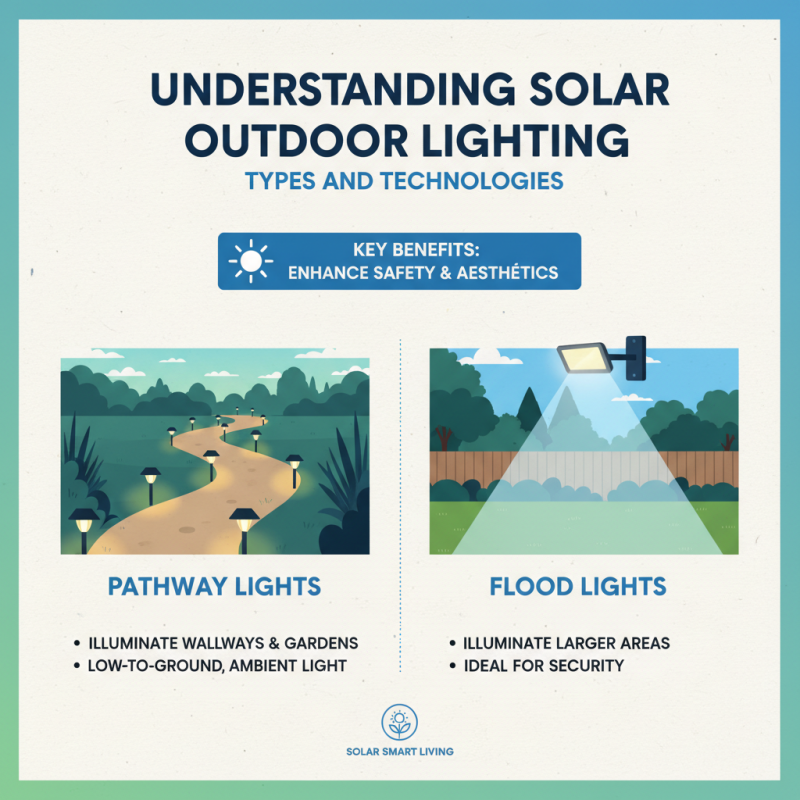
Understanding Solar Outdoor Lighting Types and Technologies
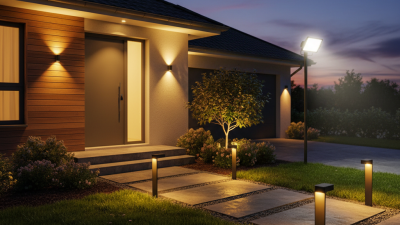
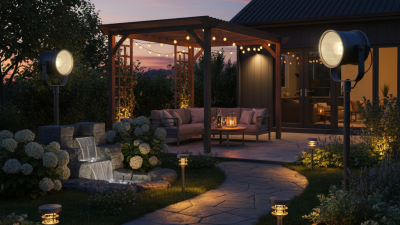
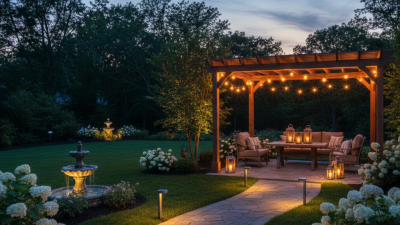
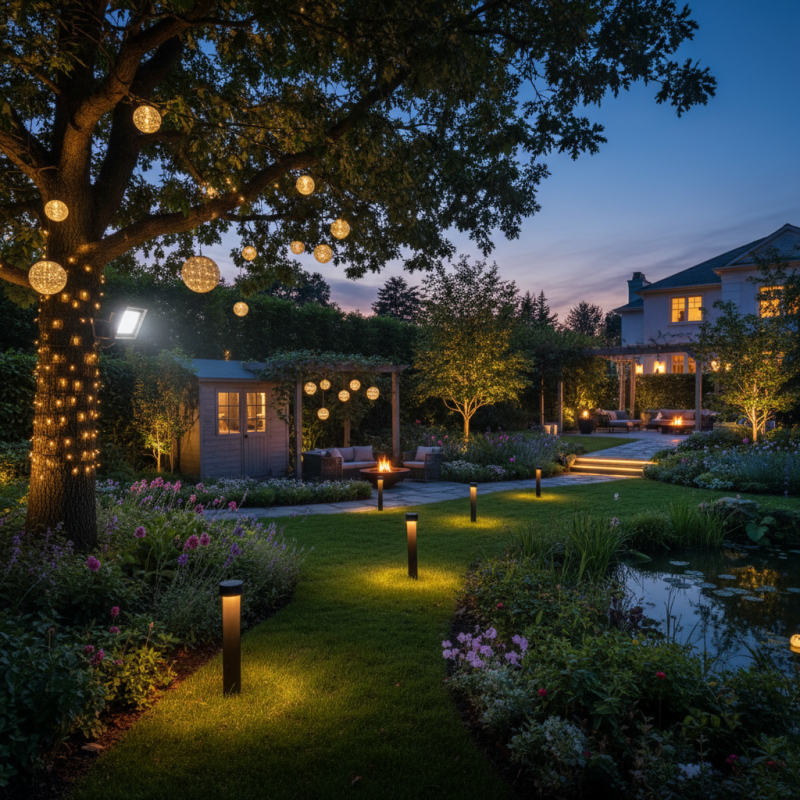
Choosing the right solar Outdoor Lighting can enhance both safety and aesthetic appeal. Understanding the types of solar lights available is essential. Solar pathway lights provide illumination for walkways and gardens. They are typically low to the ground and create a welcoming atmosphere. Flood lights are versatile and can illuminate larger areas. These lights are ideal for security purposes.
When considering solar lights, pay attention to the technology behind them. LED lights are energy-efficient and last longer. They can produce bright light using minimal energy. Sensors are another important feature. Motion sensors can trigger lights when someone approaches, adding convenience and safety. Some models even come with dusk-to-dawn sensors that automatically turn on at sunset.
**Tips:** Test the lights in your yard before making a purchase. Ensure they receive enough sunlight during the day. Consider the battery capacity; a higher capacity means longer usage at night. Finally, read customer reviews to gauge reliability and performance. Seek out information on installation ease and durability.
Evaluating Your Lighting Needs: Brightness and Coverage Requirements
When evaluating your outdoor lighting needs, brightness is crucial. The amount of light required depends on the area you're illuminating. For pathways, softer lighting is often best. It guides without glaring. For security, brighter lights are key. They deter unwanted visitors and enhance safety.
Tips: Consider the lumens rating. This will help you choose the right brightness. More lumens mean more light. Think about how many lights you will need. It may seem daunting, but mapping your space can simplify decisions.
Coverage is another vital aspect. Analyze your yard's layout. Are there dark corners? How large is the area? Larger spaces may require multiple fixtures to ensure uniformity. Pay attention to the angles of the lights. Highlighting specific features can add beauty and functionality to your outdoor space.
Tips: Opt for lights that have CE Certification Solar Outdoor Lighting. This ensures safety and quality. Don't forget to assess the duration of light. Some solar lights may not last through the night. Reflection and placement can enhance effectiveness.
Assessing Solar Panel Efficiency: Key Metrics and Industry Standards
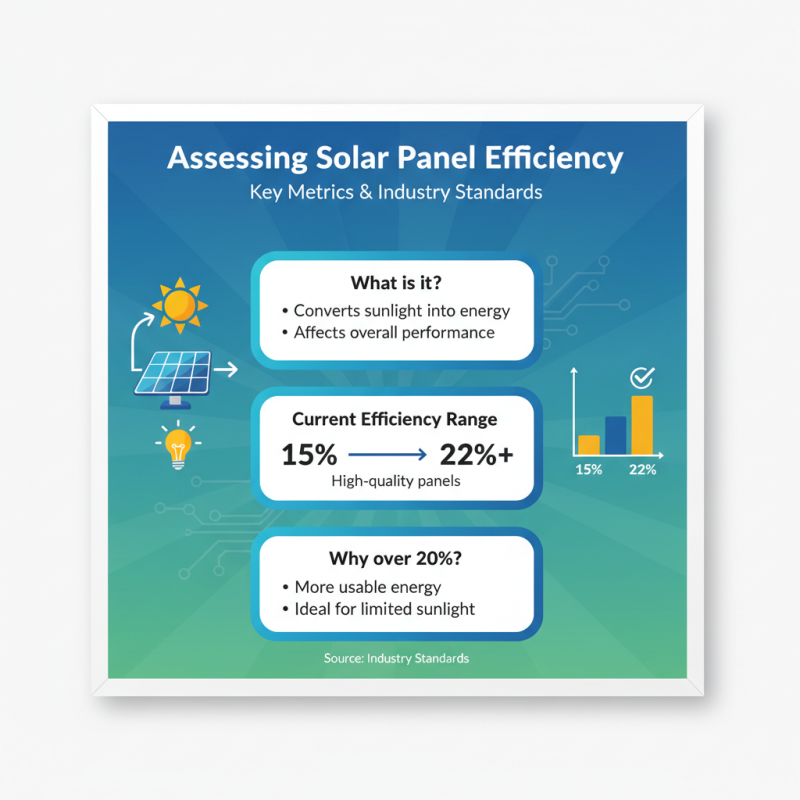
When considering solar outdoor lighting, understanding solar panel efficiency is essential. The efficiency of solar panels is a vital metric that affects overall performance. Currently, high-quality panels achieve efficiencies ranging from 15% to over 22%. In the solar industry, these numbers are crucial. Panels over 20% efficiency can convert more sunlight into usable energy, which is particularly beneficial in areas with limited sunlight.
Another important metric is the temperature coefficient. This measures how much efficiency decreases as temperature rises. A typical coefficient might be around -0.4% per degree Celsius. Panels with a lower coefficient retain efficiency better in hot conditions. This detail is essential for users in warmer climates.
Reliability is another factor to consider. Reports indicate that the average lifespan of a solar panel is around 25 years. However, performance degradation should also be factored in. Most panels lose about 0.5% to 1% efficiency annually. A deeper look into warranties can reveal the manufacturer's confidence in their product. Manufacturers providing 25-year warranties typically offer better long-term performance assurance. Make informed decisions by analyzing these industry metrics. Real-world conditions can vary results, so thorough research is crucial.
Choosing the Right Battery: Capacity and Charging Considerations
When selecting solar outdoor lighting, battery choice significantly impacts performance. The right battery ensures optimal power capacity and efficient charging. Most solar lights use lithium-ion or lead-acid batteries. Lithium-ion batteries typically have higher energy density and longer life cycles. According to the National Renewable Energy Laboratory, lithium-ion batteries can have up to a 90% efficiency rate.
Consider the capacity of the battery. A higher capacity means longer lighting duration. For example, a 2000 mAh battery can power a light for several hours. However, capacity isn't everything; charging time is equally crucial. Efficient charging affects how quickly your lights can be ready after a cloudy day. Research from the Solar Energy Industries Association indicates that slow-charging batteries can lead to prolonged downtime in lighting.
Moreover, installation location influences battery effectiveness. Exposure to sunlight varies, affecting charging capabilities. Be cautious—underestimating these factors can lead to insufficient lighting. Some users discover too late that their outdoor lights fail during critical evening hours. Assessing both capacity and charging requirements is essential to avoid such pitfalls. Optimal lighting requires more than just a bright bulb; it demands thoughtful planning around battery technology.
Exploring Motion Sensors and Smart Features for Enhanced Security
Motion sensors and smart features are essential for enhancing security in solar outdoor lighting. According to a report by the Security Industry Association, homes with outdoor lighting are 60% less likely to experience a break-in. Properly integrated motion sensors can detect movement, providing real-time alerts to homeowners. This technology not only illuminates dark areas but also deters potential intruders. Many Solar Outdoor Lighting Manufacturers are now incorporating advanced sensors that can differentiate between human movement and small animals, ensuring more accurate monitoring.
Smart features in solar lights add another layer of security. With the rise of smart home integration, these lights can connect to a homeowner's existing security system. Data from the Consumer Technology Association suggests that up to 35% of U.S. households now have smart home devices. This trend shows the growing interest in solutions that offer convenience and safety. Solar lights with Wi-Fi connectivity can send notifications directly to a smartphone when motion is detected, enabling quick responses in case of suspicious activity.
However, not all solar outdoor lighting products deliver on these promises. Choosing low-quality units might result in missed alerts or false alarms. It’s crucial to review data and user experiences before settling on a product. A balanced choice will involve assessing the reliability of sensors and compatibility with other smart home devices. This thoughtful approach ensures the best protection while enjoying the benefits of solar technology.
Comparison of Solar Outdoor Lighting Features
Comparing Material Durability: Weather Resistance and Lifespan
When choosing solar outdoor lighting, durability is crucial. The materials used can significantly impact weather resistance and lifespan. According to the Solar Energy Industries Association, High-Quality Solar Outdoor Lighting can withstand extreme temperatures and harsh conditions. This is especially important for regions with heavy rainfall or snowfall. Materials like high-grade polycarbonate or aluminum are often preferred due to their ability to resist corrosion and UV damage.
A report from the American Solar Energy Society indicates that well-designed solar lights can last anywhere from 5 to 25 years. However, not all products meet this standard. While some cheaper options may attract buyers, their lifespan can be disappointingly short. Users may find that lights made from subpar materials fail to perform after a season. Regular maintenance and checks can help, but they shouldn't be the only solution.
Moreover, consumers should consider the source of their solar lights. While a dazzling design might be tempting, durability often takes precedence. Notably, some LED components may degrade faster than the casing, leading to increased energy waste. In some cases, opting for high-quality solar outdoor lighting saves money long-term. You invest initially but enjoy better performance and reliability over time.
Budgeting for Solar Outdoor Lighting: Cost vs. Long-term Savings
When budgeting for solar outdoor lighting, consider both initial costs and long-term savings. A report from the National Renewable Energy Laboratory estimates that solar lights can reduce electricity costs by up to 90%. While the upfront investment may seem high, many homeowners see a return within three to five years. Solar options often outlast traditional lighting, reducing replacement costs.
When choosing solar lighting, consult reliable data from energy experts. A comprehensive study indicates that high-quality solar lights can last over 25,000 hours, compared to only 1,000 hours for conventional bulbs. This durability emphasizes the importance of selecting the right Solar Outdoor Lighting Manufacturer. Quality impacts not just functionality but also long-term savings.
Evaluate your outdoor space's unique needs. Brightness, coverage area, and battery life are key factors. Striking the balance between initial costs and future savings can be tricky. However, when properly researched, solar lighting offers a combination of sustainability and financial benefits that are hard to ignore. Investing wisely ensures you make well-informed choices that pay off over time.
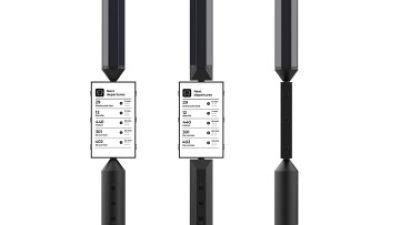
Innovative Intelligent Digital Solar-Powered Bus Stop Boards: Revolutionizing Public Transportation Experience
Innovative Intelligent Digital Solar-Powered Bus Stop Boards are transforming the way we experience public transportation by combining technology with sustainability. These vertical solar-powered bus stop boards are designed to elevate commuter convenience while reducing our environmental footprint. With the capability to harness solar energy, these structures not only provide essential services like real-time information displays but also contribute to cleaner cities, aligning with global efforts towards sustainable development.
The integration of digital technology within these bus stop boards plays a crucial role in enhancing user experience. Commuters can access up-to-date information on bus schedules, local services, and even connectivity options, making their journeys more efficient and less stressful. The presence of solar panels ensures that these boards remain functional and informative regardless of external power sources, reinforcing the reliability of public transport. Moreover, their eco-friendly design means that while individuals wait for their rides, they are also contributing to a greener environment, promoting awareness of sustainable practices in daily life.
As urban areas continue to grow, the need for innovative transportation solutions becomes increasingly critical. Solar-powered bus stop boards offer a glimpse into the future of public transit, where functionality meets sustainability. By investing in such technologies, cities can significantly improve the quality of life for their residents while addressing the pressing challenges of climate change and urban congestion.
FAQS
: Most solar outdoor lights use lithium-ion or lead-acid batteries.
Higher battery capacity allows for longer lighting duration, improving performance.
Efficient charging ensures lights are ready quickly after cloudy days, avoiding downtime.
High-grade polycarbonate or aluminum withstand extreme weather and resist corrosion.
Well-designed solar lights can last between 5 to 25 years, depending on materials.
Cheaper options may have a shorter lifespan and perform poorly after a season.
Durability and material quality should take precedence over attractive designs.
Regular maintenance checks are important, but they shouldn't be the only solution.
LED components can degrade faster than the casing, leading to increased energy waste.
Underestimating factors like capacity and charging requirements can lead to insufficient lighting.
Conclusion
When choosing the best Solar Outdoor Lighting for your needs, it's essential to understand the various types and technologies available. Begin by evaluating your specific lighting requirements, such as brightness and coverage, to ensure optimal illumination for your outdoor spaces. Assess solar panel efficiency by considering key metrics and industry standards. Additionally, selecting the right battery with appropriate capacity and charging features is crucial for reliable performance.
Incorporating motion sensors and smart technology can greatly enhance security while exploring material durability will help in choosing lights resistant to weather elements and capable of lasting over time. Lastly, budgeting for your solar outdoor lighting involves not just initial costs but also understanding the potential long-term savings, making it a worthwhile investment for eco-friendly outdoor illumination.