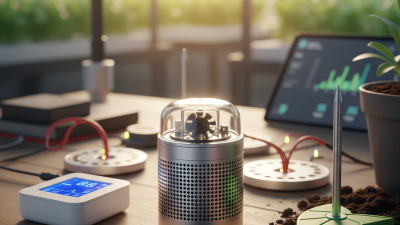
Lately, it feels like everyone's talking about Environmental Sensors, and honestly, the demand has skyrocketed. If you look at the latest reports—like from MarketsandMarkets—they're saying the worldwide environmental monitoring biz could hit around $19.3 billion by 2025. That kind of growth really shows just how critical it’s become to get accurate and trustworthy environmental data, especially as industries push to meet stricter rules and sustainability targets. Choosing the right sensors, though, can be pretty tricky. You gotta consider stuff like sensitivity, the range they cover, and whether they play nice with your existing setup. And let’s not forget—accuracy isn’t always guaranteed. For example, the World Health Organization has pointed out that bad air quality monitoring can cause serious public health problems. When it comes to brands, big names like Aeroqual and Thermo Fisher Scientific are leading the way—they each have different tech and uses. But new companies trying to break in often find it tough because they lack the experience and trust that established players have. So, picking the perfect environmental sensor isn’t just about the tech; you’ve gotta look at the company’s track record and how well the sensor actually performs. Bottom line—making the right choice means doing your homework and knowing that no single product will tick every box perfectly, but that’s totally okay.
Understanding Environmental Sensors and Their Importance
Environmental sensors play a crucial role in monitoring air and water quality, temperature, and other parameters. They help us understand our surroundings better. Sensors gather data on pollutants, humidity, and temperature fluctuations, creating a clearer picture of environmental health. Knowledge gained from these sensors informs critical decisions in industry and public health.
When choosing environmental sensors, consider sensing technology and accuracy. Different sensors use various methodologies. Some excel in specific environments while compromising others. It's essential to reflect on your specific needs. Will you be monitoring indoor air quality or outdoor pollution? Assessing your primary focus will guide your selection process.
CE Certification Environmental Sensors ensure adherence to safety and environmental regulations. Sensors with this certification are more reliable. However, reliance on certifications alone isn't wise. Regular maintenance and calibration of sensors are imperative for sustained accuracy. Seek expert opinions to validate your choices. Continuous evaluation of sensor performance will enhance reliability over time.
Types of Environmental Sensors Available in the Market
When selecting environmental sensors, understanding the variety available can significantly impact your choice. Common types include air quality sensors, temperature and humidity sensors, soil moisture sensors, and noise sensors. Air quality sensors measure pollutants and volatile organic compounds. According to a recent report, the global air quality monitoring market is projected to grow by 5.7% annually through 2027. This indicates strong demand for accurate and reliable air quality data.
Temperature and humidity sensors play a crucial role in agriculture and HVAC systems. They help maintain optimal conditions for plant growth and energy efficiency. Data from industry experts show that these sensors improve energy savings by 30% in many applications. Soil moisture sensors are vital for farmers. Over 60% of agricultural professionals now utilize these devices to optimize irrigation, therefore increasing crop yields significantly.
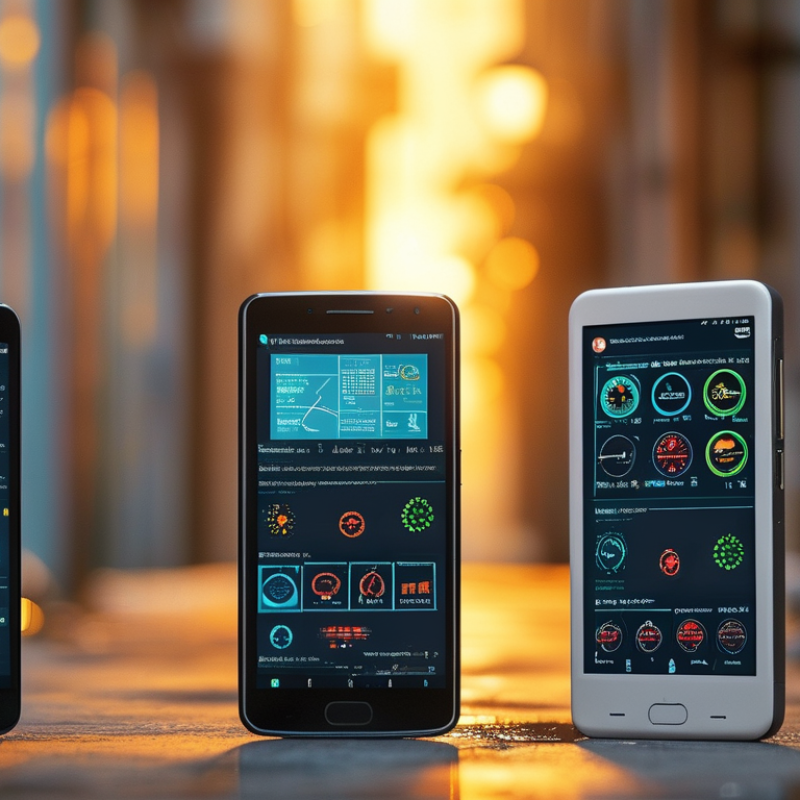
Many environmental sensors come with smart technology. They can connect to the Internet of Things, providing real-time data. However, buyers should consider compatibility with existing systems. Not all sensors will communicate seamlessly. Working with reputable Environmental Sensors Manufacturers becomes essential to ensure reliability and accuracy. Navigate the specifics of your requirements with care to make an informed decision.
Key Features to Consider When Choosing Environmental Sensors
Choosing environmental sensors requires a careful evaluation of key features. One must consider their specific needs. For effective monitoring, accuracy is paramount. Research indicates that sensors with a precision of 1% or better have a significant impact on data reliability. Higher precision can lead to more accurate responses in environmental management, precisely when quick action is essential.
Another crucial aspect is the sensor's response time. Fast response times enhance the effectiveness of monitoring systems. According to a recent industry report, sensors with response times under 5 seconds are optimal for dynamic environments. This speed can be critical in agriculture, where changes in soil moisture may dictate immediate irrigation adjustments.
To maximize the efficiency of your environmental sensors, assess your operating conditions. For instance, selecting a sensor that can withstand extreme temperatures is vital for outdoor applications. Considering long-term reliability and maintenance needs also counts. Pay attention to Battery life and calibration frequency, as these can affect operational continuity. A sensor that requires frequent calibration may pose practical challenges.
Seek sensors suited to both indoor and outdoor environments. Sensor placement should also factor in potential interference. Environmental variations can greatly affect sensor efficacy, especially in urban settings. Choosing wisely ensures that the sensors deliver consistent and reliable data over extended periods.
Assessing Your Specific Environmental Monitoring Needs
When assessing your specific environmental monitoring needs, start by identifying the parameters that matter most. Consider elements like temperature, humidity, air quality, and noise levels. Each setting has different requirements. For instance, a laboratory might focus on temperature and humidity control, while an urban area may prioritize air quality monitoring. Understanding these distinctions will help guide your choice of sensor.
Next, evaluate the scale and location of your monitoring. Are you surveying a small indoor space or a vast outdoor area? This affects the type and number of sensors you'll need. Wireless sensors offer flexibility and ease of installation. However, wired sensors may provide more reliable data. Reflect on the installation environment and accessibility to ensure consistent monitoring.
Finally, consider the data reporting features of the sensors. Sometimes, complex data management systems can be overwhelming or unnecessary. Weigh the benefits of real-time monitoring against your capability to process the data. Strive to balance your technical needs with user-friendliness. Finding the right sensors is a combination of understanding your unique situation and being open to iterative adjustments.
Evaluating Sensor Accuracy and Reliability
When evaluating environmental sensors, accuracy and reliability are critical factors. An accurate sensor provides data that reflects true environmental conditions. If a sensor is faulty, it can lead to misinformed decisions that impact health and safety. For instance, a sensor measuring air quality must deliver precise readings to ensure it effectively protects people from pollution.
Calibrating the sensor regularly enhances its accuracy. Calibration adjusts the sensor's output based on known standards. This process ensures that it remains reliable over time. Temperature and humidity can affect readings, making it essential to understand the environment where the sensor operates. Sometimes, fluctuations can mislead users regarding the data.
When selecting sensors, consider their specifications and user reviews for real-world performance insights. Look for independent studies that have tested these sensors in various conditions. This can provide a broader perspective on their reliability. Reflect on your specific needs. Not all sensors are suited for every environment. Matching your requirements with the right specifications is key to making informed choices.
Budget Considerations for Environmental Sensor Selection
When selecting environmental sensors, budget plays a crucial role. You need to balance quality and cost. High-Quality Environmental Sensors may come at a higher price due to advanced features. However, cheaper options could lack reliability. Think about the specific needs of your project. Will you require sensitivity to certain pollutants? A more expensive sensor might be essential in such cases.
Investigate the long-term costs too. Sometimes, initial savings on inexpensive sensors lead to higher maintenance expenses. Consider durability and warranty when assessing overall value. High-Quality Environmental Sensors often provide better support and longer lifespans. Remember, upfront savings may not justify poorer performance later on.
Making a decision can be overwhelming. However, identifying your core needs can clarify your budget choices. Engage with professionals who specialize in these tools. Their experiences can guide you. Always weigh the cost against potential risks to ensure you invest wisely.
Environmental Sensor Budget Considerations
Installation and Maintenance Tips for Optimal Performance
Choosing the right environmental sensors involves more than just specifications. Proper installation plays a crucial role in ensuring their effectiveness. Place sensors in locations that accurately reflect environmental conditions. Avoid areas with immediate obstructions, such as trees or buildings. These locations can impact the data collected.
Maintenance is equally important. Regular checks can reveal issues before they become significant problems. Dust accumulation can affect sensor readings. Routine cleaning with a soft cloth can help maintain accuracy. Additionally, as seasons change, environmental conditions vary. Adjustments may be necessary based on these changes to keep performance optimal.
Engaging with a knowledgeable Environmental Sensors Manufacturer can provide valuable insights. They can assist in choosing sensors that align with your specific needs. Understanding the installation nuances and maintenance requirements can boost reliability. While these tasks may seem mundane, neglecting them can lead to inconsistent readings. Pay attention to these details for long-term success.
FAQS
: Environmental sensors monitor air and water quality, temperature, and humidity. They help assess environmental health.
Consider the sensing technology and accuracy. Reflect on your specific needs, like indoor air quality or outdoor pollution.
Certification ensures adherence to safety regulations. However, regular maintenance and calibration are also crucial for accuracy.
Common types include air quality, temperature, humidity, soil moisture, and noise sensors. Each serves a unique purpose.
Smart sensors can connect to the Internet, providing real-time data. Ensure they are compatible with your existing systems.
Balance quality and cost. Cheaper sensors may lead to higher long-term maintenance, impacting overall value and performance.
Regular maintenance is essential. Continuous evaluation helps maintain reliability and ensures accurate data collection.
Yes, temperature and humidity sensors can enhance energy efficiency in various applications, leading to significant savings.
Soil moisture sensors help optimize irrigation. They are widely used to improve crop yields and resource efficiency.
Engaging with experts can provide valuable insights. Their experiences will help you navigate your specific needs effectively.
Conclusion
Choosing the best Environmental Sensors for your needs requires a comprehensive understanding of their types and functionalities. Environmental Sensors play a crucial role in monitoring various parameters such as air quality, temperature, humidity, and more. When selecting sensors, it's essential to assess specific monitoring needs, evaluate sensor accuracy and reliability, and consider critical features like sensitivity and response time.
Budget considerations also play a vital role, as prices can vary significantly across different sensor types. Additionally, proper installation and ongoing maintenance are key to ensuring optimal performance and longevity of the devices. By keeping these factors in mind, you can make an informed decision that effectively meets your environmental monitoring requirements.