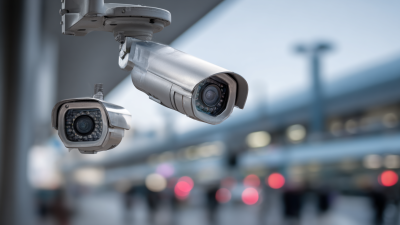
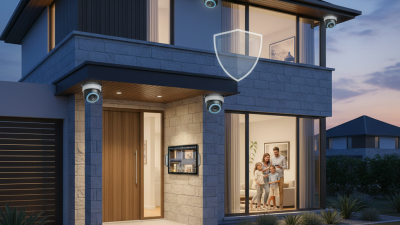
Let's face it, keeping things secure these days isn't exactly straightforward. With the rise of Intelligent CCTV systems, we've seen a big shift from traditional security cameras to smarter, AI-powered ones. These tech-savvy cameras can give you real-time insights, making security measures way more effective. But here’s the thing—picking the right system isn't always a walk in the park. Not all solutions are created equally, and some might not quite fit what you're actually trying to achieve.
When you start exploring your options, it’s super important to think about both what the system can do and whether it plays nice with your existing setup. Features like motion detection and facial recognition are definitely cool, but don’t get too caught up in the tech hysteria—sometimes, simple stuff is just what you need. Remember, every environment is different, and a one-size-fits-all approach is likely to backfire.
So, choosing an Intelligent Cctv isn’t just about going for the latest gadgets; it’s about finding the right balance between innovation and what’s practical for your situation. Do your homework, ask for advice from pros, and definitely check out user reviews and expert opinions. Trust me, this way you’ll make smarter decisions that keep your place safe and running smoothly without overcomplicating things.
Understanding Intelligent CCTV Systems: Key Features and Benefits
When choosing intelligent CCTV systems, understanding their key features and benefits is essential. Intelligent CCTV systems use advanced algorithms to analyze video footage in real-time. They can detect movement, recognize faces, and even identify specific objects. This capability enhances monitoring, allowing for quicker responses to incidents.
One significant advantage is improved security. With features like live alerts and smart analytics, these systems notify you immediately of unusual activities. This ensures timely intervention. Furthermore, high-definition video quality provides clarity, making it easier to identify potential threats or gather evidence.
However, the technology isn't flawless. False alarms can occur, leading to confusion. Additionally, users may need to invest time in learning how to operate the systems effectively. Privacy concerns are also valid, as constant monitoring can feel intrusive. Balancing security needs with personal privacy is crucial in this digital age.
Key Features of Intelligent CCTV Systems
Evaluating Resolution and Image Quality Standards in CCTV Cameras
When selecting intelligent CCTV systems, evaluating resolution and image quality is crucial. High-resolution cameras can provide clearer images, but resolution alone doesn't determine overall performance. A report from the Security Industry Association highlighted that 4K cameras deliver better detail than 1080p ones. However, this increase in detail may not be noticeable outside controlled environments. In real-world scenarios, factors like lighting conditions and sensor quality have a significant impact as well.
The CE Certification Intelligent Cctv is a notable aspect to consider. Systems adhering to CE standards often guarantee built-in technical and safety specifications. It's essential to understand that even if cameras offer high resolution, they may not perform well in low light. Image quality can be compromised due to poor lens quality or inadequate compression settings. Thus, investing in reliable optical components is as critical as selecting high-resolution sensors.
It's clear that image quality should go beyond mere numbers. An independent survey indicated that a portion of users reported dissatisfaction with their high-resolution systems due to image distortion under specific conditions. Each environment presents unique challenges. Careful evaluation based on both resolution and environmental factors is essential for achieving optimal security results.
Analyzing AI Integration and Its Impact on Surveillance Efficiency
AI integration in CCTV systems has transformed surveillance efficiency. Intelligent cameras now analyze footage in real-time. They identify faces, detect movement, and recognize unusual behavior patterns. These capabilities enhance situational awareness significantly. However, not all systems achieve the same results.
Surveillance systems can vary widely. Some rely heavily on algorithms, while others may produce false positives due to environmental factors. Effective AI models require extensive data training and regular updates. Without proper maintenance, the systems may falter. A flawed AI system can lead to missed incidents or unnecessary alerts.
Privacy concerns are also a factor. Many users fear that their data may be misused. Balancing surveillance efficiency with ethical considerations remains a challenge. As AI continues evolving, stakeholders must address these issues transparently. This path is crucial for building trust and ensuring effective surveillance practices.
Exploring Storage Solutions and Data Management for Intelligent Systems
When selecting an intelligent CCTV system, storage solutions and data management are critical. The type of storage you choose impacts data retrieval efficiency. For instance, multiple storage types exist, including local drives and cloud options. Each has its merits. Local drives can be faster but may lack scalability. In contrast, cloud storage offers flexibility but can raise concerns about data security.
Data management goes beyond just storage. Efficient organization is key. Categorizing footage by date and event type can streamline access. Intelligent algorithms can enhance this process by filtering relevant data. However, relying solely on technology can lead to oversight. Regular audits of data integrity are necessary. There's also a need for user training to effectively utilize these tools.
Solar Intelligent Cctv systems highlight a blend of technology and energy efficiency. These systems often focus on sustainability. However, their energy needs become crucial during data-intensive operations. Users must consider the balance between environmental impact and system performance. This reflects the ongoing challenge in the field: maximizing efficiency while ensuring reliability.
2026 How to Choose the Best Intelligent CCTV Systems? - Exploring Storage Solutions and Data Management for Intelligent Systems
| Feature | Description | Storage Type | Data Management |
| Resolution | Defines the clarity of the video, typically measured in megapixels. | Cloud Storage | Data can be accessed from anywhere with internet access. |
| Field of View | The maximum area that the camera can cover. | Local Storage | Requires physical access to retrieve footage. |
| Night Vision | Ability to capture footage in low light conditions. | Hybrid Storage | Combination of cloud and local storage solutions. |
| Motion Detection | Detects movement and triggers alerts. | Network Video Recorder (NVR) | Centralized managing and storing of footage. |
| AI Capabilities | Features such as facial recognition and object detection. | SD Card Storage | Simple, cost-effective local storage option. |
Assessing Real-time Monitoring Capabilities and Remote Access Options
When selecting an intelligent CCTV system, real-time monitoring capabilities are crucial. A recent report from the Security Industry Association (SIA) highlighted that 62% of users prefer systems offering live feeds. This feature allows for immediate responses to incidents, enhancing security management. Users can view footage in real-time, enabling swift decision-making. Moreover, advanced systems now incorporate artificial intelligence to distinguish between threats and non-threats, improving the overall monitoring process.
Remote access options significantly enhance usability. A survey by Research and Markets found that 70% of CCTV users value mobile access to their surveillance feeds. This flexibility allows users to monitor their properties anytime, anywhere. Also, cloud-based storage solutions have emerged as game-changers. These solutions offer secure, scalable storage of footage without the need for extensive hardware. However, some systems may experience latency or connectivity issues, which can be frustrating during critical moments. It's essential to evaluate your network infrastructure to ensure reliable access.
While many systems boast top-notch capabilities, it’s important to review user feedback. Some users report that integration with existing security frameworks can be challenging. Others may find the user interface confusing, especially if they lack technical expertise. These factors underline the importance of thorough research and trials before making a decision.
Comparing Industry Standards and Compliance in CCTV Technology
When selecting intelligent Cctv systems, compliance with industry standards is crucial. The International Organization for Standardization (ISO) and the International Electrotechnical Commission (IEC) provide vital guidelines. These standards ensure systems maintain high-performance levels, ensuring reliability and operational effectiveness. Industry stakeholders emphasize the significance of following these benchmarks to enhance security measures.
Recent studies show that 70% of organizations prioritize compliance. This reflects the growing concern over privacy and data protection. Adhering to regulations like GDPR and CCPA becomes critical. Non-compliance can lead to severe penalties and reputational damage. Moreover, many organizations overlook the need for regular audits to ensure continuous compliance.
Technical specifications also play a vital role. Features such as video analytics and data encryption are now industry standards. Systems lacking these crucial elements may fail to meet compliance requirements. The necessity for ongoing assessments is evident. Organizations must adapt to the evolving regulations and technologies in CCTV. Regular updates to both software and hardware can significantly impact compliance and security efficacy.
Determining Budget Considerations and ROI for CCTV System Investments
When investing in intelligent CCTV systems, budget considerations are crucial. Industry reports suggest that organizations allocate around 5-10% of their operational costs to surveillance technology annually. This percentage can significantly impact the return on investment (ROI). A well-implemented CCTV system can reduce theft and loss by up to 30%, and enhance safety measures, making them an essential addition for many businesses.
Understanding the total cost of ownership is vital. Initial hardware costs are only part of the equation. Installation, maintenance, and potential upgrades must also be factored in. For instance, the use of Waterproof Solar Cctv For Tropical Rainforests is a practical solution for remote locations. These systems can be costly upfront, yet they minimize maintenance expenses over time due to their durability and self-sustaining energy features. Balancing upfront costs with long-term savings is essential.
Moreover, quantifying the ROI can be challenging. Some benefits, such as heightened employee security and prevention of property damage, are less tangible. Surveys indicate that 75% of businesses experience increased employee satisfaction when it's clear they are being monitored. This aspect merits further reflection. Safety perceptions can improve, leading to better workplace efficiency, yet establishing exact ROI can still be elusive. Thus, investing in intelligent CCTV systems requires a critical approach to budget and long-term benefits.
Innovative Eco-Friendly Bus Stop Solutions: Intelligent Solar-Powered Boards from China Suppliers
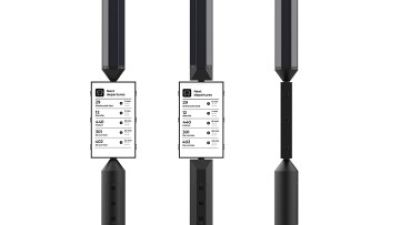
Innovative eco-friendly bus stop solutions are revolutionizing public transportation infrastructure, particularly in urban areas of China. With the introduction of vertical solar-powered bus stop boards, commuters now benefit from modern designs that prioritize sustainability and functionality. These bus stops not only offer essential amenities such as seating and shelter but also integrate Solar Panels that harness renewable energy, effectively reducing the environmental impact of public transport systems.
The vertical solar-powered bus stop boards reflect a commitment to enhancing transit efficiency while promoting a greener future. By utilizing solar energy, these structures help decrease reliance on conventional power sources, contributing to lower carbon footprints in urban settings. This combination of modern aesthetics and environmental consciousness makes these bus stops a smart investment for cities looking to improve their public transportation networks and overall urban infrastructure. By prioritizing eco-friendly designs in essential public services like bus stops, cities can lead the way towards a more sustainable future for urban transport.
FAQS
: Intelligent CCTV systems use algorithms to analyze footage. They detect movement, recognize faces, and identify objects.
They provide live alerts on unusual activities. This ensures quicker responses and timely intervention.
Options include local drives and cloud storage. Each has benefits and drawbacks related to speed and scalability.
Efficient organization helps streamline access to footage. Categorizing by date and event type enhances retrieval.
Constant monitoring can feel intrusive. Balancing security needs with privacy is essential for users.
While technology is advanced, false alarms can still occur. Users must be prepared for occasional confusion.
Compliance ensures high performance and reliability. Regulations protect privacy and avoiding penalties is crucial.
Regular audits maintain data integrity. Overlooking them can lead to significant oversights and data management issues.
Proper training is crucial for operating these tools effectively. Without it, users may struggle to utilize the technology.
Organizations must perform ongoing assessments. Keeping software and hardware up-to-date improves compliance and security.
Conclusion
When choosing the best intelligent CCTV systems in 2026, it is essential to understand their key features and benefits, including advanced image quality and resolution standards that enhance surveillance capabilities. A critical aspect is the integration of AI, which significantly boosts the efficiency of monitoring by enabling real-time data analysis and automated alerts.
Moreover, prospective buyers should explore various storage solutions and data management options to ensure secure and efficient handling of the footage collected. The ability to access feeds remotely and evaluate real-time monitoring capabilities is crucial for effective surveillance. Additionally, assessing industry standards and compliance will ensure that the chosen Intelligent CCTV system aligns with regulatory requirements. Finally, consideration of budget implications and potential return on investment (ROI) is vital for making informed decisions regarding CCTV system investments.