Picking the right Vertical Solar Pole can really make a difference when it comes to your energy savings and overall sustainability efforts. I mean, as Dr. Emily Williams from Solar Innovations puts it, “The right solar pole not only helps save energy but also boosts how nice urban spaces look.” It’s a good reminder that making an informed choice is pretty important here.
There are tons of options out there for vertical solar poles, each suited to different needs. When you're scouting for a Vertical Solar Pole Street Light, think about things like height, what it’s made of, and how much energy it can generate. All those little details really count — taller poles might cover more ground, but they might also need more upkeep over time.
And honestly, it’s worth thinking about what you really need. Are you aiming for lighting in a busy city area or somewhere more rural? Taking a minute to reflect on your specific situation can help you pick a pole that actually works best for you. The right vertical solar pole isn’t just about function — it can also look good and fit in seamlessly with the environment. Sure, it might take some time and research to find the perfect match, but in the end, the long-term benefits are totally worth it.
Understanding Vertical Solar Poles and Their Benefits
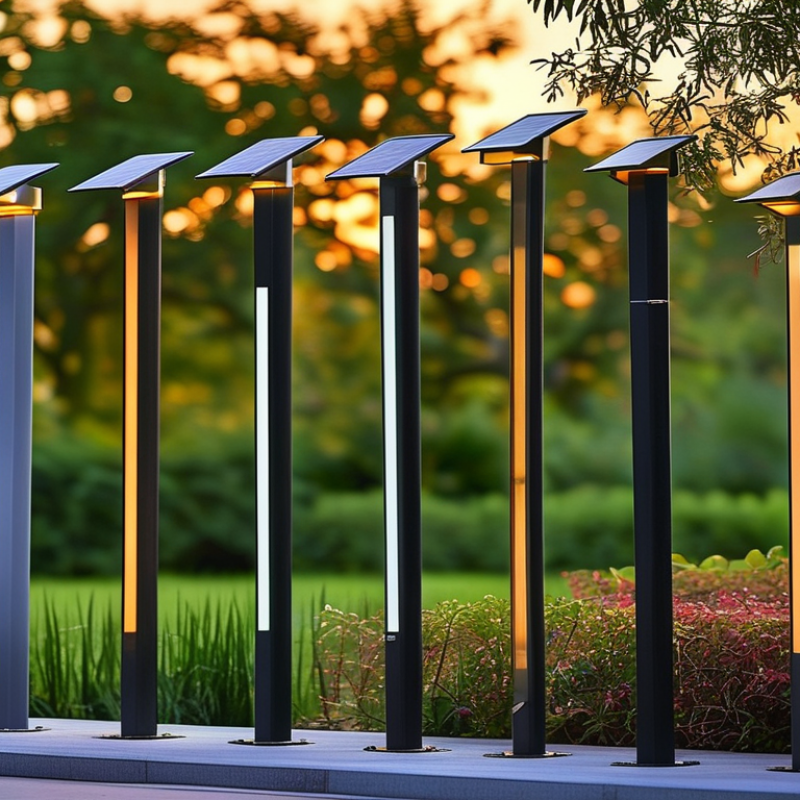
Vertical solar poles offer several advantages for energy generation and efficient land use. These structures maximize sunlight capture with their unique upright orientation. They work well in various environments, especially where space is limited. Unlike traditional Solar Panels, vertical installations can adapt to urban landscapes and enhance overall aesthetics.
One significant benefit of vertical solar poles is their ability to generate power throughout the day. Their design allows for a broader range of sunlight capture. Even in low-light conditions, vertical systems can perform efficiently. However, installation locations can vary based on surroundings. Shadowing from nearby buildings or trees may hinder performance.
It’s crucial to understand different mounting options and their implications. Some installations require specific orientations to optimize energy output. Additionally, maintenance can be more complex for vertical setups. Regular cleaning and inspections are vital to ensure consistent performance. Balancing these factors will help in selecting the best vertical solar pole for your needs.
Identifying Your Energy Needs Before Selection
When considering a Vertical Solar Pole, it's essential to assess your energy needs. Start by calculating your average daily energy consumption. This includes all appliances and devices you plan to power with solar energy. A detailed breakdown will provide clarity on how much energy you actually need.
Next, think about your location. Are there significant seasonal variations in sunlight? This affects the efficiency of your Vertical Solar Pole. Installing it in a shaded area will yield less energy. You may find that your initial calculations need adjustments based on these factors.
Take the time to explore your options. Some might fit well for specific environments but not for others. A too-small system will underperform, while an overly large one may lead to wasted resources. Reflect on your current and future energy demands. It’s a journey of trial and error, demanding careful consideration and adjustment.
Key Features to Consider in Vertical Solar Poles
When considering a vertical solar pole, various key features should guide your decision. The first aspect to examine is the material. Poles made from corrosion-resistant metals tend to last longer. They withstand harsh weather conditions better than those made from cheaper materials. Additionally, check for the pole's height and angle of tilt. These factors directly influence energy efficiency and overall performance.
Another critical feature is the mounting system. A secure and adjustable mounting system ensures stability. It allows for Easy installation and maintenance. You might want to think about the pole's capacity to support different solar panel sizes. Some designs are more versatile than others. Some poles can handle larger arrays, while others are limited in this respect.
Consider the type of solar technology used as well. Some vertical poles support both photovoltaic and solar thermal systems. This adaptability can maximize energy generation. However, be cautious of overly complex designs. An intricate setup might require special expertise for installation. Striking a balance between efficiency and simplicity is crucial. Evaluate your unique needs carefully. Each feature, though seemingly minor, plays a significant role in performance and longevity.
Types of Vertical Solar Poles and Their Applications
When considering vertical solar poles, it's essential to understand the various types and their specific applications. One common type is the standard pole, often used for street lighting. These poles can typically support LED fixtures and are ideal for urban areas. According to the International Renewable Energy Agency (IRENA), solar streetlights can reduce energy costs by up to 70%. This makes them a popular choice for municipalities aiming to improve energy efficiency.
Another option is the adjustable vertical solar pole, providing flexibility in light direction and intensity. These poles are excellent for parks and outdoor recreational areas. They can offer customized lighting solutions that cater to specific needs. Data from the Solar Energy Industries Association indicates that vertical solar poles equipped with adaptive technology can adapt to environmental changes and optimize energy usage.
**Tip:** Always check for CE Certification Vertical Solar Pole Street Light. This certification ensures safety and reliability.
When selecting a solar pole, consider its height and placement. A higher pole can illuminate broader areas but may require more maintenance. Some users report difficulties with accessing high-mounted lights for repairs. Therefore, assess the trade-offs between installation height and ease of maintenance before making a choice.
Evaluating Durability and Weather Resistance
When selecting a vertical solar pole, durability and weather resistance are essential factors. Research shows that solar poles exposed to harsh weather conditions can reduce performance by up to 30%. Materials like high-strength aluminum and corrosion-resistant coatings provide longevity. These components can withstand UV rays, rain, and snow. Selecting poles with tested wind resistance ratings ensures stability during storms.
Weather resistance must also consider local climates. For instance, in coastal areas, salt spray might corrode unprotected metals. Studies indicate that poles explicitly designed for marine environments last significantly longer. In regions prone to heavy snow, the pole's structural integrity is critical to prevent bending or breaking under weight. Regular inspections can ensure ongoing durability, allowing for maintenance before problems escalate.
Investing in quality often pays off. Reports indicate that durable solar installations can achieve lifespans of 25 years or more if well-chosen and maintained. The initial cost can feel daunting, yet the long-term savings on energy bills and repairs justify the choice. Reflecting on specific environmental needs ensures that your vertical solar pole will thrive in your unique setting.
Assessing Installation Requirements and Costs
When considering vertical solar poles, installation requirements are crucial. Start by evaluating the location. Assure that the area receives ample sunlight throughout the day. Shadows from buildings or trees can affect performance. Measure the distance to the nearest power source, if grid connectivity is a concern. This can drive up costs if extensive wiring is needed.
Next, think about the mounting options. Vertical solar poles can often be installed on various surfaces, including concrete or asphalt. Some manufacturers also provide adjustable mounts for different terrains. Check local regulations regarding height restrictions and spacing. Understanding these can prevent costly adjustments later on.
Costs vary significantly based on installation complexity. Labor costs can add up if specialized skills are required. Additionally, avoid falling for the cheapest options. Some products from Vertical Solar Pole Street Light Manufacturers may lack quality. It’s essential to balance cost with durability and efficiency to ensure long-term savings.
Researching Reputable Brands and Customer Reviews
When choosing a vertical solar pole, understanding customer reviews is crucial. A study shows that about 70% of consumers rely on reviews before making a purchase. These reviews provide insights into product performance and reliability. Look for detailed feedback that highlights both strengths and weaknesses of different products. For instance, some users may rave about the efficiency of the solar panels while others might mention issues with the durability of the pole.
Reputable brands often have a substantial presence in customer reviews. They typically respond to feedback, reflecting their commitment to quality and service. It's wise to research brands that consistently earn high ratings. According to industry reports, products with established reputations are 1.5 times more likely to satisfy customers. High-Quality Vertical Solar Pole Street Light options stand out due to excellent construction and customer support.
However, not all reviews are equal. Beware of overly positive feedback, as it may be fabricated. A transparent review process is vital. Diversifying sources—online forums, social media, and expert blogs—can provide a broader perspective. Customers should consider both enthusiastic endorsements and cautionary tales when making their decisions. Balancing these viewpoints enriches the purchasing process.
Comparison of Vertical Solar Pole Features
This chart represents the ratings of essential features when selecting a vertical solar pole. The ratings are assessed on a scale from 0 to 10, covering material quality, ease of installation, durability, warranty period, and customer satisfaction.
Leveraging Renewable Energy: Insights from Market Reports on Intelligent Solar-Powered Bus Stop Solutions for Sustainable Urban Mobility
As cities around the world strive for sustainable urban mobility solutions, leveraging renewable energy sources is becoming increasingly essential. Recent market reports indicate a growing trend towards intelligent solar-powered solutions in public transportation, particularly through the implementation of solar-powered bus stop boards. These innovative installations not only enhance public transit infrastructure but also contribute significantly to the reduction of carbon footprints in urban areas. A notable market analysis suggests that the adoption of renewable energy solutions in urban transit can reduce operational costs by up to 30%, providing both economic and environmental benefits.
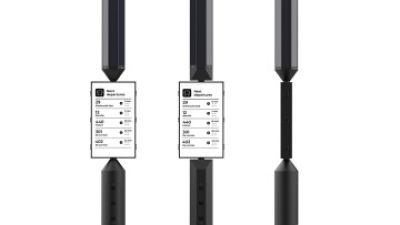
In China, the deployment of vertical solar-powered bus stop boards is gaining traction as a forward-thinking solution to modernize transit facilities. These smart bus stops are equipped with essential amenities that cater to commuters' needs while harnessing solar energy effectively. By utilizing space in a vertical design, these units maximize solar exposure, ensuring that energy generation is optimized throughout the day. Reports show that such systems can significantly decrease reliance on fossil fuels, aligning with China's commitment to achieving carbon neutrality by 2060.
Moreover, the integration of renewable energy into public transportation not only enhances commuter convenience but also fosters a culture of sustainability within urban environments. Cities investing in solar-powered infrastructures are likely to see an increase in public transit usage, as well-designed amenities improve the overall commuting experience. As more municipalities recognize the importance of eco-friendly solutions, the future of urban mobility is poised to be driven by innovations that prioritize both sustainability and commuter well-being.
FAQS
: Opt for corrosion-resistant metals. They last longer and resist harsh weather better.
Height affects energy efficiency and performance. A taller pole can improve solar exposure.
A secure and adjustable mounting system promotes stability. It simplifies both installation and maintenance.
No, some designs are more versatile. Confirm the pole can accommodate your solar panel size.
Some poles support both photovoltaic and solar thermal systems. This flexibility maximizes energy generation.
It helps maintain performance. Poor weather can reduce efficiency by up to 30%.
Coastal areas may need poles resistant to salt spray. Heavy snow regions require structural integrity to avoid bending.
They provide insights into performance. Many consumers rely on reviews to gauge product reliability.
Look for detailed feedback. Be cautious of overly positive remarks; seek a balanced perspective.
Yes, quality poles can last over 25 years. Initial costs may seem high, but long-term savings justify it.
Conclusion
When choosing the best Vertical Solar Pole for your needs, it's essential to understand their benefits, such as space efficiency and the ability to harness solar energy effectively. Start by identifying your energy requirements to ensure that the selected pole can meet your demands. Consider key features like size, solar panel capacity, and energy storage options, as these will greatly influence performance.
Different types of Vertical Solar Poles cater to various applications, from residential to commercial use. Evaluating the durability of the pole and its weather resistance is crucial, especially if you live in an area with extreme weather conditions. Additionally, assessing installation requirements and costs will help you determine the overall feasibility of the project. Finally, researching reputable brands and customer reviews can provide insights into the quality and reliability of the Vertical Solar Pole you wish to invest in.