With climate change worsening and wildfires getting more intense, it’s never been more important to have quick and effective ways to detect fires in forests. As these fires threaten our ecosystems, wildlife, and even folks’ lives, we’re seeing some pretty cool new methods popping up in 2023 to tackle this problem. By tapping into cutting-edge tech, these approaches not only help spot fires faster and more accurately but also help firefighting teams respond better around the world.
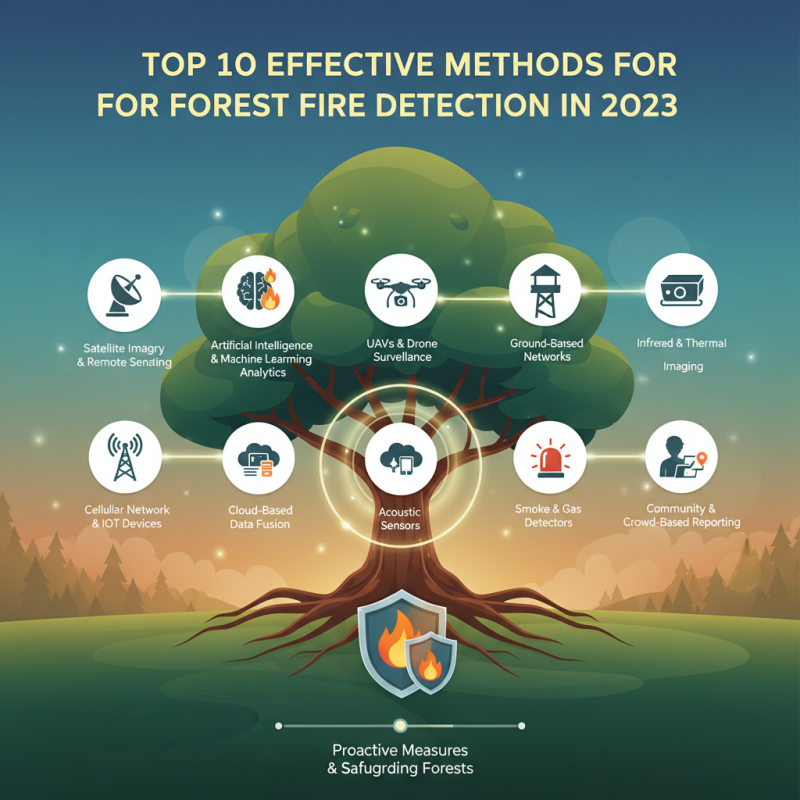
In this article, I’ll walk you through the top 10 most effective fire detection methods out there today. We’ll look at how artificial intelligence, satellite images, drones, and other innovations are changing the game. The goal? To give you an inside look at how these tools could totally transform how we deal with wildfires—making us more proactive and better at protecting our forests. Honestly, all these new approaches give us some serious hope for handling wildfires more wisely and minimizing their destructive impact on our planet.
Emerging Technologies for Forest Fire Detection in 2023
In 2023, the fight against forest fires has seen significant advancements driven by emerging technologies that enhance detection capabilities. According to the Global Forest Watch report, more than 10 million hectares of forest are lost annually due to wildfires, highlighting the urgent need for effective monitoring systems. Innovative methods such as drone surveillance, equipped with high-resolution thermal imaging cameras, are becoming pivotal in early detection. These drones can cover vast areas quickly and provide real-time data, allowing for timely interventions before fires escalate.
Another promising technology is the application of artificial intelligence (AI) in analyzing satellite imagery. A recent study from the National Aeronautics and Space Administration (NASA) indicated that AI algorithms can improve fire detection accuracy by up to 25% compared to traditional methods. By processing vast amounts of data from various sources, including weather conditions, vegetation types, and historical fire patterns, AI can predict potential fire hotspots, facilitating targeted preventive measures.
Moreover, the integration of IoT (Internet of Things) sensors in forested areas has revolutionized fire monitoring. These sensors can detect changes in temperature and humidity, transmitting alerts in real-time to firefighting teams. A report from the International Fire Safety Consortium estimates that such systems can reduce response times by up to 30%, ultimately saving lives and protecting ecosystems. As these technologies evolve, they offer promising solutions to mitigate the increasing threat of forest fires in the wake of climate change.
Utilizing Satellite Imagery for Early Fire Detection
Satellite imagery has revolutionized the way we approach Forest Fire Detection, particularly in 2023. Recent studies indicate that satellite technology can identify hotspots with remarkable accuracy, significantly enhancing early warning systems. According to a report by the European Space Agency, the integration of multi-spectral satellite data allows for the detection of thermal anomalies, which can signal the onset of a fire well before it reaches critical levels. This capability not only aids in swift response efforts but also allows for better resource allocation in areas prone to wildfires.
Furthermore, advancements in machine learning algorithms have improved the processing of satellite data, enabling real-time monitoring of forested areas. A collaborative study published in the Journal of Environmental Management highlights that satellite-based detection systems can reduce the time taken to identify fires by up to 30%, leading to quicker firefighting responses. In 2022 alone, countries utilizing satellite imagery for fire detection reported an increase in response efficiency, with a notable decrease in burnt areas due to faster intervention. As technology continues to advance, utilizing satellite imagery will remain at the forefront of effective forest fire management strategies, ultimately safeguarding ecosystems and communities alike.
The Role of Drones in Monitoring and Detecting Wildfires
Drones have emerged as a pivotal tool in the realm of wildfire detection and monitoring, revolutionizing the way we approach forest fire management. Equipped with advanced sensors and cameras, these unmanned aerial vehicles can cover vast areas quickly, providing real-time data on temperature, smoke, and environmental conditions. This capability allows for early detection of wildfires, which is crucial in preventing small fires from escalating into catastrophic blazes. Furthermore, drones can access difficult terrains that are often hazardous for ground crews, ensuring that areas at risk are monitored effectively.
Tips for deploying drones in wildfire detection include ensuring proper calibration of sensors for accurate readings and establishing clear communication protocols between drone operators and ground teams. Additionally, regularly scheduled drone flights can help develop a baseline of environmental conditions, making it easier to identify anomalies that may indicate a fire. Investing in robust data analysis software is also essential, as it can evaluate the information collected by drones, enhancing decision-making during a wildfire event.
By integrating drones into existing fire monitoring systems, we can significantly improve response times and resource allocation, ultimately aiming for safer and more effective wildfire management strategies. Their role not only enhances detection capabilities but also aids in post-fire assessments, providing vital information for recovery efforts and future prevention plans.
Top 10 Effective Methods for Forest Fire Detection in 2023
| Method | Description | Advantages | Limitations |
| Satellite Imaging | Utilizes satellites to capture images for detecting thermal anomalies. | Wide area coverage and frequent updates. | High costs and potential cloud cover issues. |
| Ground Sensors | Deploys sensors in forest areas to monitor temperature and smoke. | Real-time data collection and precision. | Limited detection range and maintenance required. |
| Drones | Equipped with thermal cameras and sensors for aerial monitoring. | Flexible deployment and rapid response capability. |
Battery life limitations and regulatory constraints. |
| Fire Lookouts | Observation towers staffed by personnel to monitor for smoke. | Human intuition can detect subtle signs of fires. | Limited coverage and subject to human error. |
| Machine Learning | Analyzes data from various sources to predict fire occurrence. | High accuracy and advanced predictive capabilities. | Requires large datasets and complex algorithms. |
| Mobile Apps | Community-based reporting tools for early fire detection. | Empowers citizens to contribute to fire safety. | Reliant on public participation and accuracy of reports. |
| Aerial Fire Bombers | Aircraft designed to drop water or fire retardants on fires. | Rapid response to active fires. | Limited scope for prevention, and operational costs are high. |
| Infrared Cameras | Cameras that detect heat signatures to identify hot spots. | Effective for spotting small fires before they spread. | Requires operators trained in interpretation. |
| Weather Monitoring | Tracks weather conditions to assess fire risk. | Proactive approach to fire prevention. | Not a direct detection method and depends on forecast accuracy. |
| Predictive Modeling | Uses simulation models to predict fire behavior based on data. | Can inform evacuation plans and resource allocation. | Models are idealized and may not account for all variables. |
Advancements in Ground-Based Fire Detection Sensors
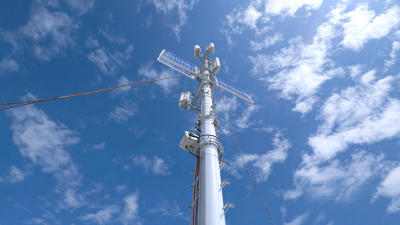
In recent years, advancements in ground-based fire detection sensors have significantly enhanced the ability to monitor forests for fire risks. These sensors utilize cutting-edge technologies, including infrared detection, thermal imaging, and environmental data analysis, to identify changes in temperature and smoke levels. By deploying a network of these sensors throughout forested areas, authorities can receive real-time alerts of potential fire outbreaks, allowing for quicker response times and more effective resource allocation.
Moreover, the integration of artificial intelligence and machine learning algorithms with ground-based sensors has further improved their precision. These systems can analyze vast amounts of data to distinguish between natural phenomena and genuine fire threats, minimizing false alarms that could divert critical resources. As climate change continues to exacerbate forest fire incidents worldwide, investing in such advanced detection methods becomes essential for protecting ecosystems and communities alike.
Machine Learning Techniques for Predicting Forest Fires
In recent years, machine learning techniques have emerged as front-runners in predicting forest fires, providing significant enhancements in efficiency and accuracy. According to a report by the Global Forest Watch, forest fires have increased by over 20% globally since 2018, highlighting the pressing need for advanced prediction systems. Machine learning algorithms leverage vast datasets, including satellite imagery and historical fire data, to identify patterns and risk factors, enabling authorities to initiate timely interventions. Recent studies indicate that these techniques can improve detection rates by up to 30% compared to traditional methods.
Tips for implementing machine learning in forest fire detection include focusing on high-quality data collection, which serves as the foundation for any predictive model. Utilize open-source satellite data, such as Landsat or Copernicus, to train models effectively. Collaboration with data scientists can enhance the model design, ensuring accuracy and reliability. Furthermore, incorporating real-time weather patterns and human activity data can refine predictions, making them more robust against the variables that influence fire outbreaks.
Moreover, integrating machine learning with Internet of Things (IoT) devices can revolutionize early detection systems. Sensors placed in high-risk areas can continuously monitor environmental conditions and alert systems to anomalies, such as sudden increases in temperature or humidity levels. Combining these technologies can lead to more proactive management of forest resources, potentially saving thousands of hectares from devastating fires and protecting wildlife habitats.
Top 10 Effective Methods for Forest Fire Detection in 2023
Community-Based Fire Detection Methods and Reporting Systems
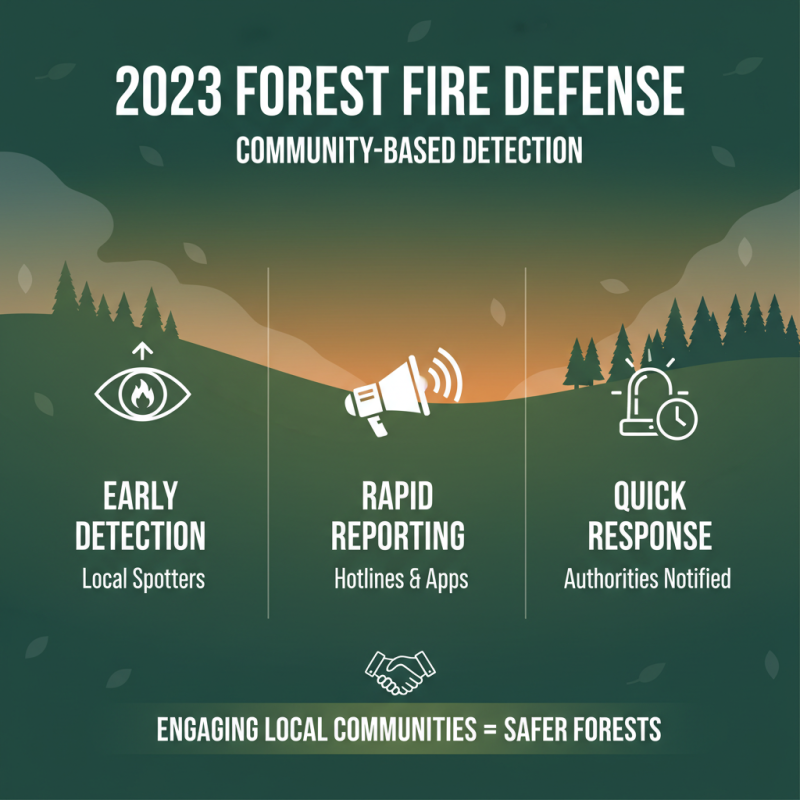
Community-based fire detection methods have gained prominence as an effective strategy to combat forest fires in 2023. Engaging local communities plays a crucial role in early detection and reporting of fire incidents. Community members are often the first to notice smoke or flames in their vicinity and can quickly relay this information to authorities. Establishing robust communication channels within communities, such as dedicated hotlines or mobile apps, ensures that reports of potential fires are shared promptly, facilitating rapid response efforts.
Tips for enhancing community-based fire detection systems include conducting regular fire safety training for residents. Educating neighbors about fire behavior will empower them to react appropriately when they observe signs of a fire. Moreover, organizing community fire watch teams can create a sense of shared responsibility and increase vigilance during high-risk seasons. Initiatives like these not only foster a proactive approach to detection but also strengthen community bonds and resilience against wildfires.
Creating partnerships with local organizations can further bolster reporting systems. Schools, nonprofit groups, and outdoor recreation clubs can serve as valuable resources for disseminating information about fire risks and prevention strategies. By promoting a culture of preparedness through community engagement, the chances of detecting and mitigating forest fires before they escalate are significantly improved.
Comparative Analysis of Traditional and Modern Fire Detection Approaches
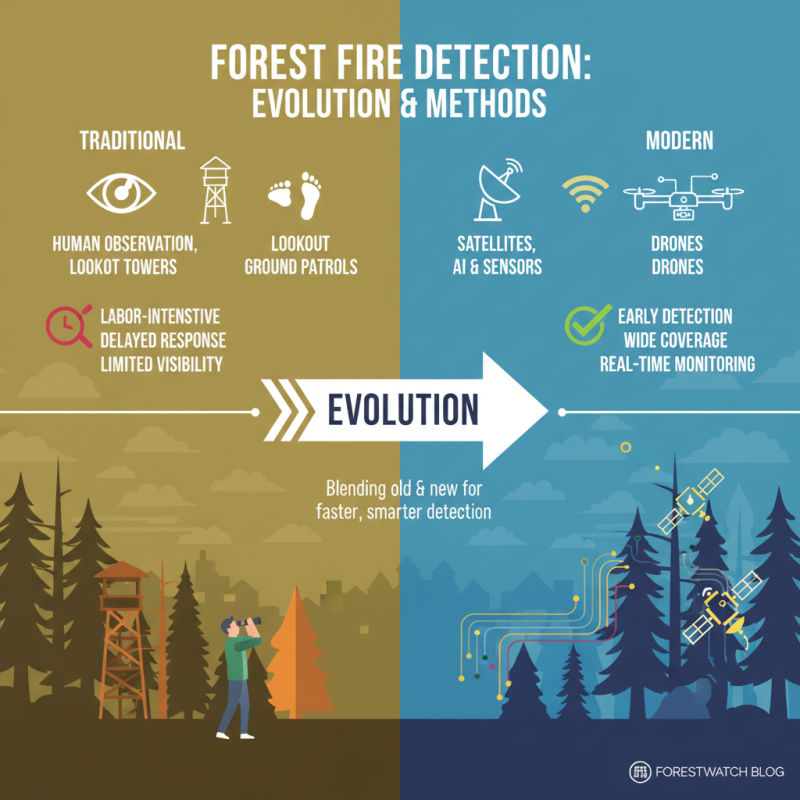
The detection of forest fires has evolved significantly, with a blend of traditional and modern technologies offering various advantages. Traditional methods of fire detection often rely on human observation, lookout towers, and ground patrols. These approaches can be effective, especially in remote areas, but they are labor-intensive and sometimes suffer from delayed response times. While trained personnel can identify smoke and fire, their effectiveness is limited by visibility conditions and human error, resulting in potential gaps in timely detection.
In contrast, modern fire detection methods leverage advancements in technology for greater efficiency and accuracy. Remote sensing technologies, including satellite imagery and drones equipped with thermal imaging, provide extensive coverage and the ability to detect fires even under challenging conditions. Additionally, automated data analysis systems can process real-time data to identify anomalies indicative of fire onset, significantly reducing response times. Integrating machine learning algorithms further enhances these capabilities, allowing for predictive analytics that can foresee potential fire risks based on environmental data. This comparative analysis highlights the complementary nature of these approaches, as modern methods can augment traditional ones, creating a more robust framework for forest fire detection in 2023.
FAQS
: The key technologies include drone surveillance with high-resolution thermal imaging, artificial intelligence for satellite imagery analysis, and IoT sensors that monitor environmental conditions.
Drones can cover large areas quickly and provide real-time data, facilitating timely interventions before fires escalate.
AI improves fire detection accuracy by analyzing satellite imagery and processing vast amounts of data, which helps predict potential fire hotspots.
IoT sensors detect changes in temperature and humidity, sending real-time alerts to firefighting teams, which can significantly reduce response times.
Ground-based sensors now use infrared detection, thermal imaging, and data analysis to provide real-time alerts and improve resource allocation.
Modern methods offer greater efficiency and accuracy through technology like remote sensing and automated data analysis, whereas traditional methods are often labor-intensive and slower.
Machine learning algorithms enhance the precision of detection systems by analyzing data to differentiate between natural phenomena and actual fire threats, thus reducing false alarms.
Climate change exacerbates forest fire incidents, making advanced detection methods essential for protecting ecosystems and communities.
Investing in these technologies is crucial to timely fire detection and response, which can save lives and protect natural resources from the increasing threat of forest fires.
New technologies can reduce response times by up to 30%, allowing for more effective firefighting efforts and resource management.
Conclusion
In 2023, the landscape of Forest Fire Detection has been significantly enhanced by emerging technologies that improve early detection and response strategies. Key methods include the utilization of satellite imagery, which allows for the monitoring of large areas in real-time, enabling quicker identification of fire outbreaks. Drones play a pivotal role in providing aerial surveillance and data collection, while advancements in ground-based detection sensors offer localized monitoring capabilities.
Additionally, machine learning techniques are becoming increasingly important in predicting potential fires by analyzing environmental data. Community-based fire detection methods are also gaining traction, empowering local populations to report incidents swiftly. A comparative analysis of traditional versus modern approaches highlights the critical advancements in technology that are reshaping how forest fires are detected and managed, ultimately aiming to reduce the impact of wildfires on ecosystems and communities alike.