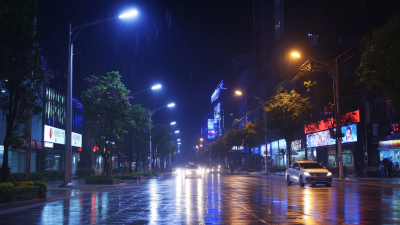
In city environments, smart lighting really makes a difference when it comes to safety and getting around easily. As cities grow and change, having well-lit public spaces becomes more and more important. Good Public Lighting doesn’t just brighten up streets and parks—it helps people feel safer, whether they’re locals or just visiting. Plus, it helps keep crime at bay, cuts down on accidents, and even encourages people to hang out and socialize after dark. All this makes city life more lively and inviting.
Figuring out the right lighting isn’t just a matter of flipping a switch. You’ve gotta think about things like the kind of technology used, how the light looks, and whether it’s eco-friendly. It’s all about finding that sweet spot between function and style so that each space feels just right. Things are even getting more interesting with new smart lighting systems, which give cities more control and make everything more efficient. This opens up cool new possibilities for city planners and local authorities to create safer, more welcoming neighborhoods.
At the end of the day, good public lighting isn’t just about being able to see—it’s a key part of designing cities that put safety and community first. When city officials and stakeholders understand what makes lighting effective, they can make smarter choices that benefit everyone and help build a safer, more vibrant urban future.
Understanding the Importance of Public Lighting in Urban Safety
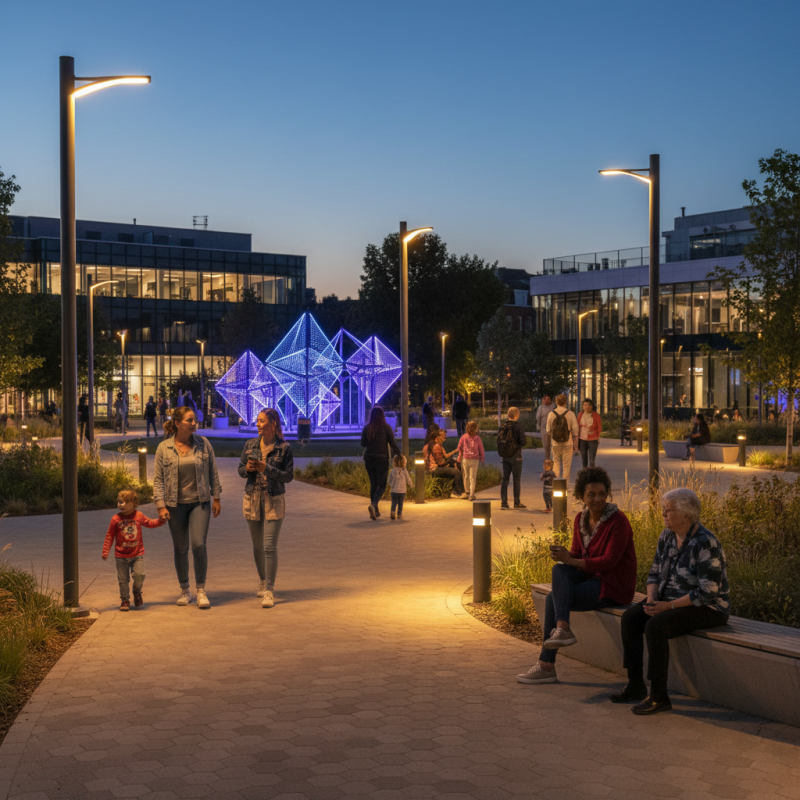
Public lighting plays a crucial role in urban safety, significantly affecting the perception of safety amongst community members. According to the International Crime Prevention Association, well-lit areas can reduce crime rates by up to 30%, promoting a sense of security and encouraging outdoor activities after dark. This is particularly vital in neighborhoods that experience higher crime rates, as adequate public lighting can deter criminal behavior and enable easier surveillance for law enforcement. In cities, efficient lighting systems not only enhance safety but also improve the overall aesthetic appeal, contributing to community pride.
Tips for implementing effective public lighting include ensuring uniformity in illumination, as uneven lighting can create dark spots that allow for criminal activity. Additionally, utilizing energy-efficient LED lights can reduce energy costs while providing brighter and more focused illumination. Urban planners should prioritize lighting at key hotspots such as parks, transit stations, and arterial roads, where foot traffic is high, ensuring adequate visibility for both pedestrians and vehicles.
Furthermore, community involvement in the design and placement of lighting can lead to more responsive solutions that meet the specific needs of residents. Engaging with local communities helps identify areas that may lack sufficient lighting and fosters a sense of ownership among residents, ultimately leading to an environment where citizens feel safer and more connected to their neighborhoods. Urban areas with effective lighting are more inviting and foster a vibrant atmosphere, encouraging social interactions and community engagement.
Key Factors to Consider When Choosing Public Lighting Fixtures
When selecting public lighting fixtures for urban spaces, several key factors should be taken into account to enhance safety and improve the overall ambiance. One significant aspect is the luminaire's brightness, measured in lumens. According to a report by the Illuminating Engineering Society, adequate illumination levels can not only deter criminal activity but also reduce the likelihood of accidents. For pedestrian areas, a minimum of 10-20 lumens per square foot is recommended to ensure clarity and visibility at night.
Another crucial consideration is the color temperature of the lighting. Research by the International Dark-Sky Association suggests that warmer color temperatures (around 3000 Kelvin) not only improve the appearance of public areas but also promote a sense of safety and comfort among users, particularly in residential neighborhoods. Additionally, selecting fixtures that utilize LED technology can lead to significant energy savings and longer lifespan, making them a cost-effective choice for cities. Studies indicate that cities can save up to 50%in energy costs by switching to Led Lighting, which is also less harsh on the environment.
Lastly, the placement of lighting fixtures plays a vital role in their effectiveness. Proper spacing and strategic positioning can eliminate dark spots, which are known to be hotspots for crime and accidents. The National Institute of Justice reports that well-lit areas can experience a reduction in crime rates by up to 20%. Therefore, comprehensive planning that integrates these factors is essential for creating safer urban spaces through effective public lighting.
Types of Lighting Technologies and Their Benefits
When selecting effective public lighting for urban spaces, it is essential to consider various lighting technologies that can enhance safety and visibility. One prominent option is LED lighting, which offers numerous benefits due to its energy efficiency and long lifespan. LEDs provide bright, uniform illumination while consuming significantly less power than traditional lighting sources, leading to reduced energy costs for municipalities. Furthermore, their longevity minimizes maintenance needs, allowing city budgets to allocate resources more effectively.
Another valuable lighting technology is solar-powered street lights, which harness Renewable Energy to illuminate public areas without relying on the grid. This not only reduces electricity expenses but also promotessustainability. Solar lights are often equipped with motion sensors, enabling them to brighten in response to activity, thus enhancing safety for pedestrians and cyclists during nighttime. Additionally, smart lighting systems, which utilize sensors and IoT technology, can adjust brightness levels based on real-time conditions, further improving energy efficiency and contributing to safer urban environments. These innovative solutions pave the way for well-lit, secure cities that foster community engagement and reduce crime rates.
Evaluating the Impact of Lighting on Crime and Safety Perception
When assessing the impact of lighting on crime and safety perception in urban areas, it is crucial to understand the correlation between well-lit environments and reduced criminal activities. Studies suggest that enhanced public lighting can lead to a significant decrease in crime rates, particularly in high-traffic areas and neighborhoods known for their past safety issues. Illuminated streets not only deter potential offenders but also create a sense of accountability, as the visibility allows for increased monitoring by both law enforcement and the community.
Moreover, effective public lighting plays a vital role in shaping the perception of safety among residents and visitors. Bright, evenly distributed lighting can transform areas that may feel intimidating when dark into welcoming spaces. This shift in perception encourages more foot traffic and social interaction, which can further enhance community engagement. Additionally, it can foster a sense of ownership and pride among residents, leading to proactive measures in maintaining their surroundings, thus creating a positive feedback loop that bolsters overall safety in urban environments.
Best Practices for Designing a Public Lighting Plan
When designing a public lighting plan, several best practices should be considered to enhance safety and usability in urban spaces. First, a thorough analysis of the area is crucial. This includes assessing foot traffic patterns, identifying high-risk zones, and understanding community needs. Lighting should be strategically placed in areas where people gather, such as parks, bus stops, and pathways. Ensuring that lighting levels are consistent can eliminate dark spots where criminal activity may occur, thereby promoting a sense of security among the public.
Moreover, the type of lighting used plays a significant role in the effectiveness of a public lighting plan. LED lights are often recommended due to their energy efficiency and long lifespan. They provide bright, uniform illumination that can reduce glare and enhance visibility. Additionally, it’s important to incorporate smart lighting technology that can adjust brightness based on real-time conditions or foot traffic. This not only saves energy but also fosters a more dynamic urban environment.
Finally, community engagement is essential, as receiving feedback from residents can lead to a more tailored approach, ensuring that the lighting meets the actual needs and concerns of the public.
Involving the Community in Public Lighting Decisions
Involving the community in public lighting decisions is essential for creating safer urban spaces that genuinely reflect the needs and preferences of residents. Studies indicate that when communities participate in the planning and implementation of public lighting projects, there is a significant increase in perceived safety. According to the International Council of Local Environmental Initiatives, areas with community-involved lighting efforts report up to a 30% decrease in crime rates, illustrating the powerful impact of well-designed lighting solutions tailored to local contexts.
Moreover, engaging residents fosters a sense of ownership and responsibility toward their environment. A report by the Urban Institute highlights that participatory design processes lead to greater satisfaction among residents and encourages them to take active roles in maintaining their public spaces. Furthermore, when community members share their insights on lighting, it allows for diverse perspectives to be considered, helping to address specific social concerns, such as the needs of vulnerable populations. By prioritizing community involvement, cities can implement public lighting that not only enhances safety but also promotes social cohesion and well-being in urban environments.
Public Lighting Preferences for Safer Urban Spaces
This chart illustrates the preferences of community members regarding different types of public lighting in urban areas. It reflects their priorities in ensuring safety and visibility, contributing to a more secure urban environment.
Maintenance and Sustainability for Long-Lasting Public Lighting Solutions
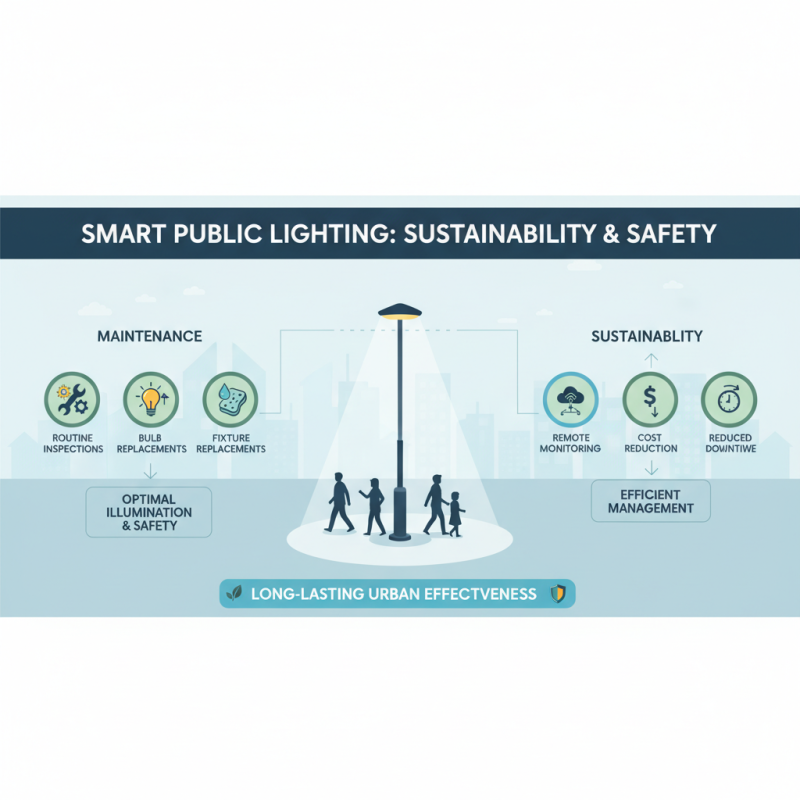
Maintenance and sustainability are crucial considerations in the selection of public lighting solutions that not only enhance safety in urban spaces but also ensure long-lasting effectiveness. Regular maintenance of lighting fixtures is essential to prevent outages and to maintain optimal illumination levels, which directly contribute to the perception of safety among citizens. This includes routine inspections, bulb replacements, and cleaning of lights to mitigate the effects of weather and environmental factors. In addition, adopting smart technologies can aid in managing lighting effectively, allowing for remote monitoring and immediate response to issues, thereby reducing maintenance costs and downtime.
Sustainability in public lighting goes beyond the initial installation. Utilizing energy-efficient lighting technologies, such as LED fixtures, can significantly reduce energy consumption and carbon footprints. Moreover, integrating renewable energy sources, like solar, into public lighting projects promotes environmental responsibility while decreasing operational costs over time. When planning for sustainable public lighting, local governments and urban planners should consider holistic approaches, such as the use of durable materials that withstand the elements, the implementation of smart control systems that adapt to real-time conditions, and community engagement in the design process to ensure that the solutions meet user needs while promoting a sustainable urban environment.
Innovative Solar Flood Light: A Smart and Eco-Friendly Solution for Illuminating Outdoor Spaces
The Innovative Solar Flood Light serves as a beacon for those seeking eco-friendly outdoor illumination solutions. As urban areas expand and the demand for sustainable practices grows, solar-powered lighting has emerged as a viable alternative to traditional electric lighting. According to a recent report by the International Energy Agency, the use of solar energy technologies is expected to double by 2025, underscoring the transition towards renewable energy sources. Solar flood lights harness this potential, providing a powerful, high-lumen output while minimizing the negative environmental impacts associated with conventional lighting.
One of the primary advantages of solar flood lights is their ability to operate independently of the electrical grid, reducing reliance on fossil fuels. They utilize photovoltaic panels to convert sunlight into energy, effectively saving on electricity costs and eliminating the need for extensive cabling. A study from the National Renewable Energy Laboratory indicates that outdoor solar lighting can reduce energy consumption by up to 60%, making them a financially and environmentally sound choice for both residential and commercial properties. With advancements in LED technology, these solar lights offer impressive brightness, ensuring that outdoor spaces remain well-lit and safe during the night.
In addition to their cost-saving benefits, solar flood lights contribute significantly to reducing carbon footprints. By utilizing clean energy from the sun, these lights can prevent the emission of over 1,000 tons of carbon dioxide per year for an average neighborhood, as noted in the Solar Energy Industries Association's report. This eco-friendly solution not only enhances outdoor aesthetics and functionality but also fosters a greater awareness of sustainable energy practices in communities. As more consumers and businesses recognize the value of integrating solar technology into their lighting solutions, the adoption of innovative solar flood lights will continue to rise, paving the way for greener outdoor environments.
FAQS
: Key factors include the brightness level measured in lumens, color temperature, energy efficiency, and proper placement of the fixtures.
Adequate illumination can deter criminal activity and reduce the likelihood of accidents, with a minimum of 10-20 lumens per square foot recommended for pedestrian areas.
Warmer color temperatures around 3000 Kelvin are suggested as they improve the appearance of public areas and promote a sense of safety and comfort.
LED lights are energy-efficient, have a long lifespan, provide uniform illumination, and can lead to significant energy cost savings for municipalities.
Solar-powered street lights utilize renewable energy, reducing electricity expenses, and can include motion sensors to enhance safety by adjusting brightness based on activity.
Strategic positioning and proper spacing of fixtures can eliminate dark spots, reducing crime rates and enhancing visibility for pedestrians.
Smart lighting systems use sensors and IoT technology to adjust brightness based on real-time conditions, improving energy efficiency and contributing to safer urban environments.
Studies indicate that cities can save up to 50% in energy costs by adopting LED lighting.
Well-lit areas can experience a reduction in crime rates by up to 20%, according to reports from the National Institute of Justice.
Comprehensive planning integrates various factors to create safer urban spaces through effective public lighting, ultimately enhancing community safety and visibility.
Conclusion
Public lighting plays a crucial role in enhancing safety in urban environments by improving visibility and encouraging social engagement. Key factors to consider when selecting public lighting fixtures include their efficiency, intensity, and the specific needs of the area. Different lighting technologies, from LED to solar-powered solutions, offer various benefits, such as energy savings and reduced maintenance costs.
Understanding the relationship between public lighting and crime perception is essential for urban planners. Effective lighting design can deter criminal activities and make public spaces feel safer. Best practices involve creating a comprehensive public lighting plan that considers community input and ongoing maintenance strategies to ensure longevity and sustainability. By involving local residents in the decision-making process, cities can create more inviting and secure environments for all.