Have you checked out Smart Parking? These solutions are really changing the way we navigate busy cities. I recently read what Dr. Emily Johnson from CityTech Innovations said—she mentioned, "Smart Parking isn't just about finding a spot anymore; it’s about rethinking how our cities are designed." That really hits the nail on the head, doesn’t it? It’s all about making parking smoother and smarter.
Cities are getting more crowded, and honestly, the old-school parking options just don’t cut it anymore. Drivers often end up circling around, wasting time and getting pretty frustrated. Luckily, smart parking systems use tech to help out—they show real-time info on free spaces and help make sure those spots are used efficiently. But, of course, there are still hurdles to jump. Cities need to figure out how to weave these new tech solutions into what’s already in place.
And, let’s be honest, getting people on board is super important. A lot of drivers still don’t really know how much smarter parking could make their lives. Educating folks is key—once people understand, I believe they'll warm up to the idea pretty quickly. So yeah, it's clear that this whole smart parking thing is a work in progress. It’s gonna take teamwork between city planners, tech companies, and, you know, the everyday drivers like us to make it happen.
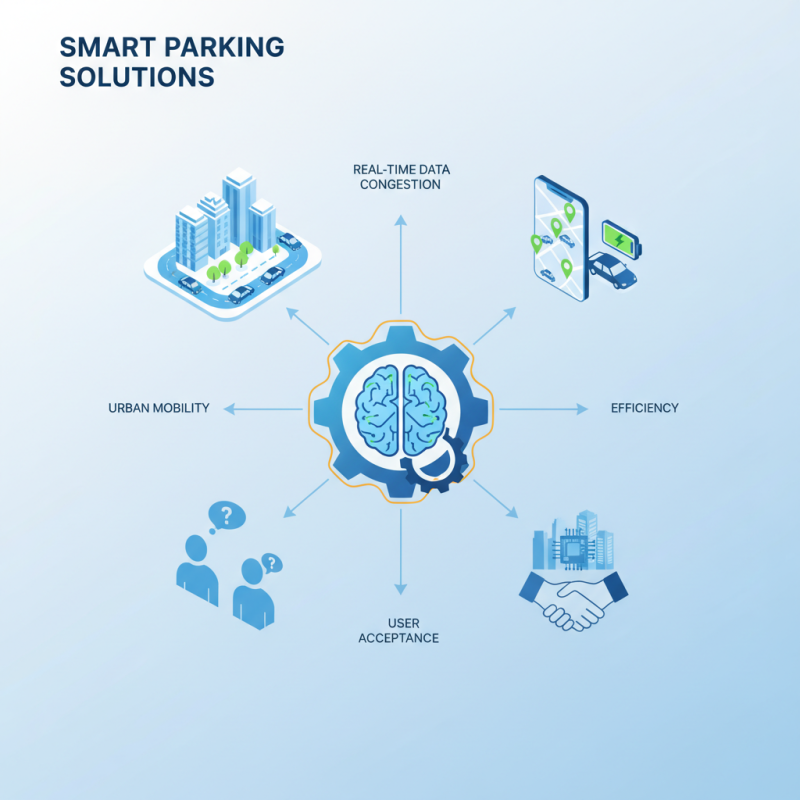
Understanding Smart Parking Solutions and Their Benefits
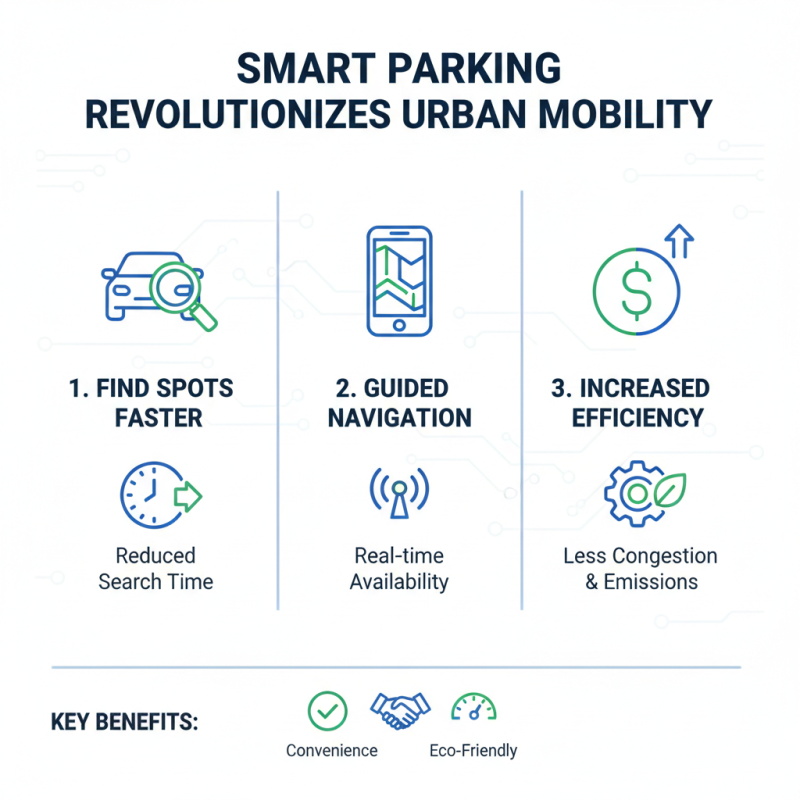
Smart parking solutions have revolutionized urban mobility. They employ technology to streamline the parking process. This can significantly reduce the time drivers spend searching for available spots. Imagine a busy city center where every minute counts. Here, smart parking solutions can enhance efficiency and convenience.
Among the benefits are reduced congestion and lower emissions. When cars find parking easily, traffic decreases. This leads to less pollution in urban areas. However, not everyone adapts to these technologies smoothly. Some may struggle with app navigation or fail to utilize available features. Awareness and education are critical in these cases.
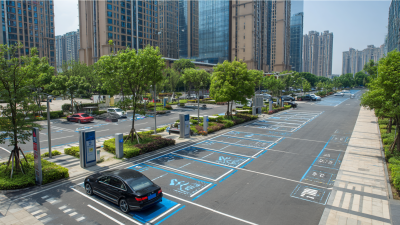
Smart Solar Parking is an innovative approach that integrates sustainability. These solutions harness solar energy, providing power to charging stations. They also make parking more adaptable to the growing demand for electric vehicles. While this technology shows promise, it requires ongoing effort to optimize resources and manage costs effectively. This can provoke discussions on the balance between convenience and environmental impact.
Key Features of Effective Smart Parking Systems
Effective smart parking systems incorporate several key features. These features enhance user experience and streamline the parking process. A user-friendly mobile app is essential. It should allow users to find available spots quickly. Real-time updates on space availability are crucial. They save time and reduce frustration.
Another vital feature is payment integration. Users prefer a seamless, cashless payment method. This convenience encourages system adoption. Additionally, clear signage and directions within parking facilities improve navigation. Users should easily locate entrances and available spaces.
Tips for effective smart parking use include regularly updating the parking app. This ensures you have the latest features and information. Additionally, consider peak times for parking. Arriving early can make a significant difference. Lastly, provide feedback to system operators. Your insights can help improve the parking experience for everyone.
How to Choose the Right Smart Parking Solution for Your Needs
Choosing the right smart parking solution can feel overwhelming. There are many options available, each with unique features. Recent studies show that smart parking technology can reduce search time for parking by 30%. This is crucial in busy urban areas where congestion is common.
Consider the size of your parking area. A smaller lot may require a simpler solution. Cloud-based systems can provide real-time data. This data helps optimize parking efficiency. It's essential to ensure the system integrates well with existing infrastructure.
User experience is vital too. Solutions that offer mobile apps may enhance user satisfaction. However, not all apps are intuitive. Some users may find navigation challenging. It's worth testing various options to see what works best.
Finally, budget constraints can limit choices. Prioritize features that will provide the best return on investment.
Integrating Smart Parking Technologies with Existing Infrastructure
Integrating smart parking technologies into existing infrastructure can enhance urban mobility. Traditional parking systems often struggle with efficiency. By implementing smart technologies, cities can optimize space usage and reduce congestion. The key lies in understanding current infrastructure limitations.
Challenges arise during integration. Legacy systems may not support new technologies. Some cities lack the necessary data to make informed decisions. For example, outdated sensors can lead to inaccurate parking availability. Regular audits and updates are crucial. It's not just about adding technology; it’s about ensuring it works well with what’s already there.
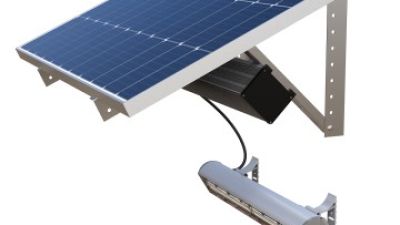
One innovative approach is Solar Smart Parking. This technology utilizes Solar Panels to power parking systems. It reduces energy costs and environmental impact. However, cities must ensure solar installations do not disrupt existing layouts. Making adjustments for rooftops and shading is essential. A successful integration will require communication among stakeholders. Collaboration can lead to more effective use of shared spaces.
Smart Parking Solutions Utilization by City Areas
This bar chart represents the utilization rate of smart parking solutions across different city areas. The data indicates that downtown areas are the most efficient in utilizing smart parking technologies, whereas residential areas have the lowest utilization. Understanding these metrics can help city planners make informed decisions on integrating smart parking technologies with existing infrastructures.
Best Practices for Implementing Smart Parking Solutions
Smart parking solutions are reshaping urban mobility. Effective implementation is crucial for maximizing their benefits. According to a recent industry report, cities can save up to 20% of their parking space through smart technologies. This efficiency leads to smoother traffic flow and reduced emissions.
One best practice is to utilize real-time data. Sensors and mobile apps can provide drivers with live updates on available spots. This reduces the time spent searching for parking. A study indicated that drivers spend an average of 8-10 minutes looking for parking. That's unnecessary time lost. Additionally, integrating payment systems with parking spot availability can streamline the experience.
Communication is another vital aspect. Stakeholders, including city planners and technology providers, need to collaborate effectively. Without clear dialogue, solutions may fall short of expectations. It's essential to gather feedback from users to improve the system continually. Transparency in data usage is also critical. Cities must ensure citizens understand how their data is handled. Building trust through these practices will enhance user adoption and satisfaction.
Enhancing User Experience with Smart Parking Apps
Smart parking apps play a crucial role in modern urban mobility. They enhance user experience by providing real-time information on available parking spots. A study indicates that parking apps can reduce search time for available spaces by nearly 43%. This translates to less traffic congestion and lower emissions. However, while these solutions seem efficient, not all applications meet users' expectations.
When using smart parking apps, consider these tips: Always check for software updates. New features can improve experience significantly. Be mindful of parking instructions. Misinterpretations can lead to unwanted fines. User reviews can be insightful. They often pointed out unforeseen issues, like app glitches or inaccurate data.
Integrating innovative technology, such as Drone Solar Parking, can enhance the parking experience further. These systems can diversify parking options and provide energy-efficient solutions. However, some users find navigating new technology challenging. A balanced approach is key. Stay informed about the latest industry developments, but don’t forget to provide feedback. Every user experience is an opportunity for improvement.
How to Use Smart Parking Solutions Effectively? - Enhancing User Experience with Smart Parking Apps
| Feature | Benefit | User Action | Feedback Mode |
| Real-time Availability | Saves time by showing available spots | Check app for nearest free spot | Submit ratings on accuracy |
| Navigation Assistance | Guides users to the selected spot | Follow GPS directions | Leave suggestions for route improvement |
| Payment Integration | Streamlines payment process | Pay through the app | Report issues in transaction |
| Reservation Options | Guarantees a spot in advance | Reserve a parking space | Provide feedback on reservation accuracy |
| User Reviews and Ratings | Builds trust through shared experiences | Read and write reviews | Rate the service |
Monitoring and Analyzing Data for Continuous Improvement
Monitoring and analyzing data is crucial for effective smart parking solutions. Data collection allows facility managers to understand parking patterns. By using sensors, parking occupancy data can be gathered in real-time. This information helps in identifying peak usage hours and underutilized areas. For example, a poorly monitored Solar Parking Lot may have spaces that go unused during the day. Regular analysis can reveal these insights.
Moreover, continuous improvement hinges on adjusting strategies based on data. If a certain area sees high demand, expanding that section might be useful. Conversely, reducing space in lower-demand areas can free up resources. It’s essential to review the data regularly. Some strategies may not yield the desired results. Reflecting on past decisions helps in refining future actions.
Visualizing data can also aid in understanding trends better. Creating heat maps can illustrate usage patterns clearly. This approach helps teams quickly spot problem areas. Yet, it’s easy to overlook nuances. Relying solely on technology may lead to missed insights. Human analysis should complement data review for optimal results.
Innovative Solar Flood Lights: Sustainable Smart Lighting Solutions for Outdoor Spaces
Innovative Solar Flood Lights are transforming outdoor spaces with their sustainable and smart lighting solutions. Powered entirely by renewable solar energy, these lights are designed to deliver high brightness while minimizing environmental impact. This innovative approach not only illuminates gardens, patios, and walkways but also significantly reduces the reliance on traditional electricity sources, leading to lower electric bills and a decreased carbon footprint.
The adoption of solar flood lights also removes the need for complex wiring and cabling, simplifying the installation process and eliminating additional costs associated with conventional outdoor lighting systems. These lights often come equipped with intelligent features such as motion sensors and timers, allowing for enhanced efficiency and convenience. By adjusting the luminosity based on external conditions or activating only when motion is detected, these smart lights ensure that energy is used judiciously.
Incorporating solar flood lights into your outdoor areas not only enhances safety and visibility but also reflects a commitment to sustainable living. As more people seek eco-friendly alternatives, solar flood lights stand out as a perfect solution that combines functionality, aesthetics, and environmental responsibility, proving that innovation and sustainability can go hand in hand in modern outdoor design.
FAQS
: The article aims to inform readers about key topics. It provides insights and encourages reflection.
The content targets individuals interested in specific subjects. It’s suitable for both beginners and advanced readers.
Readers should consider real-life applications. Think about how the insights fit into your own experiences.
Yes, the article highlights several obstacles. These may cause frustration and require careful thought to overcome.
Absolutely, critical thinking is crucial. The article encourages readers to question assumptions and deepen their understanding.
The article includes practical examples. These details help clarify complex concepts and make the information relatable.
The writing aims to present balanced views. Multiple perspectives are acknowledged, promoting well-rounded discussions.
Definitely, many sections are motivational. They encourage readers to pursue their goals and dream bigger.
Yes, some concepts could be explained better. Readers are invited to think critically about gaps in information.
Revisiting the content regularly can be beneficial. It allows for deeper reflection and better retention of ideas.
Conclusion
Smart Parking solutions have revolutionized the way we manage parking spaces, offering numerous benefits such as reduced congestion, improved space utilization, and enhanced user convenience. To effectively use these solutions, it’s crucial to understand their key features, such as real-time availability tracking and user-friendly interfaces. When selecting a Smart Parking system, consider your specific needs, ensuring compatibility with existing infrastructure.
Additionally, implementing best practices is essential for maximizing the benefits of Smart Parking. Integrating advanced technologies and utilizing Smart Parking apps can significantly enhance the user experience, making it easier for drivers to find and reserve parking spots. Finally, continuous monitoring and data analysis can drive improvements, making Smart Parking an essential component of modern urban infrastructure.