Looking ahead to 2025, it’s pretty clear that the world of solar energy solutions is changing quickly—especially when it comes to Solar Street Lights. These lights are really transforming urban spaces—they not only make cities look better, but they also push us toward more sustainable and energy-efficient options. At SUNFREE Lighting Technology Co., Ltd., we're proud to be part of this exciting shift. Thanks to our strong R&D team, we’re always working on the latest and greatest in solar Street Lighting. Our focus on innovation has helped us stand out in the global market. In this blog, I’ll take you through some of the coolest trends expected to shape the future of solar street lights. We’ll also do a quick competitive analysis, highlighting key technical specs and giving you some practical tips on how to roll out these solutions effectively. Whether you’re a city planner, an architect, or just someone really into sustainable tech, I hope this overview gives you a good sense of what’s coming next and how you can stay ahead of the game.
Top Innovations Shaping Solar Street Lights in 2025
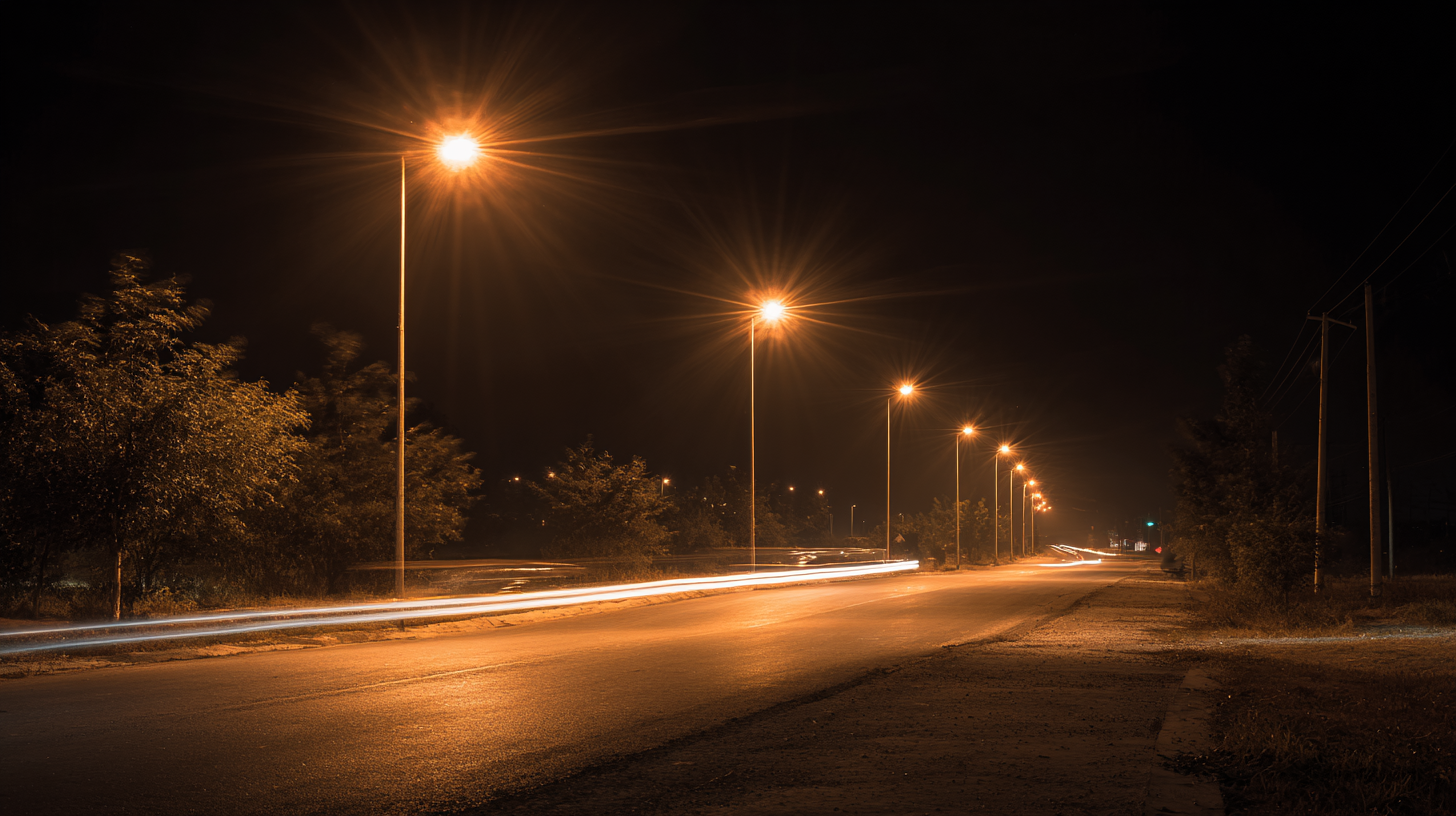
As we head into 2025, it’s pretty exciting to see how the solar street light industry is really changing the game when it comes to urban lighting. I mean, according to a recent report from Allied Market Research, the global market for these solar-powered street lights is expected to hit about $9.89 billion by the time 2025 rolls around — and it’s growing at an impressive rate of around 16.6%each year since 2018. This speed of growth is largely thanks to better solar tech and a lot more people realizing just how beneficial Renewable Energy can be.
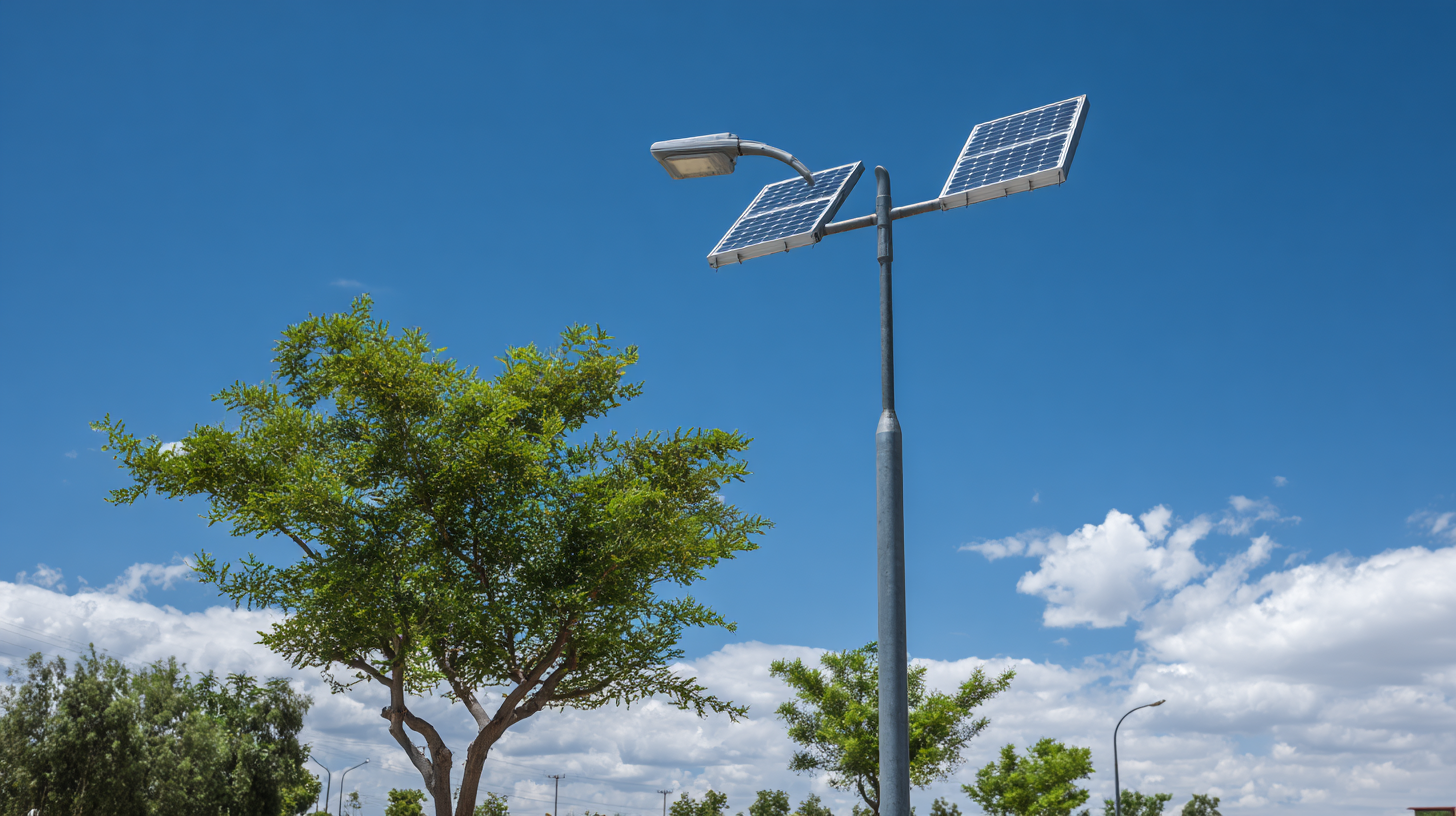
One of the coolest updates? The integration of smart tech into these solar lights. Think motion sensors, remote management, and even connections with smart city infrastructure — these features are becoming pretty standard now. A study from Transparency Market Research predicts that smart solar street lights will actually account for over 70% of installations by 2025. They’re not just fancy gadgets; they actually make things more efficient by saving energy, and they also boost safety and help the environment.
And let’s not forget about batteries — major upgrades in lithium-ion and lithium iron phosphate batteries are a game-changer here. They pack more energy, last longer, and keep the lights shining all night. According to MarketsandMarkets, these improvements could slash energy costs by as much as 30% in the next few years, which is definitely pushing more cities to jump on board with solar street lighting everywhere.
Key Features to Consider When Choosing Solar Street Lights
When you're looking at solar street lights, it's really important to pay attention to some key features that can make a big difference in how well they work and how easy they are to use. One of the first things you should check out is how bright the LED lights are. The best solar street lights will give enough illumination to meet your local safety standards, making sure pedestrians and drivers are safe. Also, it’s a bonus if the lights have things like adjustable brightness or motion sensors—these help save energy when you're not needing full brightness all the time.
Another main thing to think about is the battery’s capacity and how long it lasts. Good quality solar street lights should have batteries that keep the lights running through the night, even if the weather is not so great, like on cloudy days. Look for systems that use modern battery tech, like lithium-ion batteries—they tend to last longer and charge faster.
And don’t forget about the materials! You’ll want the lights to be made from sturdy stuff like aluminum and tempered glass, which can handle rough weather and last a long time. It’s also a good idea to choose options with corrosion-resistant coatings—those little details really help extend the life of your lighting fixtures.
**Pro tip:** Always take some time to read customer reviews and performance reports before making your final call. And, check out the warranty options too—those often give you a good idea of how confident the manufacturers are about their product’s durability.
Emerging Trends in 2025 for Best Solar Street Light with Competitive Analysis - Key Features to Consider When Choosing Solar Street Lights
| Feature | Trend 2025 | Importance Rating (1-10) | Notes |
| Energy Efficiency | Higher lumens per watt | 9 | More efficient energy use leads to longer-lasting lights. |
| Smart Technology | Integration with IoT | 8 | Remote monitoring and control features. |
| Battery Quality | Lithium-ion advancements | 10 | Enhanced performance and longer lifespan. |
| Design Flexibility | Modular designs | 7 | Customizable for different environments. |
| Sustainability | Recyclable materials | 8 | Focus on environmentally friendly options. |
| Light Quality | Adjustable color temperatures | 6 | Enhanced visibility and comfort for users. |
Competitive Analysis: Leading Brands in Solar Street Lighting
The solar street lighting scene is changing pretty quickly these days, with brands trying to stand out more and more as the market keeps growing. Come 2025, folks are really gonna be focusing on innovative tech and eco-friendly solutions that fit right into city infrastructure. You’ll see some of the top brands packing their products with cool new features—things like smart connectivity and smarter energy management. A lot of them are pouring money into R&D too, trying to improve how these lights store energy and cut down on pollution, making them not just practical but also better for the environment.
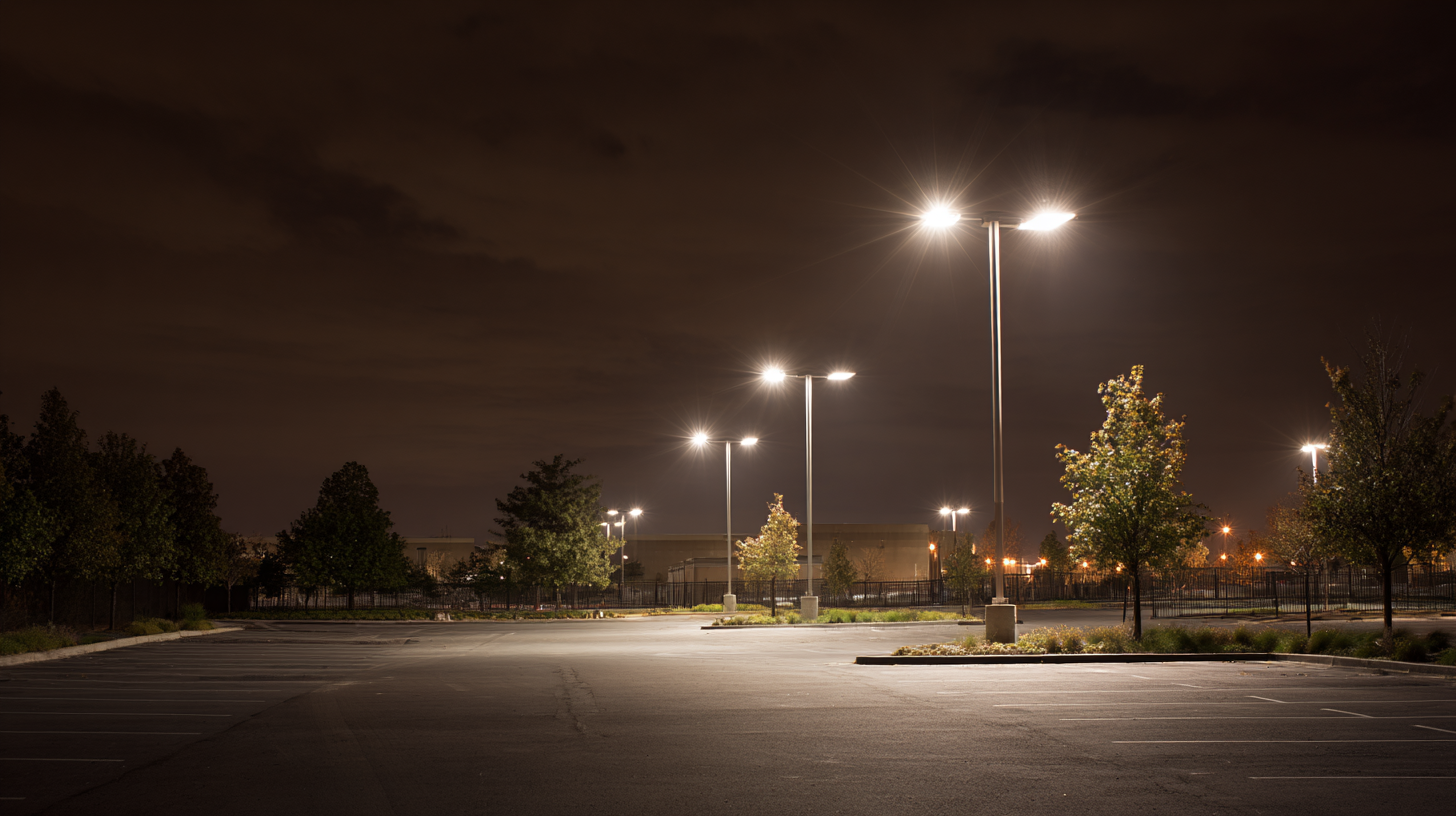
And the demand for solar street lights is definitely on the rise. The global market’s predicted to hit around USD 2.38 billion in 2025, so there’s some pretty big opportunities there. As cities look for greener, more sustainable lighting options, the brands that focus on quality, durability, and how well their products can adapt to different environments are likely to stay ahead of the game. Plus, those that are weaving smart tech—things like traffic management and environmental monitoring—into their designs will probably be the ones leading the pack. Overall, it’s an exciting time for solar street lighting, especially as urban areas get more interested in sustainable and high-tech solutions for their streets and public spaces.
Sustainability Trends Driving Solar Street Light Development
So, it looks like the push for sustainability worldwide is really about to shake up the solar street light industry by 2025. More and more, cities are focusing on renewable energy solutions, and solar street lights are becoming a pretty big deal in building those smart city plans. I came across a report from MarketsandMarkets that said the market for solar street lighting is expected to jump from around $4.2 billion in 2020 to over $10 billion by 2025—that's a solid compound annual growth rate of about 19%. Honestly, a lot of this growth is because urban areas are basically trying to get greener—cutting down their carbon footprints and making energy use more efficient.
And it doesn’t stop there. With new tech like IoT and smart sensors, these solar lights are getting smarter and more efficient, which is a big win for sustainability. One recent study I read mentioned that adding smart features can save between 30 to 50% of energy compared to the old-school streetlights. With governments around the world pushing policies that favor renewable energy sources, solar street lights with all these smart capabilities are not just eco-friendly options anymore—they’re becoming pretty much essential for safer cities and lower costs to run. So, honestly, sustainability isn’t just a passing trend; it’s really shaping how street lighting is going to look in the future, everywhere around the globe.
Consumer Preferences: What Users Expect from Solar Street Lighting
Looking ahead to 2025, it’s pretty clear that what people want from solar street lighting is changing. Folks are on the lookout for smarter features and better performance now more than ever. They don’t just want lights that work reliably; they want them to be connected devices that can be easily controlled from their phones, making life way more convenient. This whole push towards high-tech options really reflects a bigger trend — people caring more about quality, being eco-friendly, and having things that just work smoothly without fuss.
Plus, as the market for lighting tech keeps booming, there's a real shift toward personalized solutions. You might’ve heard about the idea of 'personas for lighting,' which basically means understanding how different users behave so companies can make products that fit their needs perfectly. This isn’t just about making customers happy — it also helps companies stand out in a crowded market. SUNFREE Lighting Technology Co., Ltd. is right there at the forefront, always pushing to develop smart, energy-efficient solar products that are easy to use. By paying close attention to what consumers want and adding in cool smart features, they’re really setting new standards for sustainable urban lighting that’s as practical as it is innovative.
Cost-Benefit Analysis: Investing in Solar Street Lights for Communities
Investing in solar street lights can actually be a game-changer for communities looking for a sustainable way to boost safety and cut down on energy costs. I mean, yes, the upfront costs might be a bit higher than your usual streetlights, but when you think about the long-term savings on electricity bills and maintenance, it totally makes sense. Plus, these lights are awesome for the environment — they cut down carbon footprints and make good use of renewable energy.
A little tip: to get the most out of them, think about adding smart tech like motion sensors or super-efficient LED bulbs. That way, energy use is even more optimized — you’re basically killing two birds with one stone.
And there's more—brightly lit streets actually help people feel safer, which encourages folks to get outside and be active. That’s pretty good for the community’s overall vibe. When you're weighing your options, don’t forget to check how durable the lights are and what kind of warranty comes with them — you want something that'll last.
Another thing that helps: chatting with local stakeholders early on can really make a difference. It gets everyone involved, and people tend to feel more invested in the project, which is always a good thing.
FAQS
: The global solar street lights market is anticipated to reach $9.89 billion by 2025, expanding at a CAGR of 16.6% from 2018.
Key innovations include the integration of smart technology, such as motion sensors, remote monitoring, and smart city connectivity.
Smart solar street lights are expected to dominate the market, comprising over 70% of total installations by 2025.
Advancements in lithium-ion and lithium iron phosphate batteries provide higher energy density and longer life cycles, allowing solar street lights to operate efficiently around the clock.
Improvements in battery technology are projected to decrease overall energy costs by up to 30% within the next few years.
While the initial investment may be higher, long-term savings on electricity bills and maintenance significantly outweigh the costs.
Solar street lights help reduce carbon footprints and leverage renewable energy sources, benefiting the environment.
Solar street lights promote safety, encourage outdoor activities, and ultimately improve community well-being.
Communities should consider integrating smart technology and assessing product durability and warranty.
Engaging local stakeholders can enhance the adoption and effectiveness of solar street light projects, fostering a sense of ownership and community involvement.


