In our increasingly digital world, making our roads safer has become more important than ever. Did you know that around 1.35 million people lose their lives each year in traffic accidents? Yep, that’s what the World Health Organization reports. Companies like SUNFREE Lighting Technology Co., Ltd. are really stepping up with innovative tech solutions to tackle this issue. They’re pushing forward with smart, energy-efficient productslike Intelligent Lighting and real-time traffic monitoring systems—stuff that can actually make a big difference. As technology keepsevolving so fast, these kinds of smart systems can help reduce accidents and make driving conditions much safer for everyone.

Putting these cutting-edge solutions into practice means communities can create safer environments on the road, and hopefully, see fewer tragedies. In this post, I’ll share seven practical tipson how we can use digital tech to boost Road Safety — stuff that’s not only effective but also pretty exciting to think about.
Understanding the Importance of Road Safety in the Digital Age
In today’s digital world, the whole idea of road safety has taken on a new vibe. With tech getting more advanced, we’re faced with both cool opportunities and some tricky challenges. As our society shifts from old-school analog ways to digital solutions, there’s really an urgent need to make the most of these new tech tools to keep our roads safer. Things like data analysis and smart tech in traffic systems and cars themselves can actually help predict accidents before they happen and respond faster when issues come up.
Plus, using digital platforms and apps is a pretty awesome way to get drivers informed and engaged about safe driving habits. Think about interactive apps that raise awareness and motivate folks to drive more responsibly — they can really start building a culture of safety. And let's not forget how AI can analyze traffic patterns and provide insights that help lawmakers come up with smarter policies. All in all, as we navigate this digital age, embracing these innovations isn’t just a choice — it’s pretty much essential if we wanna create safer roads for everyone out there.
Road Safety Enhancement Through Digital Solutions
This chart illustrates the impact of various digital solutions on enhancing road safety. Each solution has been rated based on its effectiveness in improving road safety, with scores indicating their overall impact.
Leveraging GPS Technology for Enhanced Navigation and Traffic Management
In today’s fast-moving world of transportation, it’s pretty clear that using GPS tech isn’t just a convenience anymore — it’s become absolutely crucial for better navigation and managing traffic. When we talk about advanced GNSS (that’s Global Navigation Satellite System) solutions, they could really be game-changers in making our roads safer. For example, there’s talk that by 2035, quantum tech could add about £8 billion to the UK’s transport economy. That really highlights how important it is to invest in smarter navigation tools.
If you’re looking to boost road safety even more, here are a few tips: keeping traffic management systems updated with real-time info is a must — outdated data can lead to mistakes in navigation, and nobody wants that. Plus, satellite-based augmentation systems can pretty much sharpen positioning accuracy, which is huge for safer flying and ground travel alike. On top of that, tying automated navigation systems into local infrastructure could help cut down traffic jams and steer drivers away from confusing detours, especially in small towns that might not handle congestion well.
With all the cool new developments happening — like new satellite collaborations and explorations into navigation methods beyond just traditional GPS — it’s pretty clear that the future holds some serious potential to make roads safer for everyone. As we get more into these digital solutions, staying flexible and learning as we go will be key to making the most out of these innovations and keeping our roads safer at the same time.
Implementing Smart Traffic Signals to Improve Vehicle Flow and Safety
Smart traffic signals are really changing the game when it comes to making city streets safer and easing up traffic flow. I read in a report from the Federal Highway Administration that if cities adopt these adaptive systems, we could see traffic delays cut by about 25%. Not only that, but they make traffic move more smoothly because they’re constantly adjusting based on what's actually happening on the roads in real-time. It’s a pretty neat tech that helps cut down congestion and even lowers emissions — so it’s good for the environment too.
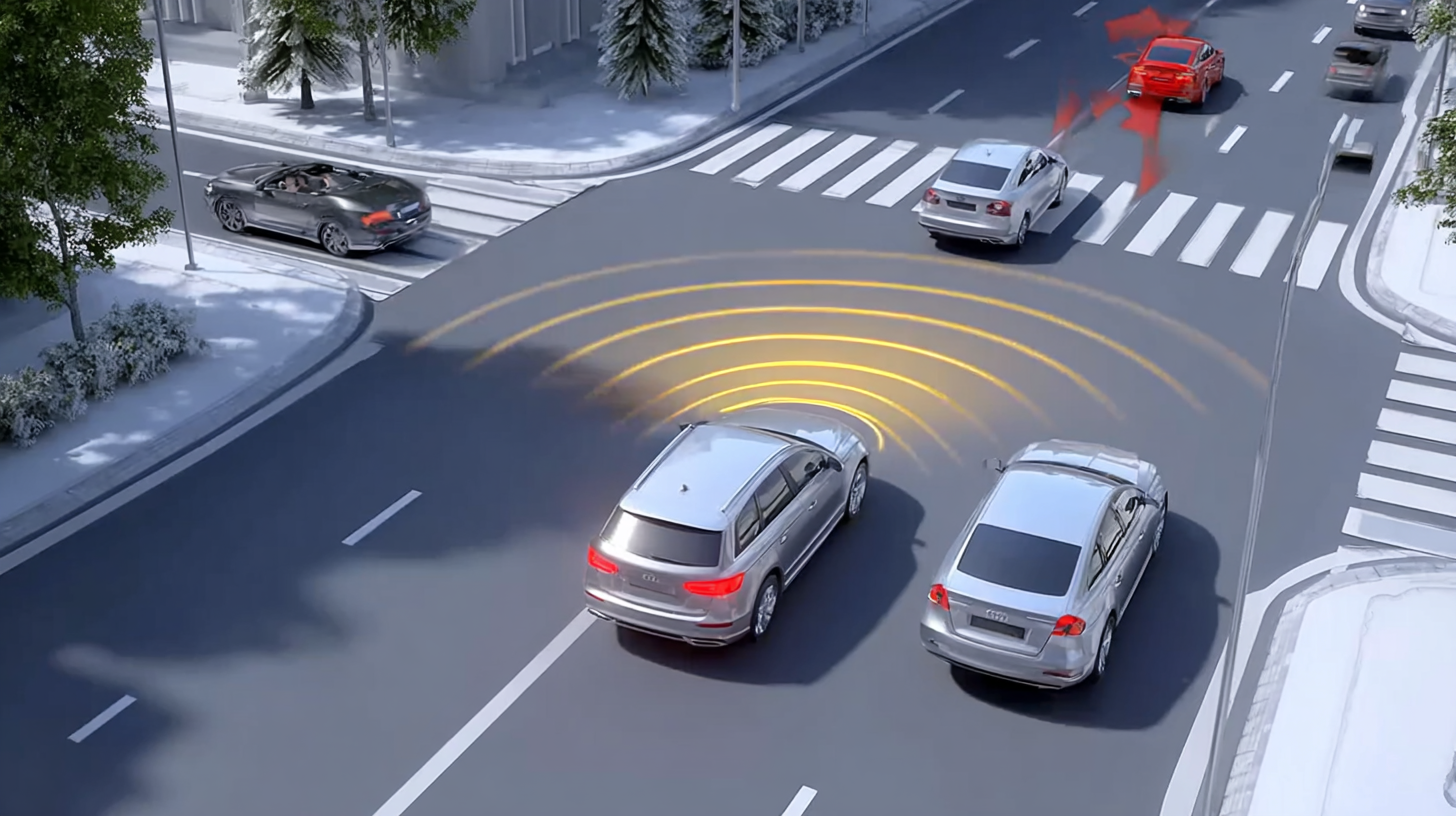
And here’s something even cooler: when these smart signals team up with vehicle-to-infrastructure stuff, safety ticks up even more. According to the Institute of Transportation Engineers, such systems can really cut down on accidents—by around 20%—since they give drivers instant updates about traffic jams, accidents, or pedestrians crossing. It’s like having a little extra set of eyes on the road, helping drivers make smarter choices, especially at busy intersections. As more cities jump on this tech bandwagon, I genuinely believe we’re heading toward safer, less stressful commutes. It’s pretty amazing how tech is shaping the future of traffic management, isn’t it?
Utilizing Mobile Apps for Real-Time Alerts and Safety Features
These days, in our super hectic world, mobile apps are really stepping up as essential tools for keeping us safe on the road. They send you real-time updates about traffic stuff, road hazards, and weather changes, which helps you make smarter choices before you even start driving. For example, GPS-enabled apps can warn you about sudden road closures, accidents, or detours—making your drive both smoother and safer. Pretty handy, right?
Plus, a lot of these apps come with safety features designed to help you stay focused and avoid distractions. Things like hands-free calls, voice-guided navigation, and auto-reply messages mean you can keep your eyes on the road and still stay connected. Some newer apps even have crash detection and emergency alert systems, so if something does happen, they can quickly notify emergency services—potentially saving lives. All in all, these apps aren't just about convenience—they’re nudging us towards safer driving habits and a more safety-conscious culture out there.
Seven Effective Tips to Enhance Road Safety with Innovative Digital Solutions
| Tip Number | Safety Feature | Description | User Benefit |
| 1 | Real-Time Traffic Alerts | Mobile apps can provide live updates on traffic conditions, accidents, and road closures. | Helps drivers avoid delays and make better route choices. |
| 2 | Speed Monitoring | Apps can track the speed of the vehicle and alert drivers when they exceed the limit. | Promotes adherence to speed limits, reducing the risk of accidents. |
| 3 | Driving Behavior Monitoring | Evaluates aggressive driving habits, such as hard braking and cornering. | Encourages safer driving practices and can lower insurance rates. |
| 4 | Emergency Assistance Features | Quick access to emergency services and roadside assistance through the app. | Provides peace of mind and immediate help in case of emergencies. |
| 5 | Navigation with Safety Alerts | Smart navigation that warns about upcoming hazards or unsafe conditions. | Improves situational awareness for drivers, enhancing safety. |
| 6 | Community Reporting Features | Allows users to report hazards or safety issues to share with the community. | Fosters a collaborative approach to road safety. |
| 7 | Advanced Vehicle Diagnostics | Integrates with vehicle systems to monitor health and identify potential issues. | Prevents breakdowns and enhances the overall safety of the vehicle. |
Incorporating AI and Machine Learning for Predictive Accident Prevention
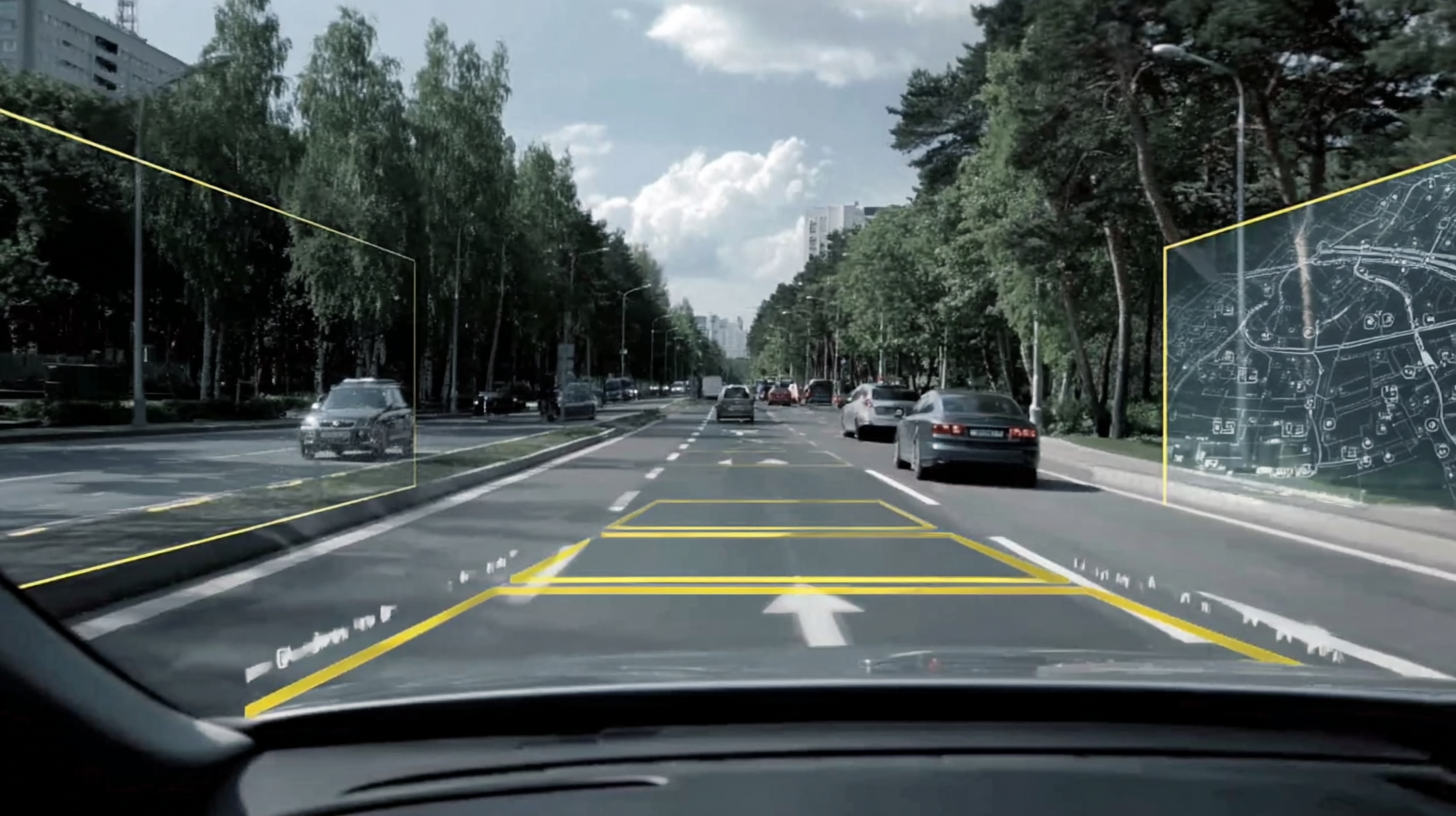 You know, these new digital tech solutions are really shaking things up when it comes to road safety. Things like AI and machine learning are now playing a huge role in predicting and preventing accidents before they even happen. Basically, they crunch massive amounts of real-time data from all over — traffic cameras, weather reports, past accident info — and can spot when a dangerous situation might be brewing. This means authorities can jump in ahead of time and maybe even stop crashes before they occur.
And the cool part? These machine learning systems aren’t just static; they keep learning as they go, getting better the more data they process. That’s how we end up with smarter traffic lights that automatically adjust based on how busy the roads are, or apps that warn drivers about potential hazards just in time. Using AI and machine learning in this way, we’re genuinely moving towards safer roads, fewer accidents, and ultimately saving more lives — which is pretty awesome, if you ask me.
Enhancing Driver Education with Interactive Online Training Platforms
In our busy, fast-moving world today, making driver education better is more important than ever if we want safer roads. These days, interactive online training platforms are really changing the game — turning what used to be boring lectures into fun, engaging, hands-on learning experiences. Unlike the traditional classroom stuff, these online tools let folks learn at their own pace, which helps them really get a grip on the key driving concepts and remember them better. The gamified parts, like quizzes and challenges, keep learners interested and give them a way to practice what they’ve learned in a fun, practical way.
Plus, these platforms are super flexible—they can fit different learning styles and reach a lot more people. Visual learners, for example, can watch animated videos of safe driving habits, while those who prefer listening can tune into podcasts or participate in interactive discussions. The real-time feedback and tracking show learners what they’re doing well and where they can improve, making the whole process feel more personal. Overall, using these innovative digital tools can really help make our roads safer by giving drivers the skills and knowledge they need — but in a way that’s much more engaging and effective than the old-school methods.
FAQS
: GPS technology is essential for enhancing navigation and traffic management as it improves road safety and enables the integration of advanced GNSS solutions.
Quantum technologies are projected to have an £8 billion economic impact on UK transport by 2035, highlighting the significance of investing in innovative navigation solutions.
Traffic management systems should be regularly updated to reflect real-time conditions, and satellite-based augmentation systems should be implemented to improve positioning accuracy.
Integrating automated navigation systems with local infrastructure can alleviate traffic congestion and help avoid unnecessary detours that may overwhelm small-town roads.
AI and machine learning analyze vast amounts of real-time data to identify potential hazards before they lead to accidents, allowing for proactive safety measures.
Machine learning systems continuously refine their predictive abilities by learning from new data, which enhances their effectiveness in identifying hazards.
AI applications can alert drivers about potential dangers and help develop smarter traffic signals that adapt to real-time traffic patterns, contributing to safer driving conditions.
AI algorithms analyze data from traffic cameras, weather conditions, and historical accident records to predict high-risk situations on the roads.
Continuous adaptation and education are crucial to maximizing the effectiveness of innovative digital solutions in improving road safety as technology evolves.
Recent advancements include collaborations for new satellite technologies and exploration of innovative navigation methods that extend beyond conventional GPS systems.
Conclusion
In today’s digital world, making our roads safer has become more important than ever. Luckily, there are some pretty cool digital solutions that are really helping out. For example, using GPS tech not only makes navigation easier but also helps manage traffic better—say goodbye to those frustrating jams and a few accidents along the way. Then there are smart traffic signals that adapt in real-time, keeping vehicles moving smoothly and making the streets safer for both drivers and pedestrians. Mobile apps that send instant alerts are also a game-changer—they give us the info we need to drive smarter and more safely.
On top of that, embracing AI and machine learning can seriously change the game when it comes to preventing accidents. Predictive analytics can actually spot potential dangers before they turn into big issues, helping authorities step in early. And don’t forget about driver education! Interactive online training programs are making sure drivers are better prepared to handle the constantly changing traffic conditions out there. As SUNFREE Lighting Technology Co., Ltd. continues to lead in fresh energy solutions, we’re dedicated to making roads safer—that’s our core mission. The goal? Creating a transportation system that’s not only more efficient but safer for everyone involved.