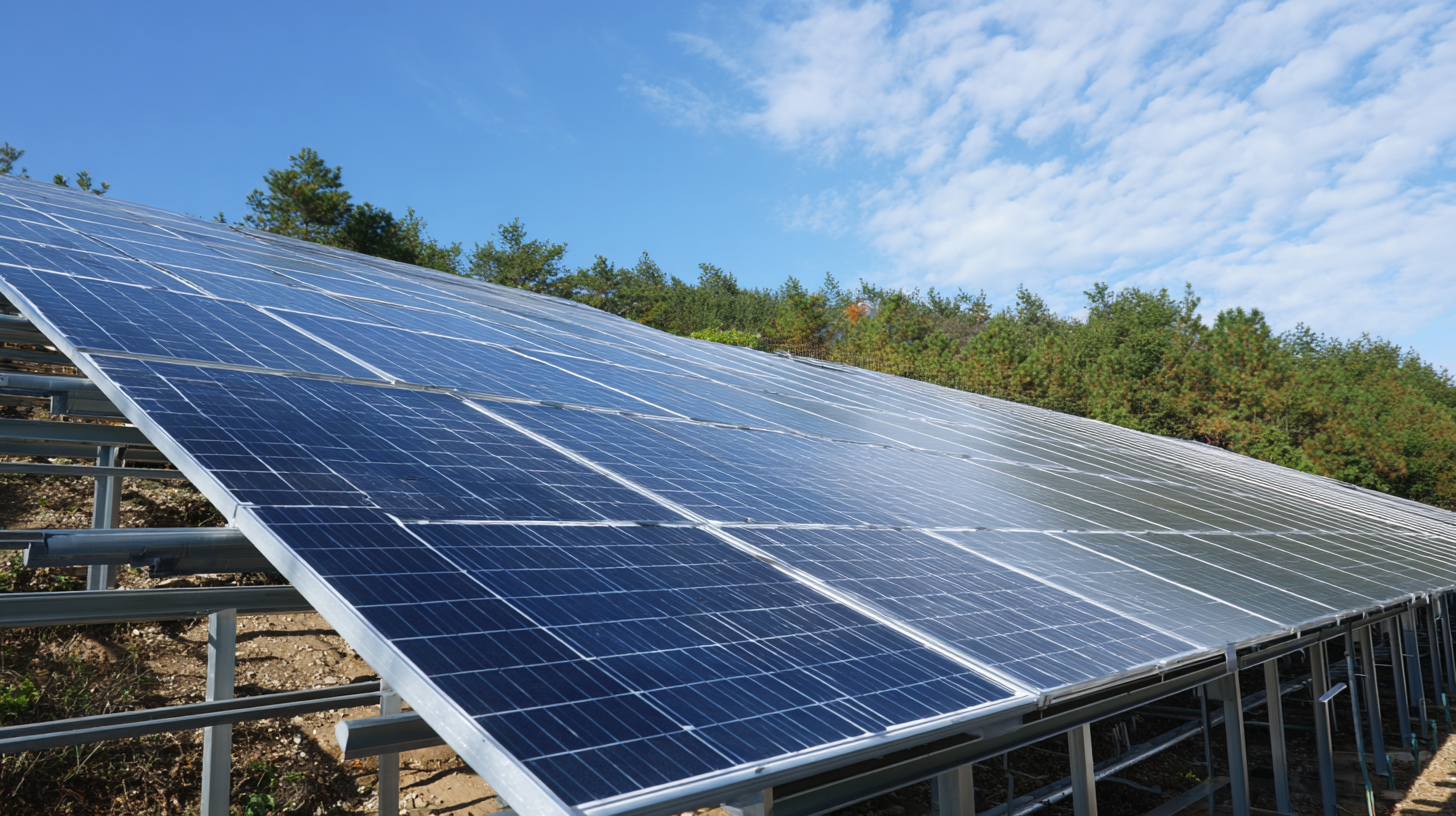
You know, these days, Renewable Energy is really taking center stage, and there's been a huge spike in the demand for cool, efficient products like Vertical Pv Modules. A recent report from Wood Mackenzie even suggested that the global solar market could grow by over 20%every year! Those vertical Solar Panels are getting a lot of buzz lately, mainly because they're designed to save space while beingsuper efficient.
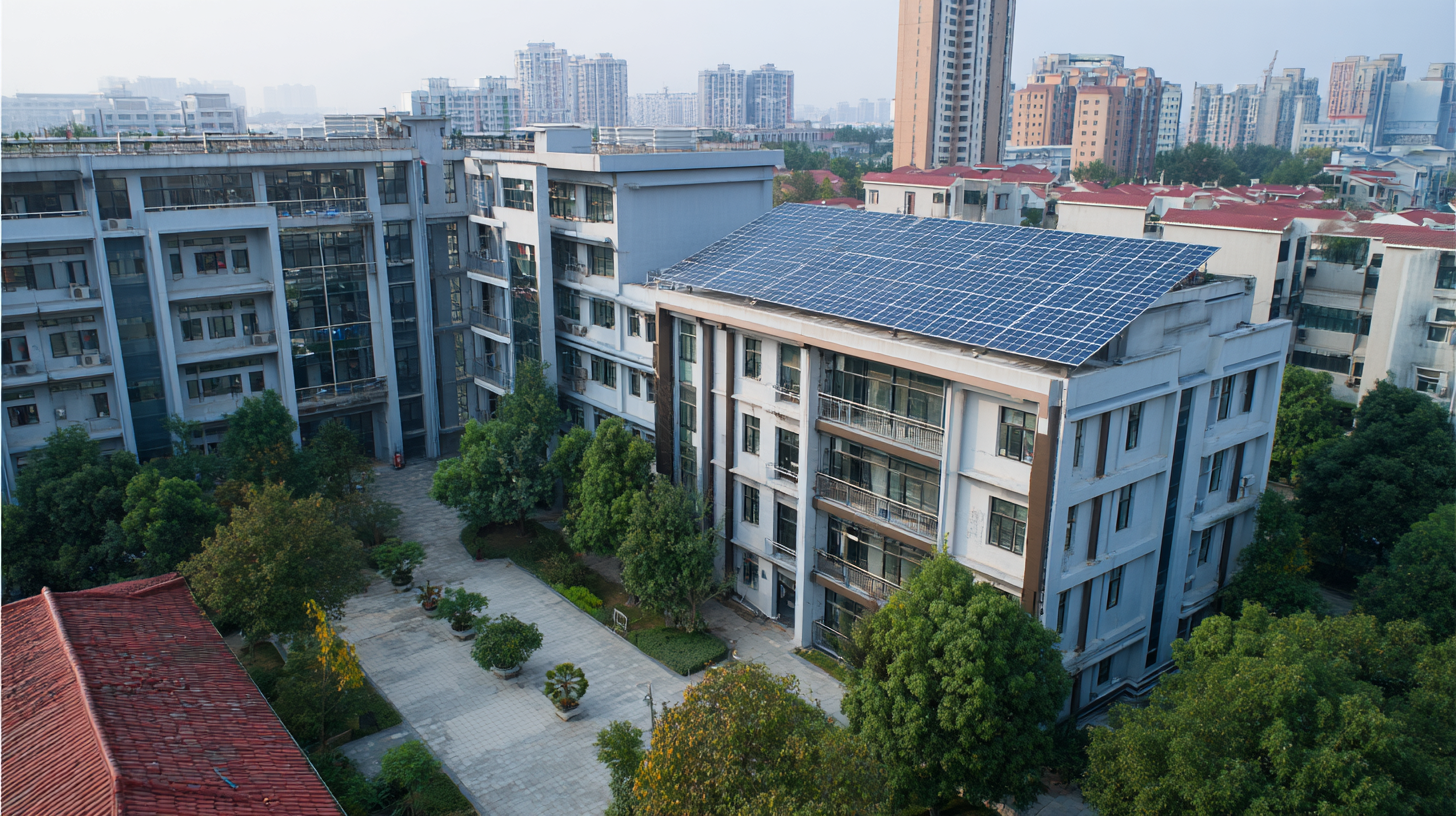
One company that's really leading the charge is SUNFREE Lighting Technology Co., Ltd. They're not just any tech company; they’re all about harnessing top-notch design and manufacturing skills to push out some seriously advanced energy solutions. If you're in the game and looking for Vertical PV Modules, it’s key to research the best manufacturers out there. This way, you can make sure you’re picking high-quality products that can handle both the economic and environmental challenges we face today. Plus, keeping up with the latest trends and innovations in vertical solar tech is essential. It really helps in optimizing solar energy setups and pushing sustainability efforts forward.
Understanding Vertical PV Modules: What Sets Them Apart
You know, vertical photovoltaic (PV) modules are really starting to make waves in the renewable energy scene, and it’s easy to see why. Unlike the usual horizontal panels we’re all familiar with, these vertical ones stand tall and can catch sunlight from a bunch of different angles throughout the day. This cool design is super handy, especially in cities where roof space is at a premium. Plus, they help solar farms use their land more efficiently, which is definitely a win-win! A recent report from the International Renewable Energy Agency (IRENA) even shows that vertical PV systems can amp up energy output by as much as 30% compared to the regular setups in urban areas.
What really sets vertical PV modules apart is their ability to make the most of reflected light—how nifty is that? In places where everything around them is shiny, this feature can lead to something called 'bifacial gains.' Some research from NREL points out that these bifacial PV panels might give us an extra 15-30% in energy yield. So, it’s pretty clear that vertical modules could be a fantastic option for really optimizing solar energy capture. As the market keeps changing, keeping an eye on these unique features will be super important for spotting the top manufacturers who really get how to leverage this exciting vertical PV tech.
Key Criteria for Evaluating Manufacturer Quality and Reliability
You know, when we talk about finding the best manufacturers of vertical PV modules, it’s super important to really think about the quality and reliability of these companies. A recent report from the International Energy Agency (IEA) pointed out something pretty interesting: the global solar PV market is set to grow by more than 25% every year! That really emphasizes how crucial it is to pick manufacturers who are not just innovative but also trustworthy. Take SUNFREE Lighting Technology Co., Ltd., for instance. They’ve got a solid focus on research and development, which really helps them stand out in this pretty competitive space.
Now, if we’re judging manufacturer quality, there are a few key things to consider. Stuff like their production capabilities, any certifications they've earned, and how long they’ve been in the industry all come into play. According to the 2022 Solar Industry Survey, those manufacturers who are ISO 9001 certified and have Tier 1 status tend to have way fewer defects in their products and happy customers to boot! So, it’s no wonder that SUNFREE is seen as a top choice out there. Their design and manufacturing abilities are pretty impressive, making sure their products hit those tough international standards.
Plus, keeping an eye on customer feedback and how their products perform can really shed light on long-term reliability. This kind of info can definitely help investors make smarter choices in the vertical PV module market.
Essential Tips for Identifying Top Manufacturers of the Best Vertical PV Modules
| Criteria | Description | Rating Scale (1-5) |
| Product Efficiency | Measures the conversion efficiency of the PV modules. | 4.5 |
| Warranty Period | Length of warranty offered on the products. | 4.0 |
| Certifications | Industry certifications that ensure quality standards. | 5.0 |
| Customer Support | Availability and responsiveness of support services. | 4.2 |
| Production Capacity | Volume of products that can be manufactured annually. | 4.3 |
| Reputation | Market perception and brand reliability. | 4.8 |
Innovative Technologies in Vertical PV Module Production
You know, the way vertical photovoltaic (PV) module production has taken off is pretty impressive. It's really changed the game for solar energy! Manufacturers are tapping into some cool new technologies that not only boost efficiency but also help cut down costs. A big player in all this is the use of bifacial modules. These guys are fantastic because they can capture sunlight from both sides, which means way more energy output. It's a real bonus, especially in crowded urban areas where space is always tight.
On top of that, you can't overlook how automation and robotics are shaking things up in the manufacturing scene. They're super important for making production smoother and upping the quality of those vertical PV modules. Thanks to the latest machinery, manufacturers can hit a new level of precision and consistency. Plus, with smart manufacturing tech like IoT sensors, they can keep an eye on the production line in real-time, which really helps with managing the supply chain and cutting down on downtime. All these innovative strategies don’t just make vertical PV modules more efficient—they also help manufacturers keep up with the rising demand for sustainable energy solutions. It’s an exciting time!
Sustainability Practices Among Leading Vertical PV Module Manufacturers
You know, as the world is really starting to embrace renewable energy, there's been a big push for sustainable practices among companies that make vertical photovoltaic (PV) modules. It’s kind of cool to see that the leading manufacturers are stepping up their game by using eco-friendly materials and processes to cut down on their environmental impact. For example, a lot of these companies are now incorporating recycled materials into their modules. Not only does this help decrease waste, but it also shrinks the carbon footprint linked to production. Plus, many are putting their money into cleaner energy sources for their operations, which is fantastic for the overall sustainability of their products.
But it’s not just about the materials. The top players in the industry are getting creative with innovative designs that boost energy efficiency and make their products last longer. Thanks to some cutting-edge technology, they’re crafting vertical PV modules that are really good at capturing sunlight, which is a game changer in urban settings. On top of that, these manufacturers are all about transparency in their supply chains. They want to make sure every step of the production process meets environmental standards. This kind of commitment fosters trust with consumers, and it also helps cultivate a culture of sustainability in the renewable energy sector. It’s paving the way for a future where energy production syncs up nicely with taking care of our planet.
Top Manufacturers of Vertical PV Modules: Sustainability Practices Comparison
Case Studies: Successful Implementations of Vertical PV Modules
Lately, vertical photovoltaic (PV) modules have really been catching on, and it’s easy to see why—they make fantastic use of available space and really boost energy generation efficiency. Take a look at some case studies from leading manufacturers, and you'll find impressive examples from all sorts of industries. For instance, there's this project in urban areas that showed how vertical PV setups can actually ramp up energy output by 30% compared to those traditional horizontal panels, as mentioned by the International Renewable Energy Agency (IRENA). This clearly shows just how adaptable these vertical designs can be, especially in places where space is at a premium.
When you're thinking about going for vertical PV modules, it’s super important to keep a few key things in mind. First off, double-check that the manufacturer is sticking to industry standards like IEC 61215 and IEC 61730. These regulations really help ensure that the modules are durable and safe. Also, make sure to dig into the performance data from previous installs; this can tell you a lot about how reliable a manufacturer is. According to a recent analysis by GTM Research, the top-performing vertical PV modules actually boast average efficiency ratings over 20%, making them a smart choice for a lot of businesses.
And let's not forget the success stories from different sectors that showcase just how versatile vertical PV modules are! One great example is a commercial rooftop setup that not only maximized space but also cut energy costs by up to 40%, as reported by Solar Power World. These insights really highlight the need to find top-notch manufacturers who are ready to tackle market challenges with innovative and practical solutions. Partnering with experienced suppliers can really help you make smarter decisions when you're ready to switch to vertical PV technology.
Maximizing Energy Efficiency: The Benefits of Vertical Solar Panels for Sustainable Living
In the pursuit of sustainable living, maximizing energy efficiency is paramount, and vertical solar panels stand out as a promising innovation. These high-efficiency solar panels are specially designed with an emphasis on minimizing wind resistance, making them ideal for diverse climates and environments. According to a report by the National Renewable Energy Laboratory, vertical installations can increase energy production by up to 20% in areas with high wind exposure, while also reducing structural stress on buildings and installations.
One of the most significant advantages of vertical solar panels is their ability to blend seamlessly into various landscapes. As a solar-powered free-standing structure, they occupy a minimal footprint, which is particularly advantageous in urban settings where space is at a premium. A study by the International Energy Agency indicates that incorporating vertical solar technology in metropolitan areas can significantly increase the solar capacity without disrupting existing land uses. This makes them not only an efficient energy solution but also a visually appealing addition to any property.
Additionally, vertical solar panels require minimal maintenance due to their design that helps prevent debris accumulation, prolonging their service life and optimizing performance. With the global solar energy market projected to reach $223 billion by 2026, the shift towards innovative technologies like vertical solar panels is not just a trend but a necessary step toward achieving sustainable energy goals. As more individuals and businesses recognize the benefits of vertical solar solutions, we can expect a revolution in the way we harness solar energy for a greener future.
FAQS
: Vertical PV modules are solar panels that stand upright, capturing sunlight at multiple angles throughout the day, which enhances their efficiency and performance.
Unlike traditional horizontal panels, vertical PV modules can capture sunlight more effectively in urban settings and maximize land use in solar farms due to their space-efficient design.
Vertical PV modules can enhance energy output by up to 30% in urban settings compared to traditional installations, according to a report by IRENA.
Bifacial gains refer to the additional energy production achieved by vertical PV modules thanks to their ability to benefit from reflected light in highly reflective environments.
Bifacial PV panels can achieve up to 15-30% additional yield, making vertical modules an attractive option for optimizing solar energy capture.
Manufacturers should adhere to industry standards such as IEC 61215 and IEC 61730 to ensure the durability and safety of their modules.
According to recent analysis by GTM Research, top-performing vertical PV modules showed average efficiency ratings exceeding 20%.
A commercial rooftop installation of vertical PV modules can provide energy savings of up to 40%, highlighting their effectiveness in space utilization and energy efficiency.
Analyzing performance data helps assess a manufacturer's reliability and effectiveness in delivering high-efficiency vertical PV solutions.
Businesses should engage with experienced suppliers and consider industry standards, performance data, and the adaptability of vertical PV modules to make informed decisions.