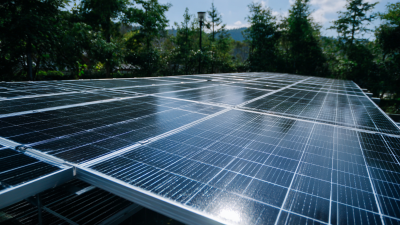
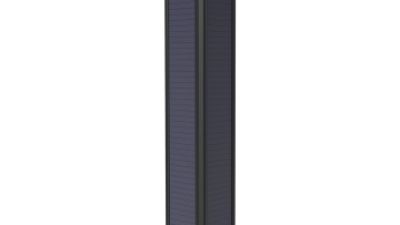
As the world really pushes for sustainable energy options, you've probably noticed that Vertical Solar Modules are starting to get a lot of attention — and for good reason! These clever systems make the most of limited space, which is a huge plus, especially in crowded cities. Dr. Emily Carter, a top expert in solar tech from the Renewable Energy Institute, mentions that 'Vertical Solar Modules not only boost energy production but also add to the city’s look.' It’s pretty exciting because they offer a smart way to generate power even where traditional panels just don’t quite fit, like on tight rooftops or in shaded spots.
Honestly, the benefits are pretty clear. These vertical setups catch sunlight at different angles throughout the day—making them perfect for areas with shading or small rooftops. Of course, to get the most out of these systems, you’ll want to install and maintain them thoughtfully. Plus, including Vertical Solar Modules in building designs really opens up new possibilities for making our cities more sustainable and eco-friendly. With all that in mind, we’ve put together ten key tips to help homeowners and businesses get the best results from their Vertical Solar Modules — because a greener future is something we can all work towards together!
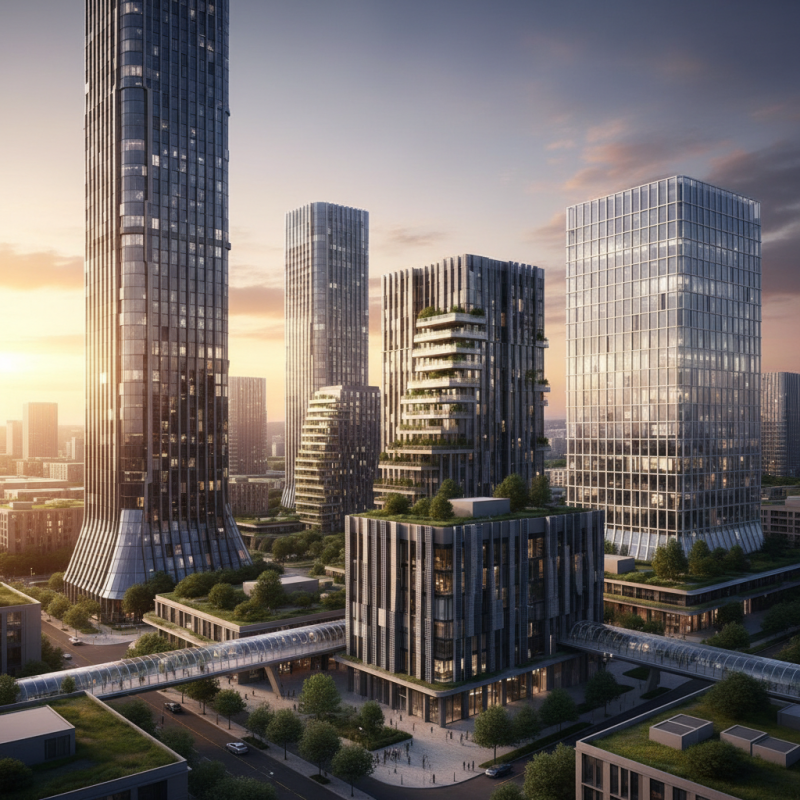
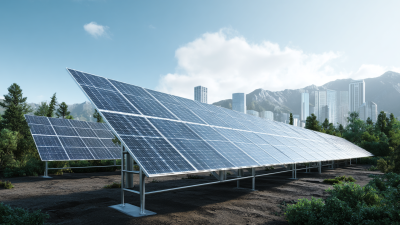
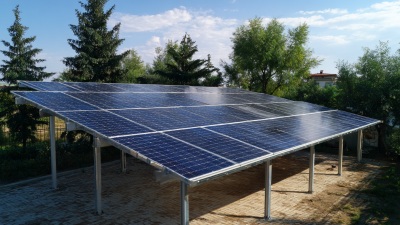
Vertical solar modules represent an innovative approach to harnessing solar energy, differing significantly from traditional horizontal installations. These modules are designed to be mounted vertically, often on building facades or as stand-alone structures in urban environments. The vertical orientation allows them to capture sunlight at varying angles throughout the day, optimizing energy production, especially in dense cityscapes where ground space is limited. This design not only maximizes energy efficiency but also blends seamlessly into architectural designs, making solar energy more accessible in urban areas.
Understanding the advantages of vertical solar modules is crucial for maximizing their potential. They typically have a reduced susceptibility to dirt accumulation, requiring less maintenance—which translates to lower long-term operational costs. Moreover, their installation can enhance building insulation, contributing to energy savings beyond just Solar Power generation. In terms of aesthetics, vertical modules can often be tailored to complement the visual character of buildings, encouraging more property owners to adopt solar solutions. This convergence of efficiency, practicality, and design makes vertical solar modules an essential consideration in modern renewable energy strategies.
Vertical solar modules are gaining traction for their unique benefits in enhancing energy efficiency, particularly in urban environments. These modules, which are installed in a vertical orientation, have been shown to capture sunlight more effectively during morning and evening hours when traditional horizontal panels may miss out on optimal exposure. According to a study from the National Renewable Energy Laboratory, vertical solar panels can increase energy yield by up to 15% in certain climates, particularly those with high latitudes where sun angles are lower.
Another significant advantage of vertical solar modules is their reduced land footprint. As cities continue to grow, the availability of space for traditional solar installations becomes increasingly limited. Vertical panels can be integrated into building facades, allowing for the dual use of urban space without the need for additional land acquisition. The International Energy Agency reported that incorporating solar solutions into building designs could potentially increase the overall energy generation capacity of urban areas by as much as 30%, supporting cities in their transition to more sustainable energy systems. By harnessing available vertical space, these modules not only enhance energy efficiency but also contribute to the goals of urban sustainability and development.
When considering vertical solar installations, the selection of the right location is paramount to maximizing efficiency. One crucial tip is to assess the sun exposure throughout the day. It’s important to choose a site that receives ample sunlight, ideally with minimal obstructions such as trees or buildings that could cast shadows on the modules. A well-placed vertical solar system can capture sunlight efficiently and increase energy production.
Additionally, consider the orientation of the vertical solar modules. In regions where sunlight is more intense during specific times of the year, orienting the panels to face south or west can enhance performance. Taking note of seasonal variations in sunlight can also help in planning the optimal arrangement for maximum output.
Lastly, the local climate must be factored into the decision-making process. Extreme weather conditions, such as heavy snowfall or scorching heat, can affect the efficiency and longevity of the solar installation. It's advisable to select materials and mounting solutions that are durable and suitable for the specific environmental conditions of the site. Thorough site assessments ensure that the vertical solar setup not only meets current energy needs but is also sustainable and efficient in the long run.
| Tip | Description | Recommended Location | Efficiency Consideration |
|---|---|---|---|
| 1. Assess Sunlight Exposure | Identify areas that receive consistent sunlight throughout the day. | Open rooftops, southern-facing walls | Higher direct sunlight increases output |
| 2. Avoid Obstructions | Ensure there are no tall buildings or trees shading the modules. | Urban areas with low-rise buildings | Minimize shading for optimal performance |
| 3. Consider Wind Exposure | Placement in areas with wind protection can extend module life. | Enclosed courtyards, sheltered zones | Reduced wear from wind enhances durability |
| 4. Evaluate Roof Angle | Working with the natural slope can improve efficiency. | Sloped roofs, angled structures | Optimized angle can capture more sunlight |
| 5. Use Reflective Surfaces | Install in areas where sunlight can bounce off reflective surfaces. | Near water bodies, light-colored walls | Increased overall light availability |
| 6. Prioritize Urban Efficiency | Install on tall buildings to maximize vertical space. | High-rise buildings, skyscrapers | Utilizes unused vertical space effectively |
| 7. Opt for Dual-Faced Modules | Choose modules that capture sunlight on both sides. | Vertical installations in open areas | Maximizes energy capture from various angles |
| 8. Think About Maintenance Access | Ensure easy access for cleaning and repairs. | Accessible rooftops, maintenance-friendly walls | Regular maintenance boosts efficiency |
| 9. Check Local Regulations | Familiarize with local building codes regarding solar installations. | Residential and commercial properties | Compliance ensures long-term operational efficiency |
| 10. Monitor and Adjust | Regularly review output and adjust placements if necessary. | All installation types | Ongoing assessment improves energy yield |
When installing vertical solar modules, one of the crucial factors to consider is their angle and orientation, as these elements directly influence the amount of sunlight the panels receive. The optimal angle for vertical solar modules typically ranges between 15 to 30 degrees, depending on geographical location and seasonal variations. This angle allows the modules to capture maximum sunlight, especially during the morning and late afternoon when the sun is lower in the sky. Adjusting the tilt to match the sun's trajectory throughout the year can significantly enhance energy production.
Additionally, the orientation of vertical solar modules should ideally face due south in the Northern Hemisphere and due north in the Southern Hemisphere to maximize exposure to direct sunlight. This positioning is essential to ensure that the panels receive consistent sunlight throughout the day. Furthermore, local weather patterns and shading from nearby structures should also be assessed, as they can impact overall efficiency. By carefully considering the angle and orientation of vertical solar modules, homeowners and businesses can optimize their solar energy systems, leading to increased efficiency and improved energy savings.
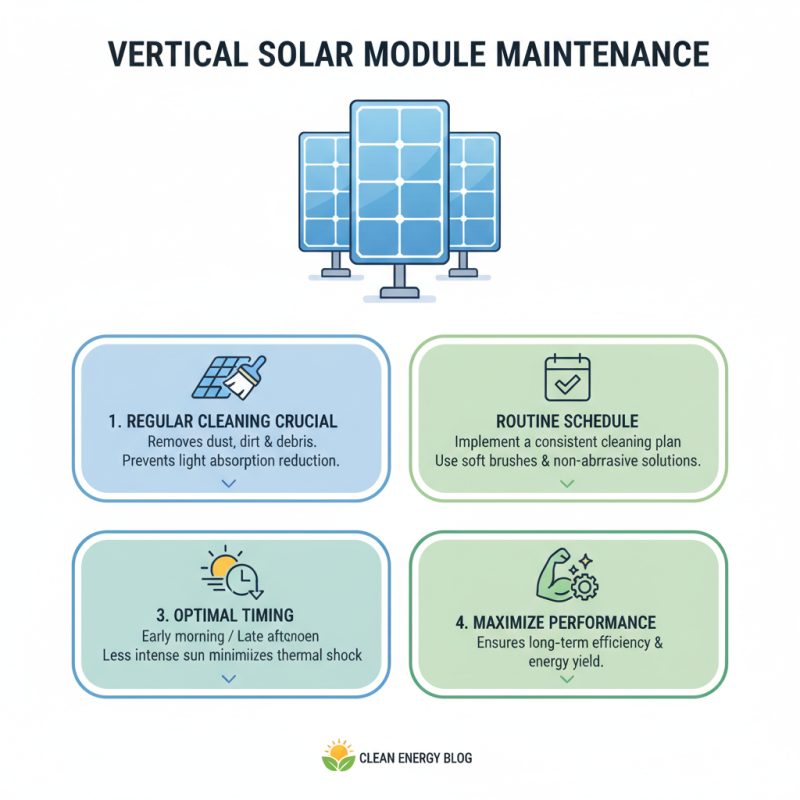
Maintaining vertical solar modules is crucial for optimizing their performance and ensuring long-term efficiency. Regular cleaning is one of the most important maintenance practices. Dust, dirt, and debris can accumulate on the surfaces, significantly reducing light absorption. Implementing a routine cleaning schedule using soft brushes and non-abrasive solutions can help keep the modules clear and functional. Furthermore, it’s advisable to clean the modules during early morning or late afternoon when the sun is less intense, as this minimizes the risk of thermal shock.
In addition to cleaning, regular inspections are vital to identify and address any issues promptly. Checking for signs of wear, such as cracks or corrosion, can prevent more severe damage down the line. Monitoring electrical connections and ensuring they are secure is equally important, as loose connections can lead to energy loss. Additionally, it’s beneficial to keep an eye on the surrounding environment; overgrown vegetation can cast shadows on the modules, reducing their efficiency. By implementing these proactive maintenance practices, users can enhance the performance of their vertical solar modules significantly.
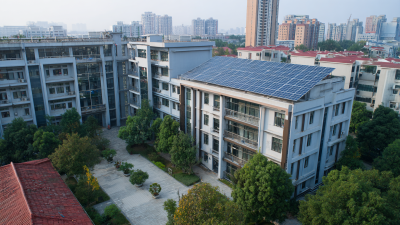
Integrating vertical solar modules with existing structures offers a practical approach to harnessing renewable energy while optimizing space. One of the key advantages of vertical solar modules is their ability to blend seamlessly into urban landscapes and existing buildings. By installing these modules on the façades of commercial and residential properties, building owners can significantly reduce their reliance on traditional energy sources without sacrificing valuable ground space. This integration not only enhances the building's aesthetic appeal but also contributes to sustainability goals by harnessing solar power in areas that may be otherwise underutilized.
Furthermore, the strategic placement of vertical solar modules can improve energy efficiency by maximizing exposure to sunlight throughout the day, particularly in dense urban environments where horizontal space is limited. Engaging in this innovative approach requires careful planning and consideration of factors such as orientation, shading, and structural integrity. By collaborating with architects and engineers, building owners can create designs that not only accommodate the solar systems but also enhance the overall functionality of the structure. This synergy between architecture and renewable energy infrastructure paves the way for smarter, more sustainable urban living while ensuring that solar technology is accessible and effective in various settings.
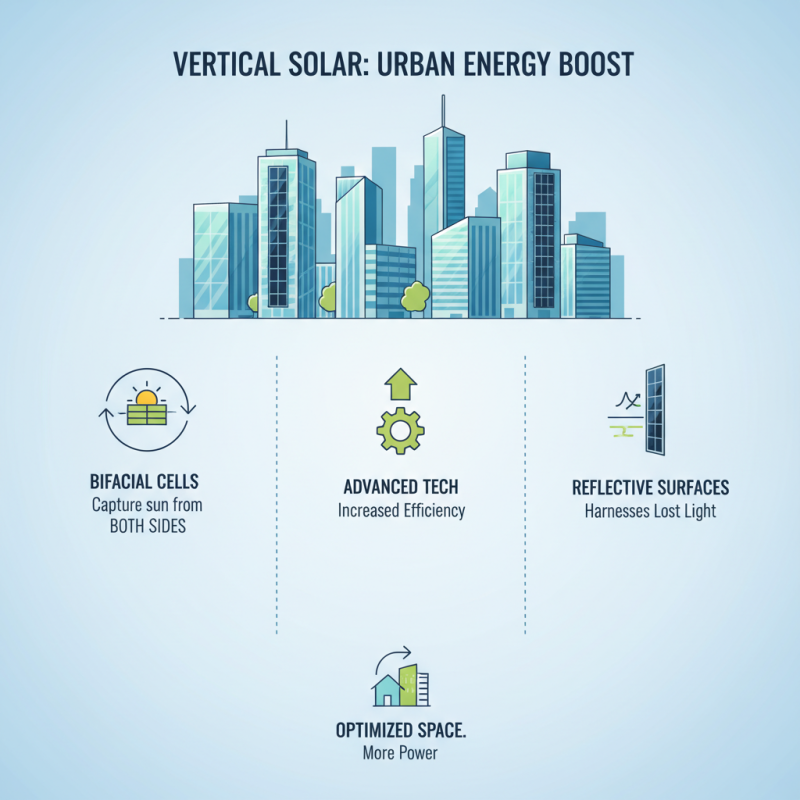
Vertical solar modules are an innovative solution for harnessing solar energy while optimizing space in urban environments. The potential for increased efficiency lies in the technological advancements designed for these systems. By incorporating technologies such as bifacial solar cells, which can capture sunlight from both sides, homeowners and businesses can significantly enhance their energy output. These modules benefit from reflecting surfaces, allowing them to harness light that would normally be lost in traditional configurations.
To maximize the efficiency of vertical solar installations, it's essential to consider the orientation and tilt of the modules. Proper positioning can lead to a greater capture of sunlight throughout the day. Additionally, regular maintenance plays a crucial role in ensuring optimal performance; keeping the panels clean and clear of any obstacles will avoid shadows that can impede energy generation.
Moreover, integrating smart technologies, such as energy management systems and real-time monitoring, empowers users to track their energy production and consumption effectively. By utilizing data analytics, homeowners can make informed decisions on shifting energy usage patterns to coincide with peak solar generation times, thereby improving overall efficiency. Incorporating these innovative techniques makes vertical solar modules not only sustainable but also a smart investment for the future.
Square vertical solar powered LED bollard lights are a transformative addition to outdoor spaces, offering both practical illumination and aesthetic appeal. Their sleek, modern design complements various landscaping styles, making them suitable for gardens, parks, yards, and public areas. These lights harness the power of the sun, utilizing solar panels to convert sunlight into electricity, which not only reduces energy costs but also minimizes the environmental impact. As eco-friendly solutions, they contribute to sustainable living, encouraging a greener approach to outdoor design.
In addition to their environmental benefits, these solar bollard lights enhance safety and visibility. Placed along pathways, they guide foot traffic and deter potential hazards in the dark, providing a sense of security in outdoor spaces. The built-in LED technology helps ensure a bright and long-lasting light output, making them reliable for nighttime use. Whether used to illuminate a garden pathway, a park bench, or a public plaza, square vertical solar powered LED bollard lights create inviting atmospheres that enhance the overall beauty of outdoor environments while prioritizing sustainability.
: Assessing sun exposure throughout the day is crucial. It's important to choose a site that receives ample sunlight with minimal obstructions such as trees or buildings that could cast shadows on the modules.
In the Northern Hemisphere, vertical solar modules should ideally face due south, while in the Southern Hemisphere, they should face due north. This orientation maximizes exposure to direct sunlight throughout the day.
The optimal angle for vertical solar modules generally ranges between 15 to 30 degrees, depending on geographical location and seasonal variations. This allows for maximum sunlight capture.
Local climate factors, such as extreme weather conditions like heavy snowfall or excessive heat, can impact the efficiency and longevity of the solar installation. Therefore, selecting durable materials suited for the specific environment is advisable.
Vertical solar modules can be installed on the façades of buildings, allowing for energy generation without sacrificing ground space. This integration enhances sustainability while blending into urban landscapes.
It is essential to consider factors such as orientation, shading, and structural integrity. Collaborating with architects and engineers can help create designs that accommodate solar systems and enhance overall building functionality.
Adjusting the tilt of the modules to match the sun's trajectory throughout the year can significantly enhance energy production, especially during the morning and late afternoon when the sun is lower in the sky.
Installing vertical solar modules in urban areas can maximize exposure to sunlight, contributing to energy efficiency in spaces where horizontal ground space is limited.
Thorough site assessments ensure that the vertical solar setup meets current energy needs and is sustainable and efficient in the long term, accounting for factors like sunlight exposure and environmental conditions.
Vertical Solar Modules offer a unique approach to harnessing solar energy, presenting multiple benefits that enhance energy efficiency. These modules are designed to maximize sunlight absorption, particularly in urban environments where space is limited. Understanding the optimal location, angle, and orientation for installation is crucial to achieving peak performance. Additionally, regular maintenance practices ensure that the modules operate at their best, allowing for sustainable energy generation.
The integration of Vertical Solar Modules with existing structures can lead to innovative energy solutions, transforming underutilized spaces into productive energy sources. Furthermore, advancements in technology continue to improve the efficiency of these systems, making them a compelling choice for a sustainable future. Adopting the outlined strategies will enable homeowners and businesses to maximize the benefits of Vertical Solar Modules effectively.