These days, with the urgent need for sustainable solutions more obvious than ever, exploring Alternative Energy sources has really become a hot topic for innovation and growth. Companies like SUNFREE Lighting Technology Co., Ltd. are leading the charge, using the latest tech to develop new energy products that not only meet current demands but also think ahead to what we’ll need down the line. SUNFREE, being a big player in this space, is all about thorough research, development, and manufacturing—basically, pushing the boundaries to shape better energy solutions. In this article, we’ll dive into some of the coolest recent breakthroughs in alternative energy, highlighting innovations that could totally change the game—how we harness, use, and even think about energy in our everyday lives. So, join us as we explore what the future holds for alternative energy and see how these cutting-edge technologies are helping us move towards a more sustainable world.
Understanding the Importance of Alternative Energy in Today's World
Alternative energy sources are really essential these days when it comes to tackling our growing environmental worries and the increasing demand for energy. You know, as regular fossil fuels get used up and start causing more pollution and climate issues, switching to renewable energies becomes just about the most important thing we can do. Thanks to new tech and innovations in solar, wind, hydro, and geothermal power, we're changing the game—making energy cleaner, more sustainable, and way more abundant. Getting a handle on these advances isn't just interesting; it also helps us, as individuals and communities, to make smarter choices about how we use energy — which is pretty empowering, if you ask me.
Key Innovations in Solar Technology Transforming Energy Consumption
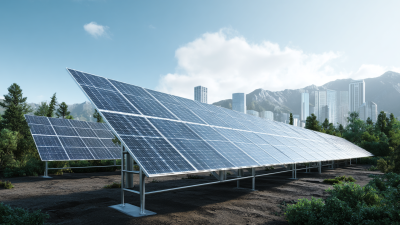
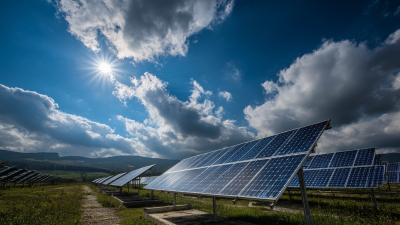
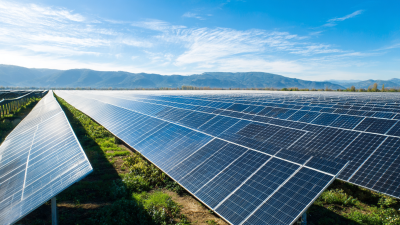
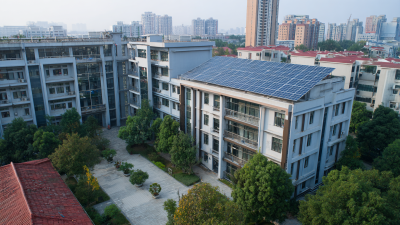
Lately, there’s been some pretty exciting progress in solar techthat's really shaking up how we think about energy. It’s like Solar Power is becoming more accessible and super efficient than ever before. For example, according to theInternational Renewable Energy Agency (IRENA), the world’s total solar capacity hit over 900 gigawatts back in 2020, and it’s expected to shoot past 2000 gigawatts by 2025—that’s a huge jump! A lot of this growth is thanks to clever innovations, like bifacial solar panels that can soak up sunlight from both sides—leading to a boost in energy production of up to around 30%. Pretty impressive, right?

And it doesn’t stop there. There’s also this cool thing happening with integrating solar power into smart grid systems. As the Solar Energy Industries Association (SEIA) points out, these smart grids help manage energy more efficiently, allowing us to store solar power and use it during those peak times when everyone’s using the most electricity. Plus, there’s been some buzz about perovskite solar cells—these are new types of panels that, in labs, are showing efficiency rates above 30%. If they can get to that point commercially, it could mean cheaper, more effective solar solutions down the line. Long story short, all these breakthroughs aren’t just helping cut down greenhouse gases—they’re also changing how we get and use energy every day. Looks like a sunny, solar-powered future is definitely on the horizon.
Revolutionary Developments in Wind Energy: A Greener Future
Wind energy has really taken off as a key player in our move towards a more sustainable future. Did you know that, according to the Global Wind Energy Council (GWEC), the world’s wind power capacity hit a massive 743 gigawatts in 2022? That’s up by about 10.4% from the year before—pretty impressive, right? This kind of growth isn’t just because more folks are investing; it’s also because technology is advancing so quickly, making wind power more efficient and cheaper. Thanks to cooler turbine designs and better energy storage tech, the cost of onshore wind has dropped a whopping 70% since 2009, turning it into one of the most competitive renewable options out there today.
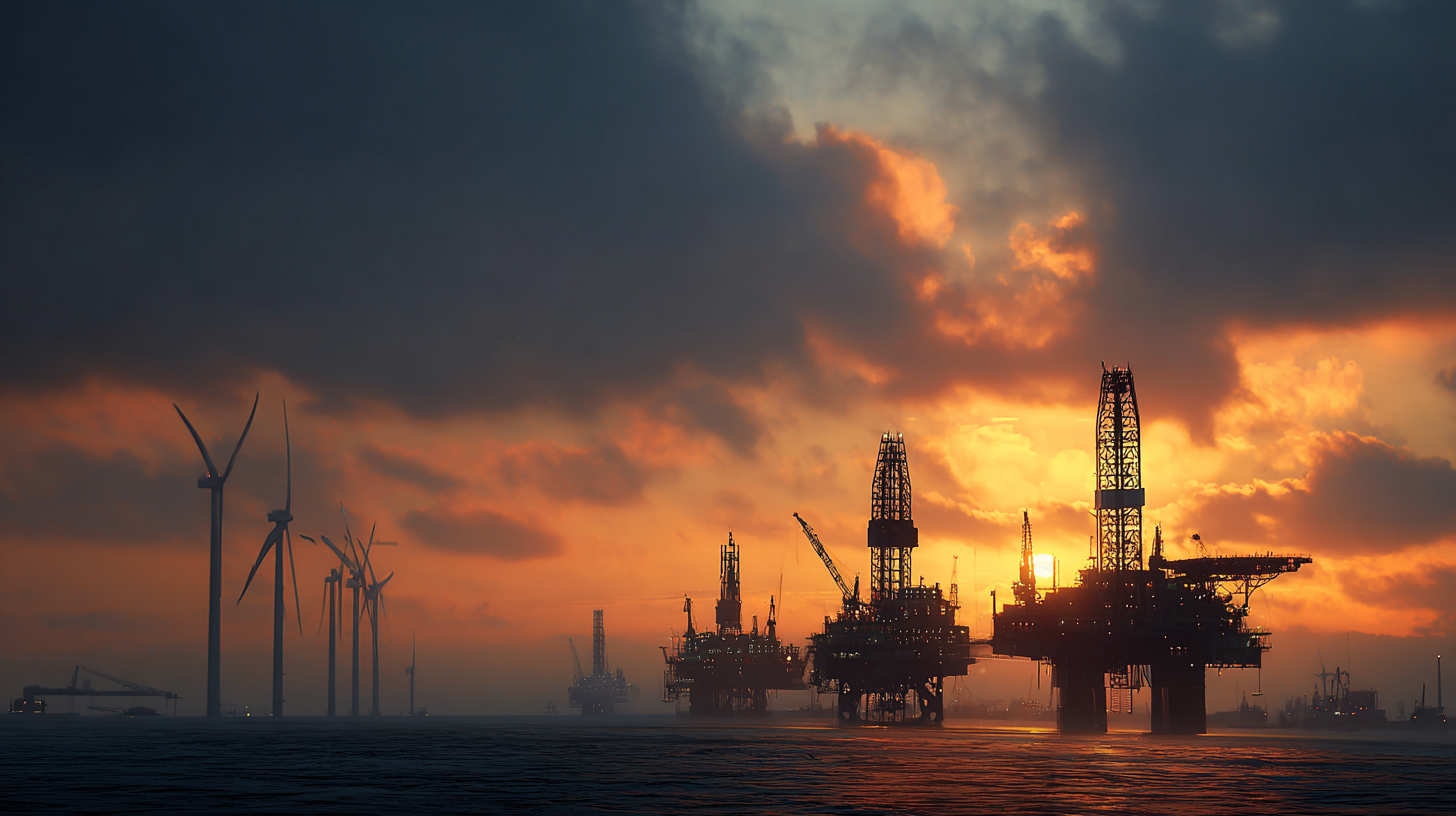
And it doesn’t stop on land—offshore wind energy is really making waves. For example, floating wind farms are getting a lot of attention because they can be placed in deeper waters where winds are even stronger and more reliable. According to IRENA, the International Renewable Energy Agency, offshore capacity could reach around 235 GW by 2030—huge jump from just 35 GW in 2020. These innovations don’t just boost our energy supply—they also mean a ton of new jobs. Some estimates suggest that the offshore wind industry could create up to 1.8 million jobs worldwide by 2030. Honestly, as we look ahead to alternative energy options, wind power really stands out as a crucial piece of the puzzle for a cleaner and more resilient energy system.
Revolutionary Developments in Wind Energy: A Greener Future
The Role of Energy Storage Solutions in Enhancing Renewable Energy
As the world shifts more and more towards renewable energy, you can't ignore how crucial energy storage solutions really are. I read in a report by the International Renewable Energy Agency (IRENA) that energy storage capacity is expected to jump from about 10 GW in 2019 to over 200 GW by 2030—pretty impressive, right? This kind of growth is super important for dealing with the pesky intermittency issues that come with solar and wind power. Basically, good storage systems can stash away excess energy when the sun's shining or the wind's blowing strong, then spit it out when people need it most, keeping the grid stable and reliable.

What's fueling all this? Well, advancements in battery tech, especially lithium-ion and solid-state batteries, are really pushing things forward. For example, the lithium-ion battery market alone is projected to hit $100 billion by 2025 (crazy, huh?). These innovations are making renewable energy not just more dependable, but also more accessible for everyone. Plus, there's some exciting stuff happening with new tech like flow batteries and compressed air energy storage that promise longer-lasting solutions. As more utilities and businesses jump on board with these new technologies, the efficiency of renewable energy generation gets a serious boost, paving the way for a greener, more resilient energy future.
Biofuels and Their Impact on Sustainable Transportation Options
You know, biofuels are really starting to make a name for themselves as a crucial part of more sustainable transportation. They're basically a renewable alternative to traditional fossil fuels, which is pretty exciting. I came across a report from the International Energy Agency (IEA) that said biofuels made up about 3.2% of all global transport fuels in 2020. And the best part? That number’s expected to grow quite a bit over the next few years. It’s a sign that governments and industries are really serious about cutting down greenhouse gases and pushing for cleaner energy sources. Also, some of the latest innovations in biofuel production—like those advanced biofuels derived from non-food sources—are really promising. They could give us better energy yields without messing with food supplies, which is a win-win.
If you’re thinking about using biofuels, it’s smart to look for options made from sustainable stuff—think agricultural waste or leftovers. And don’t forget to check if they’ve got the right certifications to make sure they’re environmentally friendly.
On top of that, newer types of biofuels—called second and third-generation—are showing some pretty impressive results. According to a recent study from the National Renewable Energy Laboratory (NREL), these advanced biofuels can slash greenhouse gas emissions by up to 80% over traditional gasoline, which is a huge deal. It clearly shows how important biofuels could be in making our transportation greener. Of course, to really push these technologies forward, close cooperation between governments, research centers, and private companies is key.
My tip? Stay updated on the latest in biofuel tech and policies—that way, you can make smarter choices when it comes to how you travel. And if you get involved with local initiatives or community projects focused on sustainability, you’ll be helping to support these cleaner options right where you live.
Exploring the Future of Alternative Energy: Innovations You Need to Know
| Biofuel Type | Source | Carbon Emission Reduction (%) | Energy Output (MJ/L) | Advantages | Challenges |
| Ethanol | Corn, Sugarcane | 30 - 50 | 26.8 | Widely available, Reduces reliance on fossil fuels | Food vs Fuel Debate, Land use concerns |
| Biodiesel | Vegetable Oils, Animal Fats | 40 - 90 | 37.3 | Biodegradable, Lower emissions | Higher production costs, Limited feedstock |
| Biogas | Organic Waste | 60 - 90 | 22.5 | Waste reduction, Renewable resource | Methane leakage, Infrastructure requirements |
| Ethanol from Cellulosic Biomass | Plant Residues, Non-food crops | 80 - 90 | 28.9 | Uses agricultural waste, High potential | High production costs, Technological challenges |
Emerging Trends in Geothermal Energy: Harnessing Earth's Heat
You know, geothermal energy is really starting to stand out as a pretty promising alternative when it comes to renewable sources. It often catches the eye of both innovators and investors eager to jump on the green bandwagon. Basically, by harnessing the Earth's natural heat, geothermal systems offer a kind of sustainable and efficient way to generate electricity and provide direct heating. And get this—recent breakthroughs in extraction tech, like enhanced geothermal systems (or EGS for short), have opened up a whole new world of possibilities. Regions that once seemed totally off-limits are now becoming viable spots for geothermal development, which is pretty exciting.
Lately, you’ll notice that the whole geothermal scene is shifting towards smarter tech and more sustainable practices. For example, new drilling methods and digital monitoring tools allow us to explore geothermal reservoirs more precisely and efficiently. Plus, combining geothermal with other renewables like solar or wind could give us hybrid solutions that are not only more reliable but also more efficient overall. As everyone becomes more concerned about climate change, the push for cleaner, greener energy sources is only going to get stronger, and geothermal energy looks like it’s going to be a key player in the part of the energy future that’s cleaner and more sustainable.
FAQS
: Recent advancements in solar technology include the development of bifacial solar panels, which capture sunlight from both sides to enhance energy production, and the integration of solar energy with smart grid technology for efficient energy distribution.
Bifacial solar panels can capture sunlight from both sides, potentially enhancing energy production by up to 30%.
Smart grid technology facilitates efficient management of energy distribution, allowing solar energy to be stored and utilized during peak demand periods.
The global solar capacity is projected to exceed 2000 GW by 2025.
Wind energy has seen significant advancements, such as innovative turbine designs and improved energy storage solutions, which have reduced costs by 70% since 2009, making wind power competitive.
The global capacity of offshore wind energy could reach 235 GW by 2030, with innovations like floating wind farms being deployed in deeper waters for better wind consistency.
Geothermal energy harnesses the Earth's internal heat for sustainable electricity generation and direct heating, using enhanced geothermal systems to broaden its geographical potential.
Trends in geothermal energy include smarter drilling techniques, digital monitoring for precise exploration, and the integration of geothermal systems with other renewable sources for hybrid energy solutions.
As concerns about climate change intensify, geothermal energy is expected to play an increasingly vital role in the global energy landscape due to its sustainable and efficient characteristics.
Conclusion
In today’s fast-changing world, it’s pretty clear that Alternative Energy has become more important than ever. As we face the serious challenges of climate change and rising energy demands, new innovations in solar technology are really helping to shake up how we use energy. At the same time, exciting advances in wind energy are pointing to a greener, more sustainable future. And let’s not forget about energy storage — it’s basically the backbone that helps us make the most of renewable sources. Plus, biofuels are making a real difference in offering sustainable ways to power our transportation. Oh, and geothermal energy? It’s a fascinating field that shows how we’re really committed to tapping into Earth’s natural heat to meet our energy needs.
Here at SUNFREE Lighting Technology Co., Ltd., we’re all about pushing the boundaries in Alternative Energy through our dedicated research and innovation. As a global leader in new energy applications, we’re passionate about designing and making solutions that promote a more sustainable future. By staying on top of these breakthroughs, we believe we can help create a cleaner, more efficient energy landscape—and maybe even have some fun along the way.