Leave Your Message
0%

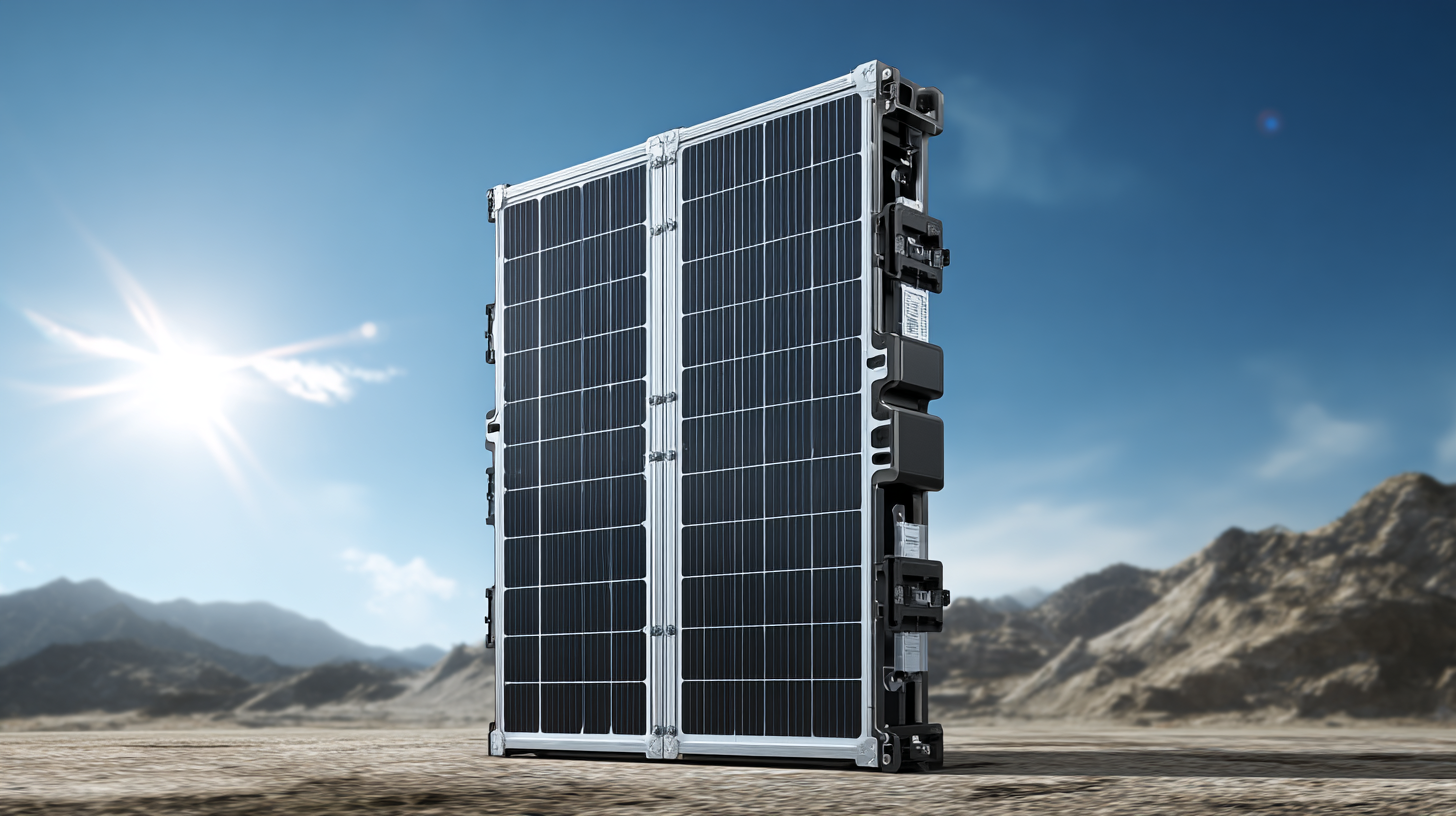
You know, the solar industry is really shaking things up these days! With the introduction of Vertical Pv Modules, we're on the brink of totally transforming how we tap into solar energy. A recent report from BloombergNEF suggests that by 2025, the global solar market could hit an installed capacity of 3,000 GW. Pretty wild, right? And what's cool is that vertical solar installations are starting to gain traction—mostly because they save space and work better in different weather conditions. Companies like SUNFREE Lighting Technology Co., Ltd. are leading the charge on this front. They specialize in new energy applications and are using their top-notch design and manufacturing skills to roll out some quality vertical PV modules. This whole shift isn’t just about cleaner energy; it’s part of a bigger global push for sustainable practices. It’s interesting to think about how “Chinese manufacturing, shared globally, is a trusted quality.”As we dive into the best Vertical PV Modules out there, it’s clear: the future of Solar Power will definitely rely oninnovation and trustworthiness.
Unveiling the Future: Best Vertical PV Modules Shaping the Solar Landscape by 2025

Advantages of Vertical PV Modules Over Traditional Designs in Urban Settings

You know, vertical PV modulesare really shaking things up when it comes to urban living. They’re this awesome way to mesh Renewable Energy generation with the tight space issues we often face in crowded cities. Instead of those traditional horizontal panels, these vertical setups take advantage of building facades and other upright surfaces. It’s like they’re making the most of the sunlight without hogging up precious ground space! This is super handy in bustling cities where roof space can be a bit of a luxury or already filled with other stuff!

One of the coolest perks of vertical PV modules is how they help tackle the urban heat island effect. By sticking solar panels upright on buildings, they can actually cool down the surrounding area while boosting energy efficiency. Plus, let’s be real, these modules can really jazz up the look of urban buildings, turning bland facades into attractive, solar-friendly surfaces that fit right in with today’s architecture.

Tip 1: If you’re thinking about going for vertical PV installation, don’t forget to check out your building’s orientation and any shading factors. You want to make sure those panels get the most sunlight all day long.

Tip 2: Have you considered mixing in some vertical farming with those vertical PV modules? It’s a fantastic way to create a space that not only churns out clean energy but also aids in local food production. Talk about enhancing urban sustainability!

Comparative Analysis of Bifacial vs. Monofacial Vertical PV Modules for Energy Output

You know, bifacial vertical solar panels are really catching people’s eye these days as a solid alternative to the old-school monofacial ones, especially when it comes to how much energy they crank out. One of the coolest things about bifacial tech is that it can soak up sunlight from both the front and back — pretty neat, right? This means these panels can boost energy yield by as much as 22.6% when compared to regular systems, particularly when you fine-tune them for certain climates and how you mount them. In Europe, for example, agrivoltaic setups using these vertically mounted bifacial panels have shown some really promising results. They’re great at generating energy while still letting farmers use the land for growing crops.

Unveiling the Future: Best Vertical PV Modules Shaping the Solar Landscape by 2025

There are some innovative projects popping up that use vertical bifacial PV modules, like floating solar farms, showcasing just how flexible and effective they can be in capturing energy. Research shows that positioning them on a north-south axis can really help with those times when the electricity demand doesn’t quite match the solar output — especially in places where the sunlight intensity changes a lot. Plus, a deep dive into vertical bifacial systems in the UK shows that these installations not only amp up the overall system efficiency but also add some much-needed stability to energy supply, especially in urban areas. Looks like we could be on track for a booming solar scene by 2025!

Key Industry Trends Driving the Adoption of Vertical PV Technology by 2025

You know, by 2025, we're really going to see vertical PV technology shake things up in the solar world, and it’s all thanks to some pretty interesting trends in the industry. One major driver here is the growing need for smart energy solutions that don’t take up a ton of space. With more people moving to cities, the classic solar panel setups are just running out of room. That’s where vertical PV modules come into play; they fit right onto buildings and walls, squeezing out every bit of sunlight in those cramped urban spaces. This is such an exciting development because it doesn’t just make solar energy more convenient for folks, but it also turns our buildings into little energy powerhouses.

Now, if you're thinking about getting on board with vertical PV technology, a big tip is to really focus on where you position your system to catch as much sunlight as possible. You’ll want to take a good look at how your building is oriented and pay attention to any shading patterns that might be a factor. And hey, using advanced materials like bifacial panels can really take your energy efficiency up a notch since they can grab sunlight from both sides.

Another cool trend that’s boosting vertical PV modules is how much people are caring about sustainability and good looks. These days, it’s all about making choices that not only help the planet but also look great. Vertical panels have that sleek modern vibe that can really enhance the appearance of a property while also working towards energy independence. If aesthetics are important to you (and let’s be real, they usually are), check out options for customizing colors and designs so they fit in effortlessly with the style of your building.

Discussion on Cost-Effectiveness and Return on Investment for Vertical PV Systems

You know, as the solar energy market keeps changing, we're seeing more and more interest in vertical photovoltaic (PV) systems. They’re becoming a big deal, especially because they're looking pretty cost-effective and offer a good return on investment. I came across this report from the International Renewable Energy Agency (IRENA), which mentioned that the price of solar PV systems has actually dropped over 80% since 2010! That’s really something. It looks like this trend is really going to push more folks to go for vertical installations, especially in urban areas where space is tight.

Sure, the upfront cost of vertical PV systems might be a bit steeper, but in the long run, many businesses and homeowners might find them worth it because of the returns they could see over time.

Just a quick tip: When you're thinking about a vertical PV system, take a good look at the long-term benefits compared to the initial costs. Doing a life-cycle cost analysis can really help you figure out savings on energy bills, maintenance, and any tax incentives that might boost your ROI.

Plus, there’s this cool study from the U.S. Department of Energy that says vertical PV installations could produce up to 25% more energy in urban places than traditional horizontal ones—thanks to capturing sunlight from multiple directions! That’s not just good for your investment; it also helps with those sustainability goals in bustling cities.

Another tip: Before you jump into installation, check out the local sunlight patterns and how your building faces. Using some advanced forecasting tools can really help you find the best orientation for your vertical system to maximize energy generation.

Innovations in Vertical PV Module Materials Enhancing Efficiency and Durability

Hey there! So, as we’re seeing the world make a big pivot towards sustainable energy, the vertical photovoltaic (PV) module market is really set to change the game for solar energy by 2025. You know, there’s a ton of exciting stuff happening with new materials that are taking center stage in this shift, making vertical PV modules more efficient and tough than ever. Manufacturers are now using some pretty cool tech, like bifacial solar cells and high-tech coatings, to boost how much sunlight they snag and resist all sorts of weather. This means we're not only tackling those pesky space problems in cities but also encouraging more people to hop on the solar bandwagon.

Now, if we talk about the big players in this space, SUNFREE Lighting Technology Co., Ltd. really shines as a leader. They're all about pushing the envelope with their research and development efforts. Their focus on new energy applications is helping them create vertical PV modules that really deliver on performance. With a solid grasp of material science and engineering, you can count on SUNFREE's products to not just meet but totally blow away expectations for efficiency and durability in solar tech. As the appetite for fresh energy solutions keeps growing, companies like SUNFREE are absolutely key in steering us towards a greener future in solar energy!

Unveiling the Future: Best Vertical PV Modules Shaping the Solar Landscape by 2025

FAQS

: What are the primary advantages of vertical PV modules in urban environments?

: Vertical PV modules maximize sunlight capture without occupying ground space, help mitigate the urban heat island effect, and enhance the aesthetic appeal of buildings by integrating renewable energy generation into their facades.

How do vertical PV modules contribute to urban sustainability?

They can be combined with vertical farming, creating multifunctional spaces that produce clean energy and support local food production, enhancing urban sustainability.

What is the difference between bifacial and monofacial vertical PV modules?

Bifacial vertical PV modules capture sunlight on both sides, resulting in up to 22.6% higher energy yield compared to conventional monofacial systems, especially when optimized for specific conditions.

How have innovative vertical bifacial PV modules been utilized in projects?

They have been used in floating photovoltaic systems and optimized for a north-south axis, addressing electricity demand mismatches in various solar intensity regions.

What materials are improving the efficiency of vertical PV modules?

Innovations include bifacial solar cells and advanced coatings that enhance light absorption and weather resistance, leading to increased energy yield and durability.

Which company is leading advancements in vertical PV module technology?

SUNFREE Lighting Technology Co., Ltd. is at the forefront, focusing on research and development to create high-performance vertical PV modules that meet modern energy demands.

What tips should be considered when installing vertical PV modules?

Evaluate the building's orientation and shading elements to ensure maximum sunlight exposure throughout the day for optimal performance.

What is the expected impact of vertical PV modules by 2025?

The vertical PV module market is anticipated to revolutionize solar energy harnessing, significantly contributing to urban energy landscapes and sustainability efforts.
Sophia

Sophia

Sophia is a dedicated marketing professional at Zhongshan Sanhui Lighting Technology Co., Ltd., where she leverages her expertise to elevate the company's brand presence. With a deep understanding of the lighting industry, she excels in showcasing the innovative products that Sanhui offers. Her......
Previous Unlocking Smart City Solutions Top Tips for Sourcing Quality Suppliers