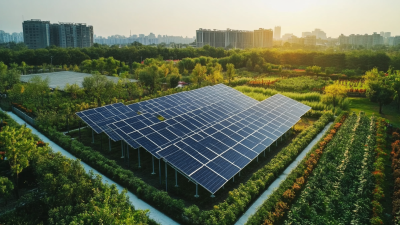
In recent years, the urgency of addressing Forest Fire Detection has become increasingly paramount, with the Global Fire Watch report projecting that global wildfires could increase by up to 30% by 2025 due to climate change and urban expansion. As the impact of wildfires continues to threaten ecosystems and human life, innovations in forest fire detection technologies are essential. Leading companies like SUNFREE Lighting Technology Co., Ltd. are at the forefront of this evolution, leveraging their expertise in new energy applications to design and produce advanced detection systems. With significant investments in research and development, the industry is poised for breakthroughs that could revolutionize how forest fires are monitored and mitigated, ensuring timely responses and enhancing safety measures. This blog aims to explore the best innovations in forest fire detection by 2025 and guide readers on how to find quality suppliers in this critical sector.
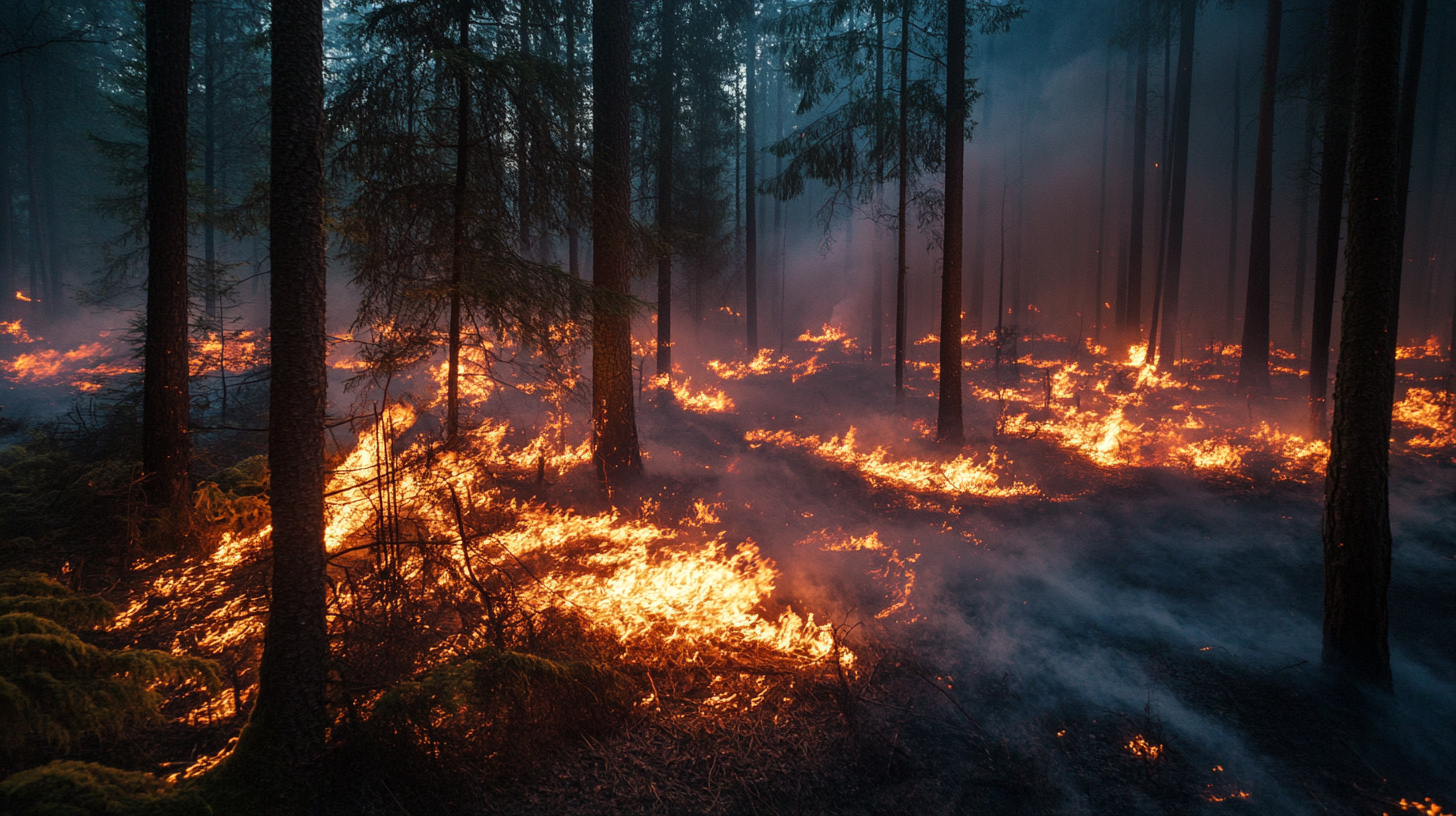
Innovative Technologies Shaping Forest Fire Detection by 2025
As we move toward 2025, innovative technologies are crucial in transforming forest fire detection and management. The rise of next-generation satellites and advanced sensors aims to expedite wildfire responses significantly. Recent developments highlight the urgency of these innovations, particularly during critical times, such as the devastating fires in Los Angeles earlier this year. Companies are actively leveraging AI to enhance wildfire detection capabilities, with reports indicating that AI-driven solutions can increase detection accuracy by up to 95%, providing first responders with timely and actionable intelligence.
Additionally, emerging tools like the ultra-early wildfire detection systems from leading firms are proving instrumental for real-time management and prevention strategies. These systems utilize Internet of Things (IoT) technology to enable early warnings and facilitate better resource allocation during fire events. A notable example includes the deployment of an AI-powered chatbot in California, offering essential wildfire resources in multiple languages, thus broadening community engagement and awareness.
Tips: When considering wildfire prevention technologies, prioritize solutions that integrate real-time data analytics and community-oriented resources. Collaborating with local authorities can also enhance the effectiveness of these innovations, ensuring timely responses to emerging threats. Leveraging advancements in AI and IoT can make a significant difference in safeguarding environments from devastating wildfires.
The Role of AI and Machine Learning in Enhancing Fire Detection Systems
As wildfires continue to pose a significant threat to ecosystems and communities worldwide, the adoption of AI and machine learning technologies is reshaping fire detection systems for enhanced effectiveness. According to a recent report from MarketsandMarkets, the global wildfire detection market is expected to reach $7.42 billion by 2025, fueled by advancements in predictive analytics and real-time monitoring capabilities. AI algorithms can analyze vast datasets from various sources, enabling early detection and quicker response times, which is crucial in mitigating the devastating impacts of forest fires.
To optimize the use of AI in fire detection, organizations should consider implementing smart sensor networks that can continuously gather and process data on environmental conditions. These sensors can identify anomalies, such as sudden temperature increases or unusual smoke patterns, and alert authorities immediately. A tip for enhancing detection capabilities is to integrate satellite imagery and drone technology with AI systems, allowing for comprehensive aerial surveillance and improving situational awareness during fire incidents.
Moreover, training machine learning models on historical wildfire data enhances prediction accuracy, helping to identify at-risk areas more effectively. For organizations looking to invest in fire detection innovation, consider prioritizing systems that incorporate adaptive learning mechanisms, ensuring that models can evolve with changing environmental patterns and urban development. This proactive approach can significantly minimize response times and enhance community resilience against forest fires.
Global Trends in Remote Sensing for Early Fire Detection
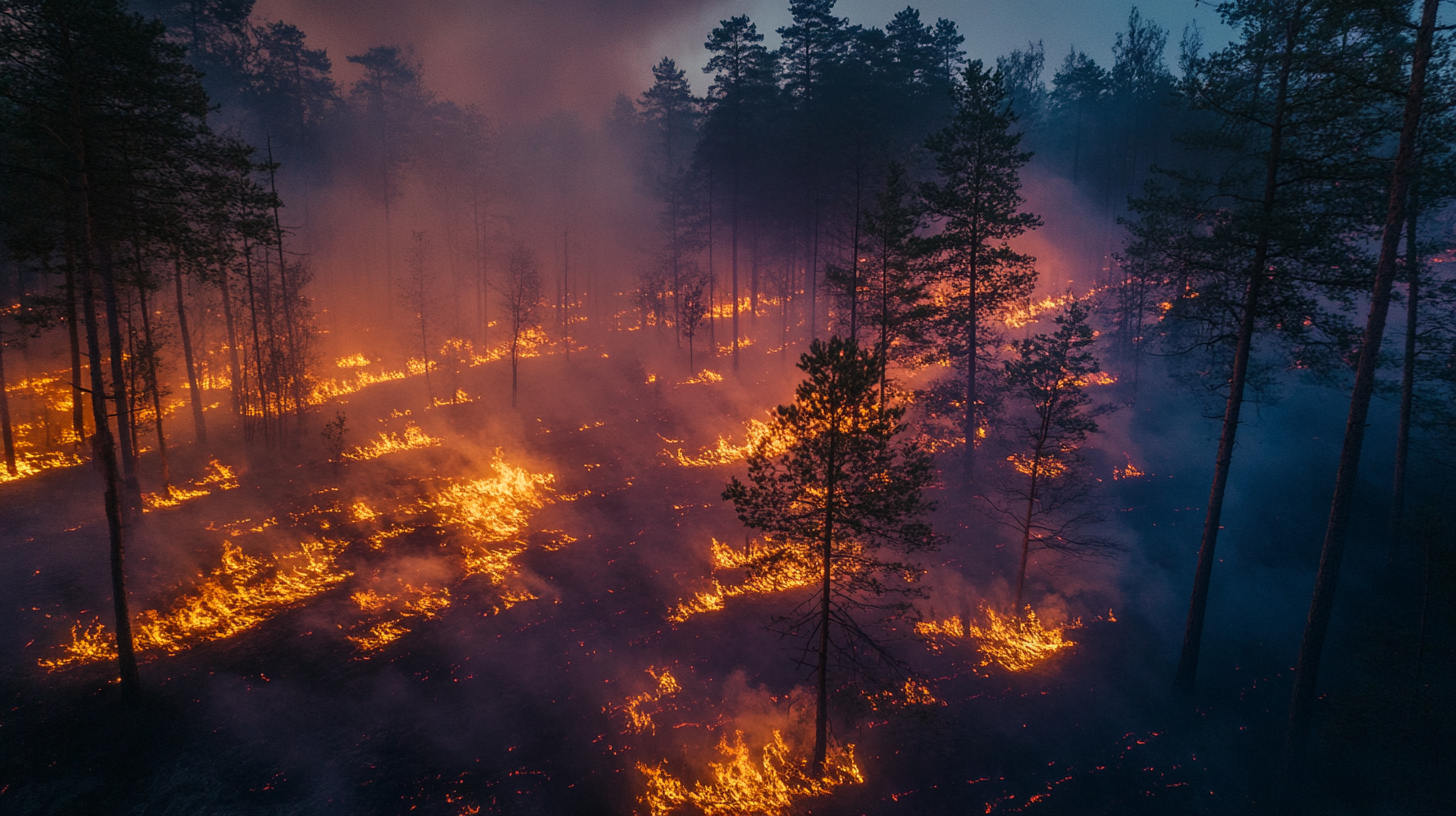 As wildfires become more frequent and devastating due to climate change, innovative technologies for early detection are gaining unprecedented importance. Remote sensing has emerged as a pivotal solution, allowing for the monitoring of fire-prone areas from a distance. Utilizing satellites, drones, and aerial imaging, remote sensing technologies can capture real-time data, enabling quicker responses to potential fire outbreaks. The ability to detect thermal anomalies and smoke plumes from space not only enhances the accuracy of predictions but also helps in resource allocation for firefighting efforts.
Moreover, advancements in machine learning and artificial intelligence are revolutionizing the analysis of remote sensing data. By employing sophisticated algorithms, these technologies can identify patterns and predict fire risks based on historical data and current environmental conditions. The integration of remote sensing with geographic information systems (GIS) further enables authorities to visualize risk zones and prioritize areas that require immediate attention. As we move towards 2025, these innovations will play a critical role in shaping global strategies for forest fire management, enhancing our ability to protect both ecosystems and communities.
Integrating IoT Solutions for Real-Time Forest Fire Monitoring
The growing threat of forest fires necessitates innovative solutions for real-time monitoring, a need that can be effectively addressed through the integration of IoT technologies. As highlighted in various industry reports, the deployment of low-cost, high-performance sensors using NB-IoT technology offers a promising pathway for enhancing forest fire detection capabilities. This technology enables seamless data collection and analysis, providing crucial insights into environmental changes that could indicate fire risks. In regions like Northern California, which recently faced destructive wildfires, these IoT solutions can play a critical role in preventive measures and rapid response.
Recent advancements in AI and IoT are redefining forest fire management. For instance, the California Forestry and Fire Protection agency has initiated a project employing AI technology, leveraging over a thousand interconnected cameras to detect irregularities in forest conditions. The utilization of such sophisticated technology not only facilitates timely warnings but also enables a proactive approach to wildfire prevention. The synergy between AI and IoT, often referred to as AIoT, signifies a substantial leap toward safeguarding natural resources and communities from the impending danger of forest fires. As these technologies evolve, their integration will become increasingly essential in forest management strategies, making real-time monitoring more feasible and effective.
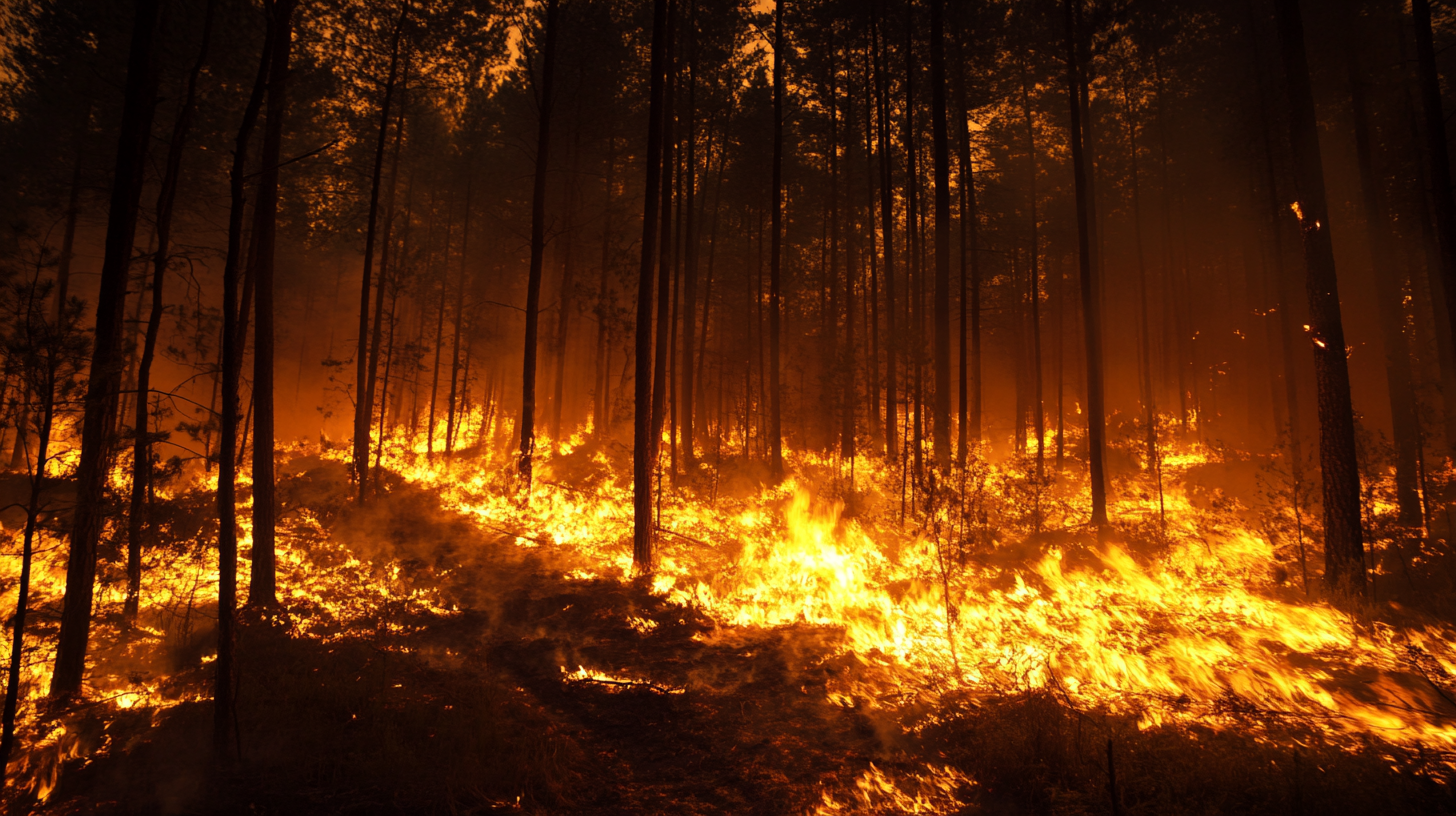
Case Studies: Successful Implementations of Fire Detection Innovations
The rapid advancement of technology has given rise to innovative solutions in forest fire detection, significantly enhancing our ability to combat this ever-pressing challenge. Numerous case studies illustrate successful implementations that have not only mitigated damage but also saved lives. For instance, a notable project in California employed a network of drones equipped with thermal imaging cameras. By conducting regular aerial surveys, these drones were able to detect hotspots before they escalated into widespread fires, allowing for timely interventions.
Another impressive case comes from Australia, where a remote sensor system was deployed across vast bushland areas. These sensors monitored environmental conditions, such as temperature and humidity, to provide real-time data on fire risk levels. The integration of artificial intelligence enabled predictive analytics, allowing authorities to anticipate potential fire outbreaks and allocate resources more effectively. Such implementations not only demonstrate the effectiveness of technology in fire detection but also highlight the importance of collaboration among government agencies, technology providers, and local communities to foster a safer environment.
Global Market Insights on Best Forest Fire Detection Innovations by 2025
| Innovation Type | Description | Implementation Region | Year of Implementation | Effectiveness (%) |
| Remote Sensing Technology | Utilizes satellite imagery to detect and monitor fire risk areas. | California, USA | 2022 | 85 |
| IoT Sensors | Deploys Internet of Things (IoT) sensors for real-time monitoring of environmental conditions. | Australia | 2023 | 90 |
| Drones | Employs drones equipped with thermal imaging cameras to locate hotspots. | Greece | 2023 | 80 |
| Artificial Intelligence | Uses AI algorithms to analyze data and predict fire outbreaks. | Canada | 2024 | 95 |
| Mobile Applications | Apps that provide fire alerts and safety guidelines to users. | Portugal | 2025 | 75 |
Future Prospects: What’s Next in Forest Fire Detection Technologies?
The landscape of forest fire detection technologies is evolving rapidly, driven by advancements in sensor technologies, artificial intelligence (AI), and satellite monitoring systems. According to a recent report by MarketsandMarkets, the global forest fire detection market is projected to grow from $2.15 billion in 2020 to $4.78 billion by 2025, highlighting a strong emphasis on innovative solutions. These technologies are not only pivotal for early detection but also play a crucial role in minimizing environmental degradation and protecting wildlife habitats.
As we look toward the future, the integration of IoT (Internet of Things) and machine learning will likely become the backbone of forest fire detection systems. The European Space Agency (ESA) has already begun deploying advanced satellite-based technologies that utilize AI algorithms to detect smoke and temperature changes in forested areas. By 2025, we can expect even more sophisticated systems that can analyze vast amounts of data in real-time, significantly improving response times and resource allocation. Additionally, advancements in drone technology will enable rapid aerial surveys, improving situational awareness for firefighting teams on the ground. This convergence of technology will be critical as we seek to enhance forest fire resilience amid increasing climate variability.
FAQS
: Remote sensing enables monitoring of fire-prone areas from a distance, capturing real-time data that allows for quicker responses to potential fire outbreaks.
Machine learning and AI enhance the analysis of remote sensing data by identifying patterns and predicting fire risks based on historical data and current environmental conditions.
Geographic Information Systems (GIS) help visualize risk zones and prioritize areas for immediate attention, improving overall fire management strategies.
The global forest fire detection market is projected to grow from $2.15 billion in 2020 to $4.78 billion by 2025.
The integration of IoT and machine learning will likely become the backbone of fire detection systems, enabling real-time data analysis and improved response processes.
The ESA is deploying advanced satellite-based technologies that utilize AI algorithms to detect smoke and temperature changes in forested areas.
Advancements in drone technology can facilitate rapid aerial surveys, which improve situational awareness for firefighting teams on the ground.
Detecting thermal anomalies helps enhance the accuracy of fire predictions and assists in effective resource allocation for firefighting efforts.
Remote sensing plays a crucial role in minimizing environmental degradation and protecting wildlife habitats through early detection and targeted response efforts.
By 2025, we can anticipate more sophisticated fire detection systems that analyze vast amounts of data in real-time, improving response times and resource allocation amidst climate variability.