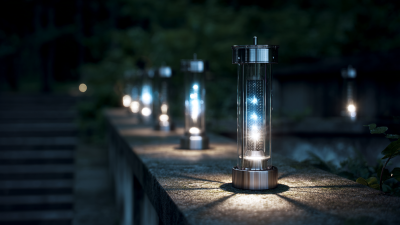
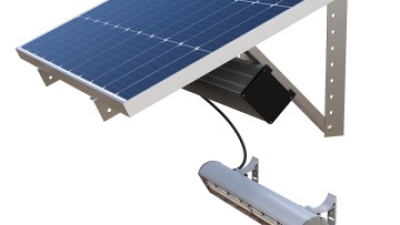
When you're looking to amp up the beautyand usefulness of your outdoor spaces, Solar Lamps really stand out as apretty awesome option. As John Smith, a well-known expert in garden lighting and the founder of Bright Solar Designs, says, 'Solar lamps don’t just light up your garden—they also help build a sustainable future, blending style with eco-friendliness.' With more and more folks hopping on the solar-powered lighting bandwagon, it’s no surprise that homeowners are turning to these clever fixtures to create magical outdoor spots while keeping their carbon footprint in check.
Figuring out which solar lamps are best for your garden can feel overwhelming with all the choices out there. Things like how bright they are, their style, and how energy-efficient they are all matter when you’re trying to set the right mood and get the most out of your lights. In this handy guide, we’re gonna dive into the different kinds of solar lamps, toss in some practical tips for picking the right ones, and show you how they can totally transform your yard into a cozy, stunning retreat once the sun goes down. Whether you want a charming walkway, a classy patio, or a lively garden, knowing what’s out there will help you light up your outdoor space beautifully and responsibly.
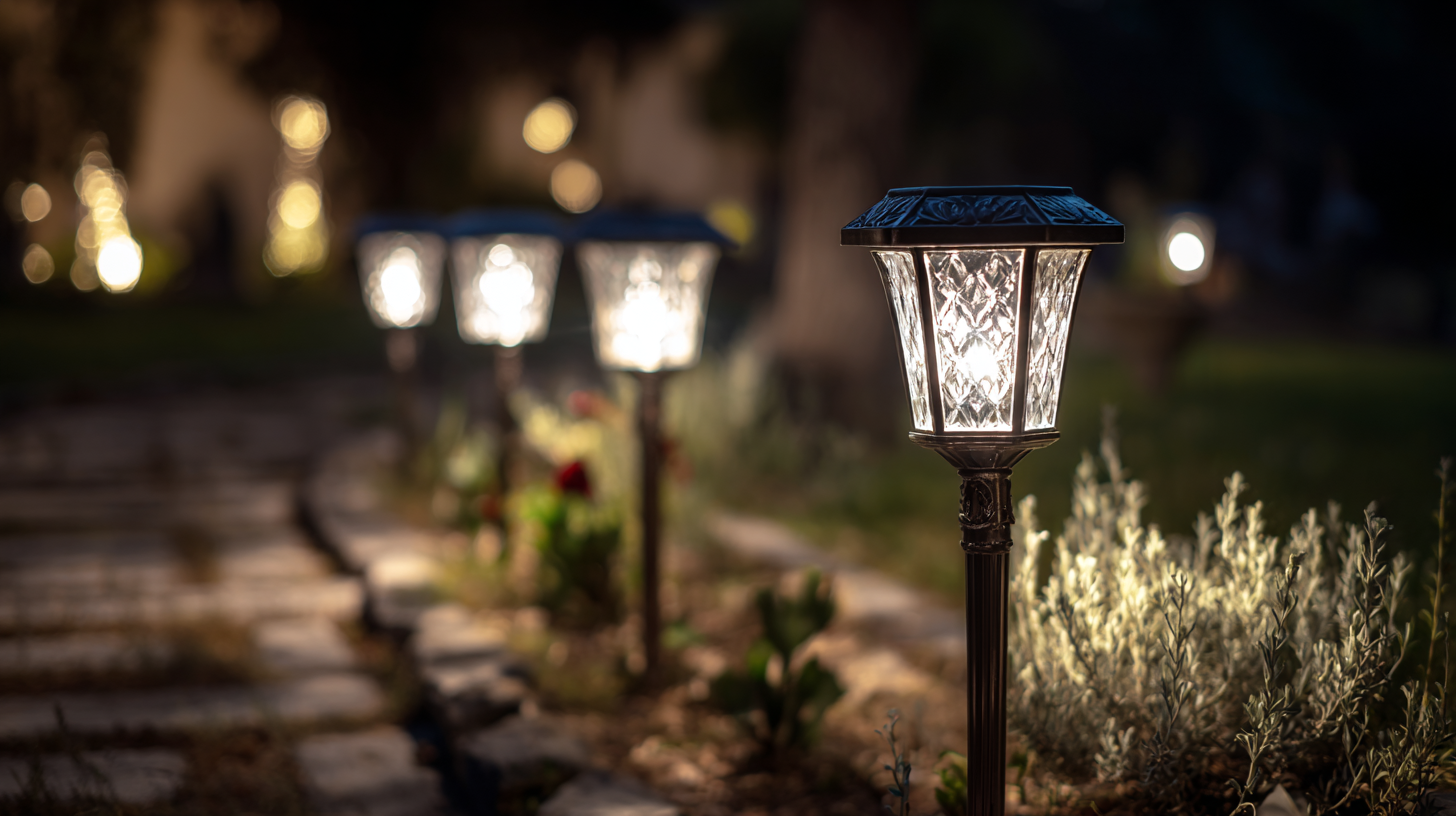
Selecting Solar Lamps Based on Energy Efficiency Ratings and Performance Metrics
Whenever you're picking out solar lights for your garden, it's really helpful to get a feel for how energy-efficient they are and what kind of performanceyou can expect. The U.S. Department of Energy actually points out that using energy-efficient solar lamps can cut your Outdoor Lighting costs by up to70% compared to the old-school outdoor lights. That's a pretty big deal! Not only does that save you some bucks, but it also helps reduce your carbon footprint, so solar lamps are pretty much a win for the environment.
When you're shopping around, don’t forget to check out the lumen output—that’s basically how bright the light will be. According to the Solar Energy Industries Association (SEIA), a good solar lamp should give you at least 100 lumensto really light up your space effectively. Oh, and it’s worth considering how good the solar panel and Battery are. The better panels can turn up to22% of sunlight into usable energy, and top-notch lithium-ion batteries last longer and charge faster, which means your lights stay bright longer and come on quick at night. By paying attention to these details, you’ll be able to pick solar lamps that not only make your garden look lovely but also work efficiently and last longer—winning all around.
Understanding Solar Panel Types and Their Impact on Lamp Performance
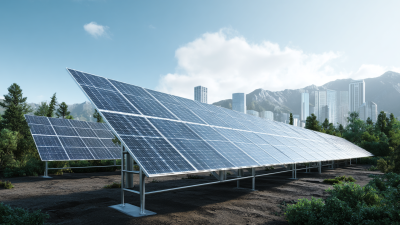
Thinking about adding solar lamps to your garden? One thing you definitely want to get a grip on is the type of solar panels they use. Basically, there are two main kinds: monocrystalline and polycrystalline. Monocrystalline panels are made from a single crystal, which makes them super efficient and great at performing even when the light isn’t all that bright. Polycrystalline panels, on the other hand, are made from multiple crystals—they’re usually cheaper and work fine if your garden gets plenty of sun, but they might struggle a bit in shadier spots.
Here’s a quick tip: Take a good look at how much sunlight your garden gets during the day. If it’s pretty much sunlight all day, polycrystalline lamps can save you a few bucks. But if your garden has those shaded corners, going for monocrystalline might be the smarter choice because they’ll last longer and work better in less-than-ideal sunlight.
But wait, it’s not just about the panels—your battery makes a big difference too. A high-quality battery can store enough energy to keep your garden lit up even on cloudy days. So, definitely check out the battery specs before you buy. For some added peace of mind, go for lamps with lithium-ion batteries—they tend to last longer and hold a charge better than the old-school lead-acid ones.
And don’t forget—reading customer reviews can give you a real sense of how well these lamps perform in real life, which is honestly super helpful before making a final decision.
Illuminate Your Garden: The Ultimate Guide to Choosing the Best Solar Lamps
| Lamp Model | Solar Panel Type | Lumen Output | Battery Type | Runtime (Hours) | Water Resistance |
| Model A | Monocrystalline | 300 Lumen | Li-ion | 8-10 Hours | IP65 |
| Model B | Polycrystalline | 200 Lumen | NiMH | 6-8 Hours | IP66 |
| Model C | Amorphous | 150 Lumen | Lead Acid | 4-6 Hours | IP54 |
| Model D | Bifacial | 350 Lumen | Li-ion | 10-12 Hours | IP67 |
Evaluating Brightness Levels: Lumen Output and its Importance in Garden Lighting
When you're picking out solar lights for your garden, understanding how much light they give off—what we call lumen output—is actually pretty important. Basically, lumen measures the total visible light a source produces, and it’s a key factor in figuring out how well your outdoor space will be lit up. Usually, lights with higher lumens are gonna be brighter, which not only looks better but also makes your garden safer at night. For example, those pathway lights don’t really need to be super bright—something around 50 to 100 lumens usually does the trick. But if you're lighting up a big area like a patio or want some extra security, you might want to go for 200 lumens or even more.
Also, think about how the light spreads across your yard. You want a pretty even glow so you don’t end up with dark spots that can feel a little off-putting. Plus, it’s a good idea to consider your garden’s size and what you’re actually using the lights for—whether it's relaxing outside, entertaining friends, or highlighting certain features. Taking the time to check out the lumen recommendations will help you pick solar lamps that not only light up your space nicely but also make the whole garden feel cozier and more inviting.
Assessing Durability and Weather Resistance of Solar Lamps for Longevity
When you're choosing solar lamps for your garden, it's super important to think about how durable and weather-resistant they are — after all, you want them to last, right? A good quality solar lamp should be tough enough to handle whatever Mother Nature throws at it, whether it's rain, snow, or scorching sun. Things like reinforced plastic, tempered glass, and rust-proof metals really help make these lamps last longer. Don’t forget to check out the IP rating — the higher it is, the better protected your lamps will be against dust and water, making them perfect for outdoor use.
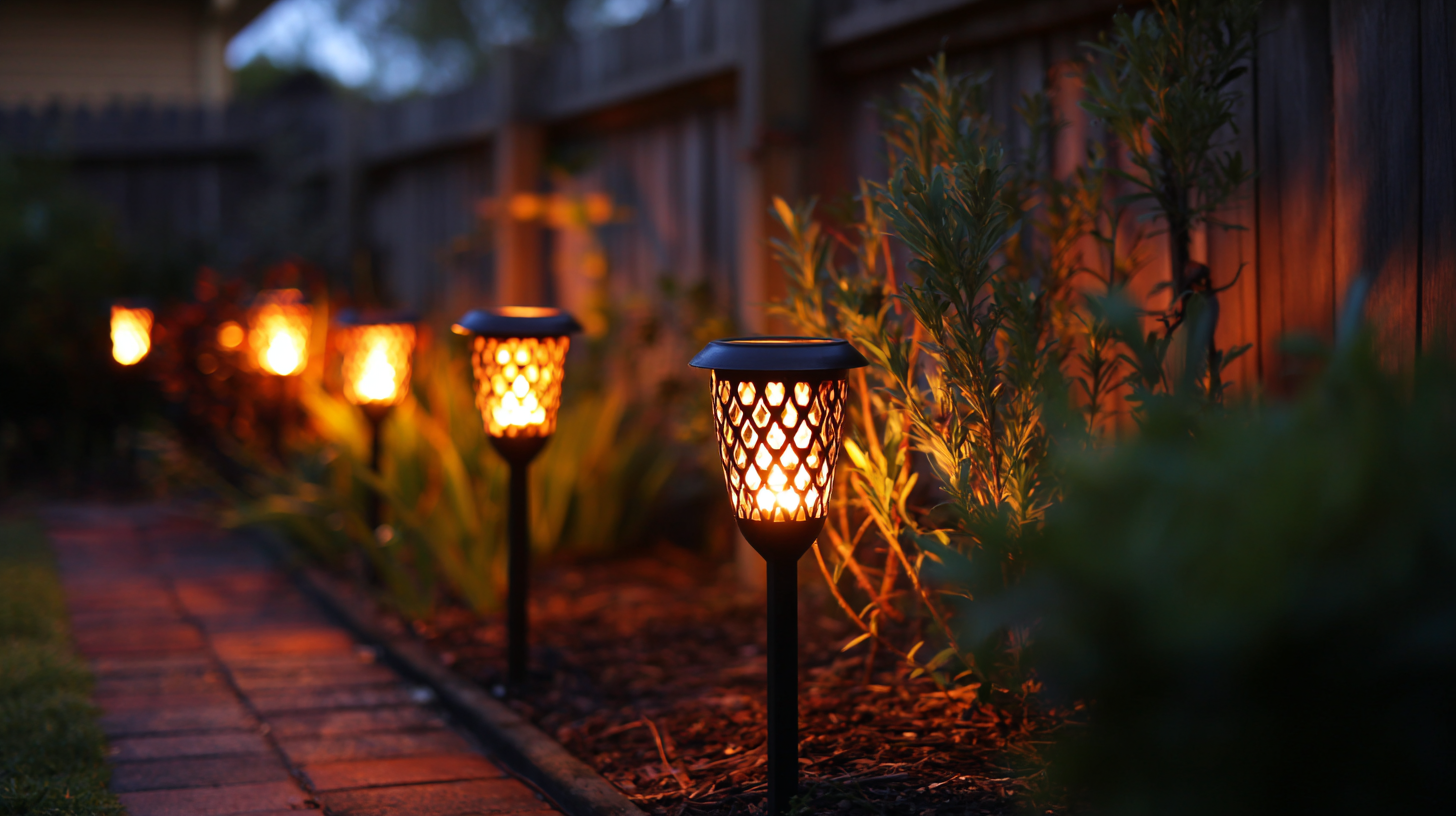
At SUNFREE Lighting Technology Co., Ltd., we totally get how crucial longevity is when it comes to solar lighting. We’re always investing in research and development to make sure our solar lamps not only look great and add some charm to your garden but also stand up to tough weather. By focusing on high-quality materials and smart design, we make sure our lamps will brighten up your yard reliably for years — helping you light up your garden in a beautiful and eco-friendly way.
Exploring Smart Features in Solar Lamps: Automation and Control Options
When you're picking out solar lanterns for your garden, it pays to look into their smarter features — you know, the ones that make your life a lot easier and your garden look even cooler. A lot of these modern lights come with handy automation stuff, like dusk-to-dawn sensors that turn the lights on when the sun sets and switch them off at sunrise. It’s pretty awesome because it saves energy, and honestly, you don’t have to think about flipping switches every night. Plus, you can set timers to match your schedule, giving you more control over how your outdoor space looks and feels.
And here’s the cool part: some solar lamps can be controlled remotely. A bunch of models even hook up with smart home systems, so you can manage your garden lights straight from your phone or just by chatting with your voice assistant — easy peasy! It lets you tweak the brightness, pick different lighting modes, and even set up fun lighting scenes for cozy nights or parties. Getting into these tech features not only helps your solar lamps work better, but it also turns your garden into this lovely, personalized haven that’s perfect for relaxing or entertaining — all tailored to how you want it to be.
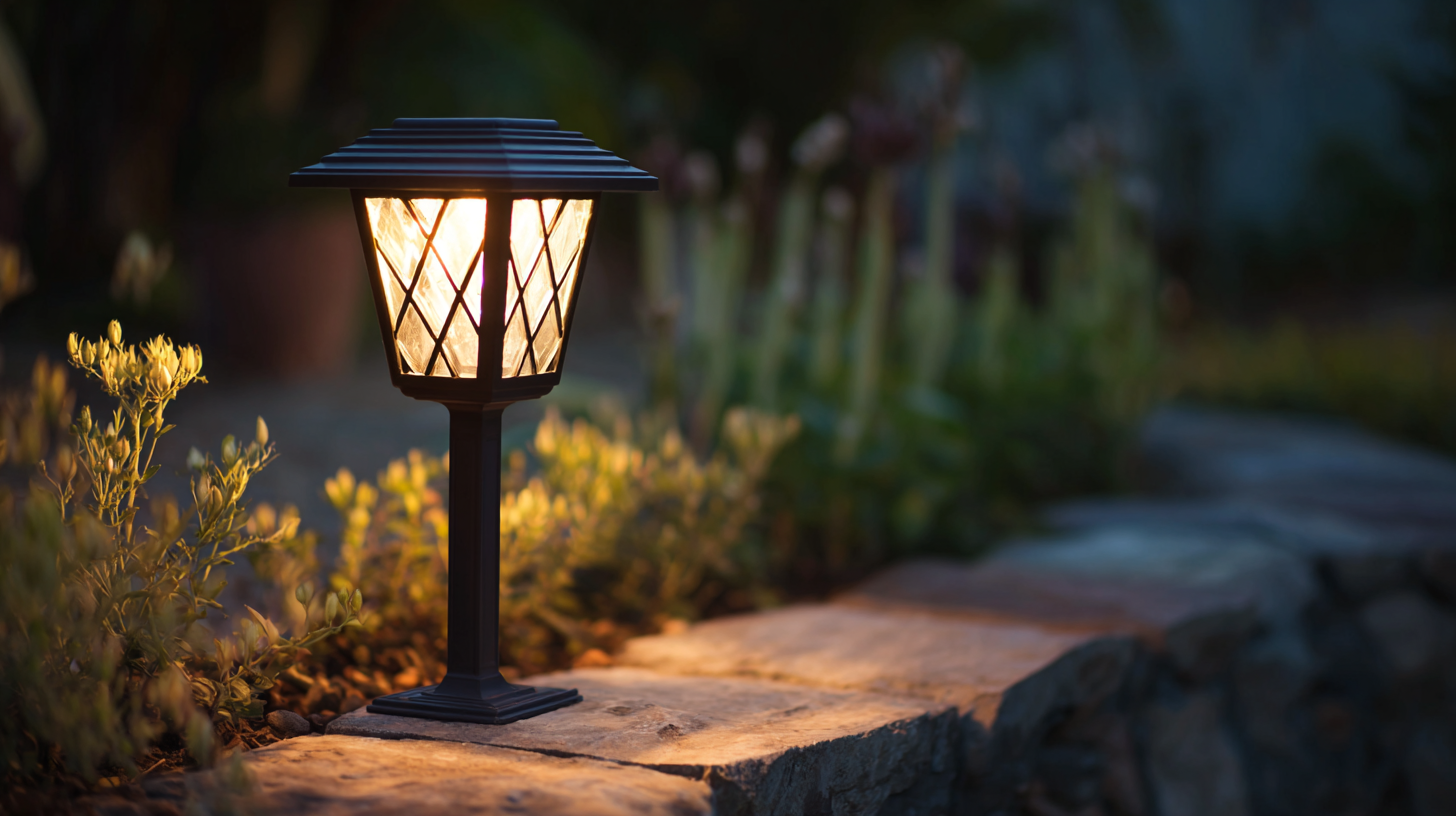
Cost-Benefit Analysis: Initial Investment Versus Long-Term Savings on Energy Bills
Thinking about putting some solar lamps in your garden? It's definitely worth doing a bit of a cost-benefit check before you dive in. The upfront price for these lights can really vary — usually between $20 and $100 per lamp, depending on the brand and features you pick. So, yeah, they’re not all the same price! The good news? According to the U.S. Department of Energy, sticking with traditional outdoor lighting can cost you around 63 bucks a year just in electricity. Switch to solar, though, and you not only cut that recurring cost, but you also tap into renewable energy — which means big savings on your electric bills over time.
And get this: industry research from the Solar Energy Industries Association (SEIA) shows homeowners could save anywhere from $200 to $500 over the lifetime of solar lamps, which can last up to 25 years with pretty much minimal upkeep. Sure, the initial expense might seem a bit intimidating at first glance, but thinking long-term makes it worth it — lower energy bills, plus you’re doing your part for the environment. Plus, as solar tech keeps improving, these lights are becoming more efficient and durable, making the whole idea even more appealing financially and practically.
Cost-Benefit Analysis of Solar Lamps for Gardens
Optimizing Outdoor Safety: Insights from Recent Industry Reports on Solar Flood Lighting Solutions
As cities and communities increasingly focus on safety in outdoor spaces, solar flood lighting solutions emerge as a pivotal element in enhancing visibility and security. Recent industry reports highlight that these innovative lights not only provide sufficient illumination but do so in an eco-friendly manner. By harnessing renewable solar energy, solar flood lights eliminate the need for traditional electrical sources, which significantly reduces both energy costs and environmental impact.
The versatility of solar flood lights makes them suitable for various applications, from illuminating parks and pathways to enhancing security around homes and businesses. Their high brightness ensures that areas are well-lit, deterring potential crime and making outdoor spaces more accessible and inviting during nighttime. Additionally, the absence of cabling requirements simplifies installation, allowing for flexible placement without the need for extensive electrical work. Investing in solar flood lighting solutions not only prioritizes safety but also aligns with sustainable practices, appealing to both businesses and eco-conscious homeowners.
FAQS
: The two primary types are monocrystalline and polycrystalline panels.
Monocrystalline panels are known for their high efficiency and superior performance, especially in low-light conditions.
Polycrystalline panels are more cost-effective and can be a budget-friendly option if the garden area receives direct sunlight for most of the day.
A high-quality battery can store energy more effectively, enabling the lamps to illuminate even on cloudy days.
Lithium-ion batteries are recommended as they typically offer better energy storage and a longer lifespan compared to traditional lead-acid batteries.
Durability is crucial to ensure the lamps can withstand various weather conditions, enhancing their longevity.
Materials like reinforced plastic, tempered glass, and rust-proof metals contribute significantly to the durability of solar lamps.
The IP rating indicates the level of protection against water and dust ingress, with a higher rating signifying better protection for outdoor use.
SUNFREE focuses on research and development to create advanced solar lamps that withstand harsh weather conditions and provide reliable illumination.
Reading customer reviews can help gauge real-world performance, informing potential buyers about the quality and reliability of the lamps.
Conclusion
In "Illuminate Your Garden: The Ultimate Guide to Choosing the Best Solar Lamps," you’ll find a pretty thorough look at how to pick the perfect solar lamps to really make your outdoor space shine. We cover all the basics—like what to pay attention to when it comes to energy efficiency, why lumen output matters for getting enough brightness, and how different types of solar panels can affect how well those lamps perform. Oh, and we don’t forget durability—because let’s face it, you want these lamps to hold up through all kinds of weather and last for a good while.
We also get into some cool smart features now available—things that let you automate and control your outdoor lighting with ease, making everything a lot more convenient. Plus, there's a little chat about costs: how the upfront investment stacks up versus the savings you'll see on your energy bills down the line. Since SUNFREE Lighting Technology Co., Ltd. knows their stuff when it comes to energy products, this guide really aims to be a handy resource for anyone wanting to light up their garden in a smart, sustainable way.