You know, these days, sustainable energy is all the rage, and it's no surprise that more and more cities are jumping on the Solar Street Light bandwagon. It’s not just about saving the planet; it’s also a smart financial move. A report from ResearchAndMarketsshows that the global solar Street Lighting market is set to hit a whoppingUSD 6.4 billion by 2027, with an annual growth rate of 17.4%. This growth is really taking off thanks to new solar tech and folks becoming more aware of how important Energy-efficient lighting is, especially in our urban spaces.
Here at SUNFREE Lighting Technology Co., Ltd., we’re super excited to be part of this shift. We focus on the research, development, production, and sales of cutting-edge energy application products. With our comprehensive design and manufacturing prowess, we’re all about creating custom Solar Street Light solutions that cater to the unique needs of communities and municipal projects around the globe.
Understanding Your Lighting Needs: Analyzing Area Size and Illumination Requirements
When choosing the best solar street light, a crucial step is understanding your specific lighting needs by analyzing the area size and illumination requirements. The illumination level, measured in lumens, typically needs to be between 80 to 120 lumens per watt for optimal street lighting. For larger areas or streets with more traffic, you may require higher lumens to ensure safety and visibility. According to the Illuminating Engineering Society (IES), proper illumination enhances safety and reduces the likelihood of accidents, proving the importance of calculating your needs accurately.
Tips: Consider measuring the area that needs lighting and the height of the poles to determine the necessary brightness. For example, a residential street might require 100 to 150 lumens per fixture, while industrial areas may need as much as 400 to 800 lumens per fixture.
At SUNFREE Lighting Technology Co., Ltd., our commitment to innovative technology and research enables us to provide specialized solutions tailored to your needs. With our expertise, we are positioned to deliver solar street lights that not only meet but exceed industry standards. Ensuring that your lighting meets IES recommendations can significantly optimize your project's success and enhance community safety.
Key Features of Solar Street Lights: Brightness, Battery Capacity, and Solar Panel Efficiency
So, when you're on the hunt for the perfect solar street light, there are three big things you wanna think about: brightness, battery capacity, and how efficient the solar panels are. Brightness is usually measured in lumens, and if you're looking at good quality solar street lights, you'll typically see them offering anywhere from 1,000 to 12,000 lumens. A report from the National Renewable Energy Laboratory (NREL) points out that the right lumen output really depends on where you're using it—like, you might only need around 1,000 lumens for a quiet residential neighborhood, but if it's a busy commercial area or a high-traffic zone, you’re gonna want something over 12,000 lumens to really light things up.
Next up is battery capacity, and trust me, this is super important because it affects how long your lights are gonna work when it’s all dark and gloomy outside. Usually, these batteries can store anywhere from 12Ah to 200Ah, depending on the model you choose. For instance, with a 50W LED solar light, you’ll usually need at least a 20Ah battery to keep it running smoothly through the night. But if you have a bigger setup, like those larger installations, you might be looking at needing 100Ah or even more. Some research from the Solar Energy Industries Association (SEIA) also shows that having a beefier battery really boosts performance and helps the system cope when the weather’s not so great, like on cloudy days or during the changing seasons.
And then there’s solar panel efficiency, which is usually shown as a percentage and really tells you how good the panel is at turning sunlight into energy you can actually use. Standard panels typically manage around 15-20% efficiency, but the tech is getting better—now you can find panels hitting efficiencies over 22%. These more efficient panels can charge up faster and just perform better overall, especially in places that don’t get a ton of sunlight. Investing in tech-savvy panels is worth it since, according to Bloomberg New Energy Finance, it can help cut down on long-term operating costs and your carbon footprint. So yeah, they’re definitely a smart pick for urban setups!
Comparison of Key Features of Solar Street Lights
Comparing Solar Technology: Monocrystalline vs. Polycrystalline Panels in Street Lighting
So, when you're thinking about solar street lights, it's super important to get a grip on how solar panels actually work. You’ve got two main types out there—monocrystalline and polycrystalline panels—and they each come with their own set of benefits. Monocrystalline panels are like the high-achievers of the group; they can convert about 15% to 22% of sunlight to electricity. That’s pretty great for spots where space is tight and sunlight's kinda hit or miss. In fact, according to the National Renewable Energy Laboratory (NREL), these panels shine in low-light conditions, which is obviously super crucial for making sure those streetlights work well at night.
Now, on the flip side, we have polycrystalline panels. They're not quite as efficient—hovering between 13% and 16%—but they tend to be easier on the wallet because they’re simpler to make. A report from the International Energy Agency (IEA) points out that as costs for polycrystalline tech keep dropping, more folks are opting for them, especially when budget’s a big worry. Just keep in mind though, they do need a little more space to deliver the same punch as monocrystalline panels, which is something you'll want to consider if you're dealing with an urban landscape. So, really understanding these differences can help you make a smart choice, ensuring your solar street lighting hits the sweet spot between efficiency and budget.
Evaluating Cost vs. Performance: Long-Term Savings of Solar Street Lights vs. Traditional Lighting
Choosing a solar street light? One of the biggest things to keep in mind is finding that sweet spot between cost and performance. Sure, the upfront cost for solar street lights might be higher than what you’d pay for regular lighting, but when you look at the long-term savings, it’s pretty compelling. These solar lights cut out your electricity bills completely, and they’re super low-maintenance because they don’t have a bunch of moving parts or bulbs to swap out. Over time, those savings can really help balance out that initial investment, making solar street lights a smart choice for both towns and private properties.
**Quick tip:** When you’re figuring out if solar street lights are worth it, don’t just look at the sticker price. Think about how much you could save on energy and maintenance costs down the road. This will help you see the bigger picture of your investment.
Now, let’s not forget performance—it’s key! You want solar lights that deliver a high lumen output, have a long battery life, and come with efficient solar panels. These features are crucial for providing reliable lighting throughout the night, even if the weather isn’t cooperating with the sun. Investing in solid technology not only boosts your energy efficiency but also keeps those long-term costs down.
**Another tip:** Always check out the warranty and lifespan of the solar lights you’re considering. If a manufacturer is willing to offer a longer warranty, it usually means they’re confident in their product and want to reassure you about its durability and performance.
Sizing Up the Competition: Leading Brands and Their Innovation in Solar Street Lighting Solutions
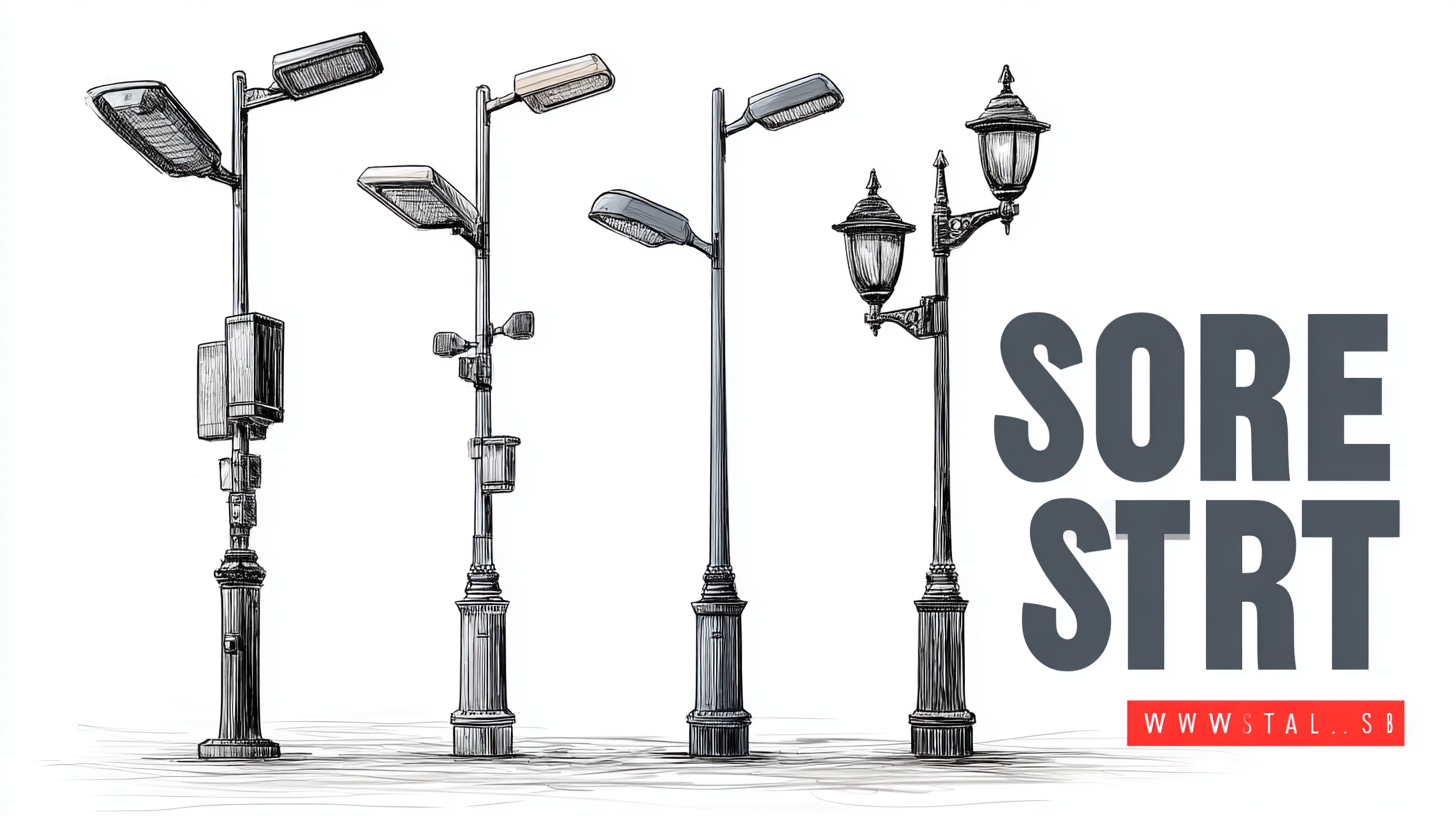
So, if you’re diving into the world of solar street lighting, it’s really important to get a good grasp on how competitive the scene is and who the big players are that are pushing for innovation in this field. You know, over the years, solar street lights have really come a long way, thanks largely to tech advances and a growing awareness of how crucial sustainable practices are. Lots of companies these days are working hard to whip up energy-efficient solutions that not only help cut down on carbon footprints but also make sure the lighting output is top-notch. By checking out what they have on offer, buyers can make smart choices that really fit their specific needs.
Lately, we’ve seen the solar street lighting market explode with growth! Innovative brands are rolling out products that come packed with smart sensors and upgraded battery tech. These cool innovations let the lighting systems adjust their brightness based on how much light is around, which is a win-win—it saves energy and makes the lights last longer. This whole shift towards smarter technology is part of a larger trend in the lighting controls market. We’re expecting to see some really high growth rates as more folks prioritize energy efficiency and sustainability in their buying decisions. So, keeping an eye on these trends is super important if you want to find the best solar street light solutions that match your environmental goals!
Installing Your Solar Street Light: Essential Tips and Best Practices for Optimal Performance
Hey there! So, if you're planning to install a solar street light, I’ve got some handy tips that could really boost its performance and help it last longer. First off, make sure you pick a spot that gets plenty of sunlight all day long. Ideally, you want that solar panel set at an angle of about 30 to 45 degrees to soak up as many rays as possible. And it’s super important to keep an eye out for any trees or buildings nearby that might throw shade during those peak sun hours. You don’t want your light getting dimmed down, right?
Next up, don’t forget to secure the mounting brackets nice and tight and ensure that the pole is standing straight. A wonky pole can mess up the way light spreads, which isn’t great. Oh, and just a little reminder – make it a habit to check on those solar panels regularly and give them a good clean because dirt and debris can really cramp their style and efficiency over time. By taking these simple steps, you’re setting yourself up for a solar street light that works great and doesn’t need a ton of upkeep!
Step-by-Step Guide to Choosing the Best Solar Street Light for Your Needs
| Feature | Description | Considerations |
| Brightness (Lumens) | Amount of light emitted by the streetlight. | Choose higher lumens for larger areas or busy streets. |
| Battery Capacity | The total energy storage capability, measured in Ah. | Select based on the average hours of use and weather conditions. |
| Solar Panel Size | The area of the solar panel that converts sunlight to electricity. | Larger panels capture more sunlight; consider available space. |
| Material Quality | Durability and weather resistance of the light fixture. | Look for UV-resistant and rust-proof materials. |
| Installation Process | Guidelines on how to effectively install the light. | Follow manufacturer instructions; consider professional help if needed. |
| Maintenance Requirements | How often the light requires servicing or cleaning. | Regular checks can improve longevity and efficiency. |
| Warranty | The period during which the product is guaranteed against defects. | Choose lights with comprehensive warranties for peace of mind. |
Innovative Solutions: Enhancing Engineering Projects with Vertical Solar Street Lights
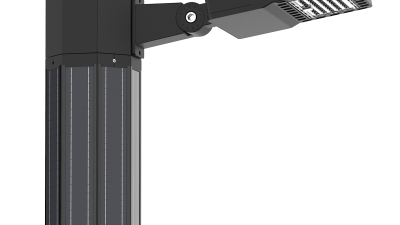
The integration of vertical solar street lights into engineering projects offers a transformative approach to sustainable urban lighting solutions. Unlike traditional horizontal solar panels, vertical solar panels are engineered to minimize wind resistance, ensuring they remain stable in various climatic conditions. Recent industry studies indicate that vertical solar panels can reduce land use by up to 30%, making them ideal for urban environments where space is at a premium. Their sleek design not only promotes aesthetic appeal but also allows for seamless integration into different surroundings, enhancing the overall landscape without compromising functionality.
One of the most notable advantages of vertical solar street lights is their ability to capture 360° sunlight. This capability significantly enhances energy generation, enabling the lights to operate efficiently throughout the day by harnessing solar energy from all angles. According to a report by the International Renewable Energy Agency (IRENA), utilizing vertical solar technology can increase energy capture by as much as 25% compared to conventional solar installations. This efficiency is particularly vital in densely populated areas, as it facilitates longer operational hours with less reliance on grid power, promoting environmental sustainability.
Incorporating these innovative lighting structures into engineering projects not only advances ecological objectives but also aligns with the growing demand for energy-efficient solutions in urban planning. With projections estimating a 40% increase in global energy demand by 2030, the adoption of vertical solar street lights presents a practical strategy for municipalities looking to balance modern infrastructure with sustainable practices.
FAQS
: The key features include brightness (measured in lumens), battery capacity, and solar panel efficiency.
Brightness is typically measured in lumens, with residential areas needing around 1,000 lumens and high-traffic zones requiring over 12,000 lumens.
Battery capacity determines how long the light can operate in low-light conditions. A higher capacity ensures effective operation throughout the night and can handle cloudy days.
Standard solar street light batteries can hold anywhere from 12Ah to 200Ah, depending on the model and usage requirements.
Higher solar panel efficiency (15-22% or more) leads to faster charging and improved performance, especially in areas with limited sunlight exposure.
Monocrystalline panels are more efficient (15-22%) and perform better in low-light conditions, while polycrystalline panels are slightly less efficient (13-16%) but more cost-effective.
Knowing the differences between solar panel types helps make informed decisions based on efficiency, space requirements, and budget constraints.
Innovations include smart sensors that adjust brightness based on surrounding light, which conserves energy and extends the lifespan of lighting systems.
Leading brands are driving innovation through energy-efficient solutions that optimize lighting output while reducing carbon footprints.
There is a growing trend towards prioritizing energy efficiency and sustainability, with more consumers seeking smart technologies in their solar street lighting investments.