Leave Your Message
0%

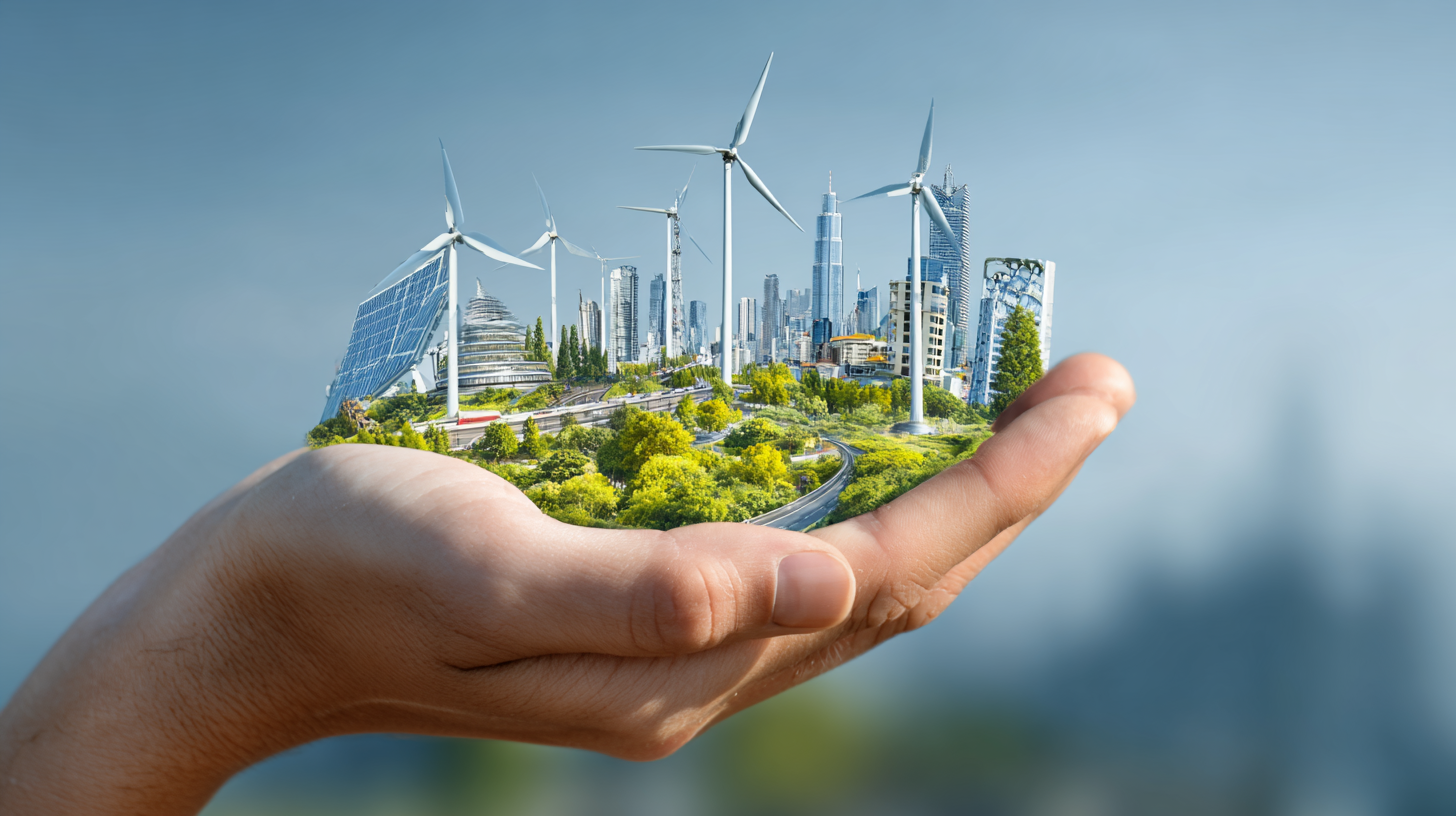
Nowadays, it feels more urgent than ever that we start really embracing Alternative Energy sources if we want a sustainable future. With climate change speeding up and traditional energy sources running out, we seriously need to get creative and find smart ways to tap into Renewable Energy. One company leading this charge is SUNFREE Lighting Technology Co., Ltd. — they’re all about researching, developing, manufacturing, selling, and supporting new energy solutions. Thanks to their top-notch design and production capabilities, SUNFREE is all in on exploring options that not only keep up with modern needs but also help protect our planet for the kids coming after us.
How to Harness Alternative Energy Sources for a Sustainable Future

By using the latest tech and focusing on sustainable practices, they’re really paving the way toward a brighter, cleaner energy future — it’s pretty inspiring, honestly.

Exploring Solar Energy Innovations: Boosting Efficiency and Accessibility in Renewable Power

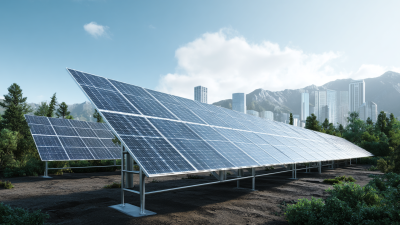
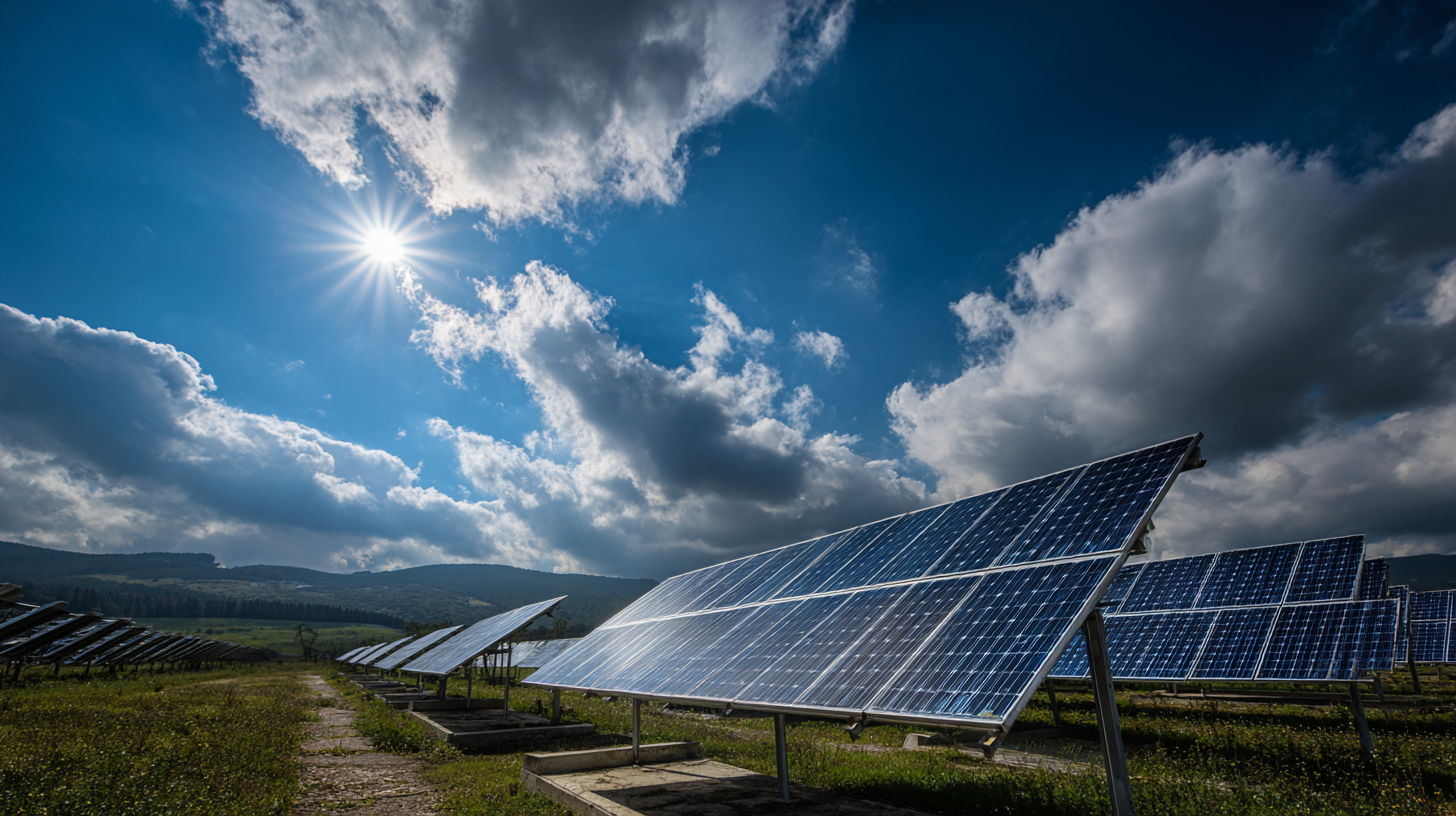
You know, the push for sustainable energy has really sparked some amazing innovations in solar tech. It’s all about making things more efficient and easier for people to get into. Lately, we’ve seen some pretty exciting progress — like new solar cells that turn sunlight into electricity way better than before. For example, those tandem solar cells, which stack different materials, are now hitting efficiency rates over 30%. That’s a big jump from the old-school single-junction designs, pushing the limits of what we thought was possible. These fancy new techs not only mean more power output but also need less space, so they work pretty well even in crowded urban areas.

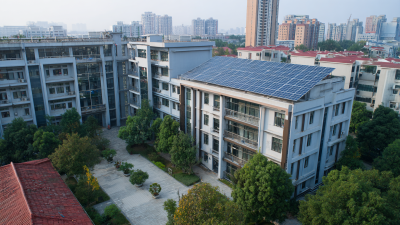
And I think, honestly, that making solar energy more accessible is just as important as making it more efficient. Thanks to innovations like flexible panels and building-integrated photovoltaics (or BIPV, if you wanna sound fancy), integrating solar into homes and businesses has become way more seamless. You can actually fit these panels into existing structures, so they don’t just generate power — they look good doing it. Plus, with better financing options and government incentives popping up, it’s getting easier for more folks and companies to hop on the solar bandwagon. As these technologies keep improving, they’re definitely key in moving us toward a greener, more sustainable energy future.

How to Harness Alternative Energy Sources for a Sustainable Future - Exploring Solar Energy Innovations: Boosting Efficiency and Accessibility in Renewable Power

Technology Type Efficiency (%) Year Introduced Cost ($/W) Main Benefits
Monocrystalline Silicon 20-25 1980s 0.50 - 0.70 High efficiency, long lifespan
Polycrystalline Silicon 15-20 2000s 0.30 - 0.50 Cost-effective, decent efficiency
Thin-Film Solar Cells 10-15 1990s 0.50 - 1.00 Lightweight, flexible, versatile installation
Bifacial Solar Panels 20-30 2010s 0.60 - 0.80 High energy yield, enhances space utilization
Building-Integrated Photovoltaics (BIPV) 10-20 2000s 0.75 - 1.50 Aesthetic appeal, multifunctional building materials

Wind Power Advancements: Harnessing Technology to Maximize Energy Generation

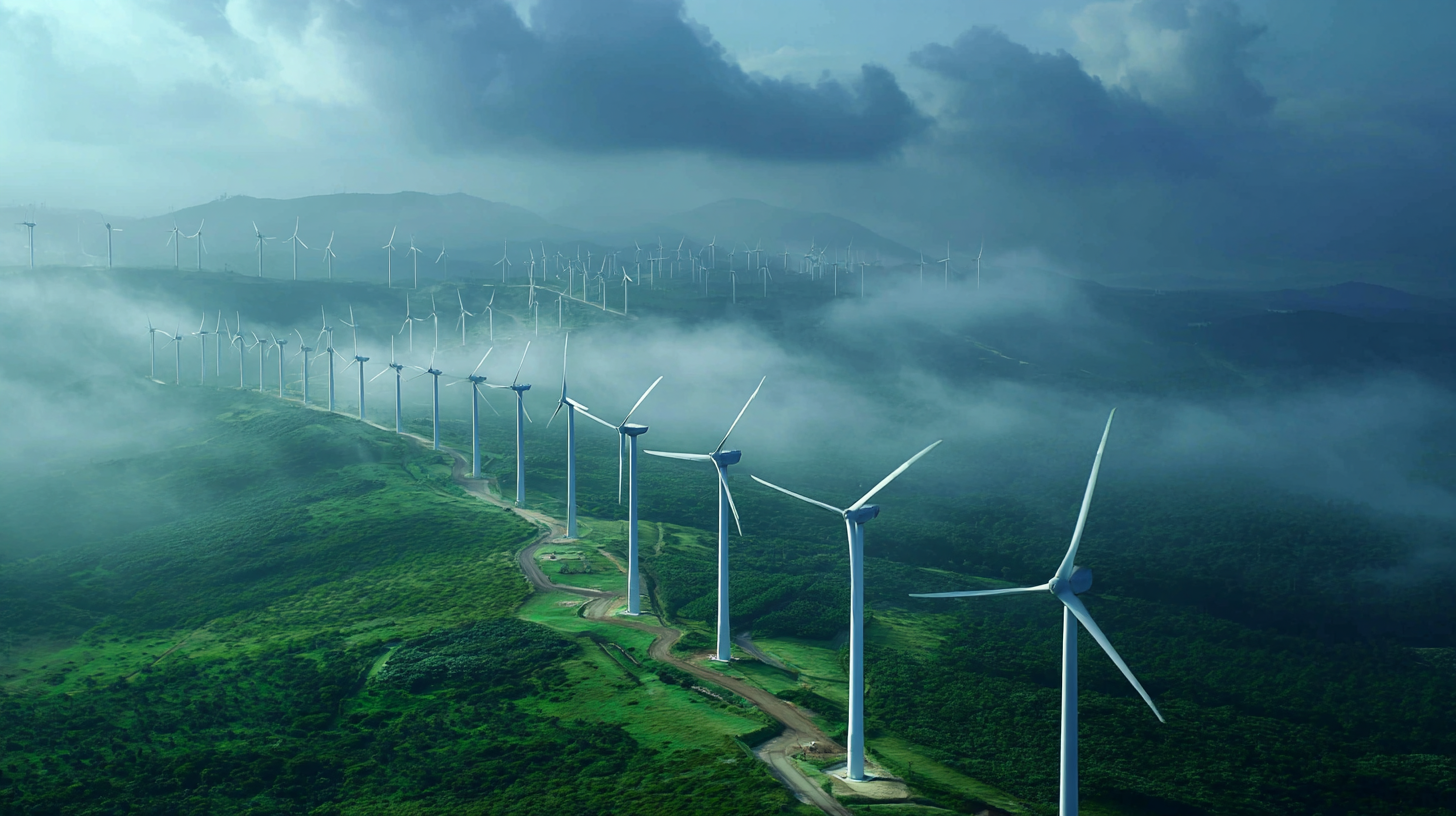
Wind power has really become one of the most promising renewable energy sources out there. It’s actually playing a big part in the shift toward more sustainable energy systems. Lately, there have been some pretty exciting advancements in dynamic power optimization for wind farms, which show just how much potential this tech has. As researchers keep exploring new ways to boost efficiency, they’re also tackling some of the tricky parts of wind power—like how unpredictable it can be, and the way turbines are spaced out. Getting these optimizations right is super important for squeezing out as much energy as possible while avoiding issues from turbines interfering with each other.

What’s happening with wind energy tech really lines up with the world’s push to move away from traditional energy sources. Thanks to improvements in control systems and data analytics, wind farms are getting better at working together smoothly, which means more overall output. Combining these techs doesn’t just boost how much clean energy we get; it also makes the whole grid more reliable and sustainable. As more countries pour money into building up their wind energy infrastructure, it looks like the future of energy will not only be cleaner, but also smarter and more efficient in keeping up with our growing energy needs.

The Role of Biomass in Sustainable Energy: Converting Waste to Resource

Biomass really plays a crucial part in shifting us toward more sustainable energy — it’s basically about turning waste into something useful. You know, stuff like crop leftovers, food scraps, or wood chips can be transformed into energy using different tech like burning, gasification, or anaerobic digestion. By tapping into biomass, we’re not only cutting down on the amount of waste ending up in landfills, but we’re also producing electricity, heat, and even biofuels. It’s a win-win because it helps the environment and provides a renewable energy source that’s often more reliable than solar or wind, which can be kinda unpredictable.

Plus, using biomass fits really well into a circular economy — instead of throwing away waste, we’re reusing it. That helps keep carbon emissions in check since the CO2 released during biomass energy production is pretty much the same as what the plants absorbed while growing. Another thing is, biomass energy can boost our energy security because it brings in local resources and makes our energy mix more diverse. When communities start investing in these technologies, it doesn’t just help the planet — it can also create jobs and give a little boost to the local economy. All of this just goes to show how sustainable practices are key if we want to build a greener, healthier future.

How to Harness Alternative Energy Sources for a Sustainable Future

Geothermal Energy Potential: Utilizing Earth’s Heat for Reliable Power Supply

You know, geothermal energy—it's basically the heat from deep inside the Earth—really looks like a promising alternative when it comes to powering our world sustainably. The folks at the U.S. Department of Energy say that right now, the U.S. has over 9,000 megawatts of geothermal capacity installed, and there's actually potential for up to 30 times that much. That’s enough to light up millions of homes and cut down a bunch of greenhouse gases, which is pretty cool. Countries like Iceland and Kenya have already been rocking geothermal energy, showing us how other nations could totally tap into this renewable resource too.

If you're thinking about how we can get more out of geothermal energy, one good tip is to focus on places with high geothermal gradients—like around tectonic plate boundaries—those spots tend to have more accessible heat underground. For homes, simple stuff like geothermal heat pumps work really well—they use the stable underground temperatures to keep things warm in winter and cool in summer without breaking the bank. And honestly, investing in new tech and research can make getting energy from the Earth even more efficient and eco-friendly.

What’s really great about geothermal energy is that it’s reliable—sort of like that friend who’s always there when you need them. According to the International Renewable Energy Agency, geothermal stuff can provide baseload power, which means it can generate electricity all the time, unlike some other renewables that are kinda spotty. By putting more focus on developing these resources, we could make our energy future way more sustainable and resilient. It’s really exciting to think about what’s possible if we get serious about it.

Geothermal Energy Production by Country (2022)

This bar chart illustrates the geothermal energy production (in Megawatts) by selected countries in 2022. It highlights the potential of geothermal energy as a reliable and sustainable power source.

Hydrogen Fuel Cells: A Clean Alternative for Energy Storage and Transportation Solutions

Hydrogen fuel cells are really starting to grab attention as a game-changer when it comes to storing and moving energy. Honestly, they’re pretty exciting because, unlike your usual fossil fuels, these cells produce electricity by reacting hydrogen with oxygen — and the cool part? The only thing they breathe out is water vapor. It’s a pretty neat trick that could seriously cut down on greenhouse gases and still provide a reliable energy source. Whether it’s powering cars, or even giving homes and businesses their electricity, hydrogen tech has a lot of potential.

Thinking about jumping on board? Here are a few things that might help:
- **Stay in the loop:** Keep an eye on new developments in hydrogen fuel cell tech and any policies that support renewable energy. Things are changing fast!
- **Check out incentives:** Many places offer tax breaks or rebates for switching to hydrogen-powered vehicles, so do a bit of homework—those perks can make a real difference.
- **Team up:** If you’ve got a business, teaming up with companies that specialize in hydrogen tech might boost your sustainability efforts and attract customers who care about the environment.

Looking ahead, bringing hydrogen fuel cells into our infrastructure could really help make cities cleaner and cut down our reliance on non-renewable energy sources. It’s still a work in progress, but it’s an exciting step toward a greener, more sustainable energy future.

How to Harness Alternative Energy Sources for a Sustainable Future

FAQS

: What advancements have been made in solar energy efficiency?

: Recent innovations include the development of tandem solar cells that layer different materials, achieving efficiencies exceeding 30% and reducing the land space required for solar installations.

How are flexible solar panels and BIPV contributing to solar energy accessibility?

Flexible solar panels and building-integrated photovoltaics allow for integration into existing structures, combining aesthetics with energy generation, thereby enhancing accessibility for residential and commercial properties.

What role does biomass play in sustainable energy?

Biomass transforms organic waste into energy through processes like combustion and gasification, reducing landfill waste and providing a renewable energy source that is more predictable than solar or wind energy.

How does biomass energy contribute to a circular economy?

Biomass utilizes waste materials repurposed for energy, minimizing carbon footprints as the CO2 released during production is approximately equal to what plants absorbed during growth.

What is the potential of geothermal energy in the United States?

The U.S. has over 9,000 megawatts of installed geothermal capacity with the potential to produce up to 30 times more, significantly reducing greenhouse gas emissions and powering millions of homes.

What tips are there for harnessing geothermal energy?

Focus on areas with high geothermal gradients, consider using geothermal heat pumps for efficient heating and cooling, and invest in research to improve extraction technologies.

How does geothermal energy aid in energy independence?

Geothermal resources provide baseload power, which can generate electricity continuously, unlike some intermittent renewable sources, contributing to a more independent energy system.

What environmental benefits do biomass energy systems offer?

They significantly reduce landfill waste, lower carbon footprints, and promote renewable energy use, thus addressing environmental concerns while enhancing energy security.

Why is it important to enhance financing options for solar energy?

Improved financing options and government incentives lower entry barriers, allowing more individuals and businesses to adopt solar energy technologies.

How can innovations in solar energy lead to a sustainable energy future?

Continued evolution in solar technologies enhances efficiency and accessibility, making solar energy a practical solution for a broader range of applications, thus supporting sustainable energy goals.

Conclusion

When it comes to building a more sustainable future, turning to alternative energy sources is really key. It’s all about cutting down our reliance on fossil fuels and doing our part to fight climate change. Lately, we’ve seen some pretty exciting progress with solar energy—it's getting more efficient and easier for people to use. Wind power is also stepping up its game, with new tech making turbines better at generating energy. Biomass? That’s becoming a serious player too, turning trash into useful resources. And geothermal energy is tapping into the Earth's natural heat, offering a pretty reliable power source. On top of that, hydrogen fuel cells are looking like a clean alternative for storing energy and powering vehicles.

At SUNFREE Lighting Technology Co., Ltd., we’re all about embracing these new energy options. As a tech-focused company, we’re dedicated to researching, developing, and producing innovative energy products. Our goal? To help pave the way toward a greener, more sustainable future with renewable energy solutions that really work.
Liam

Liam

Liam is a dedicated marketing professional at Zhongshan Sanhui Lighting Technology Co., Ltd., where he leverages his expertise to enhance the company's online presence. With a profound understanding of the lighting industry, Liam regularly updates the company's professional blog, sharing insights......
Previous Unlocking Smart City Solutions Top Tips for Sourcing Quality Suppliers