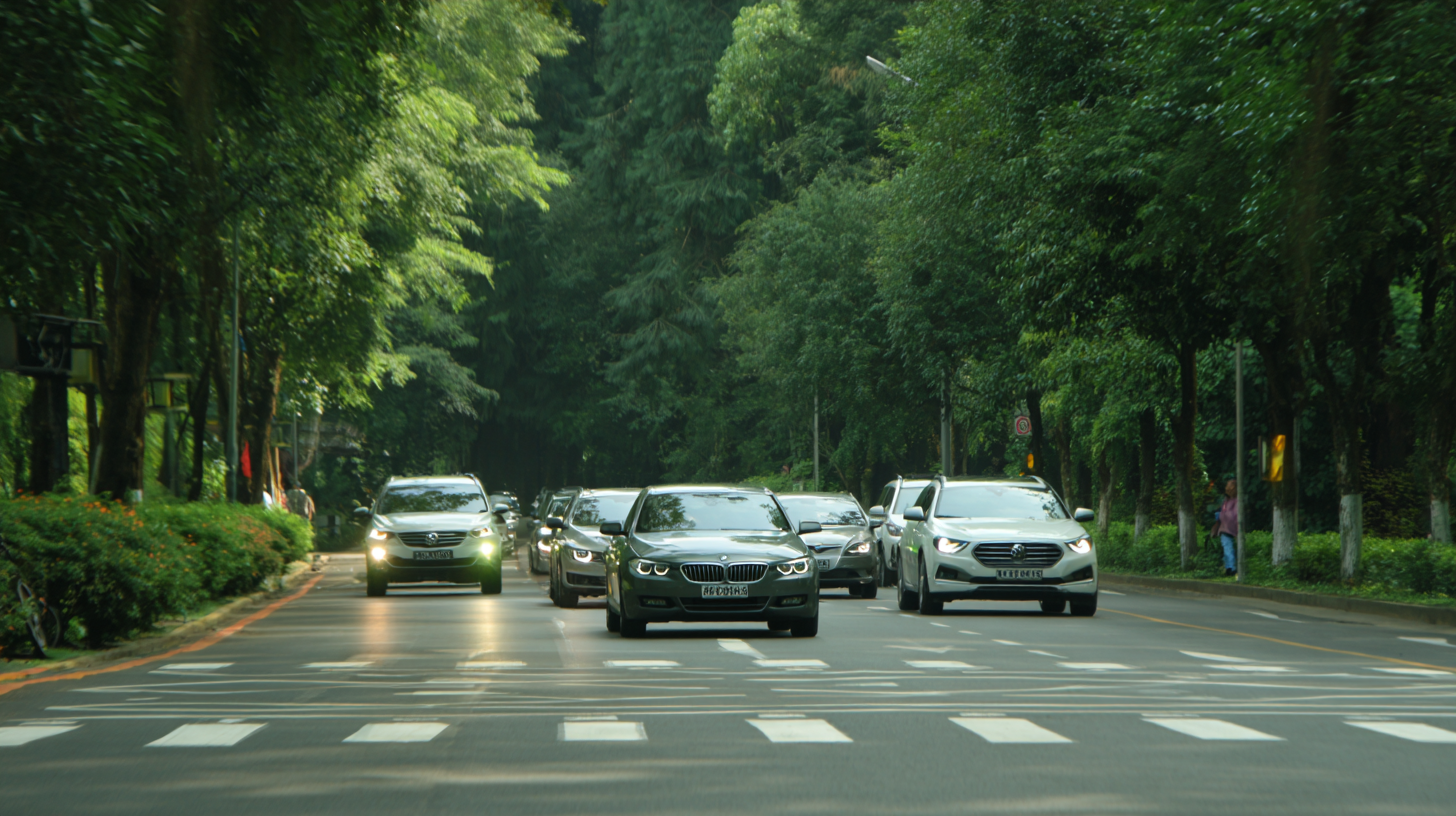
Road Safety is definitely a top priority for communities around the world. It’s so important because it directly affects how safe and secure everyone feels in their daily lives. With the recent uptick in traffic accidents, we really need to put some smart measures in place—things that help pedestrians, cyclists, and drivers all stay safe out there. At SUNFREE Lighting Technology Co., Ltd., we get how crucial good lighting is when it comes to making our streets safer. With years of experience in research and development, we’re dedicated to creating innovative lighting solutions that boost visibility and help everyone be more aware. In this blog, I’ll share some practical ideas communities can use to make their roads safer, especially where new tech and everyday safety practices come together to create real change.
Understanding the Current Road Safety Statistics in Your Community
Getting a grip on the road safety stats in your community can be pretty enlightening—and maybe a little alarming, too. I mean, did you know that back in 2020, over 38,000 lives were lost in car crashes across the U.S.? That's a sharp 7.2% jump from previous years. And it’s not just here—according to the World Health Organization, traffic injuries are actually the leading cause of death among folks aged 5 to 29. It really highlights how much work we still need to do to make our roads safer.
Looking at local data can give you a much clearer picture of what's really going on around you. For instance, the Insurance Institute for Highway Safety points out that most pedestrian fatalities happen in city areas—about 76% of those deaths are in urban settings. By digging into traffic reports, communities can spot hotspots, understand what’s causing these accidents, and see which groups are most at risk.
Once you've got that info, targeted fixes—like better crosswalks or bumping up police patrols—can really make a difference and help prevent tragedies in those problem spots.
Identifying High-Risk Areas Using Data-Driven Approaches
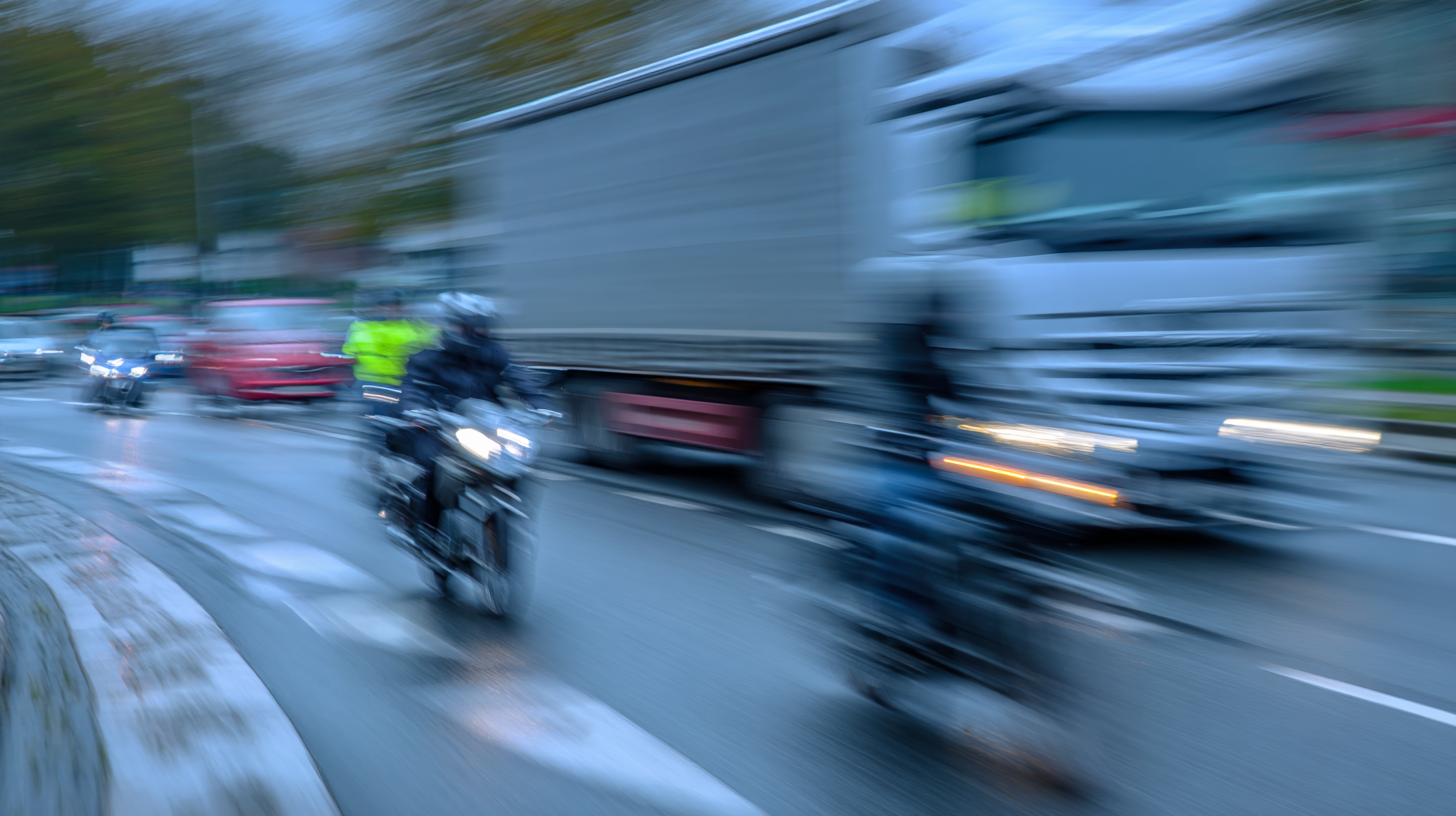 Figuring out which parts of a neighborhood are most risky is super important if we wanna make roads safer. Using data to guide us can really make a difference. One of the best ways is to look at accident reports—these can show us patterns and trends that might not be obvious at first glance. By mapping where crashes happen and comparing that info with things like how busy the roads are, weather conditions, or how the roads are built, local officials can spot those trouble spots that need fixing ASAP.
But it’s not just about numbers. Talking to folks in the community through surveys or casual chats can reveal hazards that might not pop up on charts. Getting residents’ perspectives helps paint a clearer picture of what they deal with every day. Combining this kind of personal feedback with hard data gives a much fuller understanding of the risks. Plus, using cutting-edge tech like GIS mapping or predictive analytics can help keep an eye on these areas over time and see if new safety measures are actually working. It’s all about staying proactive and making sure everyone in the neighborhood stays safe.
Implementing Effective Speed Management Strategies to Reduce Accidents
Good speed management really makes a big difference when it comes to keeping our roads safer for everyone. One of the main things we can do is set speed limits that fit the vibe of different areas. For example, neighborhoods where kids play and people walk should definitely have lower speed limits to keep everyone safe. On the other hand, busy shopping or commercial districts might need stricter rules, especially if traffic gets pretty heavy. Also, using signs that tell drivers their current speed in real-time can be a game changer because it kind of nudges them to slow down if they’re going too fast, especially in spots where accidents are more likely.
On top of that, communities can boost safety by improving infrastructure a bit. Things like speed bumps, raised crosswalks, and wider medians can really encourage drivers to slow down without much fuss. Plus, doing regular traffic studies helps spot problem areas so authorities can tweak their strategies as needed. When you combine clear speed limits, some good old education about the risks of speeding, and smarter road setups, it’s totally doable to cut down on crashes and make our streets safer for everyone — drivers, pedestrians, you name it.
Speed Management Strategies and Road Safety Statistics
This chart illustrates the correlation between implemented speed management strategies and the resulting reduction in traffic accidents over the years in a community.
The Role of Technology in Enhancing Road Safety Measures
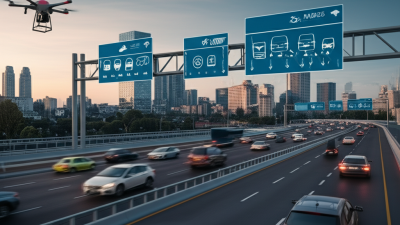
Lately, technology’s really been making a big difference when it comes to keeping our roads safer. One of the standouts has gotta be the smart traffic management systems they’re rolling out in many cities. These systems use real-time data—think cameras and sensors placed around town—to keep an eye on traffic conditions and spot any hazards early on. When they analyze this info, city folks can tweak traffic lights on the fly, which helps cut down on jams and keeps pedestrians and cyclists safer. It’s pretty cool because it means fewer accidents and a smoother experience for everyone.
On top of that, more cars now come equipped with these fancy driver-assistance features—stuff like emergency brakes that kick in automatically, lane-keep assist, and cruise control that adjusts itself. All these little tech tricks really help prevent crashes before they happen. Plus, there are mobile apps out there that encourage safer driving habits and warn us about tricky road conditions. As communities jump on board with these tech solutions, it’s not just about fixing problems—it’s about everyone sharing the responsibility to look out for each other. The result? A much safer, more connected environment for anyone on the road.
Community Engagement: Encouraging Local Participation in Safety Initiatives
Getting the community involved is super important when it comes to boosting road safety. When locals have a say, the whole thing tends to be more effective and lasts longer. One easy way to do this is by setting up community forums—kind of like open chats where folks can share their worries and suggest ideas. Sitting down face-to-face like this really helps people feel like they own the solutions and motivates them to pitch in. A few tips? Spread the word about the event through social media and local newsletters—this way, you'll get a good mix of folks to show up. Also, offering some snacks or drinks can really help make the spot feel welcoming and comfy.
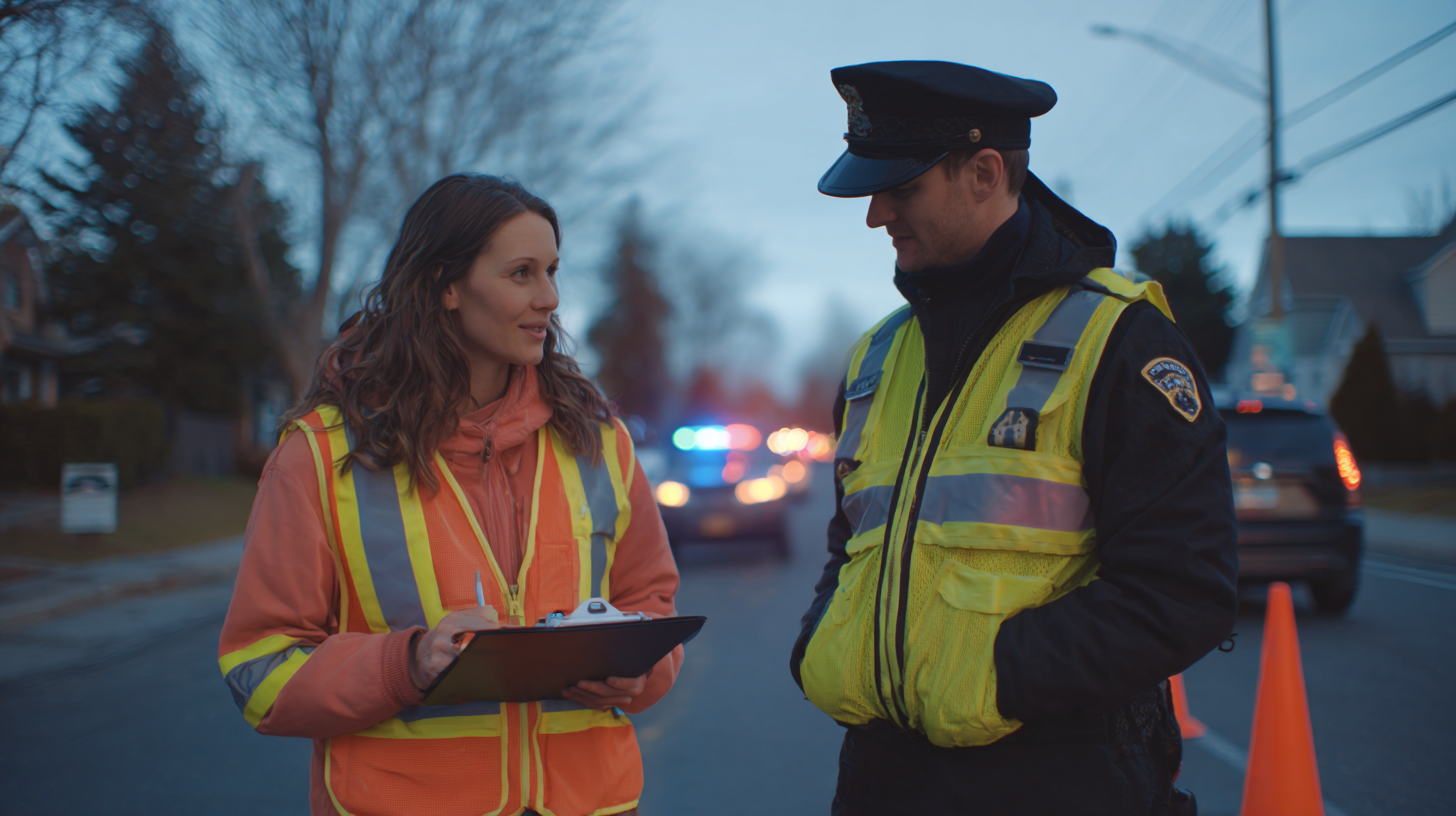
Another cool idea is to create simple projects like neighborhood safety walks. Walking around the area with neighbors not only helps find problem spots—like tricky crosswalks or bad lighting—but also gives everyone a chance to get to know each other better. You might want to split into small groups to focus on specific issues, like ensuring pedestrians can cross safely or fixing bike lanes. Just make sure each group knows what they’re aiming for, and check in regularly to see how things are going—that keeps everyone motivated.
And don’t forget about the schools! Getting students involved can really spark a change. Programs like training students to be safety ambassadors are a great way for kids to teach their friends and families about staying safe. To make it even better, schools can include road safety topics in their lessons and encourage students to come up with their own safety campaigns. When the whole community pitches in, it’s not just about raising awareness—it’s about building a united effort to make our roads safer for everyone.
Evaluating the Effectiveness of Road Safety Campaigns with Metrics
When you're trying to figure out how effective road safety campaigns really are, it’s super important to have solid metrics that give you actual data on their impact. I read somewhere (a report from the WHO) that if we combine good public awareness efforts with strict enforcement of safety rules, we could cut down traffic-related deaths by about 20%. Lighting, by the way, plays a huge role here—since better visibility often makes all the difference in preventing accidents. Improving Street Lighting, especially with energy-efficient options like those from SUNFREE Lighting Technology Co., Ltd., can make a big difference at night by helping drivers see better and reducing crashes.
And get this—statistics show that poorly lit roads cause about 30% of traffic fatalities. That’s pretty eye-opening and just underscores how important it is for communities to take a serious look at their lighting situation. By using the latest lighting technologies, city officials can actually track how traffic accidents change before and after they upgrade their lighting systems. The data they gather can help tailor future campaigns so they hit the mark even better. SUNFREE Lighting, as a leader in new energy solutions, is dedicated to helping out with these efforts. They offer innovative lighting options that boost safety and also support more sustainable energy use in communities.
All in all, it’s about making roads safer and more energy-conscious at the same time — a win-win, don’t you think?
FAQS
report about road fatalities in 2020?
The World Health Organization (WHO) indicates that road traffic injuries are the leading cause of death among individuals aged 5-29.
Examining local statistics provides insights into specific issues affecting a community, helping to identify high-risk zones, contributing factors, and vulnerable populations for targeted interventions.
The Insurance Institute for Highway Safety (IIHS) notes that 76% of pedestrian deaths occur in urban settings.
Effective speed management strategies include implementing speed limits suited to the area, using speed feedback signs, and conducting regular traffic studies.
Infrastructure improvements such as installing speed bumps, raised crosswalks, and expanded medians can compel drivers to slow down, thereby enhancing road safety.
A comprehensive strategy that combines effective speed limits, public education campaigns on speeding risks, and enhancements to road infrastructure can significantly reduce the likelihood of accidents.
Increased law enforcement presence in busy commercial zones can help manage congested traffic and enforce speed limits effectively.
Regular traffic studies help identify problematic areas and enable local authorities to adjust speed management measures accordingly for better road safety outcomes.
Public education campaigns about the risks of speeding can raise awareness among drivers and encourage them to adopt safer driving behaviors.
Conclusion
When it comes to making our communities’ roads safer, the first step is really understanding what's currently going on — like diving into the latest safety stats to see where the trouble spots are. Once we know which areas are high-risk, we can use that data to target our efforts more effectively. Speed management is a big deal too; if we can keep vehicle speeds in check, chances are we’ll see fewer serious accidents.
And honestly, new technology can make a huge difference. Smarter traffic systems and better monitoring tools help us stay ahead of potential issues. Getting folks in the community involved is also key—when everyone pitches in and takes responsibility, it creates a real culture of safety and awareness. Finally, it’s important to keep checking whether our safety measures work, using clear, straightforward metrics. That way, we can keep adjusting and improving things as needed. At SUNFREE Lighting Technology Co., Ltd., we’re all about bringing innovative solutions to the table to help make roads safer for everyone — drivers, pedestrians, you name it.