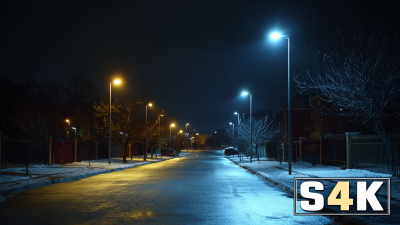
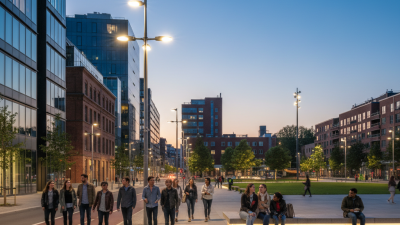
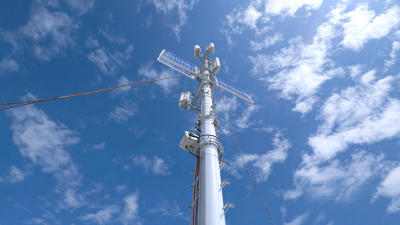
You know, investing in smart Street Lighting solutions really feels like a no-brainer these days, especially with cities growing so fast. Did you hear that, according to the International Energy Agency, street lights make up about 30% of a city’s total energy use? That’s a huge chunk! It just goes to show how much cities stand to benefit by switching to smarter, more innovative lighting systems. Not only can these upgrades cut down energy costs — which is always a win — but they can also boost safety for folks on the streets and help reduce carbon emissions too.
Take Los Angeles, for example. They've shown it’s totally possible to make a difference. By swapping over to LED smart street lights, they’re saving over 9 million bucks every year on energy. Pretty impressive, right? But, unfortunately, some other cities are still stuck with outdated tech and missing out on these benefits. The National Renewable Energy Laboratory points out that smart street lighting can slash energy consumption by as much as 70%. Honestly, though, switching all that up isn’t always simple — there can be hurdles like upfront costs and figuring out how to mesh new systems with what’s already there.
As urban areas keep growing and more people move in, it really becomes clear how important good street lighting is. Ignoring this tech upgrade might mean paying more in the long run or having less effective safety measures in place. So yeah, the push for smart street lighting isn’t just about making things look nice — it’s a big step towards making our cities more sustainable and livable for everyone.

Benefits of Smart Street Lighting for Urban Environments
Smart street lighting is transforming urban environments. Cities are leveraging these advanced systems to enhance safety, reduce energy consumption, and improve overall quality of life. According to a report by the International Energy Agency, smart lighting can cut energy consumption by up to 50%. This is significant for municipalities looking to lower operational costs and reduce carbon footprints.
Additionally, smart street lighting offers improved public safety. With adaptive lighting that responds to pedestrian activity, cities can create safer environments. The Urban Institute reported that well-lit streets can decrease crime rates by up to 20%. However, implementing such technologies requires careful planning and investment. Local governments must assess their infrastructure needs and potential return on investment.
One benefit of deploying smart systems is the ability to gather data. These systems monitor traffic patterns and energy usage, which helps in urban planning. However, challenges exist—data privacy concerns and the initial setup costs can be barriers to implementation.
**Tips:** Local governments should explore partnerships for funding smart street initiatives. Engaging with community stakeholders can provide valuable insights. Investing in solutions like Residential Roads And Street Solar Lighting may offer long-term savings while enhancing urban amenities.
Why Invest in Smart Street Lighting Solutions Today? - Benefits of Smart Street Lighting for Urban Environments
| Benefit | Description | Impact on Urban Environment | Estimated Cost Savings (%) |
| Energy Efficiency | LED lights consume up to 70% less energy than traditional lighting. | Reduces carbon footprint and lowers utility bills. | Up to 50% |
| Improved Safety | Brightness can be adjusted based on traffic and weather conditions. | Enhances public safety and reduces crime rates. | N/A |
| Remote Monitoring | Allows for real-time diagnostics and maintenance alerts. | Improves operational efficiency and reduces downtime. | N/A |
|
Smart City Integration | Can be integrated with other smart city technologies (e.g., traffic management). | Promotes a holistic approach to urban development. | N/A |
| Environmental Benefits | Less light pollution and reduced carbon emissions. | Supports sustainability goals and public health. | N/A |
Technological Innovations in Smart Street Lighting Solutions
Smart street lighting solutions are rapidly evolving. These innovations leverage advanced technologies like sensors, IoT, and AI. This shift improves energy efficiency and enhances urban safety.
By using smart lights, cities can reduce energy consumption significantly. Sensors adjust brightness based on pedestrian and vehicle movement. This not only cuts costs but also lowers carbon footprints.
It's important to note ongoing challenges. Integrating new systems can face resistance from stakeholders. Training for city staff is crucial for successful implementation. Communities must also adapt to new lighting styles.
Consider how your city could benefit. Engaging residents in discussions can yield valuable insights. Smart lighting should cater to community needs.
Cities can explore partnerships with tech firms for better solutions. This collaborative approach can drive innovation. Effective communication about changes fosters trust among residents.
Cost-Effectiveness of Smart Street Lighting Implementations
Smart street lighting solutions are becoming increasingly essential for cities today. They not only enhance safety but also significantly reduce energy costs. Traditional streetlights consume a vast amount of energy, contributing to high electricity bills. In contrast, smart lighting systems use LED technology, which is more efficient. These lights can adjust their brightness based on the time of day or pedestrian movement, leading to further energy savings.
Implementations of smart street lighting often have high upfront costs. However, the long-term benefits outweigh these initial investments. Cities can see a return on investment through reduced maintenance costs and lower energy bills. Moreover, smart street lighting can support smart city initiatives. Integrating these systems with sensors allows for better traffic management and environmental monitoring. Yet, it’s crucial to ensure that the implementation aligns with local infrastructure needs.
Communities may face challenges when transitioning to smart lighting solutions. Some residents may resist change or feel uncertain about new technology. Engaging stakeholders early in the implementation process can help address concerns. Assessing options based on specific city needs can lead to a smoother transition. Investing in smart street lighting is not just about technology; it requires consideration of community dynamics. Balancing innovation with local preferences is key to successful adoption.
Environmental Impact and Sustainability of Smart Lighting
Smart street lighting solutions present a significant opportunity for cities aiming to enhance sustainability. Traditional lighting systems consume large amounts of energy and contribute to light pollution. Smart lighting, on the other hand, uses LED technology and sensors to optimize energy use. This upgrade can reduce energy costs by up to 50%. With automatic dimming and adaptive brightness features, these systems respond to real-time conditions. Therefore, they minimize their environmental footprint.
Implementing smart street lighting can also benefit wildlife. Reducing excessive light reduces disturbances in natural habitats. However, cities must be cautious about how they deploy these systems. Over-reliance on technology without proper planning may lead to unforeseen issues. For instance, inadequate training for staff on managing these systems can result in missed opportunities for optimization. Regular feedback and community engagement can help address these challenges and foster a more effective implementation.
Sustainability, however, isn’t solely about technology. It involves balancing economic, social, and environmental factors. Cities should evaluate their infrastructure needs and community values. Residents often appreciate better lighting for safety but may not prioritize energy efficiency. Collecting data can help inform decisions that reflect both ecological and community concerns. Each step taken must be mindful and adaptable, recognizing that the journey towards sustainability is ongoing.
Enhancing Public Safety with Smart Street Lighting
Smart street lighting solutions play a vital role in enhancing public safety. According to a recent study from the Institute for Transportation Engineers, well-lit streets can reduce crime rates by up to 30%. This statistic underscores the importance of transforming urban environments. As cities invest in Smart Street Lighting, they also reduce energy consumption. Smart systems can cut energy usage by 50% compared to traditional lighting.
Many municipalities are adopting CE Certification Residential Roads And Street Solar Lighting as part of their initiatives. Solar-powered lights not only save energy but also improve visibility during nighttime, deterring criminal activity. For example, cities with smart lighting systems often report a decrease in pedestrian accidents. With better illumination, both drivers and pedestrians are more aware of their surroundings.
However, not all implementations yield immediate results. Some areas still struggle with inadequate infrastructure or high initial costs. Factors like installation, maintenance, and technology integration can hinder progress. Evaluating these challenges is essential for long-term success. Proper planning and investment in smart lighting can create safer communities while fostering future innovations.
Integration of Smart Street Lighting with Smart City Infrastructure
Smart street lighting has a pivotal role in the development of smart city infrastructure. These systems not only illuminate streets but also serve as key nodes in urban networks. They can enhance public safety by intelligently adapting lighting levels based on real-time conditions. For instance, lights can brighten in areas with high foot traffic and dim in less frequented zones. This flexibility promotes energy efficiency and cost savings.
Integrating smart street lighting with other smart city technologies is crucial. Data from streetlights can be used to manage traffic flow, monitor air quality, and improve public safety. Additionally, lighting systems can connect with emergency services to ensure faster response times during crises. This interconnectedness creates a more responsive urban environment, yet it also raises important questions regarding data privacy and security.
While the advantages of smart street lighting are clear, challenges remain. Cities must address infrastructure readiness and funding mechanisms. Partnerships between public and private sectors can drive this integration forward. However, it is essential to ensure that all stakeholders are aligned with the vision for a smarter urban future.
Future Trends in Smart Street Lighting Technologies
As cities evolve, smart street lighting technologies take center stage. These advancements not only enhance public safety but also play a significant role in energy conservation. Cities can reduce their carbon footprint with intelligent lighting solutions. Sensors can adjust brightness automatically based on traffic or weather conditions. This adaptive approach minimizes energy waste, benefiting both the environment and city budgets.
Future trends indicate a shift towards integration with smart city infrastructures. Streetlights could connect to the cloud, enabling real-time data collection and analysis. This aids in traffic management and emergency response. Cities may also explore solar lighting options, like High-Quality Residential Roads And Street Solar Lighting, for remote areas. Implementing these technologies requires careful planning. Municipalities must balance costs, public needs, and technological feasibility.
Ongoing maintenance of smart systems presents challenges as well. Quick advancements in technology can lead to outdated installations. Ensuring the longevity of smart street lighting systems is essential. Periodic updates and community feedback will help in addressing potential shortcomings. Even with the promise of smart street lights, effective implementation remains a complex journey.
Innovative Eco-Friendly Solar Street Lights: Unveiling the Best All-in-One Solutions from Top Chinese Manufacturers
Innovative eco-friendly solar street lights are transforming the landscape of outdoor illumination, combining cutting-edge technology with sustainability. These all-in-one solutions, manufactured by top Chinese suppliers, offer an energy-efficient alternative to traditional lighting systems. With integrated solar panels, LED lights, and battery storage, these lights are designed for easy installation and minimal maintenance, making them a practical choice for both urban and rural environments.
The smart design of all-in-one solar street lights allows for flexibility in deployment, whether enhancing safety in city streets or providing illumination in remote areas. Their eco-friendly nature not only reduces electricity costs but also contributes to a greener planet by utilizing renewable energy sources. This push towards innovative lighting solutions reflects a growing commitment to sustainability and efficiency, ensuring that modern cities can thrive while minimizing their carbon footprint.
As communities seek reliable and sustainable lighting options, these advanced solar street lights emerge as a viable solution, marrying functionality with environmental responsibility. Transitioning to these innovative systems not only upgrades the lighting strategy but also fosters a brighter and more sustainable future for urban and rural landscapes alike.
FAQS
: Smart street lighting solutions use sensors and AI to enhance efficiency and safety in urban lighting.
Smart lights adjust brightness based on traffic and pedestrian movement, significantly cutting energy use.
Cities may encounter resistance from stakeholders and need staff training for effective use of new systems.
Engaging residents in discussions helps tailor smart lighting to community needs, enhancing overall satisfaction and safety.
Smart lighting can cut energy costs by up to 50% and reduce light pollution, benefiting both ecology and budgets.
Cities must balance costs, community needs, and technology feasibility during the integration process for success.
Collecting data and community feedback helps optimize smart lighting systems, addressing challenges and improving effectiveness.
Yes, lack of proper planning and training can lead to missed optimization opportunities in smart lighting systems.
Integration with smart city infrastructures and solar lighting options are emerging trends to enhance functionality and sustainability.
Sustainability involves ongoing evaluation of infrastructure, community values, and mindful adoption of technologies.
Conclusion
Smart street lighting solutions are becoming increasingly essential for urban environments, offering a plethora of benefits that go beyond illumination. These innovative technologies enhance energy efficiency and reduce operational costs while contributing to environmental sustainability. By integrating smart street lighting with existing smart city infrastructure, cities can optimize energy consumption, reduce light pollution, and improve overall urban aesthetics.
Additionally, smart street lighting significantly enhances public safety through advanced features such as adaptive lighting and real-time monitoring, which help deter crime and improve visibility for pedestrians and drivers. As cities continue to embrace these solutions, future trends may focus on further technological advancements, ensuring that smart street lighting remains a crucial component of urban planning and development. Investing in these solutions today not only addresses immediate needs but also paves the way for smarter, safer, and more sustainable cities in the future.