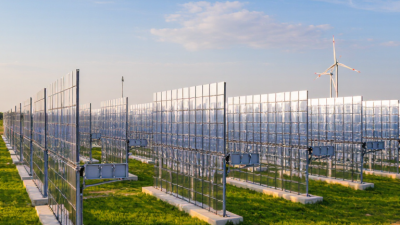
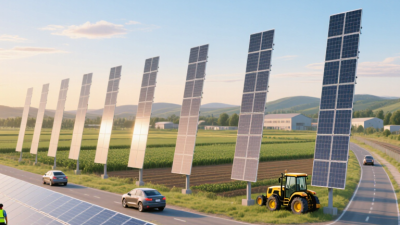
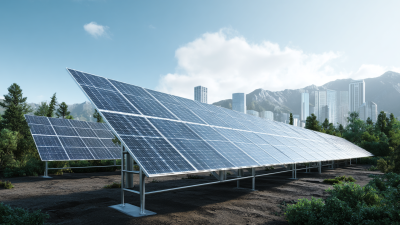
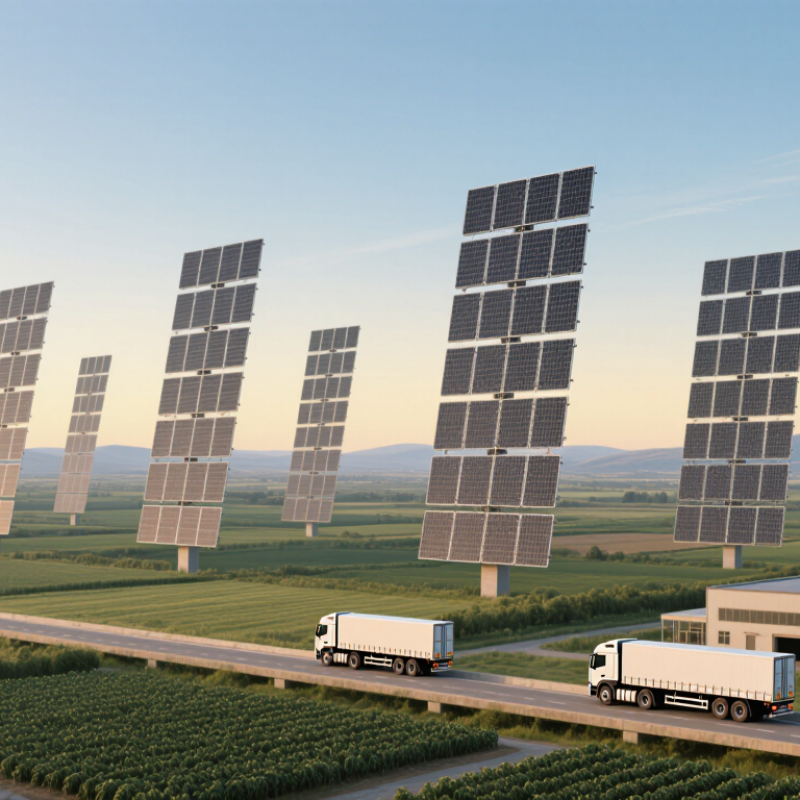
Vertical Solar Module technology is really gaining ground, moving from being a niche concept to a serious option for energy buyers around the world. The panels are installed upright, usually facing east and west, which creates two peak production times instead of just one big peak around midday. That’s actually pretty important for farms, transport routes, industrial sites, or places with limited roof space. But here’s the thing — the market isn’t all the same across the board. Some companies focus on manufacturing the modules themselves, while others mainly handle mounting systems, engineering, or even complete projects. It varies a lot.
Then there’s Stephan Schindele, head of Agri-Photovoltaics at Fraunhofer ISE, who describes the core benefit of agrivoltaics in a simple way: “Agri-photovoltaics can help cut down the conflict between food and energy production.” Sounds awesome, right? But of course, how well it actually works depends on the execution. If you’re thinking about buying, you’ve gotta look at things like bifacial performance, glass durability, how well it withstands wind, inverter compatibility, warranty details, and ease of cleaning. Having a pretty datasheet is nice, but real-world performance and field evidence matter way more.
In this guide, I’ll walk you through some of the top manufacturers and tech partners that serve buyers internationally — like Next2Sun, JinkoSolar, LONGi, Trinasolar, Canadian Solar, and JA Solar. Keep in mind, they’re not all the same. Some offer standard modules suitable for vertical setups, while others are more specialized or provide integrated solutions. When shopping around, make sure to ask for independent test reports, data on how the modules degrade over time, production estimates, and references from projects in similar climates. Things like frost, dust, snow, and shading can make a huge difference on the business case. And just a heads-up: no single ranking is perfect. The economics depend a lot on land prices, local electricity rates, grid regulations, and installation expertise. Sometimes, the cheapest module might not actually be the most cost-effective vertical system in the long run.
Basically, it pays to do your homework—nothing beats a careful, well-informed buyer who’s willing to dig a little deeper.
Market Context: IRENA Reports 345.5 GW of Solar Added in 2023
IRENA’s Renewable Capacity Statistics 2024 reports 345.5 GW of solar added globally in 2023. Solar represented most new renewable capacity that year. Global solar capacity reached approximately 1,419 GW by year-end, showing intense demand for reliable module supply.
Reporting methods differ. The IEA PVPS Trends 2024 report estimated more than 400 GW of photovoltaic additions in 2023. This gap reflects different datasets, project definitions, and reporting timelines. Buyers should not compare figures blindly.
Vertical solar modules may serve agrivoltaics, façades, noise barriers, and limited-roof sites. Their value depends on land use, shading, wind exposure, and maintenance access.
A narrow footprint helps.
However, vertical output can vary by orientation and local weather. Independent yield simulations should precede bulk purchasing. Buyers searching for a CE Certification Vertical Solar Module should verify the actual Declaration of Conformity, applicable harmonised standards, and product traceability.
CE marking is a compliance statement, not automatically a performance guarantee. Manufacturing audits should examine cell quality, lamination, junction boxes, and warranty reserves.
The Global Solar Power Tracker and national grid data can also reveal whether projected demand is realistic. I would question any supplier promising identical yields across climates. That assumption often fails. Death, degradation, and cleaning requirements deserve clearer field evidence.
Vertical Integration: Polysilicon, Wafers, Cells, Modules, and Systems
Vertical Solar Module Manufacturers are increasingly judged by more than module efficiency. Global buyers now examine vertical integration across polysilicon, wafers, cells, modules, and complete solar systems. This structure can reduce supply gaps and improve production traceability. A buyer should ask where each stage occurs, how materials are tested, and whether quality records follow every batch.
In practical sourcing, integrated production may shorten delivery schedules and support tighter engineering control. Polysilicon purity affects wafer consistency. Wafer thickness influences cell yield and mechanical strength. Cell matching then affects module output across a rooftop, carport, or utility field. Experienced manufacturers also coordinate junction boxes, inverters, mounting structures, and monitoring software. The system must work as one design, not as separate boxes.
Still, integration is not automatically proof of quality. Some factories control many stages but provide limited field data. That deserves scrutiny. Buyers should review audited certificates, temperature cycling results, humidity tests, electroluminescence images, and degradation warranties. Ask for references from climates similar to the project site. A desert installation faces dust and heat. A coastal project needs stronger corrosion protection. Factory visits can reveal simple details, such as clean wafer handling and organized module storage. No supplier is flawless. A transparent manufacturer explains failed tests, corrective actions, and remaining uncertainties instead of hiding them.
Top Manufacturer Profiles: LONGi, JinkoSolar, Trina, JA, and Canadian Solar
Top Vertical Solar Module Manufacturers for Global Buyers
Global buyers increasingly assess vertical solar modules through measurable performance, not catalog language. IEA PVPS reported 456 GW of new photovoltaic capacity in 2023, showing intense pressure on supply, quality, and delivery. The leading five manufacturers differ in scale, warranty structures, factory locations, and cell technology. Their strongest products typically use n-type cells, bifacial designs, and automated quality inspection.
For vertical projects, buyers should examine rear-side gain, low-light behavior, wind loading, and connector protection. NREL research shows bifacial systems can improve energy yield, but results depend heavily on ground reflectivity, spacing, and installation height. A High-Quality Vertical Solar Module must also provide clear degradation limits and traceable test records. Independent certification matters more than polished brochures.
The largest manufacturers often offer stronger procurement capacity and broader technical support. However, scale does not guarantee perfect field performance. A 2024 Fraunhofer ISE report highlighted continuing progress in commercial module efficiency, while also showing that efficiency varies by technology and test conditions. Buyers should compare verified flash-test data, salt-mist resistance, snow-load ratings, and service response times. I would avoid ranking suppliers permanently. Freight delays, factory changes, and regional certification rules can quickly alter the practical choice.
Technology Check: TOPCon and HJT Modules Surpass 23% Commercial Efficiency
Global buyers now examine vertically integrated module manufacturers through a technology lens. TOPCon and HJT designs have pushed commercial module efficiency beyond 23% in selected product ranges. That figure matters. It means more watts from a constrained rooftop or utility site. Yet laboratory headlines can mislead. Buyers should request independent test reports, nameplate tolerances, temperature coefficients, and low-light data before comparing quotations.
TOPCon modules usually offer a practical balance between efficiency, manufacturing scale, and bifacial energy gain. HJT modules can deliver strong temperature behavior and stable output in hot climates. Their n-type architecture also reduces the initial light-induced degradation associated with older designs. Still, installation quality changes results. A dusty glass surface, poor connector management, or uneven clamping can erase theoretical gains. Small details matter.
For global procurement, vertical integration deserves careful inspection rather than automatic trust. Check wafer, cell, and module traceability, warranty conditions, spare-part access, and factory quality records. Ask how efficiency is measured and whether it reflects real operating temperatures. I would also model annual yield, not only peak power. The uncomfortable truth is that the highest-rated module may not produce the lowest lifetime cost. Shipping delays, replacement procedures, and uncertain degradation assumptions can matter more than one extra percentage point.
Scale and Bankability: Compare Shipments, Capacity, and BloombergNEF Tier 1
Top Vertical Solar Module Manufacturers for Global Buyers?
Scale matters when buyers compare solar module suppliers, but shipment volume alone can mislead. IEA PVPS reported approximately 447 GW of new photovoltaic capacity in 2023, creating intense demand for dependable delivery. A supplier shipping large volumes can usually secure cells, glass, and frames more consistently. Yet capacity does not equal output. Buyers should compare announced capacity with actual quarterly shipments, utilization, and regional inventory.
Bankability adds another filter. BloombergNEF’s 2024 Tier 1 assessment considers shipment history, financing credibility, and manufacturing scale. It is not a simple efficiency ranking. Tier 1 status can support lender confidence, especially for utility projects requiring long operating periods. However, it is not a guarantee of flawless quality or future solvency. That limitation deserves attention.
Ask for audited shipment records. Request factory capacity by site, not only global totals. Check warranty reserves, production locations, and independent reliability testing. Wood Mackenzie’s recent market reviews highlight substantial global manufacturing overcapacity, making headline capacity less meaningful. A factory may advertise several gigawatts while operating below plan. The practical comparison is clear: verified shipments, usable capacity, bankable financial evidence, and transparent quality data. Small details matter, such as replacement-stock distance and response times for damaged modules. This is where many procurement models remain incomplete.
Top Vertical Solar Module Manufacturers for Global Buyers? — Scale and Bankability: Compare Shipments, Capacity, and BloombergNEF Tier 1
Interpretation: Shipment scale indicates recent market execution; nameplate capacity shows potential production depth; utilization is a directional comparison rather than an audited operating metric. Tier 1 is a bankability screening signal, not a product-quality certification or guarantee of financial performance.
Reliability Evidence: PVEL Scorecards and 30-Year Degradation Guarantees
For global buyers, a Vertical Solar Module Manufacturer must prove more than attractive efficiency figures. PVEL scorecards provide useful third-party evidence through tests such as thermal cycling, damp heat, humidity-freeze, and mechanical loading. These conditions imitate years of rooftop stress, including hot afternoons, cold mornings, heavy rain, and strong wind. A strong scorecard can reveal weaknesses in solder joints, backsheets, junction boxes, and power loss after repeated exposure.
Look beyond a certificate headline. Ask for the complete scorecard, test date, module design, and serial-number traceability. A 30-year degradation guarantee may promise a limited annual loss, often with a final output threshold. It does not mean every panel will perform identically for three decades. Warranty terms, installation quality, approved mounting methods, and claim procedures matter. Fine print matters more.
Field experience adds another layer. Inspectors should photograph damaged connectors, record inverter data, and compare output across module strings. PVEL results are valuable, but they remain controlled laboratory evidence. Real sites include dust, shading, salt air, uneven ventilation, and occasional installation mistakes. I would not choose a supplier from one scorecard alone. A reliable manufacturer should connect test results with transparent warranty language, practical service access, and measurable operating data. Some buyers overlook this connection. That is an avoidable weakness.
Global Procurement: Tariffs, Local Content, Logistics, and LCOE by Region
Top Vertical Solar Module Manufacturers for Global Buyers
Global procurement is not a factory-price contest. The IEA’s Renewables 2023 report estimates that China supplies over 80% of global solar module manufacturing capacity. This concentration can reduce costs, but tariffs, customs delays, and policy changes may quickly reshape the final price. Buyers should request a full landed-cost model, including duties, insurance, port handling, inland transport, and financing time.
Local content rules also matter. The United States offers incentives linked to domestic sourcing, while India applies approved supplier requirements for several public projects. Other markets may use different thresholds or certification systems. Requirements can change during a project. Verify them before signing. A procurement team should compare vertically integrated manufacturers by traceability, warranty evidence, factory audits, and delivery history, not only quoted wattage.
Logistics can decide regional LCOE.
IRENA’s Renewable Power Generation Costs in 2023 reported a global weighted-average utility-scale solar LCOE of about USD 0.044 per kWh. That figure is useful, but not universal. Southeast Asian projects may benefit from shorter shipping routes, while landlocked African projects often face higher inland freight and storage costs. Northern European sites may need stronger low-light performance and greater structural reliability. A 40-foot container held at a congested port can erase a small module discount. The uncomfortable part is uncertainty. Forecasts often assume perfect delivery, stable currency, and no redesign. Real procurement rarely behaves so neatly.
Bifacial Integrated Solar Street Lights from China: Insights from IEA Renewables 2024 & IRENA Statistics 2024
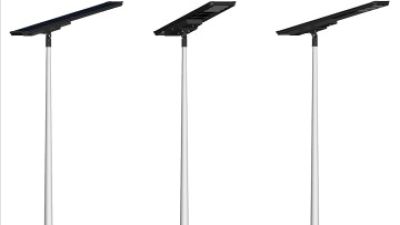
Bifacial integrated solar street lights from China reflect the global shift toward more efficient and decentralized renewable energy systems highlighted in IEA Renewables 2024 and IRENA Statistics 2024. By capturing sunlight on both sides of the photovoltaic panel, these all-in-one lights can make better use of reflected and diffused light, improving energy collection in different environments. Their integrated design combines the solar panel, Battery, LED module, controller, and lighting fixture in one compact unit, reducing wiring requirements and simplifying installation for roads, residential areas, parks, industrial sites, and rural communities.
Manufactured with advanced production processes, these solar street lights are designed to support reliable outdoor illumination while reducing dependence on grid electricity and minimizing operating costs. Smart control functions can regulate brightness, manage battery use, and provide adaptive lighting according to nighttime conditions, helping extend service life and improve energy performance. Made in China, the products can be supplied to distributors and infrastructure contractors worldwide, with configurations adaptable to local sunlight conditions, mounting requirements, and lighting standards. Their maintenance-friendly structure and off-grid capability make them suitable for both urban upgrades and remote-area development, offering a practical lighting solution for communities seeking cleaner and more flexible infrastructure.
Conclusion
The global solar market added 345.5 GW in 2023, increasing demand for efficient, reliable, and scalable equipment. This article examines how leading manufacturers manage the full value chain, from polysilicon and wafers to cells, modules, and complete power systems. It also compares advanced TOPCon and HJT technologies, which have achieved commercial efficiencies above 23%, while assessing production capacity, shipment volumes, financial strength, and independent bankability rankings.
For global buyers, selecting a Vertical Solar Module requires more than comparing headline efficiency. The analysis highlights reliability testing, third-party performance scorecards, and degradation warranties lasting up to 30 years. It also explains how tariffs, local-content rules, shipping conditions, regional supply chains, and climate factors can influence procurement decisions and levelized cost of electricity. Together, these considerations provide a practical framework for evaluating module suppliers and choosing solutions suited to different markets, project sizes, and long-term investment goals.