Leave Your Message


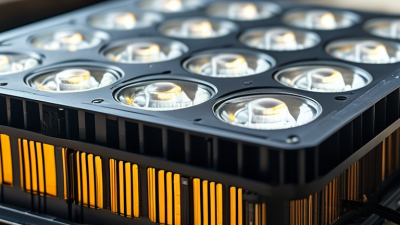
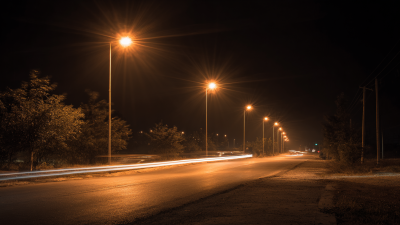
A Led Street Light is basically an outdoor fixture that uses LEDs to light up roads, sidewalks, and public spaces. It usually combines LED chips, a driver, a heat-dissipating housing, and optics that are carefully shaped. When dusk sets in, instead of just shining a bright circle downward, the light casts a well-planned pattern across the pavement—kind of like it’s designed with intention, not just brightness in mind.
Lighting expert James R. Benya, known for his practical approach to lighting design, has a good saying: “Good lighting supports visibility without relying on brightness alone.” And honestly, that really hits the mark. Street Lighting isn’t just about blasting light everywhere; it’s about helping people see the edges of the road, crossings, and obstacles clearly—without causing glare or wasting energy. How well this works depends on more than just the fixture itself; things like pole height, spacing, lens angle, color tone, and how the light operates all play a part.
Sure, LEDs tend to use less energy and last longer than older types of lights, but it’s not a guarantee. Performance can vary pretty a lot depending on the product and how it’s installed. A bad choice of fixture might leave some dark patches or send unwanted light into nearby windows—definitely not magic, just good planning needed.
When you're comparing LED street lights, don’t just look at wattage. Dig into the details: how the light is spread out, its rated brightness, color temperature, driver quality, and any tested data available. Make sure the design fits the layout of the street. Also, think about maintenance—if the fixture’s hard to access or service, you might regret it later. Some people even search for “Led Light Street Light,” though the wording might be a bit awkward. The real question is: will it give even, useful illumination where people need it? There’s no one-size-fits-all answer, so doing a proper site assessment usually makes a lot of sense before finalizing anything.
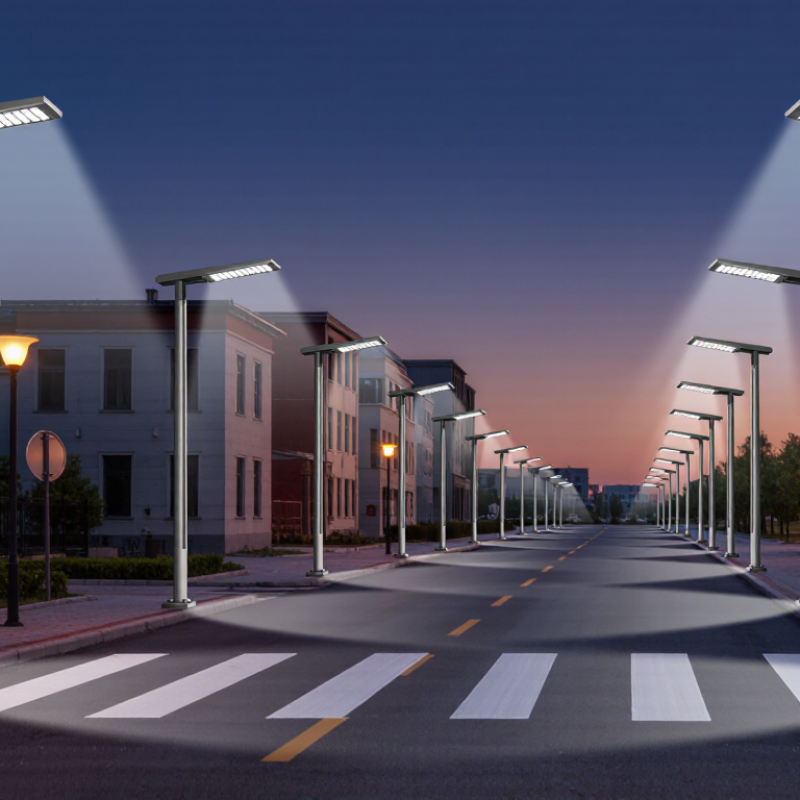
An LED street light is an outdoor roadway luminaire that uses light-emitting diodes to illuminate streets, sidewalks, and public spaces. Its housing protects electrical components from rain, dust, and temperature changes. A driver regulates power to the LEDs, while lenses or reflectors direct light toward the ground. The basic purpose is clear: help people see where they are going.
Good street lighting supports drivers, cyclists, and pedestrians after dark. It can make lane markings, crossings, curbs, and obstacles easier to notice. That matters. Well-directed light can also reduce wasted illumination into windows or the night sky, though results depend on the fixture, mounting height, spacing, and aiming.
LED systems often use less electricity than older lighting technologies and can require less frequent lamp replacement. Still, an LED fixture is not automatically effective. Poor spacing may leave dark gaps, while excessive brightness can cause glare. Planners need to consider traffic patterns, nearby homes, weather, and maintenance access.
Even a carefully designed installation may need adjustment after people experience it on the street. Lights are practical tools, not a substitute for attentive road design. It is worth checking how the light feels at pedestrian level, not just how bright it looks on a specification sheet.
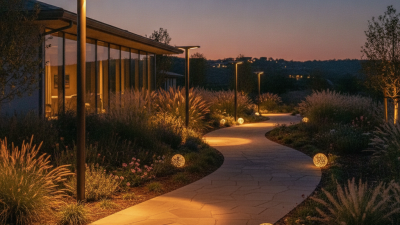
Vertical solar tube garden lights offer parks a distinctive way to combine decorative appeal with practical outdoor illumination. Their slim, upright form takes up little space and can sit comfortably alongside paths, planting beds, seating areas, and landscaped entrances. With a compact footprint and lower wind resistance than broader fixtures, they are suited to open park settings where unobtrusive design and dependable performance matter.
Sourcing directly from a capable China-based factory gives project planners access to consistent manufacturing and solutions suited to larger outdoor installations. The tube-shaped design receives sunlight from 360 degrees, helping capture available daylight throughout the day for energy generation. Durable construction and efficient operation support everyday use, while the vertical profile adds a clean visual accent after dark. These factory-direct decorative lights can be specified for park pathways, garden borders, and other shared outdoor spaces, with layouts tailored to the character and lighting needs of each site.
It uses semiconductor diodes to turn electricity into visible light. Efficient direction helps, but design still matters.
Cobrahead fixtures often light roads. Shoebox fixtures suit parking areas, while post-top lanterns serve walkways. Different settings need different shapes.
Type II, III, and IV optics spread light differently across roads and edges. Narrow streets may need controlled coverage; wide roads may need broader patterns.
Yes. Shielding and careful aiming can limit spill into bedroom windows. A poorly aimed fixture can still cause glare.
Wattage, operating hours, and controls all matter. Dimming can lower output on quiet streets. Results vary.
A 2017 forecast projected 5.1 quads of cumulative savings by 2035 across general lighting applications, not street lighting alone. That distinction is easy to miss.
Check for flickering, water inside housings, loose connections, and damaged lenses. Dust and road film can dull lenses. Wipe them clean.
Yes. LED modules may last longer, but drivers and surge protection can fail after heat or lightning. “Maintenance-free” sounds too absolute. Keep a simple log.
Brightness is only one factor. Color temperature, glare, uniformity, and pole spacing shape visibility and comfort. A cooler-looking road is not always safer.
A Led Street Light is an Outdoor Lighting fixture designed to illuminate roads, sidewalks, parking areas, and other public or private spaces. It uses light-emitting diodes to provide dependable illumination while directing light toward the areas where it is needed. Its main components typically include LED chips, a heat-dissipating body, an optical lens or reflector, a driver that regulates electrical power, and a mounting structure. Together, these parts help the fixture operate safely and distribute light effectively.
LED street lights are available in different shapes, output levels, beam patterns, and mounting configurations to suit varied locations and lighting needs. Their optics guide light onto streets and walkways, helping support visibility while limiting unnecessary spill. Compared with many traditional lighting options, LED systems can use energy efficiently and offer a long service life. Performance depends on factors such as fixture design, installation, operating conditions, and maintenance. Periodic inspection and cleaning can help preserve light output, while replacing worn or damaged components can keep the system working reliably.