Leave Your Message
0%

A Led Street Light is basically an outdoor lighting setup that uses those energy-efficient light-emitting diodes. It’s designed to turn electrical power into focused, controllable light — kind of like what you see illuminating roads, sidewalks, parking lots, and other public areas. Unlike the old-school sodium vapor lamps that took a while to reach full brightness, LEDs light up almost instantly. Plus, they give you more precise control over how the light is distributed and can be dimmed easily if needed.

Inside the fixture, there’s an LED module that actually produces the light through special semiconductor materials. A driver unit manages the current flowing through the LEDs, making sure they don’t get overwhelmed or flicker because of electrical fluctuations. There’s also a heat sink that pulls heat away from the LEDs to keep them cool, and lenses that help direct the light exactly where it’s needed — like onto the pavement. Depending on the setup, you might find photocells, timers, or even smart controllers attached to adjust the lighting based on daylight, traffic, or scheduled maintenance. Some folks looking for these products might search for the term Led Light Street Light, even though it’s a bit of a weird phrase.

When it comes to actual installation, it’s not just about wattage. Engineers pay close attention to lumens (that’s the actual light output), color temperature, glare levels, how high the light is mounted, the angle of the beam, and even the weather conditions in the area. The IP and IK ratings are also super useful—they tell you how well the fixture resists water and impacts. A solid assessment involves measuring actual brightness, checking energy use, and inspecting the wiring and connections. In other words, details really do matter.

Never forget, no fixture is perfect. A brighter light might seem great, but it can cause glare or create uneven shadows. If the thermal management isn’t up to par, the LEDs might not last as long as they’re supposed to. Sometimes, what we see in the lab doesn’t quite match real-world results—so actual site conditions can throw curveballs. That’s why choosing the right LED street light is all about looking at detailed product info, understanding the specific installation environment, and honestly comparing options. This guide will help demystify how these systems work and what experts need to check before installing, replacing, or maintaining them for the long haul.
What Is an LED Street Light and How Does It Work?

What Is an LED Street Light?

An LED street light is an outdoor lighting fixture that uses light-emitting diodes to illuminate roads, sidewalks, parking areas, and public spaces. Unlike older lamps, LEDs produce light through semiconductor materials instead of heating a filament or exciting gas. This design usually provides clearer visibility, lower energy consumption, and a longer service life.

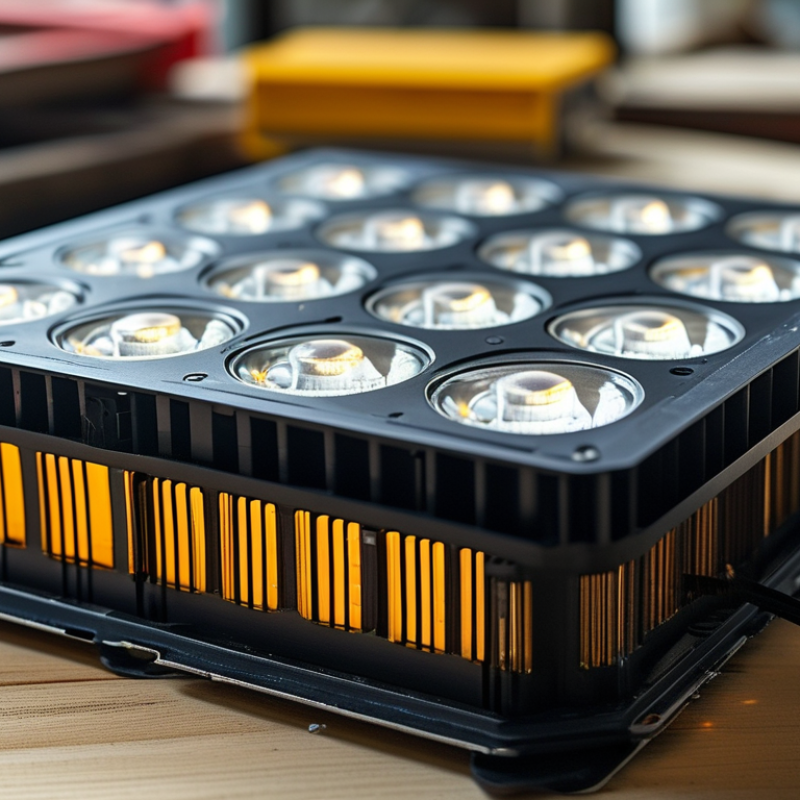
Each LED converts electrical energy into light when current passes through its semiconductor junction. The driver controls that current and changes incoming power into a stable form the LEDs can use. A heat sink carries heat away from the LED module, because excessive heat can reduce brightness and shorten component life. Optical lenses then distribute the light across the road. The pattern may be broad, narrow, or asymmetric. It is not simply a brighter bulb.

Practical performance depends on more than the LED chip. Engineers consider mounting height, road width, weather exposure, glare, and color temperature. In wet or dusty locations, enclosure protection becomes especially important. A CE Certification Led Light Street Light should have clear conformity documentation, technical records, and safety information for its intended market. However, certification markings alone do not guarantee excellent illumination. One detail is easy to overlook: dirty lenses can reduce useful light noticeably. Maintenance teams should inspect wiring, seals, lenses, and pole connections during scheduled checks. Small faults can grow.

The Main Components of an LED Street Light

An LED street light converts electrical energy into directed light through several coordinated components. At its center, LED chips sit on a circuit board and produce light when current passes through them. A secondary lens or optical cover shapes that light across roads, sidewalks, and crossing areas. Without suitable optics, a bright fixture can create dark patches or uncomfortable glare. This is often missed.

The driver controls voltage and current, keeping the LEDs stable as supply conditions change. It also influences dimming, efficiency, and service life. A metal heat sink draws heat away from the circuit board, while the sealed housing protects internal parts from rain, dust, and insects.

During field inspections, I look for blocked cooling fins, loose seals, and moisture near the driver. Small faults can become expensive failures.

Many fixtures include a photocell, timer, or network control module for automatic operation. Surge protection helps reduce damage from switching events and nearby lightning, although it cannot prevent every failure. The mounting arm and adjustable bracket must hold alignment during wind and vibration. Led Light Street Light Manufacturers should document thermal tests, photometric data, ingress protection, and electrical safety results. Specifications alone are not enough; installation quality matters. I would question unusually long lifetime claims, because heat, voltage, and cleaning conditions vary between streets. Real performance is less tidy.

How LED Street Lights Produce Illumination

An LED street light produces illumination through semiconductor technology. Inside each LED, electric current passes through a semiconductor junction. This movement releases energy as visible photons, creating light without a glowing wire. The process begins when alternating current from the street network enters the fixture. A driver converts it into stable direct current. This control protects the LEDs from voltage changes and helps maintain consistent brightness.

The light then passes through a lens or optical cover. These components shape the beam toward roads, crossings, and sidewalks. Good optical design reduces wasted light near building walls and above the road. A heat sink carries heat away from the LED board. This matters because excessive heat can reduce light output and shorten component life. The fixture may also use a photocell, timer, or network control system to adjust operation after sunset.

In field inspections, a working lamp can still reveal uneven illumination. Dirty covers, poor aiming, or a failing driver may create dark patches. The explanation is not perfect without considering local conditions. Wet pavement reflects light differently from dry asphalt. Tree growth can also change the original lighting pattern. Engineers therefore review measured lux levels, mounting height, road width, and color temperature before selecting a suitable design. LED technology is efficient, but installation quality remains part of the result.

What Is an LED Street Light and How Does It Work?

How LED Street Lights Produce Illumination

LED street lights produce illumination when electrical current passes through semiconductor LEDs, causing them to emit light. A driver regulates the current, while lenses and reflectors distribute the light across the road. Their high luminous efficacy means they can produce more visible light from the same amount of electricity than many traditional street-light sources. Actual performance varies with fixture design, operating temperature, optics, and maintenance.

How Power Is Managed and Distributed

An LED street light converts grid electricity into controlled light through an electronic driver. The driver changes incoming AC power into regulated DC current. It also limits voltage, corrects power factor, and protects the LED module from surges. This process matters because unstable current can create flicker, heat, and early failure.

Power usually travels from a distribution cabinet through underground cables to each pole. A photocell or digital controller switches the fixture on at dusk. Dimming commands can then reduce output during low-traffic hours. The International Energy Agency reports that lighting consumes about 15% of global electricity. Better control can reduce unnecessary nighttime demand.

The driver is the control center.

A High-Quality Led Light Street Lightmay use constant-current regulation, thermal sensors, and surge protection. These features support stable illumination beside wet roads, dusty junctions, and cold metal poles. The U.S. Department of Energy states that Led Lighting can use at least 75% less energy than incandescent lighting. However, street-light savings depend on existing lamp types, operating schedules, and maintenance quality.

Field measurements still matter. A poorly tuned system may over-light sidewalks while leaving crossings dim. That is an uncomfortable design failure. Engineers should check voltage drop, power factor, harmonic distortion, and actual lux levels after installation. Reports provide useful benchmarks, but local roads remain the final test.

How LED Street Lights Control Brightness and Timing

An LED street light uses light-emitting diodes to convert electrical energy into focused illumination. Unlike older lamps, LEDs produce less wasted heat and respond quickly to control signals. A driver regulates current, while a lens spreads light across the road, sidewalk, or crossing. The result is a more even beam with fewer dark patches.

Brightness control usually combines scheduled dimming with real-time sensing. A controller may reduce output to 30% after midnight, when traffic is lighter. It can raise power before dawn or during a busy evening period. Photocells measure surrounding light, while astronomical clocks adjust timing through seasonal sunrise and sunset data. Some systems also use motion sensors. When a vehicle or pedestrian approaches, the fixture brightens within seconds.

A reliable Led Light Street Light Manufacturer should test these settings under rain, dust, cold starts, and uneven road conditions. Small details matter. A sensor covered by dirt may delay activation. A poorly aimed fixture can shine into windows instead of onto the pavement. Technicians often check light levels with a meter and compare them with the control schedule. The system is not flawless. Local weather, tree shadows, and unexpected traffic can confuse simple automation. That is why practical commissioning and periodic review remain important, even when the controls appear to work perfectly.

The Benefits and Limitations of LED Street Lighting

What Is an LED Street Light and How Does It Work?

An LED street light uses light-emitting diodes to convert electricity into visible light. A driver regulates current and protects the diodes from voltage changes. Heat moves through a metal housing and finned heat sink. This matters because excessive heat reduces LED life. In field inspections, clean lenses and unobstructed vents often make a noticeable difference. The fixture may also include photocells, motion sensors, or network controls.

The Benefits and Limitations of LED Street Lighting

LED lighting can reduce energy use because it produces more light with less power. Its focused beam also limits wasted light near sidewalks, walls, and empty spaces. Instant starting is useful during winter mornings or power restoration. Many installations maintain acceptable brightness for years, with less frequent lamp replacement. That lowers traffic disruption and routine maintenance costs.

The savings are real, but not automatic. Poorly designed optics can create dark patches or harsh glare for drivers. Very cool white light may feel sharp and disturb nearby residents. Electronic drivers can fail before the LED itself, especially during surges or extreme heat. Upfront costs may also challenge small municipalities. A reliable project needs measured illuminance, suitable color temperature, surge protection, and scheduled cleaning. I have seen projects judged successful by energy bills alone, while residents still complained about bedroom glare. That gap deserves attention.

What Is an LED Street Light and How Does It Work? - The Benefits and Limitations of LED Street Lighting

Data Dimension Typical LED Street Lighting Data Reference or Comparison Practical Meaning
Operating principle Electric current passes through semiconductor light-emitting diodes, producing light through electroluminescence. Unlike discharge lamps, LEDs do not require an arc tube or gas discharge to generate light. Light output can be controlled electronically and directed more accurately toward the roadway.
Typical system efficacy Approximately 90–160 lumens per watt for many modern roadway luminaires. Actual values vary by LED package, optics, driver, operating temperature, and maintenance condition. Higher efficacy can provide the required roadway illumination with less electrical power.
Common connected load About 30–250 watts per luminaire, depending on mounting height, road classification, spacing, and lighting requirements. Large highways and high-mast applications generally require more power than residential streets. Wattage alone is not enough to compare products; delivered light and uniformity must also be evaluated.
Expected useful life Commonly rated at 50,000–100,000 operating hours before reaching a specified lumen-maintenance level. The rating is usually based on lumen depreciation, not complete failure of every LED. Longer service intervals can reduce relamping labor, traffic control, and maintenance disruption.
Energy-saving potential Approximately 40–70% electricity reduction is possible in many upgrades from older outdoor lighting systems. Savings depend on the original lamp wattage, operating schedule, dimming strategy, and replacement design. A lighting audit and photometric redesign are needed to confirm actual savings.
Color rendering index Often approximately CRI 70–90, with higher values available for applications requiring better color recognition. High-pressure sodium lighting commonly provides much lower color rendering, often around CRI 20–30. Improved color recognition may support pedestrian visibility, roadway observation, and security monitoring.
Color temperature options Common options range from approximately 2,200 K to 5,000 K; many roadway projects select 2,700–4,000 K. Lower color temperatures generally appear warmer, while higher values appear cooler and bluer. Color temperature should be selected with consideration for visibility, community preference, wildlife, and local regulations.
Beam control Multiple optical distributions are available, including narrow, medium, wide, and asymmetric roadway patterns. LED arrays and lenses can shape light more precisely than many traditional omnidirectional lamp systems. Better optical control can reduce wasted light, glare, and unwanted illumination outside the target area.
Start-up behavior Typically reaches usable light output almost immediately after power is applied. Some high-intensity discharge lamps require warm-up and may need time to restrike after a power interruption. Immediate start-up can improve reliability for intersections, crossings, and emergency lighting conditions.
Dimming capability Usually compatible with programmed dimming, photocells, motion sensors, and networked controls when the driver supports them. Control compatibility depends on the driver, control protocol, wiring, and municipal management system. Adaptive dimming can reduce energy use during low-traffic periods, but requires suitable planning and commissioning.
Thermal management Heat sinks and airflow paths transfer heat away from the LED junction and driver. Excessive heat can accelerate lumen depreciation and shorten the life of electronic components. Performance depends on housing design, ambient temperature, installation orientation, and cleanliness.
Environmental operating range Many outdoor luminaires are designed for approximately −40°C to +50°C, subject to the specific product rating. Cold conditions generally do not create the same start-up delay associated with some discharge lamps, but drivers still have temperature limits. Local climate, solar exposure, humidity, salt, dust, and vibration should be considered during specification.
Ingress protection Outdoor roadway luminaires commonly use sealed housings rated around IP65–IP66 or higher. The first IP digit addresses solid particles; the second addresses water protection. Higher protection can help resist rain, dust, and water jets, but does not eliminate the need for proper maintenance.
Main limitations Higher initial cost, electronic-driver failure risk, glare if poorly designed, and possible blue-light or light-pollution concerns. Performance varies significantly with optical design, color temperature, controls, installation, and maintenance. A complete project assessment should consider life-cycle cost, photometric quality, environmental impact, and maintainability.
Typical payback period Often approximately 2–7 years, depending on electricity prices, operating hours, maintenance savings, and installation cost. Payback is project-specific and should be calculated using measured loads and local utility rates. The financial result improves when lights operate for long hours or when existing systems require frequent maintenance.

Note: The figures shown are representative industry ranges rather than guaranteed values. Actual performance should be verified using the luminaire’s photometric report, electrical data, environmental rating, and project-specific lighting calculations.

China All-in-One Solar Street Lights: Supplier Insights from IEA and Grand View Research Reports

China’s all-in-one solar street lights are gaining attention as cities and rural communities seek practical ways to improve outdoor illumination while controlling energy costs. Insights from international energy and market research reports indicate continued interest in renewable lighting, especially where grid access is limited or electricity expenses are rising. By combining the solar panel, battery, LED light source, and control system in one compact unit, these lights support efficient operation with fewer components and a cleaner installation.

Manufactured by experienced Chinese suppliers, the systems are designed for durability, convenient transportation, and simplified deployment. Their integrated structure can reduce wiring requirements and installation time, making them suitable for roads, residential areas, parks, campuses, parking spaces, and remote pathways. Automatic lighting controls can adjust operation according to daylight conditions, while high-efficiency LED technology provides clear illumination with relatively low energy demand.

Factory-produced solutions also offer flexible configurations for different climates, pole heights, lighting levels, and project budgets. Suppliers can provide options with varying battery capacities, solar panel performance, and protective features to support reliable service in urban and rural environments. Choosing an all-in-one solar street light helps project owners reduce dependence on conventional power supplies, lower maintenance needs, and create more sustainable outdoor spaces.

FAQS

: What is an LED street light?

: It is an outdoor fixture that uses semiconductor light-emitting diodes. It illuminates roads, sidewalks, parking areas, and public spaces. No glowing filament is needed.

How does an LED street light produce light?

Electrical current passes through a semiconductor junction inside each LED. This movement releases visible photons. A driver changes incoming power into stable current for the LEDs.

What are the main parts of an LED street light?

Common parts include LED chips, a circuit board, driver, lens, heat sink, and sealed housing. Some fixtures also include photocells, timers, or network controls. Each part affects performance.

Why is a heat sink important?

The heat sink moves heat away from the LED board. Excessive heat can reduce brightness and shorten component life. Blocked cooling fins may cause trouble.

How do lenses affect street lighting?

Lenses direct light across roads, crossings, and sidewalks. Their patterns may be broad, narrow, or asymmetric. Poor optics can create glare, wasted light, or dark patches.

Can LED street lights operate automatically?

Yes. Photocells, timers, or network controls can adjust operation after sunset. These controls may reduce unnecessary operating time. They do not solve every lighting problem.

What should inspectors check during maintenance?

They should inspect lenses, wiring, seals, pole connections, and driver areas. They should also look for moisture, dirt, loose parts, and blocked cooling fins. Small faults can become expensive failures.

Does certification guarantee excellent illumination?

No. Certification documents can show conformity and safety information for a target market. They do not guarantee ideal brightness or uniform road coverage. Installation still matters.

What conditions can change lighting performance?

Mounting height, road width, weather, glare, and color temperature all influence results. Wet pavement reflects light differently from dry asphalt. Tree growth can alter the original pattern.

Do LED street lights always provide perfect lighting?

No. Dirty covers, poor aiming, failing drivers, and weak installation can reduce performance. Measured lux levels should be reviewed in real conditions. The result is not always tidy.

Conclusion

An Led Street Light is an outdoor lighting system that uses light-emitting diodes to provide efficient and reliable illumination for roads, sidewalks, parking areas, and public spaces. Its main components typically include LED chips, a heat sink, optical lenses, a housing, a power supply, and mounting hardware. When electricity reaches the LED chips, electrons produce light with very little wasted energy. The lenses then guide and distribute that light across the target area, while the heat sink helps control operating temperature.

Power is received from the electrical grid and regulated by a driver that converts and stabilizes the current needed by the LEDs. Modern systems may also include sensors, timers, or control units that adjust brightness according to traffic, daylight, or scheduled hours. This reduces energy use and maintenance needs. However, LED street lighting can involve higher initial installation costs, glare concerns, and performance limits caused by extreme weather or poor design. Overall, it offers long service life, consistent illumination, and improved energy efficiency.

Sophia

Sophia

Sophia is a dedicated marketing professional at Zhongshan Sanhui Lighting Technology Co., Ltd., where she leverages her expertise to elevate the company's brand presence. With a deep understanding of the lighting industry, she excels in showcasing the innovative products that Sanhui offers. Her......
Previous Discover the Best Smart Parking Solutions for Global Buyers?