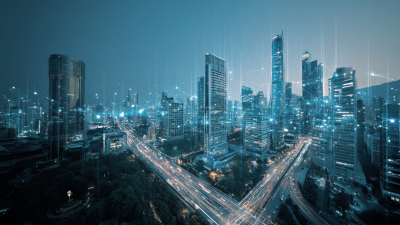
You know, the idea of a 'Smart City' has been gaining a lot of buzz around the world lately, mainly because everyone’s realizing how important it is to develop cities sustainably as more folks move into urban areas. I recently came across a report from IDC—yeah, that International Data Corporation—and it said that investments in smart city projects are expected to hit around $135 billion by 2026. A pretty hefty chunk of that’s probably going toward smarter energy solutions, which totally makes sense. It really shows how tech breakthroughs are playing a huge role in making cities more efficient and improving life for the people living there. Here at SUNFREE Lighting Technology Co., Ltd., we’re super excited about how smart city tech can completely transform urban spaces. By weaving in advanced lighting solutions into city infrastructure, we’re helping save energy, cut down carbon footprints, and boost public safety—all while supporting the sustainability goals modern cities are chasing after. It’s an exciting time for urban innovation, for sure!
Identifying Key Smart City Technologies for Sustainable Urban Development
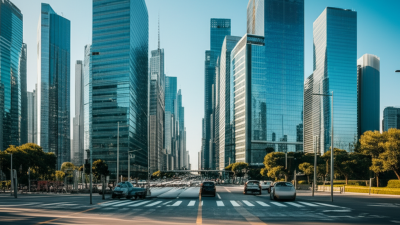
When it comes to making cities smarter, these tech innovations really play a huge role in creating more sustainable places to live. Stuff like AI, big data, and surveillance systems for public safety aren’t just buzzwords — they actually help city officials manage things better and make sure neighborhoods are safe and comfortable.
Funny enough, recent reports show that the global market for smart city tech is expected to skyrocket, jumping from around $767 billion in 2024 all the way up to a staggering $4.6 trillion by 2032. That’s a growth rate of roughly 25% each year! It’s no surprise though — with cities struggling to deal with rapid growth and new risks, these technologies become more and more essential.
For example, cities like Yichang are really leading the way with projects like the City Super Intelligence initiative, which uses AI to make daily urban life smoother and more efficient. These upgrades don’t just make city governance more streamlined — they also help communities bounce back after crises, like what we saw during COVID-19. Plus, better public safety monitoring, like advanced video surveillance, plays a key role in keeping everyone secure and improving social safety measures. All in all, focusing on human-centered tech solutions is shaping how we’ll live in cities in the future — making them safer, smarter, and more sustainable for everyone.
Integrating IoT Solutions for Efficient Resource Management in Cities
So, when it comes to smart cities, integrating Internet of Things (or IoT) solutions is pretty much essential if we want things like resource management to run smoothly. As cities aim to become more sustainable and efficient, embracing these advanced IoT techs really starts to make a difference. I read recently that the market for IoT in fleet management is expected to grow a lot, mainly because of the rollout of 5G networks. This new tech allows data to be transferred instantly, which helps urban transit systems run more smoothly and smarter—like better traffic control and fewer jams. Honestly, by using these kinds of technologies, cities can better manage their resources, cut down on congestion, and just make city life a lot better for everyone.
And there's more—things are changing fast with the combo of Building Information Modeling (BIM), IoT, and Artificial Intelligence (or AI). This trio is totally transforming how we design and run infrastructure around the world. More people want smart buildings, and the market's actually growing quickly. Experts say that by 2025, the smart building sector could be worth around $3.4 billion. That's a big jump, and it shows how IoT is becoming a core part of city management—helping handle energy, waste, and more. When cities adopt these intelligent infrastructures, not only do they get more efficient, but they also set the stage for sustainable growth and resilience for the future. It’s exciting stuff, really—kind of like building a smarter, greener urban future, piece by piece.
Utilizing Big Data Analytics to Enhance Urban Planning and Services
Hey, you know what? Incorporating big data analytics into city planning is really becoming a game-changer if we want smart, sustainable urban environments. I was reading a report from the McKinsey Global Institute, and it turns out cities that get a handle on their data can actually boost their services and run more smoothly—like up to 30% better efficiency! Pretty impressive, right? For example, with the right data tools, city planners can fine-tune energy use, smooth out traffic jams, and improve waste management. All of this stuff is super important if we want to cut down urban pollution and avoid wasting resources. It’s totally in line with what SUNFREE Lighting Technology Co., Ltd. is all about—pushing forward new energy solutions to make our cities better places to live.
And it’s not just about fixing things—adding smart city tech actually helps create a more sustainable ecosystem. Take Public Lighting, for example. Studies from the International Energy Agency say we can cut energy use by nearly half with energy-efficient lights. When cities use big data to analyze how energy is used, they can set up smart lighting systems that turn on or dim based on real-time needs. That means greener urban growth without sacrificing brightness or safety. As a big player in new energy applications, SUNFREE is really well-positioned to help drive these changes. The goal? Evolving our cities into smart, sustainable systems that think ahead and really prioritize eco-friendliness.
Promoting Citizen Engagement through Smart Platforms and Applications
When it comes to building sustainable cities, getting residents involved through smart platforms and apps is a total game-changer. These smart city tech solutions give folks the tools to actively participate in planning and managing their communities. By using mobile apps and interactive platforms, cities can collect real-time feedback from citizens—which means decision-makers can better understand what really matters to the community. It’s a win-win because it helps people feel more connected and confident that their voices are being heard during the development process.
As a leader in innovative energy products, SUNFREE Lighting Technology Co., Ltd. is in a great spot to be part of this change. By adding smart lighting to urban areas, we’re not just making streets safer and more visible—we’re also gathering useful data on energy use and public safety. Our focus on innovation lines right up with the goals of smart city projects, where technology isn’t just about gadgets, but about making life better for everyone while promoting eco-friendly practices. Through teamwork and cutting-edge tech, we’re working toward creating connected spaces that invite community involvement and push urban development forward in smarter ways.
Developing Sustainable Mobility Solutions with Smart Transportation Systems
As cities keep growing and populations swell, it’s more important than ever for urban areas to figure out sustainable ways to move people around. No kidding—reducing traffic jams and cutting down on carbon emissions should be top priorities. One promising route is smart transportation systems, which use cool tech like IoT, AI, and real-time data to make getting around smoother. In fact, a report from the International Transport Forum suggests that if cities roll out smart traffic management, travel times could drop by up to 25%, and emissions from transport might decrease by 10 to 25%. That’s pretty significant, right?
Here’s an idea: smart traffic signals that change based on what's happening on the road. They can really help keep traffic flowing and prevent those frustrating long waits at lights. Plus, if public transit apps get smarter—allowing folks to plan their trips easily—it can totally encourage more people to leave their cars at home. A study by McKinsey even shows that cities boosting their transit systems with digital tools might see up to a 30% jump in riders, which naturally eases up the congestion.
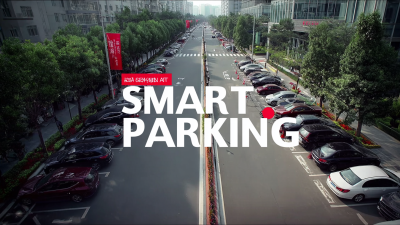
Oh, and a couple of extra tips—partnering with tech companies for real-time tracking of buses and trains can be a game-changer, letting commuters know exactly when their ride will arrive. Also, encouraging carpooling via ride-sharing apps with smart GPS can help create more shared rides and cut down on traffic even more. It’s all about making transport smarter, simpler, and more sustainable.
Implementing Renewable Energy Innovations in Smart Urban Environments
Switching over to renewable energy ideas in smart cities is honestly a huge step toward making urban living more sustainable. Did you know that, according to the International Renewable Energy Agency (IRENA), the global renewable energy scene is expected to grow by more than 50% by 2030? That kinda puts into perspective just how important it is to weave these new techs into how we plan and build our cities. Cities, after all, are responsible for about 70% of the world’s CO2 emissions, which totally highlights the urgent need for cleaner energy options. By using Solar Panels, wind turbines, and other energy-saving systems, local governments can seriously cut down their carbon footprint and boost energy security.
If cities wanna successfully get renewable energy up and running, a good first step is doing thorough energy audits to see how much power they’re really using. The insights gained can then help officials figure out the best renewable sources for their specific area and make smarter efficiency choices. Plus, teaming up with clean energy startups can speed things along—these partnerships can bring fresh, innovative solutions that work well in busy urban settings.
And let’s not forget about smart grid tech. Investing in these systems is key to making energy distribution more reliable and efficient. A report from the Smart Electric Power Alliance notes that smart grid investments could save over $25 billion every year just in the U.S. alone! It’s also a good idea for cities to focus on creating user-friendly apps or interfaces that let residents keep an eye on and control their own energy use. That way, everyone gets more involved and we all get closer to a more sustainable urban lifestyle.
Renewable Energy Innovations in Smart Urban Environments
This chart illustrates the potential energy contributions from various renewable sources in smart cities, emphasizing the importance of integrating these technologies for sustainable urban development.
Innovative Lighting Solutions: Exploring the Benefits of DALI D4i Fully Autonomous Smart Solar Light Poles
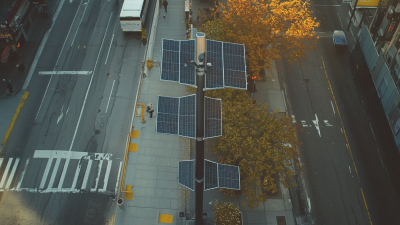
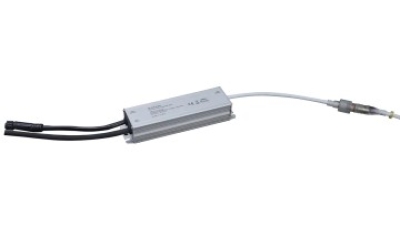
The rise of smart city initiatives is prompting a transformation in urban lighting solutions, and one standout innovation is the DALI D4i fully autonomous smart solar light poles. These advanced lighting systems utilize the latest D4i DC/DC driver technology, which is specifically designed to work seamlessly with vertical solar panels. This integration not only enhances the aesthetic appeal of urban landscapes but also significantly boosts the sustainability of city infrastructure.
According to a report from the International Energy Agency, smart lighting technologies can deliver energy savings of up to 60% compared to traditional systems. The D4i driver takes advantage of this potential by fully complying with the DALI (Digital Addressable Lighting Interface) standard, allowing cities to deploy intelligent control systems that optimize lighting levels based on real-time conditions. This means that dusk-to-dawn functionality adapts instantly, conserving energy during off-peak hours and reducing operational costs significantly.
Moreover, the DALI D4i smart solar light poles provide adaptability in a variety of urban settings, enabling cities to implement scalable solutions that cater to diverse environmental conditions. A study published in the Journal of Urban Technology highlights that cities adopting autonomous solar lighting report improved public safety and enhanced pedestrian experiences, showcasing how these innovative poles are reshaping urban environments through smarter, sustainable technology.
FAQS
: Smart city technologies enhance urban governance, promote safety, and improve livability, playing a pivotal role in sustainable urban development.
The global smart city market is expected to grow from $767.75 billion in 2024 to approximately $4.647 trillion by 2032.
Key technologies driving smart city growth include artificial intelligence (AI), big data, and public safety surveillance systems.
Big data analytics can improve urban services and operational efficiency by up to 30%, optimizing energy consumption, traffic flow, and waste management.
Smart lighting solutions can reduce energy consumption by nearly 50% and promote green urban growth by adjusting based on real-time conditions.
Citizen engagement can be enhanced through smart platforms and applications that allow residents to provide real-time feedback and participate in urban planning.
SUNFREE is committed to enhancing urban environments through innovative energy solutions, contributing significantly to sustainable urban development.
Prioritizing human-centric solutions will shape the future of urban living, leading to safer, more sustainable cities that address the needs of their residents.
The pandemic highlighted the need for technological advancements to boost community resilience and improve public health crisis management.
Enhanced public safety video monitoring systems improve national security and social governance capabilities by enabling better surveillance and response strategies.
Conclusion
So, I read this article called 'How to Leverage Smart City Technologies for Sustainable Urban Development,' and honestly, it does a pretty good job of explaining how these tech advancements are actually making city life better while also being good for the planet. It talks about things like IoT solutions—those little gadgets and sensors—that help cities manage resources more efficiently. Basically, when these systems are integrated right, city operations just run smoother. Oh, and they also mention Big Data Analytics—using tons of data to fine-tune urban planning and improve public services. That way, the city kind of evolves in a way that really meets what residents need.
Plus, citizen engagement comes up as a big deal. The article points out that smart platforms can really boost community involvement, making people feel more connected and heard. They also highlight the importance of sustainable mobility—think smart transportation systems—and the shift to renewable energy sources that fit into a smart city setup. And by the way, SUNFREE Lighting Technology Co., Ltd., is positioned pretty well to jump in and support these efforts with their new energy solutions, helping move toward smarter, more sustainable cities.
Overall, it’s a pretty compelling read about how tech can truly shape better urban living—and it’s exciting to see how companies can play a part in that shift.