In today’s world, where security really matters, integrating tech into surveillance systems has become more important than ever. At SUNFREE Lighting Technology Co., Ltd., we totally get how crucial smart Cctv solutions are for keeping people safe and making things run smoothly. As a tech-focused company passionate about developing new energy products, we pride ourselves on pushing the envelope withinnovative designs and top-notch manufacturing.
In this blog, we’ll dive into some of the best tipsfor getting the most out of your Intelligent Cctv systems—from boosting security to ensuring everything works seamlessly and reliably. By harnessing thelatest tech and staying committed to quality, we’re on a mission to support security solutions worldwide. And at the core of it all, we believe that ‘Excellence in manufacturing comes from China and serves the world.’
Understanding the Common Challenges in Intelligent CCTV Systems
Smart CCTV systems have really changed the game when it comes to security. They've brought in some pretty impressive features like facial recognition, motion detection, and data analytics. That said, even with all their perks, there are still some hurdles that can make things a bit tricky. For instance, a report from MarketsandMarkets predicts the global video surveillance market could hit around $62 billion by 2024. But many users tell me they’re dealing with issues like sensor overload, worries about privacy, and trouble syncing these new systems with what they already have in place.
One of the biggest headaches is the huge amount of data these smart systems produce, which makes it tough to keep up and respond quickly. To tackle this, I’d suggest trying out AI-based data analytics tools that can sort alerts by how urgent they are. That way, security teams can respond faster and more effectively. Also, holding regular training sessions to help staff understand the full capabilities of the system can make a big difference.
Another thing that’s causing some concern is data privacy. With laws like GDPR in Europe, companies really need to make sure they’re playing by the rules. Doing regular check-ups and using encryption can help keep sensitive info safe, and it also shows the public that their data is in good hands. By addressing these issues head-on, businesses can get the most out of their smart CCTV setups and boost their overall security efforts.
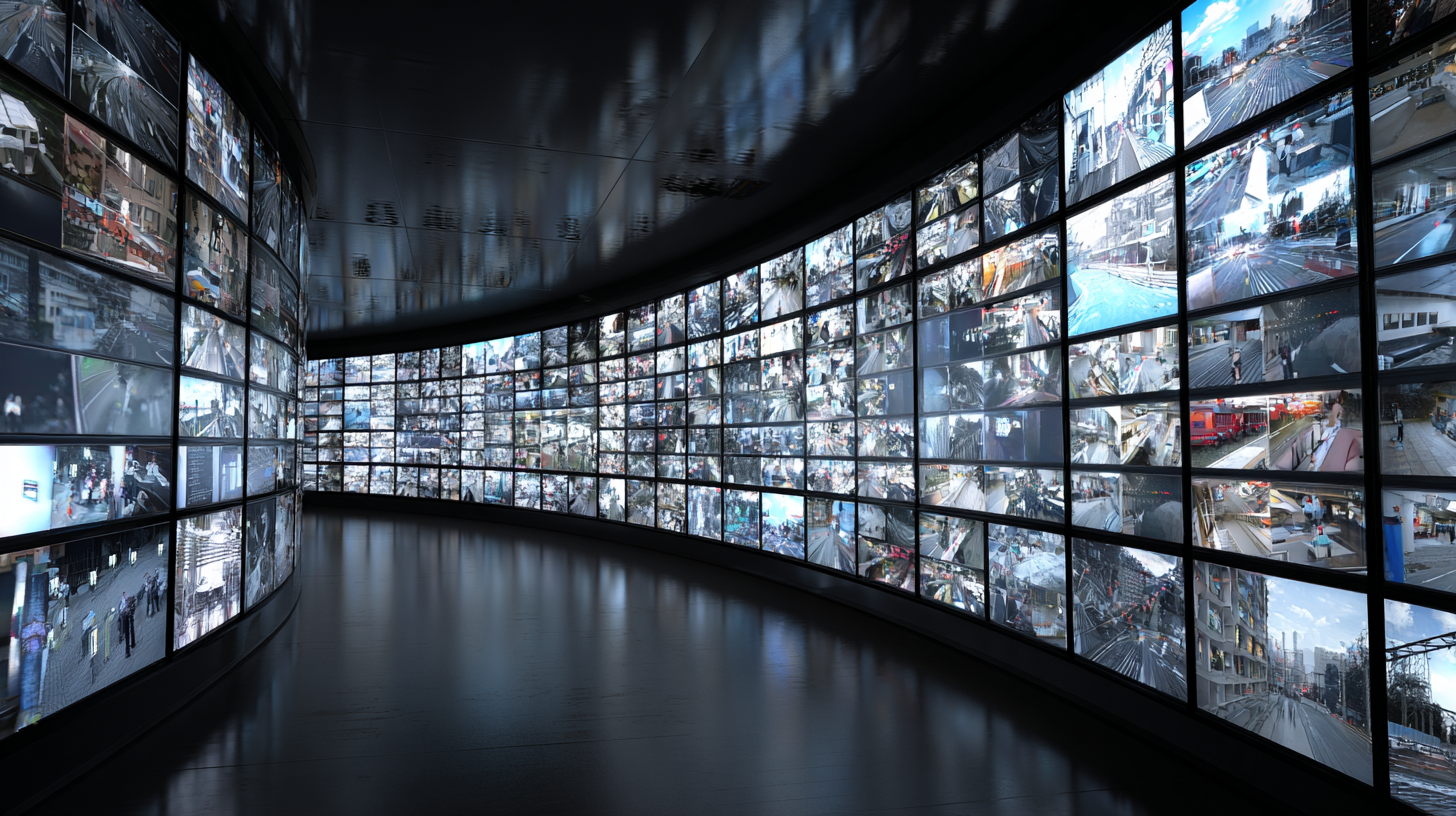
Identifying Key Issues Impacting CCTV Performance and Reliability
In today’s world, boosting the performance and dependability of Intelligent CCTV systems is more important than ever, especially with security challenges growing all the time. A recent report from IHS Markit predicts the global video surveillance market could hit around $75 billion by 2025, thanks mostly to the rising need for reliable security solutions. But let’s be honest—these systems don’t always work perfectly. Common issues like bad camera placement, not-so-great resolution, or bandwidth bottlenecks can really mess things up. Fixing these problems is crucial if we want our CCTV systems to provide real-time, accurate monitoring without a hitch.
At SUNFREE Lighting Technology Co., Ltd., we're pretty serious about combining cutting-edge tech to make CCTV solutions better. Our focus on R&D, especially around new energy tech, helps us boost the overall efficiency of surveillance setups. For example, using Energy-efficient lighting with smart CCTV cameras can really make a difference—improving image quality in low-light situations, which, let’s face it, is often a big headache for security teams. According to a study by MarketsandMarkets, better lighting can actually improve recognition accuracy by up to 30%. So, if you're serious about security, paying attention to the right lighting tech should definitely be on your radar.
All in all, enhancing these systems isn't just about fancy gadgets; it’s about smart solutions that keep us safer every day.
Effective Solutions for Addressing Video Quality Problems in CCTV
Did you know that the global surveillance camera market is expected to skyrocket from around $35.5 billion in 2022 to over $100 billion by 2029? That’s a pretty crazy growth rate of about 16.8% annually! Because of that, fixing video quality issues in CCTV systems has become super important—it’s a key part of making security better overall. As digital and smart tech keep evolving so quickly, it’s clear that optimizing video surveillance isn’t just a nice-to-have anymore; it’s essential for keeping our national security tight and improving how we govern socially.
Innovative solutions that tackle these video quality problems are absolutely crucial for making sure smart CCTV works well. With the latest imaging tech and adaptive algorithms, we can really boost the clarity and dependability of security footage, especially in critical situations. And it’s not just about public safety—smart home tech is also on the rise, and experts predict that the wireless home security camera market will hit over $9.8 billion by 2024. Plus, its growth rate of more than 13.6% till 2034 shows just how much people want better video quality for their homes too.
As we push forward with digital transformation, making sure video quality stays top-notch is all about staying ahead of the game in security solutions. If organizations can adopt the right strategies, they can provide CCTV systems that are powerful enough to handle modern security challenges—keeping the public safe and making everyone feel a bit more secure every day.
Maximizing Coverage: Tackling Blind Spots and Visibility Issues
In today’s fast-changing security world, making sure you get the most coverage with smart CCTV solutions is more important than ever. I recently came across a study by IHS Markit that found about 73% of security folks are worried about blind spots—they really impact how well their surveillance works. So, by carefully placing cameras and taking advantage of features like pan-tilt-zoom (PTZ), organizations can pretty much eliminate those sneaky blind spots and get a clearer overall view. It’s all about setting up the cameras right—proper calibration and good positioning—not only helps keep everything in sight but also cuts down on the chances of someone sneaking in unnoticed. This totally aligns with the current focus on being proactive when it comes to security.
And here’s another thing—adding in analytics tools can really boost how well your CCTV works. According to MarketsandMarkets, the video analytics market is set to jump from $3.4 billion in 2020 to around $8.4 billion by 2025. By making use of these analytics, companies can spot patterns, catch weird or suspicious behavior early, and analyze what's happening in real time. This means faster reactions, less guesswork, and a smoother operation overall. When you combine smart CCTV tech with analytics, it’s a game-changer—making security tighter and keeping your assets safer from potential threats. It’s pretty exciting stuff, really.
Maximizing Coverage: Tackling Blind Spots and Visibility Issues
Improving Network Connectivity for Seamless CCTV Operation
In today's fast-changing security world, really making the most out of intelligent CCTV setups means paying close attention to how well the network is connected. You’ve probably noticed the recent push for high-speed fiber internet, especially in deployments for military families—it's a clear sign just how vital reliable connectivity is for smooth CCTV operation. Industry experts say that managing bandwidth efficiently is a big deal, especially since video surveillance can gobble up to 30% of network resources in busy, high-density areas. Switching to fiber optics allows for faster data transfer, which helps reduce delays and makes CCTV systems perform way better.
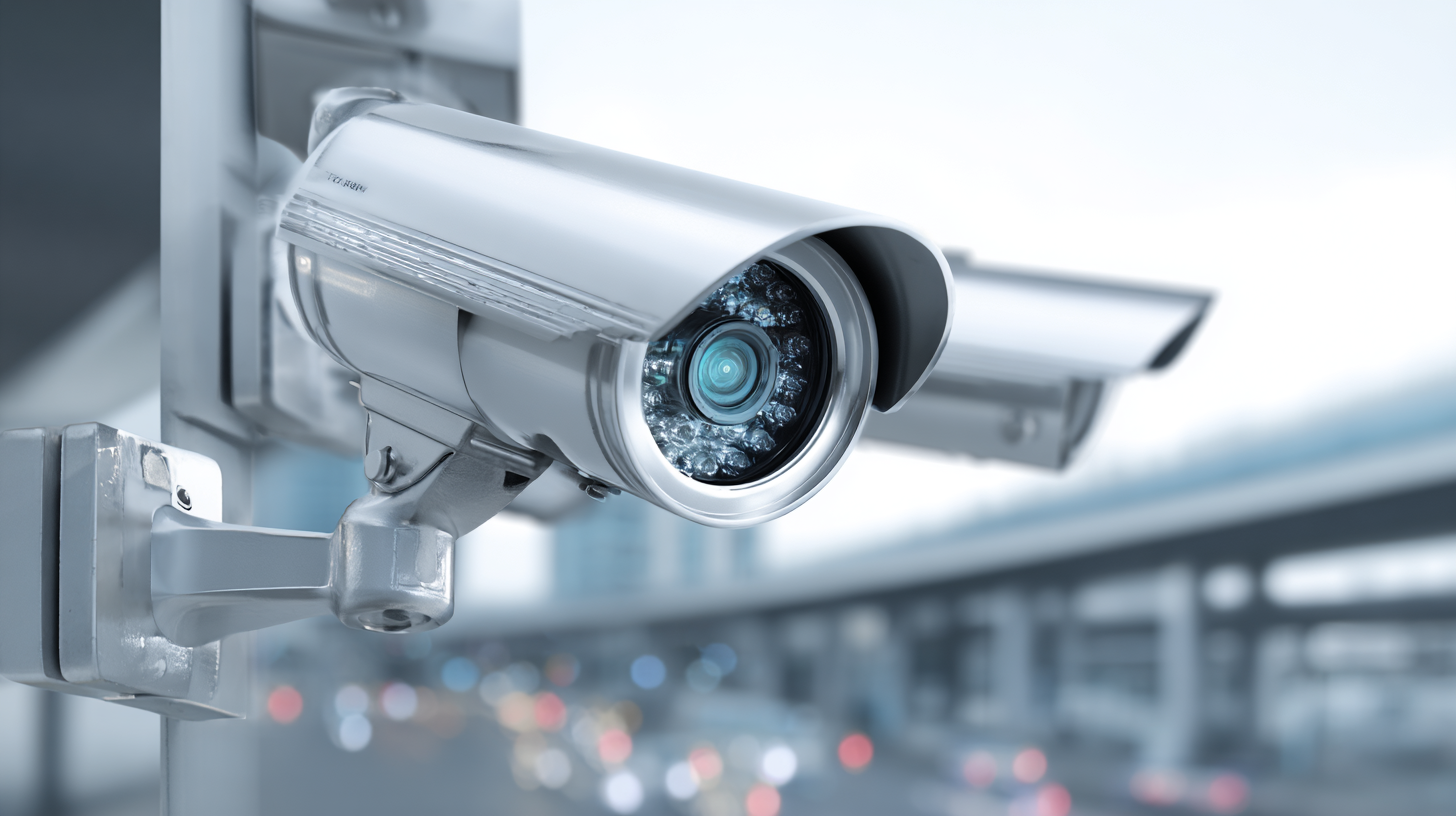
And honestly, thinking ahead with future-proof internet solutions is pretty much a must. As video tech keeps advancing—think real-time analytics and clearer, high-resolution streams—having a solid, strong network becomes even more crucial. Being a leader in new energy tech, we totally get how important technology is for beefing up security. Investing in top-notch fiber connectivity doesn’t just boost how well your CCTV works today; it also makes sure they can handle the security tech of tomorrow. That’s why, whether for homes or businesses, it’s a smart move that pays off in the long run.
Integrating AI and Analytics to Enhance CCTV Effectiveness
You know, in today’s fast-changing world of security, adding AI and analytics to CCTV systems is really a game-changer. I mean, according to a recent report from MarketsandMarkets, the global market for AI in video surveillance is expected to hit around $24.6 billion by 2025, growing at a pretty rapid rate of about 23.2% each year. That just shows how much we’re counting on smarter systems that not only watch but also analyze tons of video data in real time.
AI-powered CCTV setups now use machine learning to spot suspicious activities, recognize faces, and pick up on weird or unusual behavior in specific settings. For example, I came across a study from IHS Markit that says over 61% of CCTV installations are now using video content analysis — which basically means security teams can react faster and smarter to potential threats. These analytics tools also cut down on the manpower needed to constantly monitor everything, while actually making threat detection more accurate. It’s like having a supercharged security system that helps organizations keep everyone safer without stretching their resources too thin.
What’s more, bringing AI into the mix doesn’t just boost operational efficiency – it also gives organizations solid insights through data analysis. By looking at patterns in security footage, they can fine-tune their security strategies, making the environment safer for both employees and customers. As more companies jump on this tech train, these intelligent CCTV solutions will stay right at the forefront when it comes to protecting assets and ensuring everyone’s safety.
Top Strategies for Optimizing Your Best Intelligent CCTV Solutions for Enhanced Security
| Strategy | Description | Benefits | Implementation Cost | Effectiveness Rating |
| AI-Powered Analytics | Utilizing machine learning algorithms to analyze CCTV footage in real-time. | Increased detection accuracy and reduced false alarms. | $2000 - $5000 | 9/10 |
| Edge Computing | Processing video data locally to minimize latency and bandwidth usage. | Faster response times and enhanced privacy. | $1000 - $3000 | 8/10 |
| Video Content Analysis (VCA) | Using software to analyze key behaviors and events in video footage. | Proactive threat detection and improved situational awareness. | $1500 - $4000 | 8.5/10 |
| Cloud Storage Solutions | Storing footage on the cloud for easier access and better security. | Scalability and reduced risk of data loss. | $500 - $1500 per year | 9.5/10 |
| Integration with IoT Devices | Connecting CCTV systems with other smart devices for improved security. | Enhanced security capabilities through automated responses. | $2000 - $7000 | 9/10 |
Illuminate Your Space: Exploring the DALI D4i Autonomous Smart Solar Light Pole for Modern Lighting Solutions
Illuminate Your Space: Exploring the DALI D4i Autonomous Smart Solar Light Pole for Modern Lighting Solutions
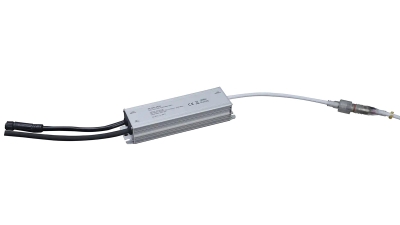
In the evolving landscape of urban lighting, the DALI D4i Autonomous Smart Solar Light Pole stands out as a beacon of innovation. This cutting-edge lighting solution harnesses solar energy through its vertical solar panels, making it an eco-friendly choice for modern cities. According to a report by the International Energy Agency, urban areas are responsible for more than 70% of global CO2 emissions, underscoring the urgent need for sustainable technologies in urban infrastructure. The D4i's advanced DC/DC driver technology allows for efficient energy conversion and optimal performance, significantly reducing operational costs while enhancing lighting efficiency.
Moreover, the DALI D4i complies seamlessly with the DALI intelligent smart control system, ensuring that municipal lighting can be managed more effectively. This integration not only optimizes energy use but also provides city managers with real-time data to adjust lighting based on pedestrian and vehicular traffic patterns. A study by the Smart Cities Council suggests that cities adopting smart lighting solutions can experience up to a 30% decrease in energy consumption. By implementing the D4i solar light poles, cities not only advance their sustainability goals but also enhance the overall urban environment, making public spaces safer and more inviting.
As the world increasingly leans towards smart city solutions, the DALI D4i represents a significant step forward in creating a greener, more intelligent, and economically viable urban landscape. The combination of innovative technology and sustainable practices ensures that urban luminaire designs will continue to evolve, fostering urban spaces that are both livable and environmentally responsible.
FAQS
: Some common challenges include sensor overload, data privacy concerns, integration difficulties with existing systems, overwhelming amounts of generated data, poor camera placement, inadequate resolution, and inadequate bandwidth.
Organizations can implement AI-driven data analytics tools to prioritize alerts based on severity, conduct regular training sessions for security personnel, and ensure proper camera placement and resolution.
Companies can conduct periodic audits, employ encryption technologies to protect sensitive information, and ensure compliance with legal standards such as GDPR.
Reliable network connectivity is essential for seamless operation, as video surveillance systems demand significant bandwidth and efficient management to ensure optimal performance.
Improved lighting conditions can enhance recognition accuracy by up to 30%, which is crucial for effective monitoring, especially in low-light environments.
Fiber connectivity allows for faster data transmission rates, reduces latency, and enhances overall performance of CCTV systems, making it vital for accommodating advanced features and future technological demands.
Integrating energy-efficient lighting with smart CCTV systems can significantly improve image quality and recognition accuracy, addressing one of the major performance concerns in surveillance.
Organizations should invest in future-proof internet solutions that support advanced features like real-time analytics and high-resolution streaming to accommodate evolving security technology needs.
Regular training helps security personnel become proficient in using system capabilities, which can enhance operational efficiency and response effectiveness in monitoring scenarios.
The global video surveillance market is projected to reach $62 billion by 2024, with expectations to climb to $75 billion by 2025, driven by increasing demand for robust security solutions.