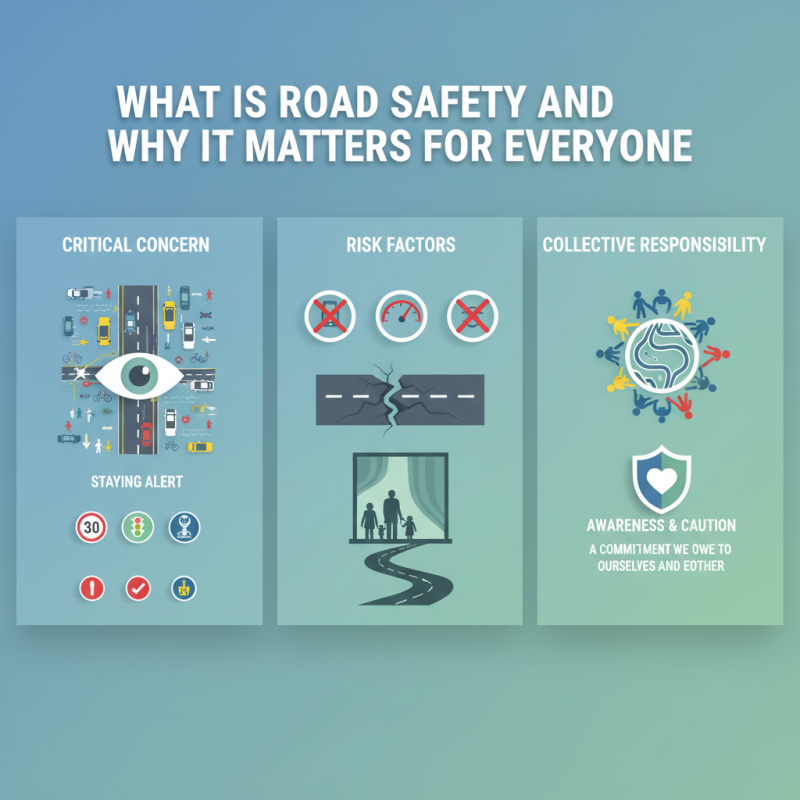
You know, Road Safety is one of those things that really concerns everyone. Think about it—every single day, quite a few of us are out there navigating busy streets, commuting, or just traveling around. But honestly, a lot of folks tend to forget how crucial it is to stay alert and stick to the rules. When safety gets overlooked, accidents happen. Sometimes we get so caught up in reaching our destination that we forget to enjoy the actual journey itself.
In today's world, where distractions are pretty much everywhere—be it texting, speeding, or even just feeling tired—it takes a lot of focus to stay safe on the road. Just picture a family waiting at home, anxious for their loved one, not realizing that a small mistake or moment of distraction could change everything. It’s a stark reminder that we each have a part to play.
And honestly, safe roads aren’t just about drivers. Pedestrians and cyclists need to be mindful too. Ignoring safety signs or crossing without looking puts everyone at risk. If we all do our part—paying attention and being careful—we can create a culture where safety comes first. It’s not just some idea—it’s a responsibility we all share, for our own sake and for others as well.
Road safety is essential for all members of society. It encompasses various measures aimed at preventing accidents and protecting lives. According to the World Health Organization, road traffic accidents claim over 1.35 million lives each year. This staggering figure emphasizes the need for increased awareness and action.
In urban areas, pedestrians are among the most vulnerable. Data shows that nearly 25% of all road fatalities involve pedestrians. Many cities lack adequate crosswalks and proper lighting. This negligence makes walking perilous. Traffic regulations often go unenforced, leading to reckless behavior on the roads. More significantly, speeding and driving under the influence remain prevalent issues, contributing to a high number of accidents.
Education and infrastructure improvement are critical for enhancing road safety. Studies indicate that effective awareness campaigns can reduce crash rates by 20-30%. Yet, too many people still underestimate the risks involved. Every injury and loss reminds us that safety is not a luxury; it is a necessity. It is crucial for everyone to recognize their role in promoting a safer environment.
Road safety is crucial for modern society as it involves the practices and measures we take to prevent road accidents and protect all road users. The data above shows a trend in road accidents over the last five years, highlighting the importance of continuous improvement in road safety measures to reduce fatalities and injuries.
Road traffic accidents are a significant global issue. According to the World Health Organization, approximately 1.3 million people die each year due to road traffic incidents. This staggering number translates to nearly 3,700 deaths daily. The impact is felt across all demographics, but young adults aged 15 to 29 are particularly vulnerable, accounting for 25% of road traffic fatalities.
In addition to fatalities, road traffic injuries are a growing concern. An estimated 20 to 50 million people suffer non-fatal injuries annually. Many of these injuries result in long-term disabilities. The economic costs are equally alarming, with injuries and fatalities costing countries around $518 billion every year. These figures reveal a pressing need for improved road safety measures and awareness campaigns.
While many cities invest in infrastructure improvements, pedestrian safety often remains overlooked. Inadequate crossings and poor road conditions contribute to higher accident rates. Reflecting on these demographics and statistics, it is clear that more action is required. We must consider how we can achieve safer roads for all users, including pedestrians, cyclists, and drivers.
Road traffic accidents are often preventable. Understanding key factors is essential for enhancing road safety. One major factor is driver behavior. Distracted driving leads to many accidents. Common distractions include texting, eating, or even adjusting the radio. These small actions can have deadly consequences.
Environment plays a significant role as well. Poor road conditions, like potholes and insufficient signage, increase risks. Weather also impacts driving; rain, fog, and snow can reduce visibility. It's crucial for drivers to adjust their speed accordingly.
**Tips:** Always keep your eyes on the road. If you must use your phone, pull over safely first. Check your local weather forecast before driving.
Another factor is vehicle maintenance. A poorly maintained vehicle can fail at critical moments. Regular check-ups can prevent breakdowns. Tire pressure, brake function, and lights are vital for safe driving.
**Tips:** Perform a quick vehicle inspection before long trips. Ensure all lights are functional. Don’t ignore unusual sounds from your car.
Reflecting on these factors can lead to better choices on the road. Road safety is a collective responsibility. Understanding how to reduce risks is crucial for everyone.
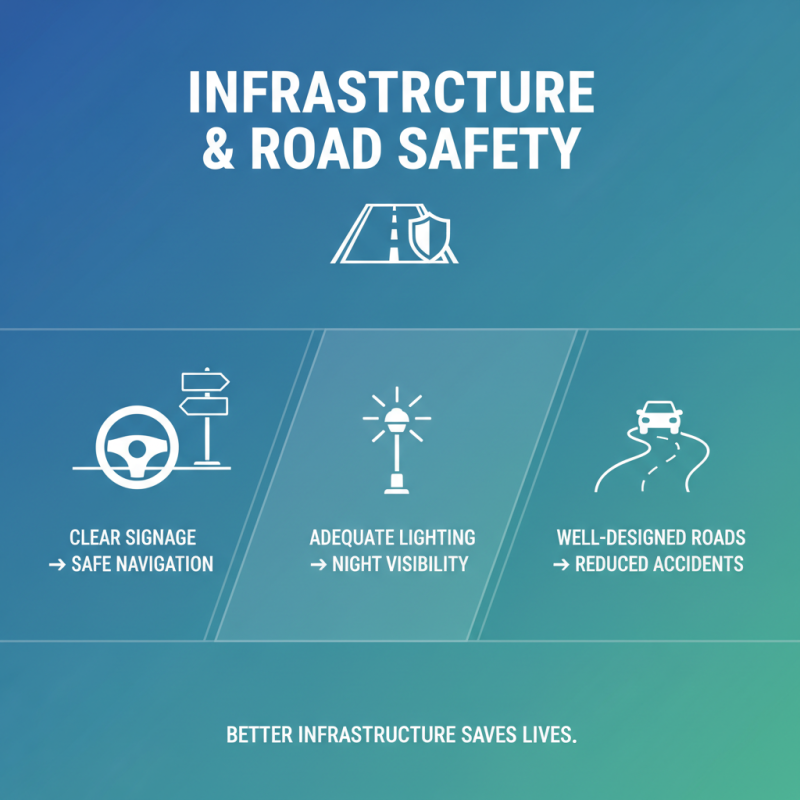
Infrastructure plays a crucial role in road safety. Well-designed roads can significantly reduce accidents. For instance, clear signage helps drivers to navigate safely. Adequate Street Lighting makes a difference at night.
Consider intersections; they are often danger zones. Features like roundabouts or traffic signals can prevent collisions. However, many communities overlook these needs. Too many roads remain unmarked or poorly lit. This neglect increases risks for all road users.
Public awareness is also essential. Drivers need to understand the impact of their actions. Pedestrians and cyclists should feel safe too. It’s vital that we all work together. Improvement requires collective effort. By prioritizing infrastructure, we create a safer environment for everyone.
Effective road safety strategies are crucial in reducing accidents and saving lives. Implementing speed limits can lead to significant changes. When drivers adhere to lower speeds, the likelihood of fatal crashes decreases. Proper signage is another key element. Clear signs inform drivers of hazards ahead, reducing the chances of misjudgment.
Education plays a vital role in road safety. Awareness campaigns highlight the dangers of distracted driving. Many people underestimate the risks of using mobile devices while driving. Addressing this issue can lead to a culture shift. Additionally, community engagement enhances safety. Local initiatives can bring attention to specific road safety concerns.
However, challenges remain. Driver behavior is often unpredictable. Even with regulations in place, some individuals ignore rules. Regular assessments are necessary. Analyzing data from accidents reveals patterns that can inform better strategies. Continuous improvement is essential. Everyone must play a part in promoting safer roads.
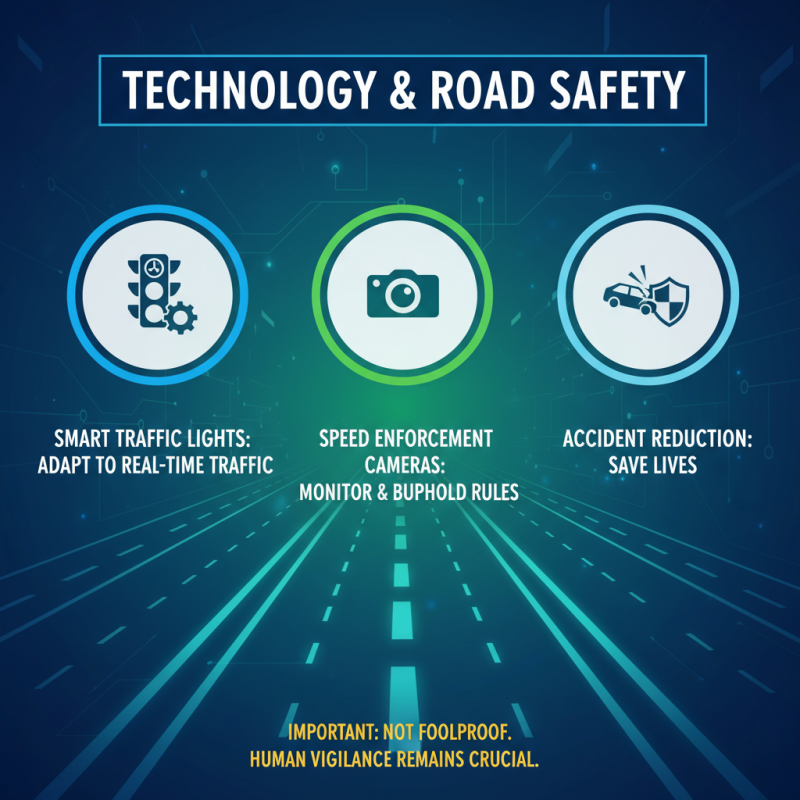
Technology plays a crucial role in enhancing road safety measures. Smart traffic lights adjust to real-time traffic conditions. Cameras monitor speeding and help enforce road rules. These advancements aim to reduce accidents and save lives. However, they are not foolproof.
Despite technology's benefits, human behavior remains unpredictable. Distracted driving is still a major issue. Many drivers ignore alerts from their smart devices. They text, talk, or even browse while driving. This negligence can negate the benefits of technological solutions.
Moreover, not everyone can access advanced safety technology. Urban areas may receive better infrastructure than rural regions. This creates disparities in road safety. While innovation can improve situations, it sometimes leaves others behind. We must reflect on these challenges as we embrace new technologies.
Road safety is a pressing global issue. According to the World Health Organization, road traffic injuries claim approximately 1.35 million lives annually. This makes it the leading cause of death among young people. To combat this, various initiatives and policies have been established.
Countries worldwide are pushing for effective laws on seat belts and speeding. For instance, a 20% reduction in fatalities can be achieved by increasing seat belt use to 90%. Additionally, initiatives like the UN’s Global Road Safety Week aim to raise awareness. They encourage communities to advocate for safer road designs.
However, challenges remain. Many countries struggle with enforcement and public compliance. In some regions, pedestrian safety measures are still inadequate. Data shows that in low-income areas, road deaths are significantly higher. This disparity highlights the need for targeted interventions. Road safety is a shared responsibility that requires ongoing attention and improvement.
: There are various categories, including clothing, electronics, and home goods. Each offers a mix of styles and features.
Browse the website or app. Select items, add them to your cart, and proceed to checkout.
Most major credit cards and digital wallets are accepted. Check the website for a full list of options.
Yes, returns are possible within a specific timeframe. Ensure items are in original condition for eligibility.
Contact customer support immediately. Provide details about your order and the issue for assistance.
Yes, a team is available to help. They can assist with inquiries and issues via email or live chat.
Shipping times vary based on location. Standard shipping usually takes several days to a week.
There are occasional promotions and discounts. Check the website regularly for current deals and offers.
Yes, measures are in place to protect your data. Always use secure connections when making transactions.
There is an option to reset your password. Follow the prompts on the login page.
Road safety is a critical aspect of modern society, encompassing measures and practices designed to prevent road traffic accidents and protect all road users. With alarming statistics showing a significant number of global fatalities and injuries due to road traffic incidents, it becomes evident that improving road safety is essential for public health and well-being.
Key factors contributing to accidents include human error, vehicle conditions, and environmental influences, underscoring the need for enhanced infrastructure that prioritizes safety. Effective road safety strategies, such as education programs and enforcement of traffic laws, along with technological advancements like smart traffic systems, play a vital role in reducing risks. Additionally, global initiatives aimed at promoting road safety through policy changes and community involvement are crucial for fostering a culture of safety on our roads, ultimately benefiting everyone.