As cities keep growing and changing so fast, the idea of a
Key Technologies Driving Smart City Innovations
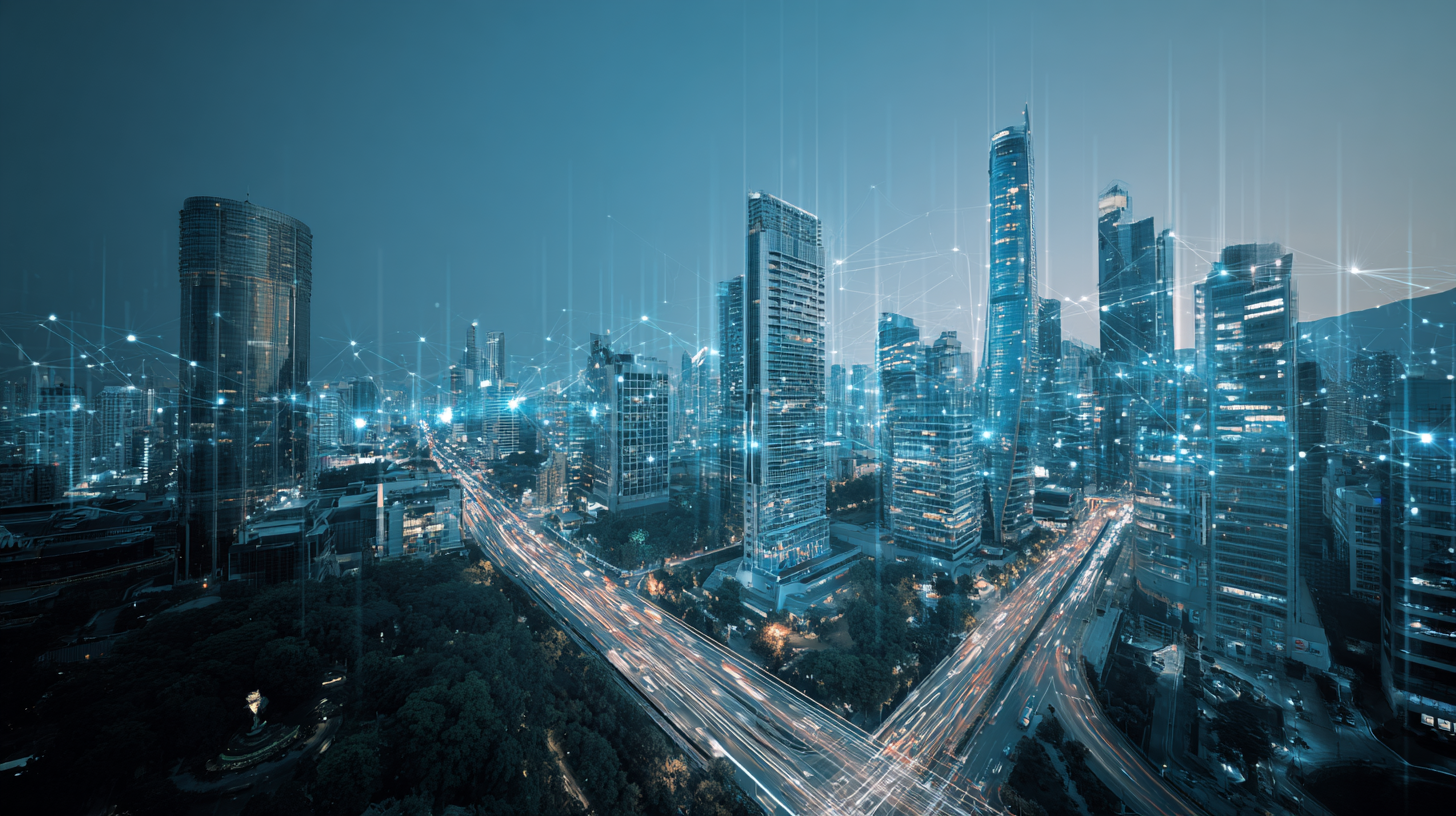
As cities keep growing and spreading out, it’s become pretty clear that we really need smarter ways to manage our resources without just wasting everything. You see, there are some pretty cool technologies out there that are totally changing the game for what we call 'smart cities.' Among them, the Internet of Things— yeah, IoT—is kind of the backbone of all this. It’s basically about hooking up all sorts of devices and systems so they can talk to each other, giving us real-time data that helps us make better decisions. From managing energy to keeping traffic flowing smoothly, this connected web helps make urban living more sustainable and efficient.

And let’s not forget about Artificial Intelligence, or AI, which is another big player in this whole scene. AI sifts through all the data coming from IoT devices and finds patterns or predicts what might happen next. That means city officials can make smarter moves—like adjusting traffic lights on the fly to reduce jams or cut down on emissions. Plus, AI can help city planners spot trouble early on, so they can fix issues before they blow up. All these techs working together are really paving the way for cities that are not just bigger, but also smarter and easier to live in. It’s pretty exciting to think about what the future holds for city living now that all these innovations are coming together.
Comparative Analysis of IoT Solutions for Intelligent Urban Management
Lately, you’ve probably noticed how the demand for IoT-driven energy management and smarter transportation systems is really picking up. Cities all over are eager to adopt smarter solutions to better handle their infrastructure. When it comes to energy in these smart cities, it’s all about integrating different tech to cut down on waste and make things more efficient—that’s the idea behind intelligent energy management. Industry insiders say the global market for IoT-powered energy management is expected to jump from around $70.58 billion in 2023 to over $222.56 billion by 2030 — that’s a huge climb with a yearly growth rate of about 17.8%. It’s pretty clear that innovative energy solutions are becoming super important in creating more sustainable urban environments.

At the same time, the smart mobility scene is booming, thanks to advances in AI, IoT, GPS, RFID, and more. By 2032, this whole sector should be offering pretty comprehensive solutions for traffic flow, parking, and fleet management—helping cities move better and avoid the endless traffic jams we all hate. With AI-powered analytics in the mix, cities can get real-time updates and even predict maintenance before things break down. All of this points to one thing: IoT and smart tech are really changing the game when it comes to building smarter, more efficient cities.
The Role of AI in Enhancing City Services and Infrastructure
Artificial Intelligence, or AI for short, is really shaking up how cities look and function today. It’s become a huge part of building smarter urban environments. When city leaders bring AI into their services, they can do things like make public safety better, smooth out traffic jams, and make better use of resources.
For example, AI-powered predictive analytics can keep an eye on traffic flow in real time, helping to cut down on congestion and make your commute a bit easier. And those smart cameras and surveillance systems? They can spot suspicious behavior early on, so police can jump into action faster.
But it’s not just about safety or traffic. AI also helps cities run things more efficiently behind the scenes. Take waste collection—smart systems use AI to decide the best routes in real time, saving money and being kinder to the environment. And when it comes to energy, AI can analyze how much power people are using so cities can shift toward more sustainable habits.
Basically, by tapping into AI, urban areas are not only improving services but also building strong, adaptable infrastructure that can handle whatever challenges come their way. As cities continue to grow and change, integrating AI becomes more and more crucial for creating urban spaces that are responsive and sustainable.
Assessing Smart Energy Solutions for Sustainable Cities
As our cities keep getting more crowded and busy, finding sustainable ways to power them becomes more important than ever. That’s where smart energy solutions come into play — leading the charge toward greener, more efficient urban living. According to a report from the International Energy Agency (IEA), energy needs in cities are expected to jump by about 50% by 2050. Yeah, that’s a huge increase, which just goes to show how crucial it is to come up with new and smarter ways to manage energy. Things like IoT-powered energy monitoring and smart grids are making a real difference, helping local governments reduce waste and cut down their carbon footprints significantly.
One pretty exciting example is these smart grids in action. They can boost energy efficiency by up to 30%, according to the Smart Electric Power Alliance (SEPA). Basically, they connect renewable sources like Solar Panels and wind turbines directly with consumers and decision-makers, allowing for real-time tweaks in how energy is distributed. Plus, with advanced battery systems and other storage solutions, cities can keep the lights on even during those busy times when everyone’s using more power. All in all, these smart energy techs aren’t just good for the environment — they’re also making our cities more resilient economically. It’s a promising step toward a cleaner and smarter urban future.
Innovative Transportation Technologies Transforming Urban Mobility
As cities keep getting more crowded, we're really seeing some pretty cool transportation tech popping up, and it's becoming a vital part of what makes a city 'smart.' These new systems don’t just make things run smoother; they actually make getting around town a lot better. Think autonomous cars and smarter traffic lights — cities are really using these advancements to cut down on traffic jams and make public transit work better. For example, by using real-time data, cities can tweak traffic signals on the fly, which helps reduce travel times and cut down emissions — pretty awesome, right?
On the electric vehicle front, the growing number of charging stations is a game changer. It means people can switch to cleaner rides without much hassle, whether they’re locals or visitors. Plus, carpooling apps and micro-mobility options like e-scooters and bike-sharing are making it easier for folks to get around without always relying on their own cars. All these improvements aren’t just about convenience; they also push us toward more sustainable cities, making urban life greener and healthier overall.
Smart City Solutions: A Comprehensive Comparison of Leading Technologies - Innovative Transportation Technologies Transforming Urban Mobility
| Technology | Functionality | Impact on Urban Mobility | Implementation Cost | Scalability |
| Smart Traffic Signals | Adaptive signal control to manage traffic flow | Reduces congestion and improves travel time | Medium | High |
| Electric Buses | Public transport using electric-powered vehicles | Reduces emissions and operating costs | High | Medium |
| Ride-Sharing Platforms | Dynamic matching of riders and drivers | Increases efficiency in transport usage | Low | High |
|
Smart Parking Solutions | Real-time data on available parking spots | Reduces time spent searching for parking | Medium | Medium |
| Autonomous Delivery Vehicles | Self-driving vehicles for last-mile delivery | Lowers delivery costs and increases efficiency | High | Low |
| Integrated Mobility Apps | Single platform for multi-modal transport options | Enhances user experience and promotes public transport | Low | High |
Data Security and Privacy Considerations in Smart City Solutions
In today’s world of smart cities, making sure our data stays safe and private is more important than ever. As urban areas become more high-tech, powered by the Internet of Things (IoT), a ton of data is being generated, which naturally raises questions about privacy and security. It’s super crucial for city planners and tech companies to come up with solid strategies—not just to protect citizens’ sensitive info, but also to build trust and encourage civic participation. Using tools like artificial neural networks (ANN) can really help improve these security frameworks by analyzing data patterns and defending citizens' rights. Basically, it’s about laying down a strong foundation for smart, sustainable urban growth.
On top of that, new solutions are popping up—things like energy-efficient protocols for protecting privacy that use biometrics and fuzzy commitment schemes. These tech innovations are key for authenticating users securely while also keeping energy use down, fitting perfectly into our goals for a greener, more sustainable city. As urban living keeps evolving, it’s vital that the rules and policies we have in place keep up with these tech advances. We need to tackle potential risks head-on while making the most of what smart city projects can offer. By fostering teamwork across different fields and encouraging shared research, cities can better handle the tricky stuff around data security and privacy. The goal? Making sure that these smart solutions are innovative but also truly protect citizens’ rights and freedoms.
Smart City Solutions: Data Security and Privacy Considerations
Harnessing Clean Energy: The Future of Smart Lighting with DALI D4i Fully Autonomous Solar Light Pole
As cities continue to seek sustainable and efficient lighting solutions, the DALI D4i fully autonomous solar light pole emerges as a game-changer in harnessing clean energy for urban environments. With the innovative D4i DC/DC driver, this system utilizes vertical solar panels to not only capture sunlight effectively but also to meet the stringent requirements of the DALI intelligent smart control system. According to the Global Smart Lighting Market report, the smart lighting sector is projected to grow at a CAGR of 18.35%, reaching $31.4 billion by 2026. This trend underscores the necessity for cities to integrate smart technologies into their infrastructure, enhancing urban living while reducing energy costs.
The D4i system promotes sustainability by significantly lowering the reliance on traditional power grids, allowing urban planners to deploy solar lighting solutions in remote or underserved areas. Moreover, it facilitates advanced control capabilities such as dimming, occupancy sensing, and remote monitoring. Industry reports indicate that smart streetlights can reduce energy consumption by up to 50%, translating to significant cost savings for municipalities. By adopting this environmentally friendly technology, cities can advance their smart city initiatives while addressing the pressing challenges of climate change and urban pollution.
With DALI D4i, urban authorities are equipped to transform public spaces into energy-efficient ecosystems. This fully autonomous solar light pole is not just about illumination but also serves as a crucial part of a sustainable urban infrastructure. As cities adopt these innovative lighting solutions, they pave the way for a greener and smarter future.
FAQS
I transforming city services?
Predictive analytics powered by AI enables real-time monitoring of traffic patterns, reducing congestion and improving commute times.
AI-driven surveillance systems can identify suspicious activities, allowing law enforcement agencies to respond more quickly.
Smart waste management systems use AI to optimize collection routes based on real-time data, decreasing operational costs and environmental impact.
According to the IEA, energy demand in cities is expected to increase by 50% by 2050, calling for innovative energy management solutions.
A smart grid enhances energy efficiency by connecting renewable energy sources with consumers, allowing for real-time adjustments in energy distribution, and can improve efficiency by up to 30%.
The vast amounts of data generated in smart cities raise concerns about privacy breaches and unauthorized access, necessitating robust data security strategies.
Solutions such as artificial neural networks and energy-efficient data privacy protocols using biometrics are being developed to protect sensitive citizen data.
It is crucial for governance frameworks to address potential risks of data security and privacy, ensuring that the benefits of smart city initiatives are maximized while protecting citizen rights.
Conclusion
These days, with everything moving towards Smart Cities, tech innovations are really reshaping how we live in urban areas. For example, IoT solutions are making city management smarter, kind of like giving urban infrastructure a brain of its own. And AI? It’s stepping in to upgrade city services and infrastructure, making everything run more smoothly and quickly — it’s like giving our cities a boost of efficiency. Not to forget, smart energy systems are helping us stay eco-friendly while still meeting our increasing energy needs. Plus, transportation tech is totally changing how we get around — making transit systems smarter, faster, and more accessible for everyone.
But, as we dive into all these cool advancements, it’s super important to keep data security and privacy in check. We’ve got to protect residents’ info as cities go digital at a rapid pace. At SUNFREE Lighting Technology Co., Ltd., we’re passionate about supporting Smart City projects. We focus on creating innovative energy solutions that blend right in with the latest tech trends — helping shape the future of urban living in a way that’s both smart and sustainable.