As more and more people move into cities, it’s become really clear just how important Smart Cities are for creating sustainable environments and making life better for everyone. According to the World Economic Forum, by 2050, almost 68% of the world’s population will be living in urban areas. That’s a huge number, and it means we’re going to need some pretty innovative solutions to handle all the issues cities face — like traffic jams, pollution, and running out of resources. Smart City projects use technology and data to make city living smoother—whether it’s improving public services, making infrastructure smarter, or encouraging eco-friendly habits.
A report from McKinsey points out that smart tech could cut down a city’s carbon footprint by up to half! That would be thanks to better management of resources and smarter infrastructure. Things like integrated transportation systems, energy-efficient buildings, and smarter waste management can totally change how we live in cities. As urban areas keep growing, adopting these smart solutions isn’t just about saving the environment — it’s also about making life better for residents, creating lively, thriving communities for the future.
Understanding Smart Cities: Definition and Key Characteristics
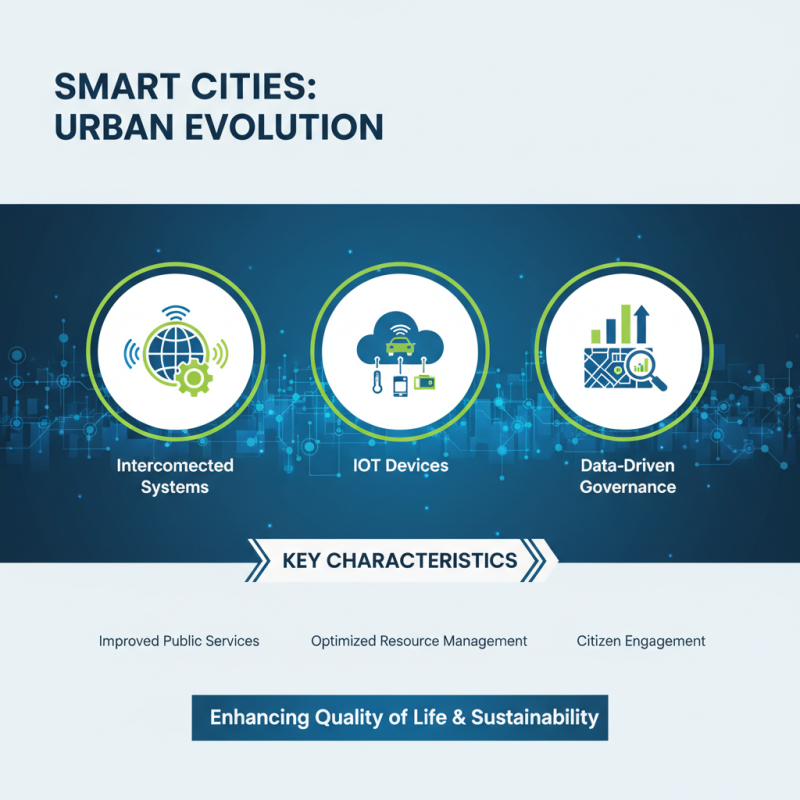
Smart cities represent a transformative approach to urban development, focusing on the integration of technology to enhance the quality of life for residents while promoting sustainability. At their core, smart cities utilize data and digital infrastructure to improve public services, optimize resource management, and engage citizens in the decision-making process. The key characteristics that define A Smart City include interconnected systems, extensive use of IoT (Internet of Things) devices, and data-driven governance. These elements work together to create a dynamic urban ecosystem that is responsive to the needs of its inhabitants.
A crucial aspect of smart cities is their emphasis on sustainability. By leveraging technology, these urban environments are designed to minimize waste, reduce energy consumption, and promote the use of renewable resources. Smart energy grids, efficient public transportation systems, and intelligent waste management solutions are just a few examples of how technology plays a role in creating greener, more sustainable cities. Furthermore, citizen participation in the management of these systems fosters a sense of community and empowerment, allowing residents to contribute to urban planning and service improvements. As cities around the world look to the future, embracing the principles of smart city development will be essential for creating urban spaces that are not only livable but also resilient and sustainable.
Principles of Sustainable Urban Development in Smart Cities
Sustainable urban development is a critical aspect of building smart cities, which aim to enhance the quality of life for residents while minimizing environmental impacts. According to the United Nations, around 55% of the world's population currently lives in urban areas, a figure expected to rise to 68% by 2050. This rapid urbanization necessitates innovative strategies that prioritize sustainability, such as implementing green infrastructure and promoting the use of Renewable Energy sources. A report by the World Economic Forum suggests that investing in sustainable technologies can not only improve urban living conditions but also generate economic opportunities, with an estimated value of $23 trillion in global economic benefits by 2030 through sustainable urban development.
Key principles guiding sustainable urban development in smart cities include efficient resource management, community engagement, and the integration of technology. For instance, leveraging smart grids can optimize energy consumption, reduce waste, and enhance overall efficiency. The International Energy Agency highlights that smart technologies can lead to up to a 30% reduction in energy use in urban areas. Furthermore, participatory planning involving local communities fosters a sense of ownership and accountability, ensuring that developments align with the needs and aspirations of residents. As cities continue to evolve, prioritizing these principles will be essential in creating livable, resilient urban environments that cater to current and future generations.
Integrating Green Technologies for Energy Efficiency and Resource Conservation
As cities evolve into smart urban environments, the integration of green technologies becomes essential for promoting energy efficiency and conserving resources. Smart grids, for instance, allow for real-time data management, optimizing energy use and minimizing waste. By incorporating renewable energy sources such as solar panels and wind turbines, urban areas can significantly reduce their carbon footprint while ensuring a steady power supply. Additionally, implementing energy-efficient building designs equipped with smart sensors can greatly enhance energy conservation efforts.
Tips for creating a sustainable urban future include encouraging the use of public transportation and developing pedestrian-friendly infrastructure. This shift not only reduces vehicle emissions but also fosters a sense of community among residents. Furthermore, cities can promote green roofs and vertical gardens, which help improve air quality while providing a natural habitat for urban wildlife. By prioritizing green spaces, city planners can enhance the quality of life for residents, making urban areas more livable and enjoyable.
Another key aspect is the management of water resources through smart irrigation systems and rainwater harvesting techniques. These practices can lead to significant water conservation, especially in regions prone to drought. Innovative technologies such as greywater recycling systems can also contribute to resource conservation, showcasing how urban areas can integrate sustainability within their daily operations and infrastructure planning.
Smart City Tips for Creating a Sustainable Urban Future and Enhancing Quality of Life
| Sustainability Initiative | Description | Benefits | Green Technology Used |
| Urban Green Spaces | Development of parks and green areas to enhance biodiversity. | Improved air quality and increased community mental well-being. | Natural landscaping techniques, native planting. |
| Renewable Energy Sources | Integration of solar and wind energy in city infrastructure. | Reduction of carbon footprint and energy costs. | Solar panels, wind turbines. |
| Smart Waste Management | Utilization of IoT for efficient waste collection and recycling. | Minimized landfill waste and improved recycling rates. | Smart bins, waste tracking software. |
| Sustainable Transport Solutions | Promotion of electric vehicles and public transportation systems. | Reduced traffic congestion and lower greenhouse gas emissions. | Electric buses, bike-sharing programs. |
| Energy-efficient Buildings | Construction of buildings with high energy performance standards. | Lower energy costs and enhanced occupant comfort. | LED lighting, advanced HVAC systems. |
Enhancing Public Transportation to Reduce Carbon Footprint
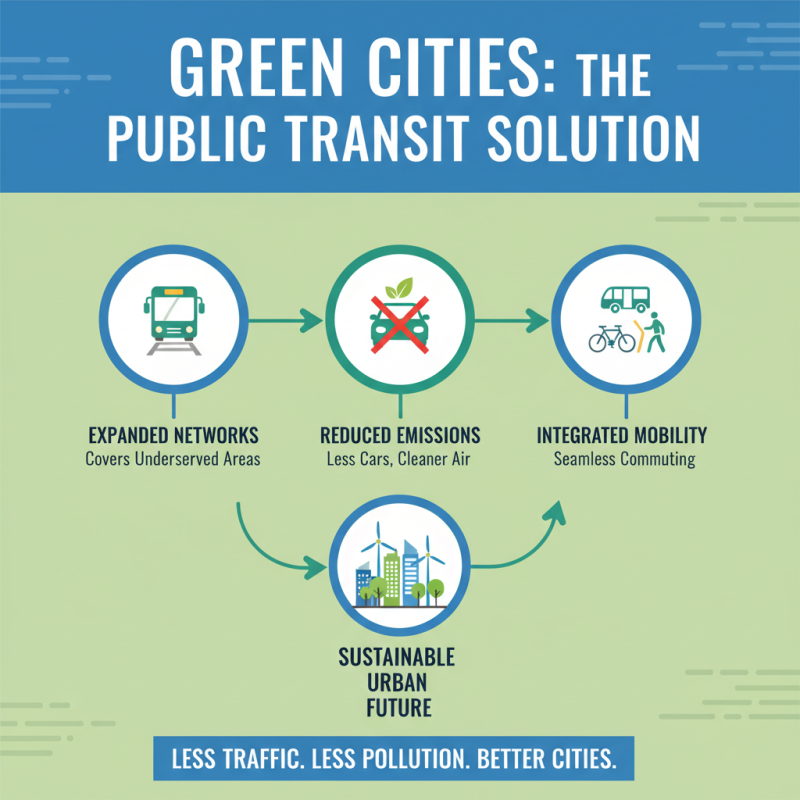
Enhancing public transportation is key to building a sustainable urban future, as it plays a crucial role in reducing the carbon footprint of cities. By investing in comprehensive public transit systems, cities can significantly lower the number of personal vehicles on the roads, leading to decreased emissions and improved air quality. Expanding bus and rail networks to cover underserved areas encourages more residents to choose public transport over private cars. Additionally, integrating different modes of transportation, such as bikes and shuttles, can streamline the commuting experience, making it more appealing and efficient.
Moreover, modernizing public transportation infrastructure through the use of eco-friendly technologies, such as electric buses and energy-efficient trains, can further enhance sustainability efforts. Implementing smart transit solutions, such as real-time tracking and mobile ticketing, promotes greater use of public transport by increasing convenience and reducing wait times. Cities can also foster a culture of public transit usage by creating educational campaigns emphasizing its benefits, not only in terms of environmental impact but also in improving social equity by providing accessible and affordable mobility options for all residents. As urban areas continue to grow, prioritizing public transportation can lead to healthier, more sustainable cities that enhance the overall quality of life for their inhabitants.
Promoting Community Engagement for Sustainable Urban Planning
Community engagement is crucial for sustainable urban planning, as it fosters collaboration between residents, local governments, and stakeholders. According to a report by the United Nations, urban areas are projected to house 68% of the world’s population by 2050, emphasizing the need for inclusive planning that considers the diverse needs of urban dwellers. Effective community engagement not only enhances trust in local governance but also leads to more resilient and adaptive urban policies. Involving citizens in decision-making processes can lead to better outcomes, as local populations often hold valuable insights into their needs and aspirations.
One effective method of promoting community engagement is through participatory planning workshops. A study conducted by the American Planning Association revealed that communities with strong participatory planning frameworks tend to have higher satisfaction rates with urban development projects, with 85% of residents feeling more connected to their neighborhoods. By utilizing tools such as surveys, focus groups, and digital platforms, urban planners can gather feedback and brainstorm innovative solutions to pressing urban challenges, such as transportation, green spaces, and waste management. This collaborative approach not only empowers residents but also cultivates a sense of ownership and pride in one’s community, which is essential for fostering a sustainable urban future.
Utilizing Data Analytics for Urban Safety and Quality of Life
Data analytics is becoming an essential tool in creating smart cities that prioritize urban safety and elevate the quality of life for residents. According to a report by the McKinsey Global Institute, cities that harness data analytics can reduce crime rates by up to 30% through predictive policing and resource allocation. By analyzing historical crime data and social behavior patterns, city planners can optimize the deployment of law enforcement, resulting in safer urban environments. Furthermore, the use of real-time data from surveillance systems and community feedback can enhance responsiveness to incidents, fostering a stronger relationship between the police and the community.
Tips for utilizing data analytics in urban safety include implementing a community reporting app that allows citizens to report suspicious activity easily, which can then be analyzed to identify crime hotspots. Additionally, cities can adopt smart sensor technology in public spaces to monitor and respond to environmental conditions, thereby preemptively addressing safety issues such as poor lighting or obstructed pathways. A study from the Urban Institute reveals that cities that adopt these proactive measures not only experience a decline in crime but also see an improvement in residents’ perception of safety.
In terms of enhancing overall quality of life, data analytics can be applied to public health by tracking the spread of diseases and identifying areas with limited access to healthcare services. Insights from the World Economic Forum suggest that cities employing such analytics can direct resources more effectively, ensuring vulnerable populations receive necessary support. Implementing integrated data platforms that consolidate information from healthcare providers, emergency services, and community resources will allow cities to respond more efficiently to public health challenges while improving residents' wellbeing.
Implementing Smart Waste Management Systems for Environmental Protection
Implementing smart waste management systems is a crucial step towards creating sustainable urban environments that enhance the quality of life for residents. These systems leverage technology to optimize the collection, sorting, and recycling of waste, ensuring that materials are processed more efficiently. For instance, sensors embedded in waste bins can monitor fill levels in real-time, enabling waste collection services to plan their routes based on actual need rather than predetermined schedules. This not only reduces operational costs and carbon emissions but also minimizes the environmental footprint of waste management operations.
Furthermore, smart waste management systems can foster community engagement and improve recycling rates. Mobile applications can be developed to educate residents on proper waste disposal practices and encourage participation in recycling programs. By using data analytics, cities can identify patterns in waste generation and disposal, allowing for tailored initiatives that address specific community needs. Ultimately, these systems create a more informed public, which is essential for cultivating a culture of sustainability and environmental responsibility in urban settings, leading to cleaner, healthier cities for future generations.
Smart Waste Management Systems and Their Impact on Urban Sustainability
FAQS
: Sustainable urban development is crucial for enhancing the quality of life for residents while minimizing environmental impacts, especially as urban populations continue to grow.
Cities can reduce their carbon footprint by integrating renewable energy sources, such as solar panels and wind turbines, and utilizing energy-efficient building designs equipped with smart sensors.
Smart grids optimize energy consumption, reduce waste, and enhance overall efficiency, potentially leading to a 30% reduction in energy use in urban areas.
Community engagement enhances collaboration, trust in local governance, and leads to more resilient urban policies by incorporating the diverse needs and insights of residents.
Participatory planning workshops, surveys, focus groups, and digital platforms are effective methods to gather feedback and encourage collaboration in urban planning.
Cities can enhance livability by promoting green roofs, vertical gardens, and pedestrian-friendly infrastructure, which improve air quality and foster a sense of community.
Encouraging public transportation usage helps reduce vehicle emissions and promotes a sense of community among residents.
Smart irrigation systems, rainwater harvesting, and greywater recycling systems can significantly contribute to water conservation in urban areas.
By involving local populations in decision-making processes, urban planners can gather valuable insights into community needs and aspirations, leading to better development outcomes.
Investing in sustainable technologies can generate economic opportunities, with an estimated value of $23 trillion in global economic benefits projected by 2030.
Conclusion
The concept of a Smart City represents an innovative approach to urban development, focusing on integrating technology and sustainable practices to enhance the quality of life for residents. Key characteristics of Smart Cities include efficient management of resources and infrastructure, which is fundamental to fostering a harmonious urban environment. By prioritizing principles of sustainable urban development, such cities aim to incorporate green technologies, improve energy efficiency, and reduce resource waste.
To further advance sustainability, Smart Cities enhance public transportation systems to minimize carbon footprints while promoting community engagement in urban planning efforts. The utilization of data analytics plays a crucial role in ensuring urban safety and overall quality of life, allowing for informed decision-making. Additionally, implementing smart waste management systems significantly contributes to environmental protection, showcasing how technology can be leveraged to build a more sustainable and livable urban future.