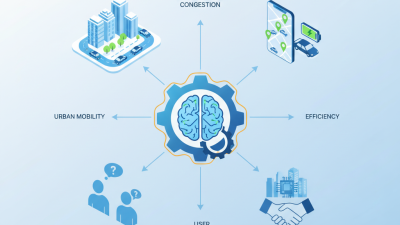
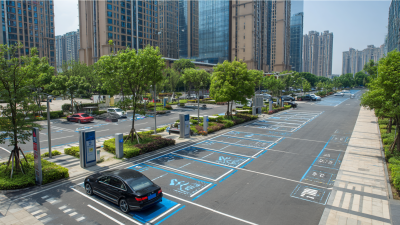
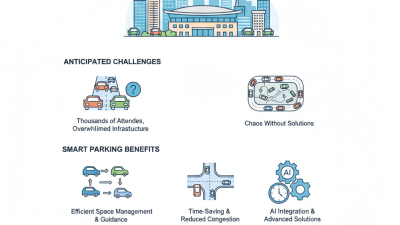
As cities get more and more crowded, the need for smarter, more efficient Smart Parkingsolutions is really taking off. I mean, if you look at the latest numbers from Allied Market Research, the worldwide Smart Parking market was sitting at about $3.5 billion in 2020. And get this — by 2026, it’s expected to jump all the way up to around $13.1 billion! That’s a crazy growth rate of roughly 24.6% annually. This spike is largely thanks to rapid tech advancements and the explosion of IoT-based applications, making these systems pretty much essential for cities everywhere.
Companies like ParkMobile and SpotHero are really leading the charge here, coming up with innovative tech that makes finding and paying for parking a whole lot easier. Not only does this help cut down traffic jams, but it also cuts down on the environmental mess caused by cars circling around trying to find a spot. Of course, it’s not all smooth sailing — there are still issues like how these new systems will mesh with existing infrastructure and making sure users’ privacy stays protected. While these smart tech solutions promise a lot of efficiency, reality sometimes throws up bumps in the road that need fixing.
Looking ahead, the future of smart parking isn’t just about the tech itself—it’s also about teamwork. City officials, local businesses, and us folks as everyday users all need to be on the same page. Changing over to smarter urban spaces depends heavily on our collective know-how and real-world experiences. Acknowledging these challenges is key as we check out the top smart parking options that’ll be out there for global buyers in 2026.
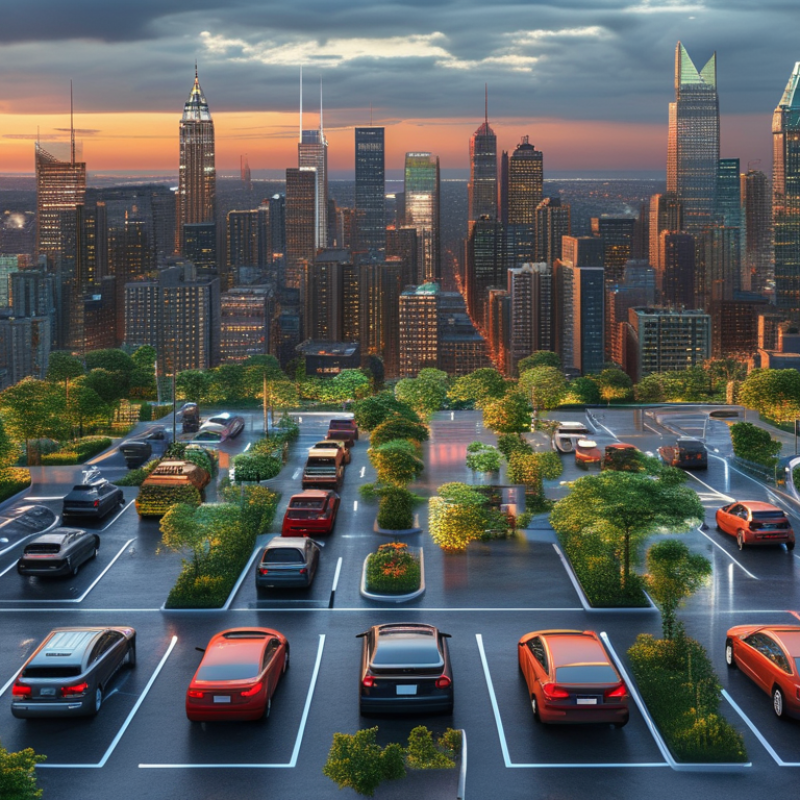
Overview of Smart Parking Solutions Trends for 2026
As urban areas grow, smart parking solutions are evolving. By 2026, the global smart parking market is expected to reach $6.8 billion, reflecting a CAGR of 18%. This growth showcases the demand for optimized parking experiences, especially in densely populated cities.
Data highlights emerging trends. For instance, mobile apps offering real-time availability will dominate. Over 40% of drivers express frustration over finding parking. Innovations leverage IoT sensors to provide updates instantaneously. This reduces traffic congestion and minimizes emissions.
However, challenges remain. Integration of smart technologies often requires significant upfront investment. City planners struggle with outdated infrastructure and limited budgets. While smart parking promises efficiency, cities must consider equity. Balancing technology deployment with accessibility is crucial for inclusive urban mobility.
Key Features of Innovative Parking Technologies
Innovative parking solutions are changing urban mobility. They prioritize efficiency and user experience. One standout feature is real-time data analytics. This technology helps drivers find open spots quickly. It reduces congestion and saves valuable time. Moreover, users can receive alerts on available spaces through mobile applications.
Another key element is Smart Solar Parking. Integrating Solar Panels in parking structures provides renewable energy. This feature not only powers lighting but also electric vehicle charging stations. Such initiatives promote sustainability in urban environments. They enhance the overall appeal of smart parking solutions.
However, challenges remain. Not all cities are ready for these technologies. Infrastructure may need massive upgrades, causing delays. Additionally, users may face a learning curve with new systems. Balancing innovation with real-world application is crucial for success. The future of smart parking relies on careful planning and adaptation.
Top 5 Smart Parking Solutions Reviewed
Smart parking solutions are poised to transform the urban landscape by 2026. As cities grow busier, parking becomes a major challenge. Advanced technology offers innovative answers.
Automated parking systems use robotics to park cars efficiently. This method saves space and time. Sensors in parking lots guide drivers to available spots. Real-time data helps in minimizing the frustration of searching. However, these systems require significant initial investment, which can be a hurdle for some cities.
Mobile apps streamline the process of finding and reserving parking. Users can pay from their phones, adding convenience. While this technology enhances user experience, not all demographic groups may adapt easily. Moreover, technological glitches can lead to confusion. Balancing innovation with accessibility remains a challenge as we move toward 2026.
Top 5 Smart Parking Solutions for Global Buyers in 2026
This chart represents the projected adoption rates of various smart parking solutions globally by 2026. The data highlights the trends and preferences of global buyers in the smart parking industry.
Comparison of Global Smart Parking Providers
As urban areas become increasingly congested, smart parking solutions are in high demand. Different providers offer varying technologies to maximize space and enhance user experience. Some use IoT sensors that detect available spots in real-time. This data can significantly reduce the time drivers spend searching for parking.
The effectiveness of these solutions often hinges on the integration with city infrastructure. Some systems provide mobile applications for easy booking and payments. Others focus on offering dynamic pricing, adjusting costs based on demand. However, challenges remain in user adoption. Not all drivers are tech-savvy, and some may feel overwhelmed by complex interfaces.
Another consideration is the scalability of these systems. While a solution might work well in one city, it may not be suitable for another with different needs. Trends show that flexibility in these smart parking systems will be vital. The ability to adapt to varying urban landscapes could dictate the success of future implementations. Ensuring that solutions balance efficiency with user-friendliness remains a critical factor.
User Experience and Accessibility in Smart Parking Systems
User experience is crucial in the evolution of smart parking systems. As cities modernize, parking solutions must prioritize accessibility for all users. Features like user-friendly interfaces can empower drivers to locate parking spots easily. Integrating mobile apps that offer real-time updates enhances convenience. Providing clear, simple navigation is vital, yet many systems overlook this aspect.
Solar Smart Parking is an innovative approach that enhances both sustainability and user comfort. Solar-powered sensors and lights not only reduce energy costs but improve visibility. However, the reliability of these systems can vary. Users sometimes encounter connectivity issues, which can lead to frustration. Ensuring that technology works seamlessly across different devices is essential for a positive user experience.
Moreover, while smart parking systems are designed to simplify the process, they can also alienate those not tech-savvy. Complex setups may deter some users from embracing these advancements. It’s essential to strike a balance between innovation and practicality. Continuous feedback from users will help developers refine their solutions, making smart parking more inclusive and accessible for everyone.
Future Prospects and Challenges in Smart Parking Solutions
The future of smart parking solutions is promising yet fraught with challenges. According to a recent industry report, smart parking technology could achieve a market value of approximately $6.5 billion by 2026. This growth is driven by the increasing urbanization and rising demand for efficient space utilization. However, roadblocks exist. Issues like data security and the integration of various technologies can complicate the deployment of these solutions.
Improved infrastructure is essential for smart parking to thrive. The adoption of technologies like Drone Solar Parkingshowcases innovative approaches. These solutions harness not only Solar Power but also utilize drones for real-time monitoring.
Implementing this technology could reduce energy costs by up to 30%, based on recent studies. However, experts warn that high initial costs and technological complexity could slow down widespread adoption. Stakeholders must address these barriers to fully realize the potential benefits.
Ensuring reliability in smart parking systems remains a significant issue. User trust is paramount for success. Efficient usability and transparent operations will become critical as solutions evolve. Future developments must prioritize both innovation and user experience while tackling the challenges inherent in these advanced systems.
Impact of Smart Parking on Urban Mobility and Sustainability
Smart parking solutions are crucial for enhancing urban mobility and sustainability. According to a recent report, nearly 30% of city traffic is caused by vehicles searching for parking spaces. This inefficiency contributes to increased emissions and congestion. Implementing smart parking technologies can reduce this phenomenon by guiding drivers to available spots, thus minimizing time spent on the road.
The integration of Solar Parking Lots into urban areas presents a promising avenue. These innovative structures harness solar energy while providing parking spaces. A study found that solar parking lots can reduce carbon footprints by nearly 50%. They're not just functional; they also create green spaces that improve the urban environment. However, transitioning cities to smart solutions requires significant investment and infrastructure adjustments.
While smart parking systems offer numerous benefits, challenges remain. Cities must address data privacy concerns and ensure technology accessibility for all residents. Additionally, reliance on technology may lead to vulnerabilities. Planning must consider how to protect these systems against potential cyber threats. Engaging local communities is essential for understanding their needs and expectations. Urban mobility can improve, but it’s vital to reflect on these complexities.
FAQS
: Smart parking solutions use advanced technology to improve urban parking efficiency. They help guide drivers to available spots.
Automated parking systems use robotics to park cars. This method saves both space and time for users.
Significant initial investment and technological complexity can hinder adoption. These challenges must be addressed to proceed effectively.
Mobile apps let users find and reserve parking easily, allowing for convenient payments directly from their smartphones.
User trust affects the success of smart parking systems. Reliable operations and efficient usability are essential for user confidence.
Around 30% of city traffic is caused by vehicles searching for parking. Smart solutions can help reduce this inefficiency.
Data security is crucial for protecting user information. Cities must prioritize security in the development of smart parking technologies.
Solar parking lots reduce carbon footprints by nearly 50%. They create green spaces while providing functional parking options.
Not all demographic groups may adapt easily to new technologies. Ensuring accessibility remains a significant challenge for cities.
Engaging local communities helps understand their needs and expectations. This feedback is vital for successful implementation of smart solutions.
Conclusion
The article "Top 5 Smart Parking Solutions for Global Buyers in 2026" explores the evolving landscape of Smart Parking technologies set to dominate the parking industry. It provides an overview of the key trends anticipated for 2026, highlighting the essential features that make these innovative solutions more user-friendly and efficient. A detailed review of the top five Smart Parking solutions is presented, alongside a comparative analysis of global providers, focusing on their unique offerings and market positions.
Furthermore, the article addresses the importance of user experience and accessibility in Smart Parking systems, emphasizing how these factors enhance the overall effectiveness of urban mobility. It also discusses the future prospects and challenges facing Smart Parking solutions, underlining their potential impact on urban sustainability. Through these insights, the piece illustrates how Smart Parking technologies are poised to transform urban environments, improving both convenience for users and contributing to sustainable city development.