Lately, Solar Powerhas really taken center stage in the global shift toward Renewable Energy. I mean, with everyone feeling the effects of climate change, it’s clearer than ever that we need sustainable energy solutions. Did you know that, according to the International Energy Agency (IEA),solar power generation jumped by almost 25% in 2022? That was actually the best year ever for solar, and experts are saying this growth won't slow down — they’re expecting about about 20% yearly increases all the way through 2025. Pretty impressive, right? This kind of rapid growth shows just how quickly solar tech is catching on across different industries.
 Dr. Alice Green from the Solar Energy Industries Association (SEIA) talks about the huge potential here. She points out that solar isn’t just good for the planet — it can also create a bunch of new jobs, cut down on energy costs, and seriously cut greenhouse gases. With all the new tech innovations and more investment flowing in, the solar industry is really on a roll, opening up loads of opportunities for economic growth while helping protect the environment.
Looking at where solar power is headed in 2023, it’s important to think about all the different ways this energy source impacts us. It isn’t just a smart option for meeting energy needs; it’s also a key player in building a greener, cleaner future. In the sections ahead, we’ll dig into market trends, new technologies, and some strategic insights — basically, a deeper look at how solar is shaping today’s energy world.
The Basics of Solar Power: Definition and Technology Overview
Solar power is a renewable energy source harnessed from sunlight, converting it into electricity through photovoltaic cells or solar thermal systems. As a technology-based enterprise, SUNFREE Lighting Technology Co., Ltd. emphasizes innovation and development in solar applications, positioning itself at the forefront of the industry. In 2023, the global solar power market is expected to grow by approximately 22% year-over-year, driven by technological advancements and increasing government incentives aimed at reducing carbon footprints.
The integration of solar technology into everyday applications has gained momentum, with reports indicating that the cost of solar photovoltaic systems has decreased by nearly 90% over the last decade. This significant drop has made solar energy more accessible, encouraging residential and commercial sectors to adopt solar solutions. Notably, the International Renewable Energy Agency (IRENA) states that solar power is projected to be the largest source of electricity generation by 2030, a trend reshaping the energy landscape.
Tips:When considering solar power for your home or business, evaluate your energy consumption patterns and assess the space available for Solar Panels. Additionally, partnering with leading companies likeSUNFREE can provide insights into the latest technologies and financing options, ensuring you maximize the benefits of solar energy.
Key Benefits of Solar Energy: Economic and Environmental Impacts
Solar energy is rapidly becoming a cornerstone of sustainable energy solutions, owing to its significant economic and environmental impacts. One of the primary economic benefits is the reduction in electricity bills for households and businesses. By harnessing the power of the sun, users can drastically decrease their reliance on grid power, leading to long-term savings. Furthermore, the solar industry has become a significant job creator, offering employment opportunities in manufacturing, installation, and maintenance, thus stimulating local economies.
Environmentally, solar power plays a crucial role in reducing greenhouse gas emissions and mitigating climate change. Unlike fossil fuels, solar energy is a clean and renewable source that generates electricity without harmful emissions. The transition to solar power not only decreases pollution levels but also conserves natural resources, as sunlight is inexhaustible. By promoting sustainable energy practices, solar power contributes to a healthier planet and enhances energy security for future generations. As more individuals and businesses adopt solar technologies, the collective impact on the environment and economy is poised to grow, fostering a more sustainable future.
Growth of Solar Power Capacity (2015-2023)
This bar chart illustrates the growth of installed solar power capacity from 2015 to 2023. The data shows a significant increase, indicating a strong trend towards solar energy adoption and its importance in the global energy landscape.
Current Trends in Solar Power Adoption: 2023 Market Growth Statistics
The solar power industry has experienced a significant transformation in 2023, marked by a surge in adoption across various sectors. This trend reflects an increasing awareness of renewable energy's importance in combating climate change and reducing dependence on fossil fuels. With advancements in solar panel technology and storage solutions, businesses and residential users alike are recognizing the benefits of harnessing sunlight as a sustainable energy source. In addition, government incentives and favorable policies have accelerated the transition, showcasing a promising trajectory for solar power investment.
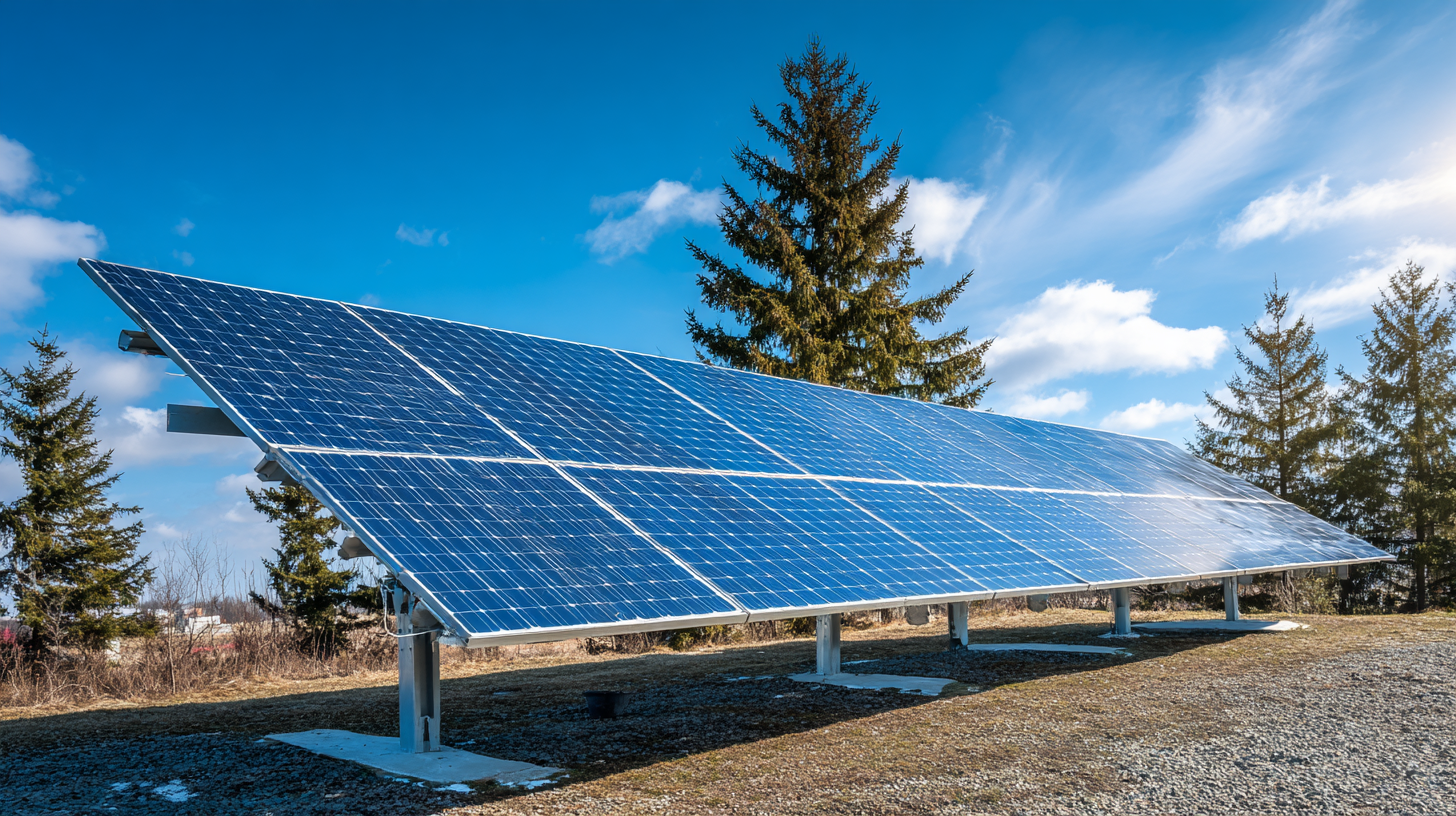
As a leader in the new energy application sector, SUNFREE Lighting Technology Co., Ltd. stands at the forefront of this booming market. Our commitment to research and development has enabled us to provide innovative lighting solutions powered by solar energy. By specializing in efficient design and manufacturing, we meet the growing demand for eco-friendly energy products that align with current market trends. With a focus on sustainability and technological advancement, we are poised to play a crucial role in shaping the future of solar power adoption and promoting greener energy solutions worldwide.
2025 Forecast: Leading Countries in Solar Power Implementation
The global solar power landscape is undergoing significant transformation as countries ramp up their renewable energy efforts. By 2025, it is projected that the transparent solar cell market will reach approximately $27.56 million, growing from $22.13 million in 2024, and forecasted to continue robust growth, reaching $89.89 million by 2032 with a compound annual growth rate (CAGR) of 18.40%. This growth trajectory reflects the increasing global emphasis on sustainable energy solutions, with countries increasingly adopting innovative technologies to harness solar energy.
China is emerging as a leader in this renewable revolution, implementing major projects that prioritize green energy adoption. The photovoltaic installation market is also projected to expand significantly, from $28.95 million in 2024 to a staggering $240.85 million by 2037, with an expected CAGR of over 17.7%. These developments highlight the urgency and necessity of transitioning towards more sustainable energy practices, especially as traditional fossil fuel sources face increasing scrutiny.
Tip 1: For individuals and businesses considering solar investments, it’s essential to stay informed about local regulations and incentives that could reduce installation costs.
Tip 2: Engaging with community solar initiatives can be an effective way to access renewable energy without the upfront costs associated with traditional solar panel installation.
With these trends, it's clear that the future of solar power is bright, and early adopters are likely to benefit from enhanced energy independence and reduced carbon footprints.
Top 5 Solar Technologies Driving Market Growth in 2023
The solar power industry is experiencing significant growth in 2023, driven by advancements in technology and increased demand for renewable energy sources. Among the leading innovations, photovoltaic (PV) technology continues to dominate, with improved efficiency rates and cost reductions making it more accessible for both residential and commercial applications. The integration of bifacial panels, which capture sunlight on both sides, further enhances energy output and is becoming increasingly popular in large-scale solar farms.
Another crucial advancement in the solar market is energy storage solutions. With more efficient battery technologies, such as lithium-ion and emerging solid-state batteries, solar energy can now be stored for use during non-sunny periods. This capability not only optimizes energy use but also addresses the intermittency issues traditionally associated with solar power.
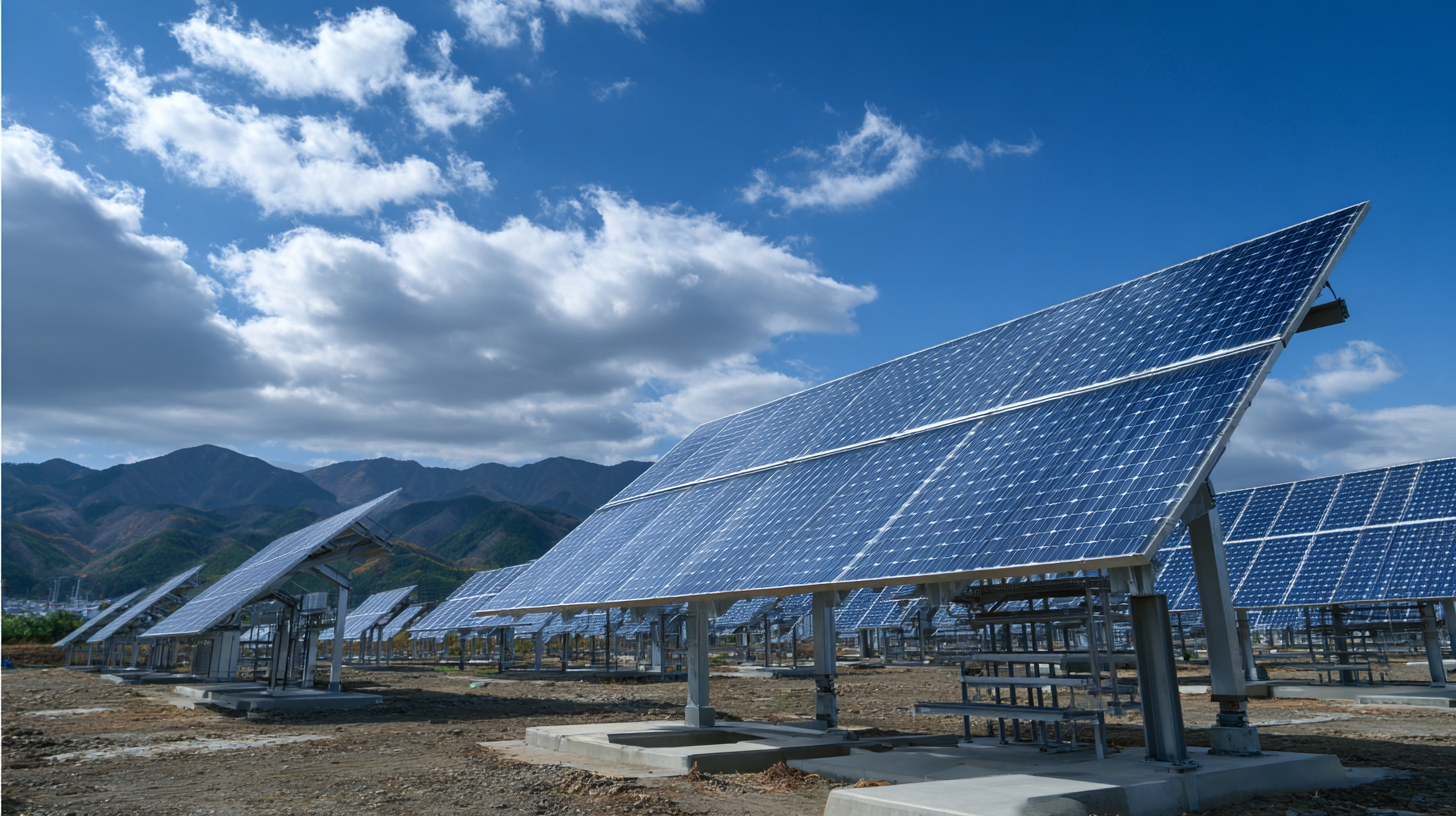
Beyond PV and energy storage, solar tracking systems are gaining traction, ensuring panels remain aligned with the sun throughout the day to maximize electricity generation. Innovations in solar inverters, such as smart inverters that enable real-time monitoring and system optimization, also play a pivotal role in enhancing the efficiency of solar energy systems. Collectively, these advancements are shaping the landscape of solar power, reinforcing its position as a key player in the global energy market.
Challenges and Opportunities in the Solar Industry: A 2023 Perspective
The solar industry is witnessing both challenges and opportunities in 2023, with the market evolving rapidly due to technological advancements and changing regulatory landscapes. According to a recent report by the International Energy Agency (IEA), global solar capacity is expected to grow by over 20% this year alone, reflecting an increasing shift towards renewable energy sources. However, the sector faces hurdles, including supply chain disruptions and raw material shortages that can hinder project timelines and cost efficiency.
For companies like SUNFREE Lighting Technology Co., Ltd., which is at the forefront of new energy application products, these challenges present unique opportunities for innovation. As a leading player with comprehensive design and manufacturing capabilities, SUNFREE can leverage its expertise to develop solutions that mitigate the impact of supply chain issues. Furthermore, the growing demand for solar technologies opens up avenues for expansion in market segments ranging from residential installations to large-scale solar farms, with analysts projecting that these sectors could see an annual growth rate of 15% through 2025. The ability to adapt to this dynamic environment is crucial for sustained success and leadership in the solar power market.
What is Solar Power? Understanding Its Impact and 2023 Market Growth Trends
| Dimension | 2022 Data | 2023 Data | Growth Rate (%) |
| Global Solar Capacity (GW) | 1,030 | 1,180 | 14.5 |
| Total Investment (Billion $) | 150 | 180 | 20.0 |
| Average Cost per Watt ($) | 0.80 | 0.75 | -6.25 |
| Jobs in Solar Sector (Million) | 4.0 | 4.5 | 12.5 |
| Projected Market Share (%) | 8.0 | 9.5 | 18.75 |
Maximizing Urban Lighting Efficiency: The Advantages of Vertical Hanging Solar Street Lights
Urban areas can benefit tremendously from innovative lighting solutions that enhance energy efficiency while minimizing environmental impact. Among these, the vertically suspended solar street light by SUNFREE LIGHTING stands out as a remarkable example. Awarded the IF2025 Design Award, this sleek lighting solution is engineered for performance and sustainability, making it an excellent asset for modern urban development.
The design of the vertically hanging solar street light not only maximizes exposure to sunlight, ensuring optimal energy capture, but also integrates smart control features that adapt to changing environmental conditions. This street light is built to withstand high winds, salty air, and variable sunlight angles, making it particularly suitable for challenging locations. Its compact design contributes to a visual consistency across urban projects, seamlessly blending into various architectural contexts while promoting a greener cityscape. This makes it an essential choice for city planners and developers committed to promoting sustainability without sacrificing aesthetics or functionality.
FAQS
: Solar power is a renewable energy source derived from sunlight, which is converted into electricity using photovoltaic cells or solar thermal systems.
SUNFREE Lighting Technology Co., Ltd. focuses on innovation and development in solar applications, positioning itself as a leader in the solar industry.
The global solar power market is expected to grow by approximately 22% year-over-year in 2023.
The cost of solar photovoltaic systems has decreased by nearly 90% over the last decade, making solar energy more affordable for residential and commercial sectors.
Solar power is expected to become the largest source of electricity generation by 2030.
China is emerging as a leader in the renewable energy sector, implementing major projects and significantly expanding the photovoltaic installation market.
Community solar initiatives allow individuals and businesses to access renewable energy without the upfront costs typically associated with traditional solar panel installation.
The solar industry faces challenges such as supply chain disruptions and raw material shortages, which can impact project timelines and cost efficiency.
Global solar capacity is expected to grow by over 20% in 2023, marking a significant shift towards renewable energy sources.
Challenges such as supply chain disruptions present opportunities for innovation, allowing companies like SUNFREE to develop solutions that enhance market positioning and address growing demand for solar technologies.
Conclusion
Solar power is a renewable energy source that harnesses sunlight to generate electricity, significantly impacting both the economy and environment. In 2023, the adoption of solar energy continues to surge, driven by technological advancements and increasing awareness of its benefits. This growth is reflected in key statistics that highlight global market trends, with forecasts indicating that leading countries will continue to innovate and implement solar solutions effectively by 2025.
At SUNFREE Lighting Technology Co., Ltd., we are at the forefront of this transformation, leveraging our expertise in research and development to create cutting-edge solar applications. Our commitment to sustainability aligns with the industry's shifting landscape, presenting both challenges and opportunities as we contribute to a cleaner, more energy-efficient future through the power of solar technology.