Leave Your Message
0%

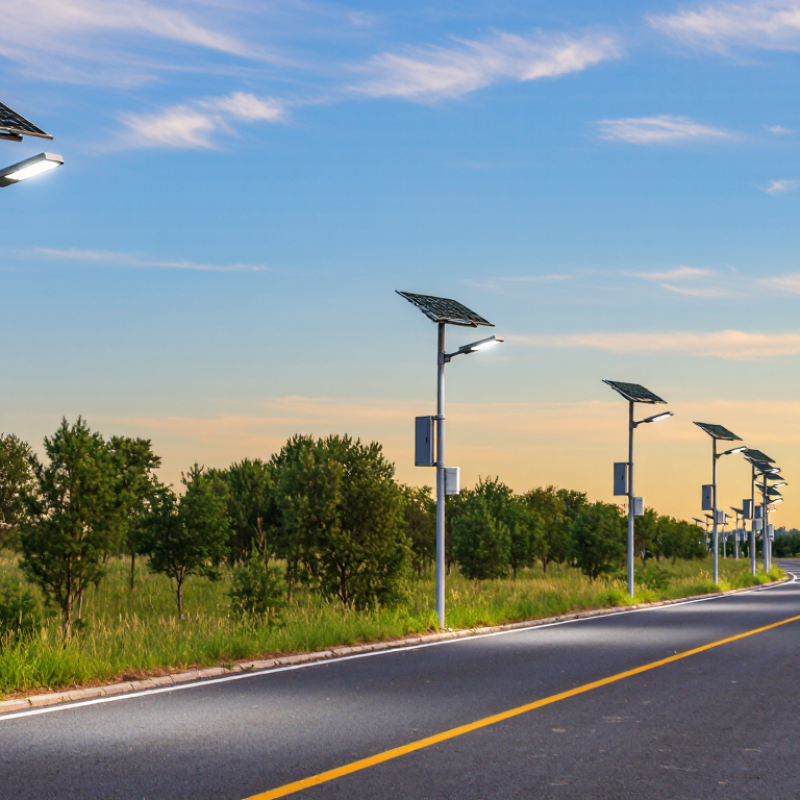
So, Solar Street Lampsare basically outdoor lights that run on sunlight instead of the usual electric grid. A typical setup has a Solar Panel, a rechargeable battery, an LED fixture, a controller, and a pole to hold it all up. When it's daylight, the panel turns sunlight into electricity, and the controller sends that energy into the battery. Once it gets dark, the LED lamp kicks on by itself and draws from what's stored.

Sounds pretty simple, right? Well, real projects aren't always that simple. A road shaded by trees, a dusty panel, or a battery that's too small can all cut down how many hours the light actually works. Weather matters, too. A few cloudy nights in a row might leave a lamp looking pretty dim before morning. Good design has to think about local sunlight, traffic patterns, pole spacing, battery chemistry, and how easy it is to get in there for maintenance. Just because a lamp is bright doesn't mean it's actually useful.

Francesco La Camera, Director-General of the International Renewable Energy Agency, once said, “Renewables are the key to a sustainable energy future.” That idea fits Solar Street Lamps really well—especially in places where running grid lines is expensive or just not practical. These systems can make things safer and more visible near rural paths, parking lots, school entrances, and public roads. They can also mean less trenching, fewer cable losses, and lower routine electricity costs.

That said, solar lighting isn't some magic fix for every situation. Bad installation can lead to glare, weak light, or batteries that need replacing way too soon. If you want reliable results, you need proper photometric planning, good components, and regular inspections. This guide walks through what Solar Street Lamps are, how the parts work together, and where their real-world limits show up. The technology is promising—but it deserves careful thought, not blind praise.
What Are Solar Street Lamps and How Do They Work?

Definition and Purpose of Solar Street Lamps

Solar street lamps are outdoor lighting systems powered by sunlight. They use solar panels, rechargeable batteries, LED fixtures, and control equipment. During daylight, the panel converts sunlight into electrical energy. The battery stores that energy for nighttime use.

Their purpose is simple: provide reliable illumination without connecting every lamp to the electricity grid. They can brighten roads, footpaths, parking areas, parks, and remote community spaces. A light sensor or timer usually activates the lamp after sunset. Some systems also reduce brightness when movement is limited, saving stored energy.

From practical site assessments, placement matters as much as equipment quality. A lamp needs clear sunlight, a stable foundation, and a suitable lighting range. Nearby trees, tall buildings, dust, and seasonal weather can reduce charging performance. Battery capacity also affects how long the lamp remains bright. It is not a perfect solution. A cloudy week may expose weak planning quickly. Designers should review local sunlight patterns, expected traffic, maintenance access, and safety requirements before installation. Regular cleaning and battery checks help preserve performance, although maintenance needs are often underestimated. Good solar street lighting is therefore more than a panel above a lamp; it is a carefully matched system for a specific public space.

Main Components of a Solar Street Lamp

Solar street lamps are independent outdoor lighting systems powered by sunlight. Their main components include a photovoltaic panel, rechargeable battery, LED lamp, controller, pole, and protective housing. During daylight, the panel converts sunlight into electricity. The controller manages charging and prevents unsafe overcharging. After sunset, stored energy powers the LED lamp automatically.

Each component affects performance. A larger panel may collect more energy, but roof angle, shading, dust, and seasonal weather also matter. The battery stores electricity for cloudy nights. Lithium-based batteries usually provide efficient cycling, while proper temperature protection remains important. LEDs produce bright light with relatively low energy use. The pole must resist wind, rain, and vibration. Sealed connectors and corrosion-resistant materials help protect internal circuits.

Tips: Check the installation area at different times of day. A tree shadow can reduce charging more than expected. Confirm the battery capacity against local winter conditions, not only summer sunlight. When reviewing CE Certification Solar Street Lamps, inspect test documents, electrical ratings, and installation instructions rather than trusting a label alone. A common planning mistake is choosing brightness before checking lighting spacing. I have seen this create bright patches and dark gaps. Measure the road width, mounting height, and required coverage before installation. And maintain the panel regularly. Dust is easy to overlook.

How Solar Street Lamps Convert Sunlight into Electricity

Solar street lamps use photovoltaic panels to turn sunlight into usable electricity. During daylight, solar cells absorb photons and release electrons. This movement creates direct-current electricity. A charge controller then regulates the flow, protecting the battery from overcharging and deep discharge. The stored energy powers the lamp after sunset.

A typical system includes a panel, battery, LED fixture, controller, pole, and light sensor. At dusk, the sensor detects lower brightness and activates the LED. LEDs need less electricity than older lighting technologies, so a smaller battery can provide useful overnight lighting. Solar Street Lamps Manufacturers usually match panel size, battery capacity, and lamp output to local sunlight conditions. A shaded road needs different planning than an open village path.

Real performance is not perfectly predictable. Cloudy days reduce charging, while dust can weaken the panel’s output. Snow, leaves, and poor installation angles create similar problems. In field inspections, technicians should check battery temperature, cable connections, panel cleanliness, and nighttime brightness. Small faults matter. A loose connector may waste energy for weeks before anyone notices. Battery aging also lowers operating time, even when the lamp still appears normal. Some designs include motion sensors, which dim the light during quiet periods and brighten it when pedestrians or vehicles approach. This saves energy, though sensor settings can require adjustment after installation.

The Role of Batteries and Charge Controllers

Solar street lamps combine photovoltaic panels, LED fixtures, batteries, and charge controllers. Their operation is simple, but system reliability depends on careful energy management. During daylight, the panel converts sunlight into electricity. The charge controller regulates this current before it reaches the battery.

The battery stores daytime energy for nighttime lighting. It also supports cloudy periods, although storage is often overestimated. Lithium-based batteries usually provide better usable capacity and cycle life than lead-acid units, but they require suitable protection and temperature control. The charge controller prevents overcharging, limits excessive discharge, and can adjust lighting output when energy is scarce. This matters because a lamp running at full brightness all night may fail before sunrise.

The International Energy Agency’s Renewables 2024 report recorded about 510 gigawatts of new solar capacity in 2023, showing how quickly solar technology is expanding. However, large-scale solar growth does not guarantee reliable street lighting. Local weather, shading, dust, and battery aging still decide performance.

Tips: Size the battery for several low-sun days, not an average day. Keep the panel unobstructed. Check nighttime voltage and morning battery levels during field inspections. A practical design may dim LEDs after midnight, preserving energy for early morning traffic. This is not perfect. Real streets are messier than laboratory calculations, and maintenance assumptions can be too optimistic. The World Bank’s Off-Grid Solar Market Trends Report highlights the importance of product quality, after-sales service, and long-term system sustainability.

How Solar Street Lamps Operate at Night

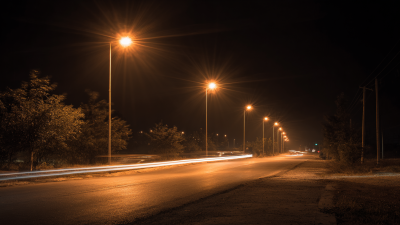
Solar Street Lamps collect sunlight during the day through photovoltaic panels mounted above the fixture. A charge controller directs electricity into a rechargeable battery. At dusk, a light sensor signals the controller to power the LED lamp. Stored energy then supplies illumination throughout the night. This process is automatic, with no manual switching required. Field inspections often show that lamp height, panel angle, and nearby trees affect performance. A shaded panel may leave the battery undercharged before evening begins. One cloudy day may not cause failure, but several can reduce brightness.

During nighttime operation, the controller manages energy carefully. Many Street Lamps provide steady output early in the evening, then reduce brightness after traffic decreases. Motion detection can increase illumination when pedestrians or vehicles approach. This balance extends battery life while preserving visibility on roads and pathways. Battery condition matters too. Heat, cold, dust, and age gradually reduce available capacity. A lamp may appear bright at eight o’clock yet become dim before dawn. That result is not always a design fault. It may indicate limited storage, unsuitable settings, or unexpected local use.

Tips: Keep panels free from dust and leaves. Check batteries and wiring during scheduled inspections. Confirm the lamp remains lit before sunrise, not only at dusk. Record cloudy-night performance for several weeks. One observation can mislead. Avoid placing new lights beneath growing branches, because shade may become a problem later. Consider winter sunlight, local weather, and nighttime activity before installation.

What Are Solar Street Lamps and How Do They Work?

At night, a solar street lamp uses energy stored in its battery during the day to power an LED fixture. A typical controller reduces brightness during low-traffic hours to conserve energy, then restores full output before dawn.

Typical nighttime operating profile: LED output is highest after sunset and before sunrise, while adaptive dimming reduces power consumption around midnight. Battery state of charge gradually decreases as the lamp operates.

Types and Common Applications of Solar Street Lamps

Solar street lamps use sunlight to produce electricity for outdoor lighting after dark. A panel charges a battery during daylight hours. An electronic controller switches the lamp on when surrounding light fades. Street Lamps At Night can remain bright without a direct connection to the public grid.

Several designs suit different locations. All-in-one lamps place the panel, battery, controller, and LED unit inside one housing. Split-type lamps separate these parts, allowing larger panels or batteries when conditions demand them. Grid-assisted models combine solar power with a conventional supply during long cloudy periods. Motion-sensing lamps reduce brightness when streets are empty and increase it when pedestrians or vehicles approach. The choice depends on sunlight, road width, traffic, and maintenance access.

Common applications include residential roads, rural lanes, parks, school paths, parking areas, and industrial entrances. Municipal teams often prefer standalone systems where trenching cables would disturb existing surfaces. A rural path may need a wider light distribution, while a parking area may require higher mounting and stronger illumination. From field experience, shade from trees or nearby buildings can reduce charging noticeably. Battery aging also affects overnight performance. No design is perfect. A careful site survey should check seasonal sunlight, drainage, pole spacing, and local safety requirements before installation.

What Are Solar Street Lamps and How Do They Work? - Types and Common Applications of Solar Street Lamps

Solar Street Lamp Type How It Works Typical LED Power Main Components Typical Lighting Duration Common Applications Key Advantages Important Considerations
All-in-One Solar Street Lamp The solar panel, LED light, battery, controller, and sensor are integrated into one compact housing. The panel charges the battery during daylight, and the LED turns on automatically at night. 20–80 W Integrated photovoltaic panel, LED module, rechargeable battery, charge controller, motion or light sensor Approximately 8–12 hours per night, depending on battery capacity, weather, and lighting settings Residential roads, pedestrian paths, parks, parking areas, campuses, and small public spaces Compact design, simpler installation, fewer cables, and relatively low maintenance Panel and light angle are less flexible; integrated parts may require replacing the complete unit if a major component fails
Split-Type Solar Street Lamp The solar panel, battery, controller, and LED lamp are installed as separate components. Solar energy is converted and stored in the battery for nighttime lighting. 30–150 W Separate photovoltaic panel, LED lamp, battery enclosure, charge controller, pole bracket, and wiring Approximately 10–14 hours per night, with battery capacity and solar conditions being major factors Urban streets, rural roads, highways, public squares, and locations requiring higher lighting output Flexible component placement, easier component replacement, and greater capacity customization Requires more installation work, cable protection, and adequate space for the separate solar panel and battery
All-in-Two Solar Street Lamp The LED lamp and solar panel are combined in one assembly, while the rechargeable battery is installed separately, usually inside the pole or in a protected enclosure. 30–120 W Combined lamp and panel assembly, external battery, charge controller, and light or motion sensor Approximately 8–12 hours per night, depending on the control strategy and battery reserve Roadways, pathways, parking lots, industrial sites, and medium-sized outdoor areas Cleaner appearance than a fully split system while keeping the battery accessible for maintenance The battery enclosure must be protected from water, heat, theft, and unauthorized access
Motion-Sensor Solar Street Lamp The lamp operates at a lower standby level and increases brightness when a person, bicycle, or vehicle is detected by a motion sensor. 20–100 W LED module, solar panel, rechargeable battery, controller, and passive infrared or microwave sensor Often 10–14 hours with dimming; full brightness is activated only when movement is detected Residential lanes, walkways, alleys, bicycle paths, entrances, and low-traffic roads Reduces energy consumption and can extend lighting availability during cloudy periods Sensor sensitivity, detection range, mounting height, and surrounding movement can affect performance
Smart Solar Street Lamp Solar energy is stored locally, while a communication controller monitors operating status and can adjust brightness or schedules remotely. 40–150 W Solar panel, LED lamp, battery, controller, sensors, communication module, and optional environmental monitoring devices Usually programmed for dusk-to-dawn operation with scheduled dimming or adaptive brightness Smart-city projects, municipal roads, large campuses, transport areas, and public infrastructure networks Remote monitoring, fault alerts, adaptive dimming, and improved maintenance planning Higher initial cost, greater system complexity, and possible dependence on communication coverage or network management
Decorative Solar Street Lamp A solar panel charges a rechargeable battery during the day, while the lamp provides functional or decorative illumination after sunset. 5–40 W Solar panel, LED light source, battery, controller, decorative housing, and automatic dusk sensor Approximately 6–12 hours per night, depending on the lighting design and battery size Gardens, parks, promenades, courtyards, tourism areas, and pedestrian zones Improves visual appearance, requires no grid connection, and supports low-power landscape lighting Usually provides lower illumination than roadway systems and may not be suitable for traffic-safety lighting standards
Solar Floodlight for Outdoor Areas A solar panel charges a battery that powers a broad-beam LED fixture, generally activated by a timer, light sensor, or motion sensor. 20–200 W Solar panel, high-output LED floodlight, battery, controller, mounting bracket, and optional motion sensor Approximately 6–12 hours per night, depending on brightness level and battery reserve Sports grounds, construction areas, storage yards, building perimeters, signs, and security zones Provides wide-area illumination without trenching or grid connection Beam angle, glare control, mounting height, wind loading, and battery protection should be carefully evaluated
Solar Bollard or Pathway Light A small photovoltaic panel charges an internal battery, which powers a low-intensity LED after the built-in light sensor detects darkness. 1–15 W Small solar panel, LED module, rechargeable battery, controller, and short bollard or pathway housing Approximately 8–12 hours per night under suitable sunlight and moderate lighting output Garden paths, walkways, parks, resorts, driveways, and pedestrian landscaping Easy to deploy, low energy consumption, and suitable for guiding pedestrians Limited mounting height and light output; nearby trees, buildings, or shadows can significantly reduce charging performance

Note: Power ranges and operating durations are typical planning values rather than fixed specifications. Actual performance depends on solar irradiation, panel orientation, battery chemistry and capacity, LED efficiency, temperature, shading, local weather, and the programmed lighting profile.

China Solar-Powered Square Vertical LED Bollard Light Suppliers: Eco-Friendly Garden & Park Lighting Solutions

China’s solar-powered square vertical LED bollard lights offer a practical, eco-friendly solution for gardens, parks, yards, pathways, and public spaces. Manufactured by experienced Chinese suppliers, these fixtures combine a clean architectural profile with autonomous operation: photovoltaic panels collect daylight, rechargeable batteries store energy, and efficient LEDs provide dependable illumination after dark. Their square form supports modern landscape designs while the vertical structure distributes light evenly along walkways and planted areas.

The environmental value of solar lighting is reinforced by industry data. According to the International Renewable Energy Agency’s *Renewable Capacity Statistics 2024*, solar power accounted for approximately 73% of global renewable-capacity expansion in 2023, demonstrating the rapid shift toward clean energy systems. Because these bollards operate without trenching or continuous grid electricity, they can reduce installation disruption and help lower long-term energy demand. High-quality enclosures, weather-resistant finishes, and intelligent charging controls also support reliable performance across changing outdoor conditions.

LED technology further improves efficiency. The U.S. Department of Energy reports that LED products use at least 75% less energy and can last up to 25 times longer than incandescent lighting. Applied to square vertical solar garden lights, this efficiency enables longer nightly operation, reduced maintenance, and lower replacement requirements. For parks, residential landscapes, and municipal projects, China-based suppliers can provide scalable configurations, adjustable brightness, and customized finishes that balance visual appeal, durability, and sustainable outdoor lighting performance.

FAQS

How do solar street lamps work at night?

Panels collect sunlight during the day. A controller stores electricity in a rechargeable battery. At dusk, a light sensor activates the lamp automatically.

What does the charge controller do?

It regulates charging, prevents overcharging, and limits excessive battery discharge. It may also reduce brightness when stored energy becomes scarce.

Why might a lamp become dim before sunrise?

The battery may have limited capacity, several cloudy days, panel shading, or advanced aging. Bright at dusk means little.

How should the battery be sized?

Size it for several low-sun days, not just average daily weather. Actual winter conditions can be harsher than planning tables suggest.

Which battery characteristics matter most?

Usable capacity, cycle life, temperature control, and protection are important. Lithium-based units often perform better, but correct installation remains necessary.

Can brightness change during the night?

Yes. The controller can dim lighting after midnight when traffic decreases. Motion detection may restore stronger illumination near pedestrians or vehicles.

Where are solar street lamps commonly installed?

They suit residential roads, rural lanes, parks, school paths, parking areas, and industrial entrances. They work well where cable trenching is difficult.

What site conditions should be checked before installation?

Inspect seasonal sunlight, tree growth, building shadows, drainage, pole spacing, road width, and maintenance access. A clear panel today may become shaded later.

How can performance be inspected after installation?

Check nighttime voltage and morning battery levels. Confirm the lamp remains lit before sunrise, not only at dusk. Record cloudy-night results for several weeks.

Are solar street lamps completely maintenance-free?

No. Dust, leaves, heat, cold, wiring problems, and battery aging still require attention. Maintenance expectations are often too optimistic.

Conclusion

Solar Street Lamps are outdoor lighting systems designed to illuminate roads, pathways, parking areas, parks, and other public or private spaces without relying entirely on the conventional power grid. A typical system includes a solar panel, LED light, rechargeable battery, charge controller, pole, and supporting fixtures. During the day, the solar panel captures sunlight and converts it into electrical energy. The charge controller regulates this energy, protects the battery from overcharging or excessive discharge, and helps maintain reliable operation.

At night, the stored energy powers the LED light, often automatically through a timer or light sensor. Depending on their design, Solar Street Lamps may be integrated, with all major components combined into one unit, or split-type, with separate panels, batteries, and lamps. They are commonly used for residential streets, highways, walkways, campuses, gardens, parking lots, and remote areas where grid connection is difficult. Their operation can reduce energy consumption, simplify installation, and support practical, low-maintenance outdoor lighting.

Isabella

Isabella

Isabella is a dedicated marketing professional at Zhongshan Sanhui Lighting Technology Co., Ltd., where she has honed her expertise in the lighting industry. With a keen understanding of the company's innovative products and services, Isabella plays a crucial role in promoting the company's core......
Previous Top Vertical Solar Module Manufacturers for Global Buyers?